Thoughtful Menu Planning Enhances Any Celebration Key Takeaways
Mastering the art of menu design can transform an ordinary gathering into an unforgettable experience.
- Thoughtful menu planning enhances any celebration by aligning dishes with the event and #8217;s theme, seasonality, and guest preferences.
- Strategic menu design balances flavor profiles, dietary needs, and visual appeal to tell a cohesive story throughout the meal.
- Chef Juan and #8217;s approach proves that intimate, curated dining experiences elevate both casual gatherings and formal events.
What Makes Thoughtful Menu Planning Enhances Any Celebration So Powerful
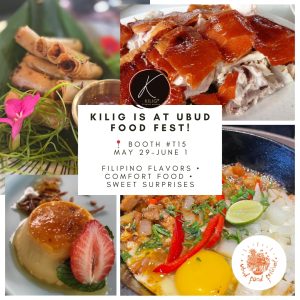
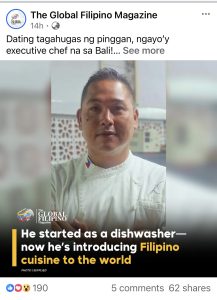
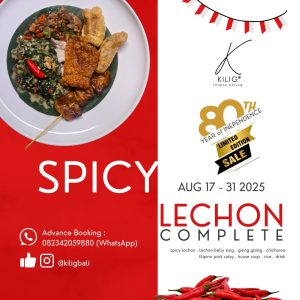
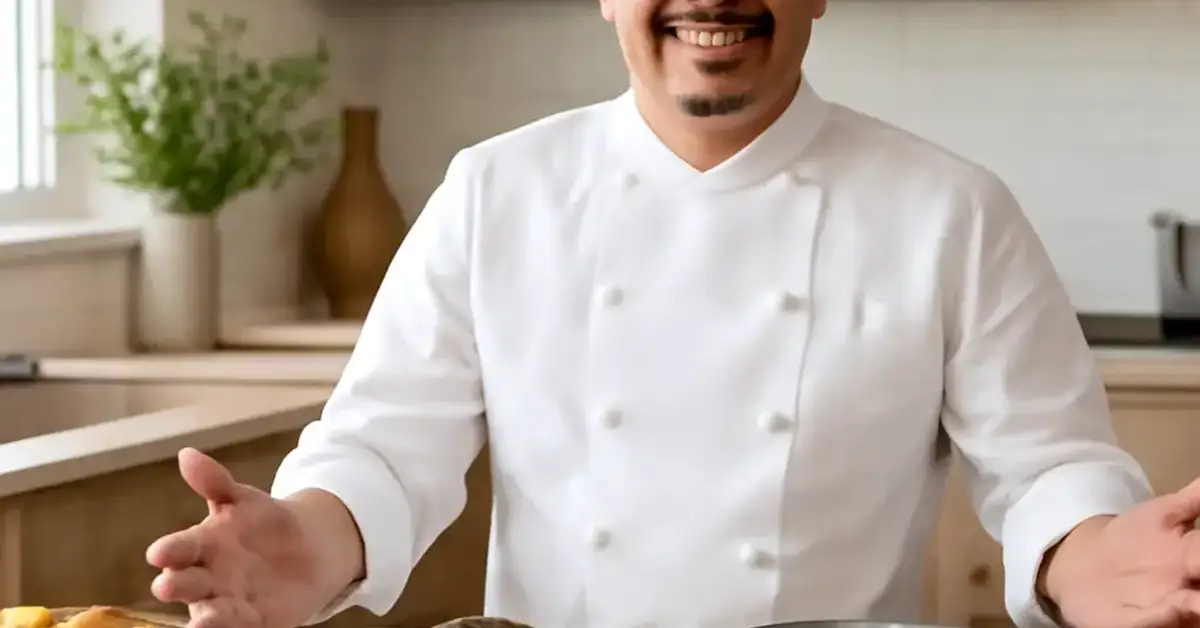
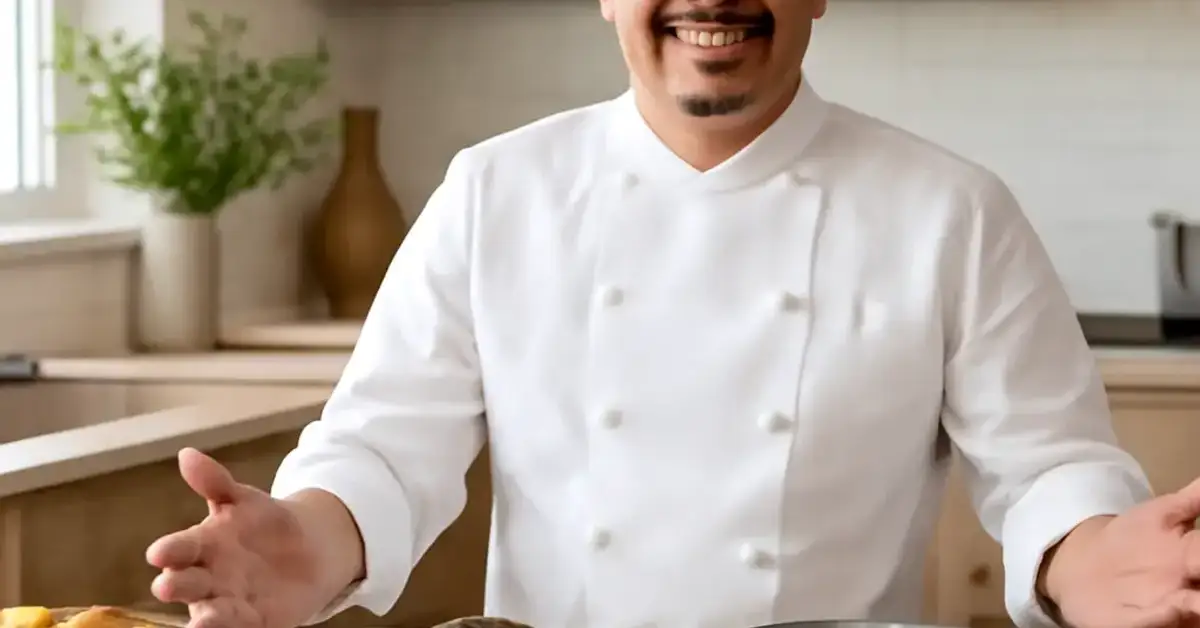
When Chef Juan Gadi steps into the kitchen at Kilig Filipino Warung or prepares a private villa dinner in Ubud, he doesn’t just cook. He designs a journey. Every ingredient, every spice, every plating detail is intentional. That is exactly why thoughtful menu planning enhances any celebration, from a milestone birthday to a corporate gala in Bali’s lush rice terraces.
The heart of this practice lies in understanding the guest of honor’s story and the occasion’s mood. Chef Juan’s Filipino heritage teaches him that hospitality is about making people feel seen and cared for. By weaving local Balinese ingredients with traditional Filipino techniques, he creates menus that surprise, delight, and resonate emotionally.
7 Proven Ways Thoughtful Menu Planning Enhances Any Celebration
1. Align the Menu with Your Event’s Narrative
Every celebration has a theme—a reason people gather. Whether it’s a wedding reception, an anniversary dinner, or a product launch, the menu should echo that story. Chef Juan begins every consultation by asking, “What feeling do you want your guests to walk away with?” From there, he builds dishes that reflect that emotion. A romantic dinner might feature delicate flower-infused desserts, while a lively family reunion calls for interactive communal dishes like crispy pata or lechon kawali.
2. Prioritize Seasonality and Locally Sourced Ingredients
In Bali, fresh produce is abundant year-round. Chef Juan works directly with local farmers to source the best vegetables, seafood, and herbs. Seasonal ingredients taste better, cost less, and reduce the event’s environmental footprint. A thoughtful planner always asks: “What is at its peak right now?” This ensures the menu feels vibrant and connected to the place and time of the gathering. For a related guide, see 10 Menu Planning Tips for Intimate Gatherings.
3. Cater to Dietary Needs Without Sacrificing Flavor
Modern celebrations host guests with diverse dietary preferences: vegan, gluten-free, halal, or keto. Chef Juan views dietary restrictions as creative challenges rather than limitations. He crafts dishes that everyone can enjoy together. For example, a turmeric-coconut soup can be naturally vegan and gluten-free while still bursting with umami. Thoughtful menu planning enhances any celebration by ensuring no guest feels left out or stuck with a bland plate.
4. Create a Balanced Flow of Flavors and Textures
A memorable meal moves through distinct stages: a light and bright start, a rich and comforting middle, and a refreshing or indulgent finish. Chef Juan maps out each course to contrast textures and temperatures. Think a cold calamansi ceviche followed by a warm, slow-braised beef rendang, finished with a silky pandan panna cotta. This rhythm keeps the palate engaged and the experience dynamic.
5. Incorporate Interactive and Communal Elements
Filipino culture thrives on shared plates. Chef Juan brings this spirit to Ubud by designing tables that spark conversation. Live cooking stations, DIY taco bars, or family-style serving platters encourage guests to interact. When diners participate in the meal, they remember the feeling of connection far more than any single dish.
6. Tell a Story Through Presentation and Garnishes
Your first bite is with your eyes. Chef Juan uses edible flowers, microgreens, and hand-painted sauces to evoke the event’s theme. A menu inspired by Bali’s rice fields might feature bowls shaped like woven baskets, garnished with crispy shallots and edible orchids. Every plate becomes a canvas that reinforces the celebration’s narrative. For a related guide, see How Personalized Menus Elevate Special Celebrations.
7. Plan for Practical Logistics and Timing
Behind every beautiful dish is a rigorous prep schedule. Chef Juan maps out cooking times, plating windows, and service flow to ensure every course arrives at the perfect temperature. For villa dinners in Ubud, he coordinates with local staff to manage kitchen space and equipment. No detail is too small when thoughtful menu planning enhances any celebration.
How to Start Your Own Thoughtful Menu Planning Enhances Any Celebration Journey
Step 1: Define the Celebration’s Core Purpose
Ask the host: Who is the guest of honor? What is the occasion? What emotions do we want to evoke? Write these answers down. They become your menu’s compass.
Step 2: Create a Guest Profile
List the number of guests, their age range, cultural backgrounds, and known dietary restrictions. Chef Juan recommends sending a pre-event survey if possible. The more you know, the better you can tailor each course.
Step 3: Build a Seasonal Ingredient List
Visit local markets or talk to suppliers. Write down three to five ingredients that are at their peak and that match your theme. Use these as the foundation for each dish.
Step 4: Draft a Multi-Course Flow
Sketch out a sequence: amuse-bouche, appetizer, palate cleanser, main course, dessert. For each, note the flavor profile (sour, salty, sweet, bitter, umami) and the texture (crunchy, creamy, tender). Adjust until the progression feels natural.
Step 5: Plan for Visual and Sensory Impact
Decide on plating style, garnish colors, and serving vessels. Chef Juan often uses natural materials like banana leaves or clay pots to add authenticity. Test the visual appeal by photographing a sample plate.
Step 6: Execute a Dry Run
Cook the full menu at least once before the event. Time every step. Adjust seasoning and portion sizes. This rehearsal prevents surprises and builds confidence.
Common Mistakes in Celebration Menu Planning
Overcomplicating the Menu
A common error is trying to impress with too many complex dishes. Chef Juan advises keeping the core menu tight—three to four courses—and executing each perfectly. A simple, well-made dish beats a chaotic overload every time.
Ignoring Guest Preferences
Assuming everyone loves spicy food or raw fish can alienate guests. Always include at least one universally appealing option. Thoughtful menu planning enhances any celebration when it respects every attendee’s comfort.
Neglecting Kitchen Capacity
Home kitchens and villa setups have limits. If you only have two burners, don’t plan a six-course tasting menu that requires four pans at once. Chef Juan adapts his recipes to the available equipment, ensuring smooth execution.
| Mistake | Impact | Solution |
|---|---|---|
| Too many courses | Guests feel rushed or overwhelmed | Stick to 3-4 intentional courses |
| Not testing recipes | Flavor imbalances on event day | Conduct a full dry run |
| Poor timing | Cold food, long gaps | Create a detailed service timeline |
Useful Resources to Master Menu Planning
To deepen your understanding of how thoughtful menu planning enhances any celebration, explore these expert resources:
- Kitchn’s Seasonal Cooking Guide — A practical reference for picking peak ingredients throughout the year.
- James Beard Foundation’s Menu Planning Tips — Advice from celebrated chefs on creating event menus with intention and style.
Frequently Asked Questions About Thoughtful Menu Planning Enhances Any Celebration
How does thoughtful menu planning enhance any celebration?
By aligning every dish with the event’s theme, guest preferences, and seasonal ingredients, thoughtful planning creates a cohesive and memorable dining experience that feels personal and intentional.
What is the first step in planning a celebration menu?
Define the event’s core purpose and the guest of honor’s story. This becomes your guide for selecting dishes that resonate emotionally.
How many courses should a celebration menu have?
For most private events, 3 to 4 courses work best. This allows for variety without overwhelming the kitchen or guests.
Should I include dietary restrictions in menu planning?
Absolutely. Always survey guests beforehand and create at least one alternative option so everyone feels included and valued.
What is a common mistake when planning a menu for a celebration?
Overcomplicating the menu with too many complex dishes. A few perfectly executed courses are far more impressive than a chaotic array.
How do I choose ingredients for my menu?
Prioritize seasonal, locally sourced ingredients. They taste better, are more sustainable, and naturally tie your menu to the event’s location and time.
Why is flavor balancing important in menu planning?
A well-balanced menu keeps the palate engaged by transitioning through different flavor profiles, preventing taste fatigue and enhancing enjoyment.
What are some interactive menu ideas for celebrations?
Live cooking stations, family-style sharing platters, or DIY taco bars encourage guest interaction and make the meal feel lively and inclusive.
How important is presentation in menu planning?
Very important. Visual appeal sets expectations and reinforces the event’s theme, making the meal more memorable from the first glance.
Can I plan a celebration menu on a budget?
Yes. Focus on seasonal ingredients, reduce the number of courses, and use affordable yet flavorful staples like beans, root vegetables, and herbs.
How do I incorporate cultural traditions into my menu?
Choose signature dishes from relevant cuisines, use traditional cooking methods, and serve them on culturally appropriate tableware or vessels.
What is Chef Juan Gadi and #8217;s signature approach to menu planning?
Chef Juan blends Filipino hospitality with modern technique, using local Balinese ingredients to tell a story that is both personal and universal.
How far in advance should I start planning a celebration menu?
Start at least 2-4 weeks ahead for a large event, and at least 1 week for a small dinner. This allows time for sourcing, testing, and adjustments.
Should I offer wine or cocktail pairings with the menu?
Pairings elevate the experience when done carefully. Provide 2-3 options that complement the flavor progression without overwhelming the budget or service.
How do I handle last-minute guest changes?
Have a flexible base menu that can be adapted quickly. Keep extra portions of versatile components like roasted vegetables or grains on hand.
What is the best way to test a menu before an event?
Conduct a full dry run at least one week before. Cook every dish, time each step, and adjust seasonings, portion sizes, and plating based on feedback.
How do I create a menu that appeals to both adults and children?
Include a few universally loved dishes like roasted chicken or pasta, and elevate them with sophisticated but not intimidating flavors.
What role does dessert play in a celebration menu?
Dessert provides a sweet finale that lingers in memory. It should match the event’s mood, whether that is playful, romantic, or elegant.
How does thoughtful menu planning enhance any celebration for corporate events?
It shows care and professionalism, fosters networking through shared dining experiences, and leaves a lasting positive impression on clients and partners.
Can I plan a menu without professional catering experience?
Yes. Start with simple, well-tested recipes, follow the steps outlined above, and consider consulting a chef like Chef Juan for guidance on special occasions.
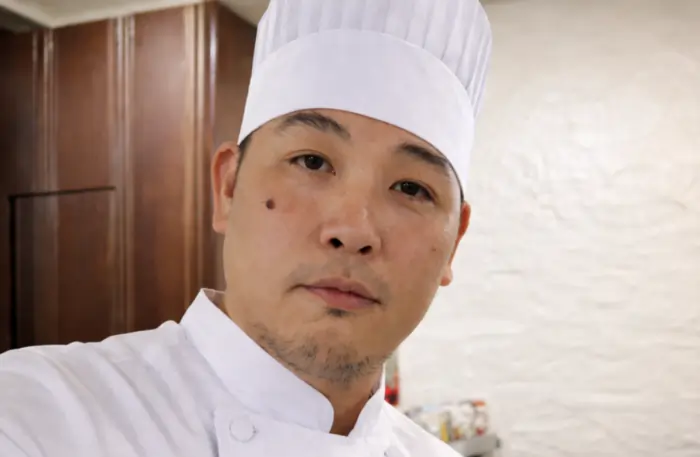
Chef Juan Gadi brings the heart of Filipino hospitality to Ubud, Bali. As an Executive Chef and consultant, he specializes in creating intimate, curated dining experiences that tell a story through every dish. Whether leading the kitchen at Kilig Filipino Warung or hosting a private villa dinner, Chef Juan’s approach is defined by warmth, modern technique, and a commitment to culinary excellence.