
Culinary Experiences Enhance Destination Weddings Key Takeaways
From the first toast to the final dessert course, thoughtfully prepared food transforms a wedding into an emotional, sensory celebration.
- Culinary experiences enhance destination weddings by weaving local ingredients, cultural traditions, and personal stories into every dish
- Personalized and curated menus elevate guest satisfaction, foster emotional bonding, and make the wedding truly unforgettable
- Expert chefs like Chef Juan Gadi in Ubud, Bali, design wedding-specific culinary journeys that blend Filipino hospitality with global techniques

What Readers Should Know About How Culinary Experiences Enhance Destination Weddings
Destination weddings are about more than just a stunning venue or a tropical backdrop. At the heart of every celebration lies the shared meal — a moment when family and friends come together to honor the couple. Culinary experiences enhance destination weddings by turning a simple reception into an immersive journey of taste, aroma, and emotion.
Chef Juan Gadi brings the heart of Filipino hospitality to Ubud, Bali. As an Executive Chef and consultant, he specializes in creating intimate, curated dining experiences that tell a story through every dish. Whether leading the kitchen at Kilig Filipino Warung or hosting a private villa dinner, Chef Juan’s approach is defined by warmth, modern technique, and a commitment to culinary excellence. His work exemplifies how food becomes a bridge between cultures, a celebration of love, and a highlight of the entire wedding experience. For a related guide, see 7 Smart Ways How Personalized Catering Enhances Special Occasions in Ubud.
In this guide, we’ll explore the role of food in creating memorable wedding celebrations, the growing trend of experiential dining, and how Bali’s vibrant culinary scene offers an unmatched setting for destination weddings.
Why Food is the Heart of a Wedding Celebration
Food has always been central to human connection, and weddings are no exception. The emotional impact of shared meals during wedding celebrations cannot be overstated. When guests sit down to a beautifully plated dinner, they aren’t just eating — they are participating in a ritual that bonds them to the couple and to each other.
The Emotional Bonding Created Through Shared Dining Experiences
Think about the last time you shared a meal with loved ones. There is something about breaking bread together that fosters intimacy and joy. At a wedding, this feeling is magnified. The emotional bonding created through shared dining experiences helps guests feel more connected to the couple’s story. A menu that reflects the couple’s heritage or favorite flavors invites everyone into their world, making the celebration feel personal and intentional.
How Food Becomes a Centerpiece of Wedding Celebrations
In many cultures, the wedding feast is the main event. Today, how food becomes a centerpiece of wedding celebrations is a deliberate design choice. Couples are moving away from generic buffets and toward multi-course tasting menus, interactive food stations, and chef-led presentations. This shift underscores the importance of curated menus in destination wedding experiences. Every bite should delight and surprise, creating a narrative arc from appetizer to dessert.
How Destination Dining Enhances Guest Satisfaction at Weddings
Guests travel far and wide to attend a destination wedding. They expect an experience that is extraordinary from start to finish. How destination dining enhances guest satisfaction at weddings is a key question for planners and couples alike. The answer lies in detail, creativity, and hospitality.
Integration of Local and International Cuisine in Wedding Receptions
One of the most exciting aspects of a Bali wedding is the opportunity to blend flavors. The integration of local and international cuisine in wedding receptions allows chefs to create a menu that feels both exotic and familiar. For example, a classic Western roast might be paired with a Balinese lawar salad, or a French patisserie dessert might incorporate coconut and pandan. This fusion delights the palate and honors the destination.
Importance of Dietary Customization for Diverse Guests
Today’s weddings include guests with varied dietary needs — vegetarian, vegan, gluten-free, halal, and more. The importance of dietary customization for diverse guests cannot be overlooked. A skilled chef designs each plate to accommodate restrictions without sacrificing flavor or presentation. This attention to detail makes every guest feel seen and cared for, which is the essence of great hospitality.
How Bali’s Culinary Scene Elevates Wedding Events
Bali is more than a beautiful island; it is a culinary destination in its own right. How Bali’s culinary scene elevates wedding events is evident in the abundance of fresh local ingredients, skilled artisans, and vibrant food culture. From the terraced rice paddies of Ubud to the fishing villages along the coast, Bali offers a wealth of flavors that chefs incorporate into wedding catering Bali menus.
Importance of Local Ingredients in Destination Wedding Menus
The importance of local ingredients in destination wedding menus goes beyond sustainability. Local produce like heirloom tomatoes, free-range poultry, sea salt from Amed, and exotic fruits such as mangosteen and snake fruit add authenticity and freshness that imported ingredients cannot match. Chefs who source locally create dishes that taste of the place itself, grounding the celebration in its surroundings.
How Scenic Venues and Cuisine Combine in Destination Weddings
Imagine dining on a cliffside terrace overlooking the Indian Ocean, or in a lush jungle garden lit by lanterns. How scenic venues and cuisine combine in destination weddings is a dance between setting and flavor. A chef designs the menu to complement the environment — light seafood for a beachfront reception, rich braises for a cooler mountain evening. This synergy between place and plate elevates the entire event.
The Role of Chefs in Designing Wedding-Specific Culinary Journeys
Behind every memorable wedding meal is a chef who understands the deeper purpose of the feast. The role of chefs in designing wedding-specific culinary journeys is to translate the couple’s love story into edible art. Chef Juan Gadi, for example, works closely with couples to understand their backgrounds, favorite meals, and dream flavor profiles. He then crafts a menu that is both personal and spectacular.
How Do Chefs Design Wedding Menus?
A common question is, how do chefs design wedding menus? The process starts with discovery. The chef learns about the couple’s journey — where they met, what they love to cook together, any cultural traditions they want to honor. Then the chef selects ingredients, balances textures and colors, and plans a flow that keeps guests engaged. The result is a custom wedding menu that feels like a reflection of the couple’s identity.
How Culinary Experiences Reflect Couple Identity and Story
Every couple has a unique story. How culinary experiences reflect couple identity and story is seen in details like a signature cocktail named after their dog, a dessert that mimics the cake from their first anniversary, or a spice blend from the groom’s hometown. These personal touches make the wedding unforgettable and deeply meaningful.
How Food Storytelling Enhances Wedding Memories
Great food does more than satisfy hunger — it tells a story. How food storytelling enhances wedding memories is a concept that more couples are embracing. A menu with backstory, a chef who introduces each course, or a dish that represents a shared travel experience all contribute to a narrative that guests will talk about for years.
How Food Enhances Photography, Ambiance, and Overall Wedding Memory Creation
Visual storytelling is essential at weddings. How food enhances photography, ambiance, and overall wedding memory creation is clear when you see a beautifully styled tablescape with vibrant dishes. Plates become props, colors pop against linen, and steam rising from a bowl adds life to photos. The connection between food presentation, ambiance, and celebration atmosphere is direct — stunning food encourages guests to linger, laugh, and snap photos, all of which deepen the memory of the day.
The Growing Trend of Immersive and Experiential Wedding Receptions
Weddings are no longer passive events. The growing trend of immersive and experiential wedding receptions reflects a desire for engagement and delight. Interactive stations where guests assemble their own tacos, live cooking demonstrations, and dessert bars where pastry chefs finish plates tableside are just a few examples. This is the increasing demand for experiential wedding dining in action.
Importance of Tasting Menus and Curated Dining Experiences for Guests
The importance of tasting menus and curated dining experiences for guests lies in their ability to surprise and satisfy. A tasting menu turns dinner into a performance, with each course building anticipation. For destination weddings, this format allows guests to sample local flavors they might not otherwise try, making the meal part of the travel adventure. Private dining weddings often adopt this approach for an extra layer of intimacy.
The Role of Hospitality in Elevating Wedding Experiences
Hospitality is the invisible thread that ties everything together. The role of hospitality in elevating wedding experiences is especially important at destination weddings, where guests may be tired from travel or navigating a new culture. Warm, attentive service — from the welcome drink to the late-night snack — makes everyone feel at home.
Wedding Hospitality and Luxury Event Dining
Luxury weddings often demand luxury event dining that goes beyond the expected. This means premium ingredients, impeccable service, and flawless timing. But true luxury also includes a sense of genuine care. Chef Juan Gadi’s Filipino hospitality philosophy — known as pakikisama (togetherness) — ensures that every guest is treated with warmth and respect. This approach defines wedding hospitality at its best.
Increasing Demand for Experiential Wedding Dining and Wedding Food Trends
The wedding industry is evolving, and experiential dining is at the forefront. Wedding food trends for 2025 and beyond include hyper-local sourcing, plant-forward menus, and immersive multi-sensory experiences. Couples are asking for dishes that are not only delicious but also Instagram-worthy and conversation-starting. The influence of cultural fusion cuisine in destination weddings is especially strong in Bali, where Asian and Western traditions meet naturally.
Why is Bali Popular for Destination Weddings?
Bali offers a unique combination of natural beauty, spiritual ambiance, and world-class hospitality. Why is Bali popular for destination weddings is a question with many answers: stunning venues, favorable climate, and a deep culture of celebration. But the culinary scene is a major draw. Bali weddings now often feature farm-to-table dinners, beachside barbecues, and elaborate fine dining weddings that rival top restaurants anywhere.
How Food Affects Wedding Guest Experience
When guests recall a wedding, they often remember the food first. How food affects wedding guest experience is profound — a bad meal can dampen the entire evening, while an exceptional one elevates everything. Happy guests are more likely to dance, mingle, and celebrate wholeheartedly. That is why event catering for weddings must prioritize quality, creativity, and consistency. For a related guide, see Why Guests Remember Exceptional Dining Experiences.
How to Personalize Wedding Menus for Couples and Guests
Personalization is the key to making a wedding feel unique. How do you personalize wedding menus? Start with a conversation. Ask about favorite cuisines, family recipes, and meaningful dishes. Then work with a chef to translate those into a cohesive menu. Personalized wedding menus might include a pasta course from the couple’s trip to Italy, a spice blend from the bride’s homeland, or a dessert that matches their wedding colors. The result is a menu that belongs to them alone.
What Are Trends in Wedding Catering?
Current wedding food trends are all about personalization, sustainability, and interaction. What are trends in wedding catering includes live-action stations, family-style sharing plates, zero-waste practices, and menus that adapt to dietary needs without sacrificing creativity. Culinary tourism also plays a role — couples want to introduce guests to the local food culture of their destination.
Useful Resources
For couples planning a destination wedding in Bali and seeking expert culinary guidance, the following resources provide inspiration and professional insight:
- Lonely Planet — Best Restaurants in Bali — A guide to the island’s top dining spots, perfect for menu inspiration.
- Bali Gardeners — A local provider of fresh organic produce that many destination wedding chefs use to source ingredients.
Conclusion: The Lasting Impact of Culinary Experiences on Destination Weddings
Culinary experiences enhance destination weddings in ways that go far beyond satisfying hunger. They create emotional connections, tell a couple’s unique story, and leave guests with memories that last a lifetime. In Bali, where the landscape and culture are rich with flavor, the opportunity to design an extraordinary wedding menu is endless.
With a chef like Juan Gadi at the helm, couples can trust that every detail — from the first canapé to the final dessert — will be crafted with heart, skill, and a deep respect for hospitality. Whether you are a wedding planner seeking inspiration or a couple dreaming of your perfect Bali celebration, remember that the culinary journey is one of the most powerful tools you have to make your wedding truly unforgettable.
Frequently Asked Questions About Culinary Experiences Enhance Destination Weddings
How do culinary experiences enhance destination weddings ?
Culinary experiences enhance destination weddings by transforming a meal into a memorable journey. Through locally sourced ingredients, personalized menus, and creative presentation, food becomes a centerpiece that reflects the couple’s story and delights guests.
Why is food important in wedding celebrations?
Food is important because it brings people together. Shared meals create emotional bonds, set the tone for the celebration, and leave a lasting impression on guests. A well-designed menu can elevate the entire wedding experience.
What makes destination wedding dining special?
Destination wedding dining is special because it incorporates local flavors, fresh regional ingredients, and the unique ambiance of the location. This combination offers guests a culinary experience they cannot find at home.
How do chefs design wedding menus?
Chefs design wedding menus by first understanding the couple’s story, preferences, and cultural background. They then select ingredients, balance flavors, and create a sequence of courses that aligns with the wedding theme and venue.
Why is Bali popular for destination weddings ?
Bali is popular for its breathtaking scenery, spiritual atmosphere, warm hospitality, and vibrant culinary scene. The island offers diverse venues, from beachfront cliffs to lush rice terraces, and a rich food culture that enhances any wedding.
How does food affect wedding guest experience?
Food directly affects guest satisfaction. Delicious, well-presented meals make guests feel valued and contribute to a joyful atmosphere. Poor food, on the other hand, can overshadow even the most beautiful venue.
What are trends in wedding catering?
Current trends include interactive food stations, locally sourced ingredients, personalized menus, family-style dining, and multi-course tasting menus. Sustainability and dietary customization are also increasingly important.
How do you personalize wedding menus?
Personalizing wedding menus involves incorporating the couple’s favorite flavors, cultural traditions, and meaningful dishes. Chefs work closely with couples to create a menu that tells their unique story.
Why is experiential dining important for weddings?
Experiential dining engages all the senses and makes the meal a highlight of the celebration. It turns passive eating into an interactive, memorable experience that guests will talk about long after the wedding.
How does cuisine reflect wedding themes?
Cuisine reflects wedding themes through ingredient choices, plating styles, and cultural references. A tropical theme might feature coconut and fresh fruit, while a rustic theme could emphasize grilled meats and garden vegetables.
What is the role of hospitality in elevating wedding experiences ?
Hospitality ensures that guests feel welcomed and cared for. Attentive service, warm interactions, and thoughtful touches — like a welcome drink or late-night snack — elevate the entire wedding experience.
How does food storytelling enhance wedding memories?
Food storytelling gives each dish a narrative, whether it’s a family recipe or a flavor from the couple’s travels. This makes the meal emotionally resonant and helps guests remember the wedding more vividly.
What is the importance of local ingredients in destination wedding menus ?
Local ingredients add freshness, authenticity, and a sense of place to the menu. They support local farmers and reduce the carbon footprint, while giving guests a true taste of the destination.
How does food enhance photography at weddings?
Beautifully plated food adds color, texture, and visual interest to wedding photos. Dishes styled with edible flowers, vibrant sauces, and elegant tableware create stunning images that capture the celebration’s essence.
What is the connection between food presentation and celebration atmosphere?
Thoughtful food presentation sets a tone of elegance and care. When dishes look as good as they taste, they elevate the overall ambiance and make guests feel they are part of a special, curated event.
How do scenic venues and cuisine combine in destination weddings ?
Scenic venues and cuisine complement each other when the menu reflects the environment. A beachfront reception might feature light seafood, while a mountain villa dinner could include warm, hearty dishes. The combination enhances the sensory experience.
What is the growing trend of immersive wedding receptions?
Immersive wedding receptions involve interactive elements like live cooking stations, chef introductions, and multi-course tastings. These experiences engage guests actively, making the dinner part of the entertainment.
How do culinary experiences reflect couple identity?
Culinary experiences reflect couple identity by incorporating their personal tastes, cultural backgrounds, and shared memories into the menu. Each dish becomes a symbol of who they are and what they love.
Why is dietary customization important for wedding guests?
Dietary customization ensures that all guests, regardless of restrictions, can enjoy the meal fully. It demonstrates thoughtfulness and inclusivity, enhancing overall guest satisfaction.
What is the role of luxury dining in destination weddings ?
Luxury dining in destination weddings elevates the celebration with premium ingredients, impeccable presentation, and exceptional service. It creates an unforgettable experience that matches the exclusivity of the event.
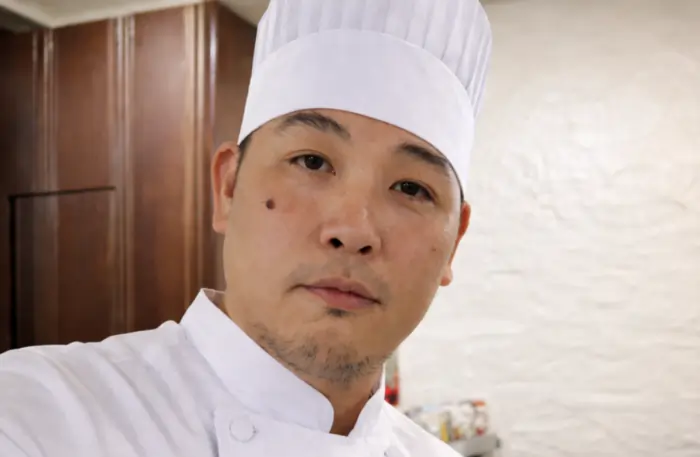
Chef Juan Gadi brings the heart of Filipino hospitality to Ubud, Bali. As an Executive Chef and consultant, he specializes in creating intimate, curated dining experiences that tell a story through every dish. Whether leading the kitchen at Kilig Filipino Warung or hosting a private villa dinner, Chef Juan’s approach is defined by warmth, modern technique, and a commitment to culinary excellence.