Evolution of Event Catering in Luxury Travel Destinations Key Takeaways
The evolution of event catering in luxury travel destinations has moved far beyond the plated dinner or the standard buffet.
- The evolution of event catering in luxury travel destinations now prioritizes personalized, multi-sensory experiences over traditional service formats.
- Luxury travelers expect every meal to be a narrative that connects them to the destination, the chef, and the ingredients.
- Sustainability, technology, and collaboration between chefs, planners, and designers are the new cornerstones of high-end event dining.
What the Evolution of Event Catering in Luxury Travel Destinations Means Today
When I first arrived in Bali, I saw the gap between what travelers expected and what was being offered at large-scale events. The old model—buffet lines, generic menus, and standardized service—was no longer enough. The evolution of event catering in luxury travel destinations is defined by a shift from passive dining to active participation. Guests no longer just eat; they engage, learn, and remember. This is especially true in destinations like Ubud, where the natural beauty, culture, and ingredients offer a canvas for creativity. For a related guide, see 8 Catering Trends Shaping Modern Gatherings.
The Shift from Traditional Catering to Experiential Dining Experiences
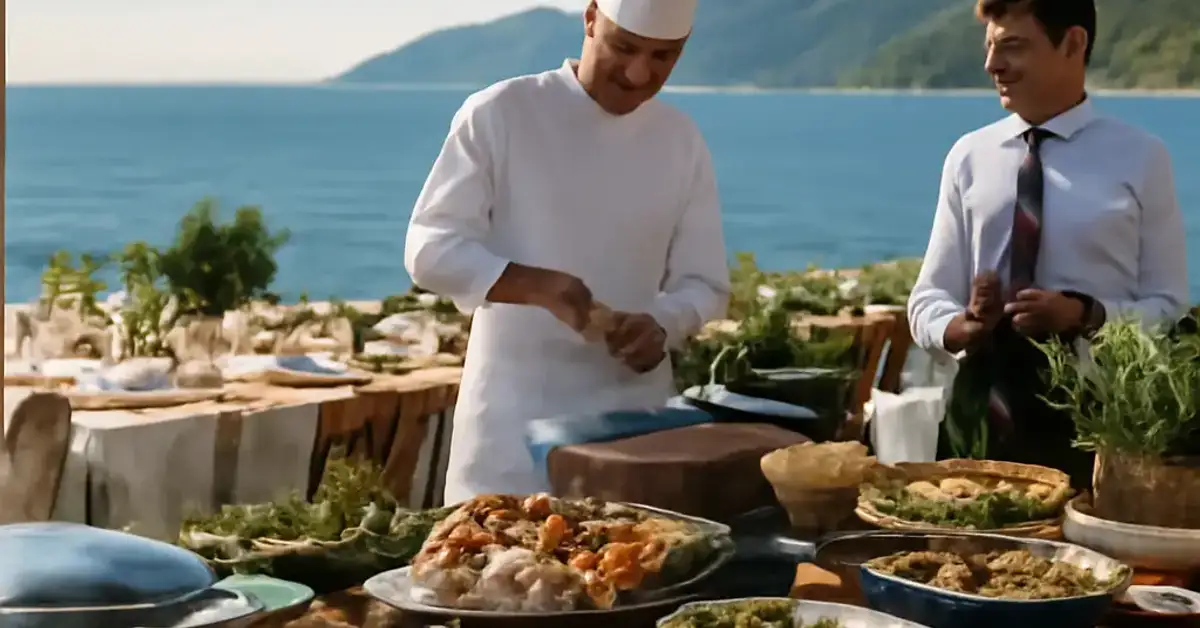
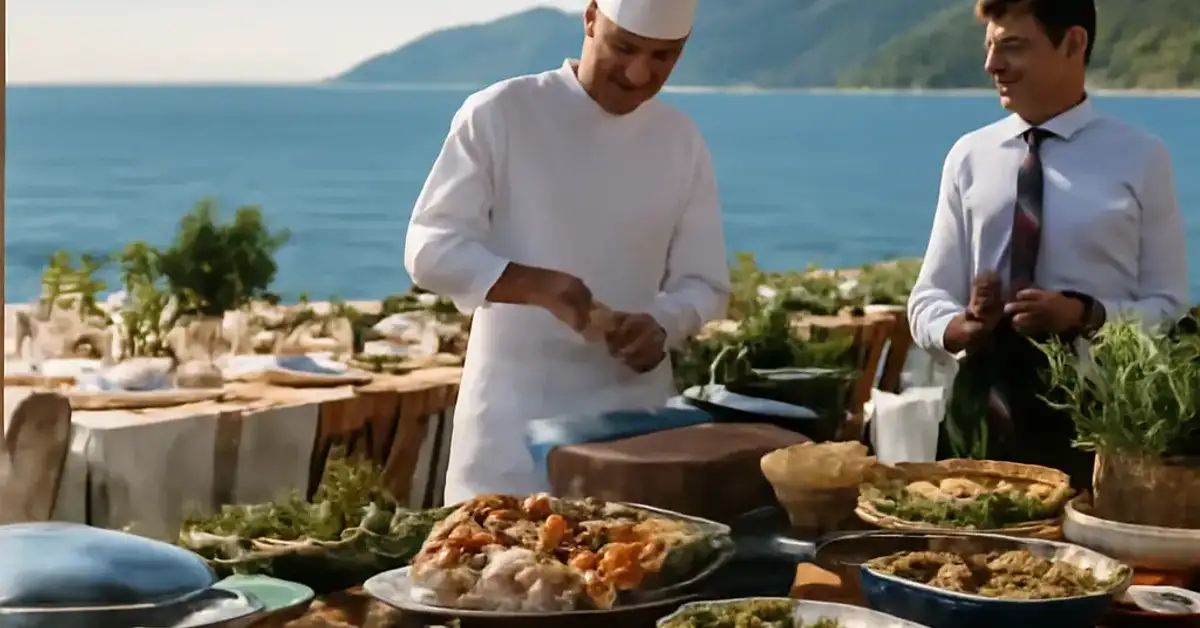
The most dramatic change in the event catering evolution is the move toward experiential dining. Instead of simply serving food, we create moments. At a private villa dinner I recently curated, guests harvested herbs from the garden before the meal, watched the cooking process in an open kitchen, and then sat down to a seven-course menu that told the story of each ingredient’s journey from farm to plate. This is the new standard for luxury event catering.
This transformation is driven by a deeper understanding of luxury travel dining. High-net-worth travelers and their event planners are no longer impressed by opulent decorations alone. They seek authenticity, connection, and surprise. Destination events now require a narrative thread that ties the location, the culture, and the cuisine together.
The Rise of Curated and Immersive Culinary Events in High-End Tourism
High-end catering has evolved into a form of culinary tourism. In Bali, this means integrating the island’s rich traditions with global techniques. For a recent corporate retreat, I designed a menu that featured local heirloom rice, sustainably caught fish, and spices from a nearby market, all presented with modern plating techniques. The result was a meal that felt both exotic and familiar, luxurious and grounded.
How Luxury Destinations Like Bali Redefine Event Dining Standards
Bali has become a laboratory for the evolution of event catering in luxury travel destinations. The island’s luxury hospitality scene is incredibly competitive, pushing chefs and planners to innovate constantly. We are redefining wedding catering trends by offering interactive stations where guests can create their own satay skewers or watch a chef shave fresh truffles over a risotto. The emphasis is on gourmet event food that is both visually stunning and deeply flavorful.
This shift is not just about food. The importance of ambiance, venue design, and culinary pairing in luxury catering cannot be overstated. A meal served in a rice terrace at sunset, with a soundtrack of live gamelan music, becomes a multi-sensory experience. The transition from buffet-style service to interactive dining formats is a direct response to guests’ desire for engagement.
Why Personalization Is the Heart of Modern Luxury Catering
Personalization is the single most important trend in bespoke catering. Every client who books a private dining luxury experience wants it to reflect their unique story. Whether it is a couple celebrating an anniversary or a brand hosting a product launch, the menu must be a mirror of their identity.
Integration of Local Culture and Global Cuisine in Luxury Menus
One of my favorite experiences involved creating a menu for a family from Tokyo. They wanted the warmth of Filipino hospitality combined with the precision of Japanese kaiseki. We served a lechon kawali glazed with sake and miso, paired with a local Balinese lawar salad. This fusion of chef curated menus that respect both worlds is what makes destination weddings catering so exciting. It is about finding the harmony between local culture and global cuisine.
Importance of Exclusivity and Customization in Luxury Hospitality
Exclusivity and customization are non-negotiable in luxury hospitality. When I work with clients, I start with a deep discovery session. What are their favorite flavors? Do they have dietary restrictions? What memories do they want to create? This information helps me design a menu that feels like it was made just for them—because it was. The growth of chef-driven and storytelling-based dining experiences is a direct result of this demand for personal connection.
The Role of Hospitality Innovation in Elevating Guest Expectations
Hospitality innovation is what separates a good event from a transformative one. The evolution of event catering in luxury travel destinations relies on tools and techniques that were unheard of a decade ago. From edible flowers grown on-site to tables that incorporate projection mapping, the bar is constantly rising.
Integration of Technology in Modern Event Dining Experiences
Technology plays a subtle but powerful role. At a recent event, we used QR codes on the menu that linked to a video of the fisherman who caught the day’s snapper. This integration of technology deepened the guest’s appreciation for the meal. Similarly, how technology is changing event dining experiences is evident in the use of data to track preferences and dietary needs across multi-day events. It allows for a seamless, personalized journey without being intrusive.
Use of Premium Ingredients and Artistic Food Presentation in Luxury Events
The use of premium ingredients is a given, but how they are presented matters more than ever. Artistic food presentation is not just about looking beautiful on Instagram—though that helps. It is about creating a visual story that primes the palate. For a recent fine dining events in a cliff-top villa, I used a black slate plate to contrast with the vibrant colors of heirloom tomatoes, edible flowers, and gold leaf. The dish was a feast for the eyes before the first bite.
The influence of social media on luxury event food aesthetics is undeniable. Guests want dishes that are “Instagrammable,” but more importantly, they want to capture a moment of genuine beauty. As a chef, I design plates with the knowledge that a camera will likely meet them before a fork does. This has raised the standard for luxury food experiences across the board.
How Destination Weddings and Corporate Events Drive Catering Innovation
Two segments are pushing the evolution of event catering in luxury travel destinations the hardest: destination weddings and high-end corporate events. Both demand a level of polish and creativity that forces caterers to innovate constantly.
The Increasing Demand for Private Dining and Bespoke Catering Experiences
For destination weddings, the couple’s vision is paramount. I recently coordinated a five-day wedding event where every meal was different. The welcome dinner was a beachside barbecue with grilled lobsters and whole suckling pig. The rehearsal dinner was a formal private dining luxury experience under the stars. The wedding reception itself featured a live ceviche station and a dessert bar with liquid nitrogen ice cream. The increasing demand for private dining means that standard wedding packages are no longer enough. Every detail must be bespoke.
Corporate events, on the other hand, often focus on team building and brand alignment. I have designed menus that reflect a company’s core values—sourcing ingredients from women-owned farms, or creating a zero-waste meal that aligns with a sustainability pledge. These event planning luxury experiences require collaboration between chefs, planners, and designers for curated events that feel cohesive and intentional.
Sustainability: The New Luxury Standard
Sustainable luxury catering is no longer an option; it is an expectation. Luxury travel experiences today are defined by their emphasis on local sourcing and sustainability. Guests want to feel good about what they are eating and where it came from.
Rise of Wellness-Focused and Sustainable Luxury Catering Trends
I have always believed that the best ingredients are those that were grown or harvested with care. In Bali, this means partnering with local farmers, fishermen, and foragers. For a recent wellness retreat, I created a menu that was entirely plant-based, gluten-free, and sugar-free—but still indulgent. We used coconut sugar, local jackfruit “pulled pork,” and fermented vegetables. The rise of wellness-focused menus has pushed me to experiment with techniques like fermentation, dehydrating, and sous-vide to extract maximum flavor without adding fat or sugar.
This commitment to sustainable catering is deeply tied to the evolution of event catering in luxury travel destinations. A destination like Bali cannot afford to ignore its environmental footprint. Every ingredient sourced locally is a statement of care for the island and its people.
Growing Emphasis on Local Sourcing and Sustainability in High-End Catering
There is a growing expectation that high-end catering will be transparent about its supply chain. Guests ask questions: Where was the fish caught? Who grew the vegetables? How was the coffee roasted? Being able to answer those questions with a story adds immense value. It transforms the meal from a transaction into an experiential dining journey that honors the destination.
How Food Becomes a Central Part of Luxury Travel Storytelling
The ultimate goal of the evolution of event catering in luxury travel destinations is to make food a central character in the story of the journey. Guests do not just remember the taste of the dish; they remember the context, the emotion, and the connection.
Collaboration Between Chefs, Planners, and Designers for Curated Events
Creating these moments requires a dream team. The collaboration between chefs, planners, and designers for curated events is essential. I work closely with florists who understand which flowers are edible, with lighting designers who set the mood, and with musicians who time their performance to the rhythm of the meal. Every element must harmonize. The result is an evolution of event catering that becomes a multi-sensory, unforgettable experience.
This transformation of catering into a multi-sensory experience is what keeps me passionate about my work. When a guest tells me that a dish reminded them of their grandmother’s cooking, or that a flavor transported them back to a childhood memory, I know we have succeeded. That is the power of luxury travel dining at its best.
Future Trends in Luxury Event Catering and Experiential Tourism
Looking ahead, the future trends in luxury event catering and experiential tourism promise even deeper personalization and sensory immersion. I see a rise in hyper-local ingredients that are foraged by the guests themselves, AI-assisted menu recommendations based on genetic taste profiles, and even more seamless integration of virtual reality previews for event planning.
Evolution of Guest Expectations Toward Experiential and Memorable Dining
As travelers become more sophisticated, their expectations will continue to rise. The evolution of guest expectations toward experiential and memorable dining means that caterers must stay ahead of the curve. The role of cultural authenticity in luxury event menus will become even more critical. Guests do not want a watered-down version of local cuisine; they want the real thing, elevated by world-class technique. For a related guide, see The Growing Demand for Personalized Event Menus in Bali.
For me, the journey is just beginning. Every event is an opportunity to learn, to innovate, and to tell a new story through food. The evolution of event catering in luxury travel destinations is not a trend; it is a permanent shift in how we think about food, travel, and human connection.
Useful Resources
For further reading on how destinations like Bali are transforming luxury catering, explore the insights from Gourmet Pro Travel’s analysis on experiential dining trends. Additionally, the Global Luxury Hospitality Report on event catering evolution offers detailed data on personalization and sustainability in high-end events.
Frequently Asked Questions About evolution of event catering in luxury travel destinations
How has event catering evolved in luxury travel destinations?
The evolution of event catering in luxury travel destinations has shifted from standardized buffets to personalized, experiential dining that tells a story and engages all the senses, often incorporating local culture and premium ingredients.
What is experiential catering?
Experiential catering is a style of dining where the meal is designed to be an immersive event, involving interactive food stations, chef storytelling, and a deep connection to the destination, moving beyond mere consumption to active participation.
Why is luxury catering becoming more personalized?
Luxury travelers now expect private dining luxury and bespoke catering that reflects their personal tastes, dietary needs, and the unique narrative of their event or journey, making personalization a key driver of luxury hospitality.
How do luxury hotels design event dining experiences?
Luxury hotels collaborate with chef curated menus designers, and planners to create luxury food experiences that integrate ambiance, venue design, and culinary pairing, often showcasing local culture and global cuisine to surprise and delight guests. For a related guide, see Why Food Is Often the Highlight of Any Celebration: 7 Chef Secrets for Event Planners.
What are trends in high-end catering?
Key trends include sustainable luxury catering, wellness-focused menus, interactive dining formats, artistic food presentation, and the use of technology to enhance storytelling, all part of the broader event catering evolution.
How does food enhance luxury events?
Food serves as the centerpiece of destination events, creating emotional connections and memories. Well-crafted gourmet event food can elevate the overall atmosphere and make the event unforgettable.
Why is presentation important in luxury catering?
Artistic food presentation is crucial because it primes the palate, adds visual beauty to the event, and meets the influence of social media on luxury event food aesthetics, making dishes shareable and memorable.
How do chefs create bespoke event menus?
Chefs begin with a deep client consultation to understand tastes, dietary needs, and the event’s purpose. They then design chef curated menus that blend local ingredients with global techniques, ensuring each dish is unique and personal.
What role does sustainability play in luxury catering?
Sustainable luxury catering is now a baseline expectation. It involves local sourcing, zero-waste practices, and transparency about ingredients, which appeals to the values of modern luxury travelers and strengthens the destination’s cultural authenticity.
How is technology changing event dining experiences?
Technology is used subtly, such as QR codes linking to ingredient origin stories, data tracking for personalization, and projection mapping for ambiance. The integration of technology enhances the story without overpowering the human element.
What is the difference between traditional and modern luxury catering?
Traditional catering focuses on quantity and standardized service, while the evolution of event catering in luxury travel destinations emphasizes quality, personalization, and experiential dining that tells a story and engages all senses.
How do destination weddings benefit from culinary trends?
Destination weddings leverage destination weddings catering trends like live cooking stations, local ingredient showcases, and multi-day private dining luxury experiences, making the celebration unique and deeply connected to the location.
What are chef-driven dining experiences?
Chef-driven and storytelling-based dining experiences are where the chef’s personal story, technique, and relationship with ingredients take center stage, often involving direct interaction with guests during the fine dining events.
How do I choose a luxury caterer for my event?
Look for caterers who specialize in luxury event catering, have experience with destination events, and demonstrate a clear philosophy around bespoke catering and personalization. Ask for examples of chef curated menus.
What is the future of event catering in tourism?
The future trends in luxury event catering and experiential tourism point to hyper-personalization, AI-assisted menu design, deeper cultural immersion, and a continued emphasis on sustainable luxury catering and wellness.
How do I incorporate local culture into a luxury menu?
Work with a chef who understands local culture and global cuisine and can source authentic ingredients. The role of cultural authenticity in luxury event menus is to honor traditions while applying modern techniques for a refined experience.
What is multi-sensory dining?
Transformation of catering into a multi-sensory experience means engaging sight, sound, touch, smell, and taste simultaneously, often through carefully designed ambiance, music, and interactive elements alongside the food.
Can luxury catering be sustainable?
Absolutely. Sustainable luxury catering focuses on quality over quantity, local sourcing, and waste reduction. It is a hallmark of modern luxury travel experiences and is highly valued by discerning guests.
How do I create a memorable event menu?
Focus on the story of the ingredients and the destination. Use premium ingredients and artistic food presentation, and ensure the menu aligns with the evolution of event catering in luxury travel destinations by prioritizing personalization and interactivity.
What should I expect from a luxury catering consultation?
A thorough consultation will explore your tastes, event theme, and goals. The caterer will propose chef curated menus that integrate private dining luxury elements and may include a tasting session to ensure every detail meets your expectations.
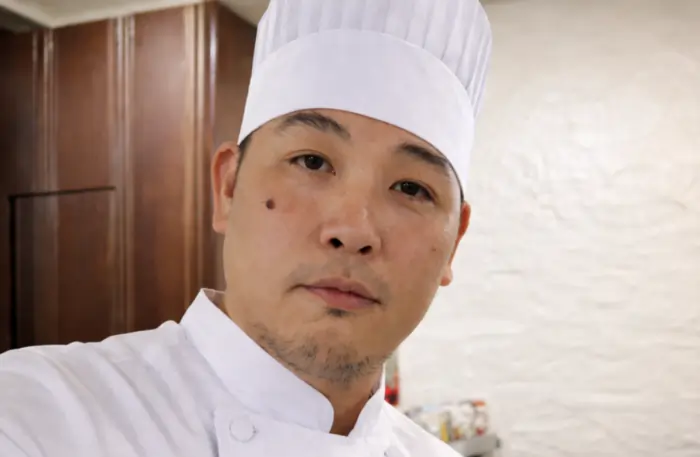
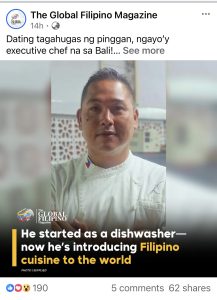
Chef Juan Gadi brings the heart of Filipino hospitality to Ubud, Bali. As an Executive Chef and consultant, he specializes in creating intimate, curated dining experiences that tell a story through every dish. Whether leading the kitchen at Kilig Filipino Warung or hosting a private villa dinner, Chef Juan’s approach is defined by warmth, modern technique, and a commitment to culinary excellence.