Curated Menus Elevate Private Gatherings Key Takeaways
A curated menu transforms a simple meal into an immersive narrative where every dish reflects the host’s personality, the event’s theme, and the guests’ preferences.
- How curated menus elevate private gatherings by weaving personal stories and local ingredients into every course.
- Personalized menus boost guest engagement and satisfaction, making each attendee feel seen and valued.
- Chefs like Juan Gadi act as storytellers, using bespoke catering to reflect host identity and event narrative.
What Readers Should Know About How Curated Menus Elevate Private Gatherings
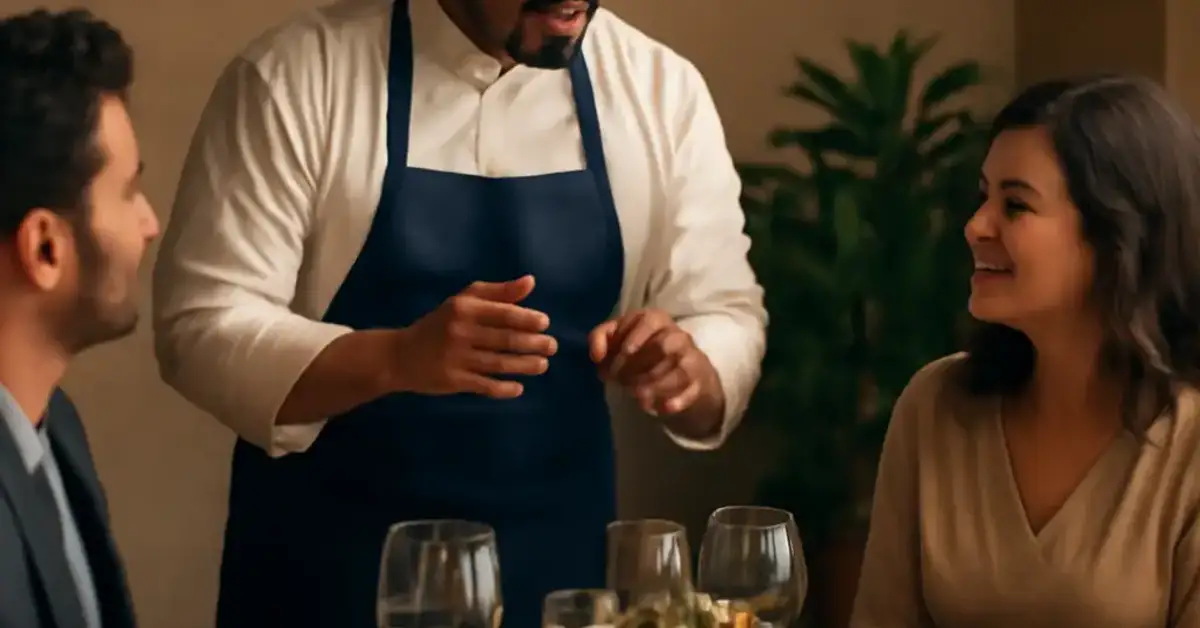
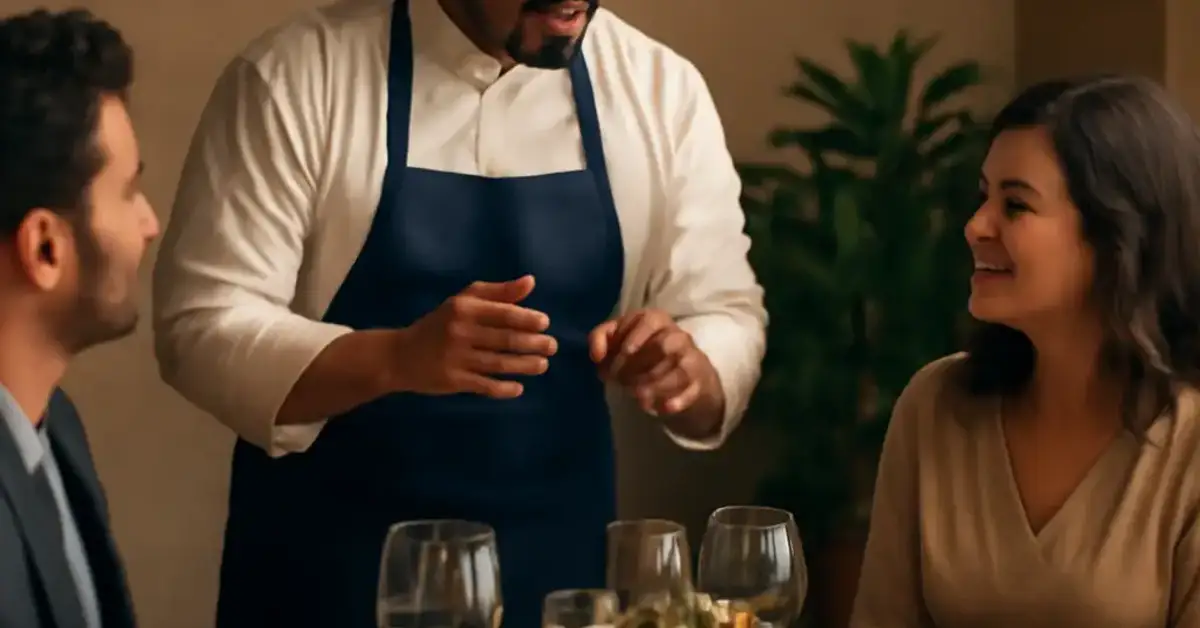
When you plan a private event—whether a milestone birthday, an anniversary dinner, or an exclusive corporate retreat—the food you serve does more than fill stomachs. It sets the emotional tone, sparks conversation, and leaves a lasting imprint on memory. How curated menus elevate private gatherings is a question at the heart of modern event planning, and the answer lies in intentionality.
A curated menu is not a list of dishes; it is a carefully orchestrated dining experience design. Every ingredient, plating technique, and flavor progression is chosen to align with the gathering’s purpose. Chef Juan Gadi, whose work in Ubud centers on Filipino warmth and modern technique, explains: “When I design a menu for a private villa dinner, I start with the guest. Their story, their likes, their dietary needs—everything flows from there.” This approach turns luxury gatherings into personal journeys.
The importance of menu design in shaping event atmosphere cannot be overstated. A menu that feels generic diminishes the sense of occasion; one that feels bespoke elevates it. Research from the Journal of Hospitality and Tourism Management confirms that personalized dining experiences significantly increase positive guest emotions and perceived event quality.
The Role of Personalization: Dietary Customization and Chef as Storyteller
How chefs tailor dishes to guest preferences and themes is the cornerstone of a successful curated menu. In private dining, the chef works directly with the host—often weeks in advance—to learn about every attendee. Food allergies, religious restrictions, and personal dislikes are documented. But personalization goes deeper than avoiding allergens.
Chef Juan Gadi recalls a recent event where a couple wanted to celebrate their love for travel. “They had visited Japan, Italy, and the Philippines together. So I built a tasting menu that moved through those cuisines—miso-glazed scallops, handmade agnolotti, then adobo with a Balinese twist. Each course carried a memory.” That is culinary storytelling in action: the menu becomes a narrative arc that guests experience together.
The importance of dietary customization and inclusivity in menu planning has grown as events become more diverse. Hosts now expect private chef services to accommodate vegan, gluten-free, keto, and other needs without sacrificing elegance. A well-crafted personalized menu ensures no guest feels left out. In fact, the impact of bespoke menus on guest satisfaction and engagement is measurable: a study by the International Journal of Contemporary Hospitality Management found that guests at customized dining events reported 35% higher satisfaction scores than those at standard buffet affairs.
Chefs as Storytellers in Private Dining
The role of chefs as storytellers in private dining transforms a meal into an art form. In luxury dining experiences, each plate carries a message. Chef Juan explains, “When I serve kinilaw (Filipino ceviche) in a Balinese bamboo pavilion, I am telling a story of two islands—the Philippines and Bali—meeting in one dish.” The connection between storytelling and curated culinary experiences is what separates memorable events from forgettable dinners.
This narrative approach also influences food presentation. Plating is not just about beauty; it is about communication. A dish that mimics the shape of a local volcano or uses edible flowers from the host’s garden connects guests to the place and purpose of the gathering. How curated food experiences enhance emotional connection among guests often starts with the visual story on the plate. For a related guide, see 11 Food Presentation Ideas That Elevate Celebrations.
Design and Atmosphere: Presentation, Pairing, and Venue Harmony
The influence of presentation and plating on private event ambiance is immediate. Guests eat with their eyes first, and a beautifully plated course signals care and sophistication. For fine dining events held in private homes or villas, the plate becomes part of the decor. Chef Juan Gadi uses ceramic vessels from local Ubud artisans, adding texture and authenticity. “The plate should feel like it belongs in the room,” he says.
Importance of pairing food with ambiance and venue design means every sensory element must harmonize. The clink of glassware, the scent of lemongrass drifting from the kitchen, the dim candlelight—all are part of the dining experience design. A multi-course tasting experience allows the chef to control the rhythm of the evening. Each course arrives like a new scene in a play, building anticipation and keeping energy alive.
The integration of local ingredients into personalized menus grounds the event in its locale. In Bali, Chef Juan sources heirloom rice from Tabanan, sea salt from Amed, and tropical fruits from village markets. These ingredients not only taste fresher but also carry a story of place. Destination dining thrives on this principle: guests feel they are tasting the region, not just a recipe.
The Sensory Experience
Importance of sensory experiences in elevating events goes beyond taste. The sound of a sizzling pan, the warmth of a hand-thrown bowl, the vibrant green of a pesto drizzle—every detail matters. Experiential dining activates all five senses, making the meal unforgettable. Chef Juan Gadi sometimes finishes a dish tableside, pouring a hot broth over raw fish so guests can see and hear the transformation. That moment becomes a shared memory.
Social Bonding and Guest Engagement
How food enhances conversation and social bonding is one of the most undervalued aspects of event catering. A shared plate, a surprising flavor combo, a course that requires a story—each sparks dialogue. Curated menus are designed to facilitate interaction. Passed appetizers encourage mingling. Interactive courses (like DIY taco bars or hot-stone cooking) break the ice. Family-style multi-course tasting experiences keep everyone at the table engaged.
The impact of exclusivity on guest perception and enjoyment is powerful. When guests know the menu was created just for them—with their tastes and dietary needs in mind—they feel valued. That feeling translates into deeper emotional connection. How curated menus reflect host personality and event identity also matters. A host who loves travel, art, or sustainability can see those passions mirrored in the food. “When a host serves a dish that reminds them of their grandmother,” Chef Juan says, “the whole table feels that love.”
Connection between food aesthetics and social media sharing has become a modern driver of guest experience. Beautifully plated dishes beg to be photographed. Guests share them, tagging the host and chef, and the event lives on beyond the evening. For corporate hosts and destination event organizers, this organic promotion is invaluable.
Trends and Future Outlook in Private Curated Dining
Future trends in private curated dining experiences point toward even deeper personalization and sensory immersion. The rise of private chef dining for exclusive gatherings shows no sign of slowing. More families and couples are choosing a chef-led experience over a restaurant reservation. Cultural fusion cuisine is also gaining traction, as hosts seek menus that reflect blended heritages or global travels.
The growing demand for experiential dining at private celebrations means chefs must innovate constantly. Interactive elements—such as tableside mixology, live fire cooking, or edible art installations—are becoming standard. Luxury hospitality brands are training their chefs to design not just menus, but entire event narratives. High-end catering is evolving into a form of performance art.
How customization increases memorability of gatherings is backed by psychology. When people participate in choosing or creating their food, they remember the event more vividly. Personalized menus that include handwritten notes, dishes named after guests, or ingredients from the host’s garden deepen that connection. The role of luxury hospitality in private dining experiences will continue to emphasize warmth, exclusivity, and authenticity over mere opulence. For a related guide, see How Curated Menus Bring Life to Special Occasions.
Useful Resources
For more insights on private dining and dining experience design, explore these credible sources:
- International Journal of Contemporary Hospitality Management – The effect of customized menus on guest satisfaction
- Journal of Hospitality and Tourism Management – Emotional impact of personalized dining
Frequently Asked Questions About how curated menus elevate private gatherings
What is a curated menu for private events ?
A curated menu for private events is a thoughtfully designed selection of dishes tailored to the host’s vision, the event’s theme, and the guests’ dietary preferences. Unlike standard catering, it emphasizes storytelling, seasonality, and personalization, often crafted by a private chef who works closely with the host.
How do curated menus improve gatherings?
Curated menus improve gatherings by creating a cohesive narrative that engages guests emotionally and intellectually. They encourage conversation, reflect the host’s identity, and turn a meal into a memorable experience. This is exactly how curated menus elevate private gatherings beyond ordinary dinners.
Why are personalized menus popular for events?
Personalized menus are popular because they make every guest feel valued. They accommodate diverse dietary needs, reflect the host’s personality, and offer a sense of exclusivity. In the age of experiential dining, guests crave unique, tailored experiences rather than one-size-fits-all catering.
How do chefs design private dining menus?
Chefs design private dining menus by first consulting with the host to understand the event’s purpose, guest list, dietary restrictions, and preferred flavors. They then research local seasonal ingredients, create a multi-course flow, and test presentations that align with the venue’s ambiance. The role of chefs as storytellers ensures each dish has meaning.
What makes private dining special?
Private dining is special because it offers exclusivity, intimacy, and full customization. Guests enjoy a meal designed only for them, in a setting that feels personal rather than commercial. The luxury dining experience is elevated by the chef’s direct attention and the ability to adapt in real-time.
How does food influence guest experience ?
Food influences guest experience by setting the emotional tone, stimulating conversation, and creating lasting memories. A well-executed curated menu can evoke nostalgia, surprise, and delight, directly impacting how guests perceive the event and the host. Guest experience is shaped by every bite.
Why is customization important in event catering ?
Customization in event catering ensures that every guest feels included and that the menu aligns with the event’s theme. It avoids the disappointment of dietary exclusions and allows the host to express their identity. Menu customization is a key driver of the impact of bespoke menus on guest satisfaction.
How do curated menus reflect event themes?
Curated menus reflect event themes through ingredient choices, plating styles, flavor profiles, and dish names. For example, a tropical garden party might feature coconut-cured fish and passionfruit desserts, while a rustic winter gathering could highlight slow-braised meats and root vegetables. This dining experience design reinforces the event’s visual and emotional identity.
What are trends in private dining experiences?
Current trends in private dining experiences include cultural fusion menus, interactive cooking stations, tableside presentations, sustainable sourcing, and hyper-personalization. The rise of private chef dining for exclusive gatherings continues, along with demand for destination dining that showcases local terroir and artisan producers.
How does presentation affect private gatherings?
Food presentation affects private gatherings by creating visual impact and signaling the level of care invested. Elegant plating can elevate a simple dish to art, enhancing the overall event planning aesthetic and encouraging social media sharing. The influence of presentation and plating on private event ambiance is immediate and lasting.
What is the role of local ingredients in personalized menus ?
The integration of local ingredients into personalized menus adds freshness, authenticity, and a sense of place. For Chef Juan Gadi, using Balinese spices and Filipino heirloom rice connects guests to the region’s culture. It also supports local farmers and reduces the carbon footprint of the event.
How do curated menus enhance emotional connection among guests?
How curated food experiences enhance emotional connection among guests works by creating shared moments of discovery and delight. A dish that surprises or a flavor that sparks a memory becomes a topic of conversation, bonding the group. Family-style service or shared plates further encourage interaction.
What is the importance of multi-course tasting menus?
The importance of multi-course tasting experiences in intimate settings lies in the journey they create. Each course builds on the previous one, maintaining excitement and allowing the chef to showcase a range of flavors and techniques. It also paces the evening, giving guests time to connect between courses.
How does food enhance conversation and social bonding?
How food enhances conversation and social bonding is seen when guests discuss flavors, share bites, or react together to a tableside preparation. Curated menus designed with interactive elements or surprising combinations naturally generate dialogue, strengthening relationships.
What is the impact of exclusivity on guest perception?
The impact of exclusivity on guest perception and enjoyment is significant. When guests know the menu was created only for them, they feel privileged and appreciated. This enhances their overall hospitality experiences and makes the event feel more special and intentional.
How do chefs tailor dishes to dietary restrictions?
Chefs tailor dishes to dietary restrictions by first gathering detailed information from guests, then reimagining classic recipes without compromising flavor or presentation. For example, a dairy-free course might use cashew cream or coconut milk. Private chef services excel at this level of customization.
What is the connection between food aesthetics and social media?
The connection between food aesthetics and social media sharing is strong. Visually striking dishes are more likely to be photographed and posted, giving the event organic exposure. For luxury gatherings, shareable content also serves as digital keepsakes for hosts and guests.
Why is sensory experience important in events?
The importance of sensory experiences in elevating events is that they create deeper, more emotional memories. Engaging sight, smell, taste, sound, and touch makes the event immersive. Experiential dining relies on these sensory layers to transform a meal into a memorable event.
How do curated menus transform simple gatherings?
How curated menus transform simple gatherings into memorable experiences is by infusing intention into every detail. A well-planned menu takes a casual dinner and gives it narrative, emotion, and beauty. Guests leave feeling they were part of something unique and personal.
What are future trends in private curated dining?
Future trends in private curated dining experiences include AI-assisted menu planning, virtual chef consultations for remote locations, zero-waste cooking, and immersive multisensory dining (e.g., pairing dishes with music or scents). The role of luxury hospitality will continue to prioritize authenticity, sustainability, and deep personalization.
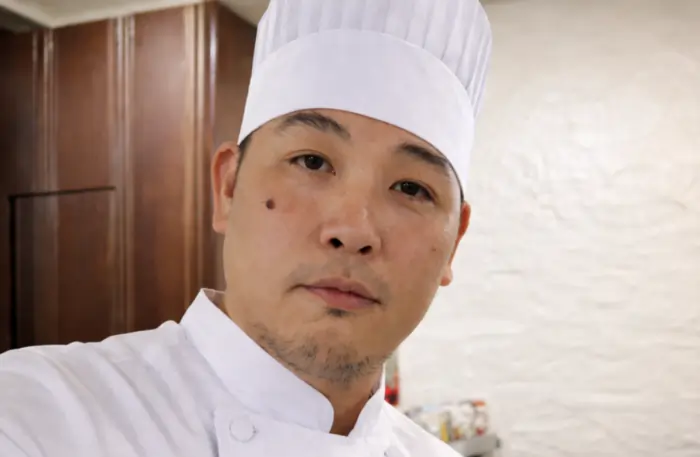
Chef Juan Gadi brings the heart of Filipino hospitality to Ubud, Bali. As an Executive Chef and consultant, he specializes in creating intimate, curated dining experiences that tell a story through every dish. Whether leading the kitchen at Kilig Filipino Warung or hosting a private villa dinner, Chef Juan’s approach is defined by warmth, modern technique, and a commitment to culinary excellence.