
Why Modern Celebrations Prioritize Experiences Key Takeaways
Today’s hosts and planners are redefining celebration by swapping rigid, formal scripts for emotionally rich, interactive gatherings.
- Guests increasingly choose immersive, experiential events because they create stronger emotional bonds and longer-lasting memories than traditional formal affairs.
- From wedding trends to destination events , modern couples and corporate organizers are blending food, storytelling, and interactive elements to design celebrations that feel personal and alive.
- Understanding Why Modern Celebrations Prioritize Experiences is essential for any event planner, venue owner, or hospitality professional who wants to meet the expectations of today’s experience-hungry audiences.

What Is Driving the Shift From Formality to Experience in Modern Celebrations?
Not long ago, a milestone event — a wedding, a milestone birthday, a corporate gala — followed a predictable blueprint. Cocktail hour. Seated dinner. Speeches. Cake cutting. Dancing. The rhythm was almost liturgical. Today, that same gathering might unfold as a beachfront sunset ceremony, a chef-led tasting journey, or an art-filled warehouse where guests co-create the evening’s narrative. Why modern celebrations prioritize experiences over formality reflects deeper changes in how we define value, connection, and joy. For a related guide, see 8 Catering Trends Shaping Modern Gatherings.
The shift didn’t happen overnight. It grew from a cultural appetite for authenticity, a digital world that amplifies unique moments, and a post-pandemic desire to truly be together. As Chef Juan Gadi, an Executive Chef based in Ubud, Bali, often observes when crafting private villa dinners: “People no longer want to sit and be served. They want to be part of the story. They want to taste, touch, laugh, and feel something real.” That philosophy now drives everything from intimate dinner parties to luxury celebrations around the globe. For a related guide, see The Growing Demand for Personalized Event Menus in Bali.
For event planning trends, this means moving away from one-size-fits-all agendas. The focus is on human connection and emotional experiences — and that demands a different kind of design thinking.
The Emotional Payoff of Experiential Events
Research in hospitality and psychology consistently shows that guest experience is directly linked to satisfaction and memory retention. When a celebration includes interactive elements — a hands-on cooking station, a collaborative art project, a moment of shared storytelling — the emotional investment spikes. Those moments become the stories guests tell long after the event ends. For a related guide, see Why Food Is Often the Highlight of Any Celebration: 7 Chef Secrets for Event Planners.
Chef Juan recalls a recent villa dinner where guests harvested herbs from the garden before the meal. “One guest told me it was the first time she felt connected to what she ate. That connection — that experience — is the new luxury,” he says. It’s that shift from being an observer to being a participant that defines why modern celebrations prioritize experiences.
The Rise of Immersive and Themed Event Experiences
One of the most visible signs of the experience-first movement is the explosion of immersive experiences. These events create an alternate world where every detail — lighting, sound, scent, taste — reinforces a central narrative. Think of a wedding styled as a 1920s speakeasy, a corporate retreat that becomes a culinary journey through Southeast Asia, or a birthday dinner set inside a tropical greenhouse.
These aren’t just decorations; they are sensory portal. The goal is to transport guests into a story. This is event design at its most ambitious — and most rewarding. For event planners and wedding planners, mastering the art of immersion means moving beyond visual beauty into all five senses.
The Role of Hospitality Innovation in Shaping Experiential Celebrations
The hospitality industry has been a powerful catalyst for this change. Hotels, resorts, and private venues have moved from passive hosting to active experience curation. In Bali, where Chef Juan works, destination venues are designed from the ground up to facilitate connection: open kitchens where chefs interact with diners, lush gardens that double as performance spaces, and multi-sensory dining rooms that evolve as the evening progresses.
Innovations in event catering also reflect this shift. Interactive stations, chef’s table concepts, and family-style sharing plates have replaced stiff buffet lines. This is experiential dining — eating that engages, surprises, and delights.
How Social Media Accelerates the Experience-First Mindset
It’s impossible to talk about social events trends without acknowledging the influence of digital culture. Instagram, TikTok, and Pinterest have democratized inspiration; a couple in Jakarta can now draw ideas from a wedding in Tuscany or a birthday dinner in Tokyo. This has raised expectations. Social media influence rewards the visually unique, the emotionally resonant, and the highly shareable.
But the deeper impact isn’t about vanity — it’s about validation. When guests attend an experiential event, they become co-creators of content. They capture, they share, and in doing so, they amplify the celebration’s emotional reach. An event that offers photo-worthy moments, interactive surprises, and personal touches earns a second life online. That digital afterlife matters to modern hosts, who increasingly see their event as both a private gathering and a creative statement.
Why Personalization Is the New Etiquette
Formal events often rely on a strict “right way” to do things. Personalized events flip that script: the only “right way” is one that reflects the host’s story. Event personalization can be as simple as a cocktail named after a couple’s first pet or as ambitious as a multi-course tasting menu that mirrors a family’s culinary heritage. Chef Juan often collaborates with clients to create dishes that evoke a specific memory — the sambal a grandmother made, the fish they ate on honeymoon. “Food is a vessel for memory,” he says. “When you personalize it, you create an instant emotional bridge.”
This preference for personalization is especially strong among millennials and Gen Z, who prioritize authenticity over formality. They want celebrations that feel like them — not a template. That’s why why modern celebrations prioritize experiences over formality is not just a trend; it’s a generational value shift.
The Decline of Strict Etiquette and the Rise of Relaxed Environments
Many modern celebrations have abandoned strict seating charts, rigid dress codes, and formal program flows. In their place: lounge-style seating, flexible timelines, and an emphasis on comfort. This is not about a lack of respect; it’s about a different kind of respect — one that honors the guest’s autonomy and need for genuine connection.
For luxury celebrations, the new luxury is not stiffness but warmth. A high-end event today might feature a bartender who crafts personalized cocktails while telling stories about each ingredient, or a chef who moves through the room, sharing the inspiration behind each course. This is interactive events design that prioritizes human interaction over protocol.
Cultural Fusion: Blending Traditions to Create New Experiences
Global travel and multicultural relationships have made cultural fusion events increasingly common. A modern wedding might open with a Filipino kamayan feast, followed by an Italian pasta course, with music that weaves gamelan and electronic beats. This blending honors heritage while inviting guests into something new and exciting.
As Chef Juan, who was born in the Philippines and now works in Bali, explains: “Filipino hospitality is naturally experience-focused — it’s about abundance, sharing, and warmth. When I design a dinner, I’m not just cooking dishes. I’m translating that philosophy into a moment that feels both rooted and fresh.” That’s event innovation born from cultural fluency.
The Power of Storytelling in Modern Weddings, Parties, and Corporate Events
Event storytelling is the invisible architecture behind every memorable celebration. It transforms a sequence of activities into a narrative with emotional arc. A corporate product launch becomes a hero’s journey. A wedding becomes a love story told through music, food, and ritual. A birthday dinner becomes a walk through the guest of honor’s life.
For corporate event organizers, storytelling is especially powerful. It creates a shared emotional context that makes every activity feel intentional. Guests no longer want to sit through a presentation; they want to be part of a story that matters to them.
How Food, Entertainment, and Ambiance Create Memorable Experiences
The three pillars of any experiential event are food, entertainment, and atmosphere. They work together like a symphony. Event catering today is expected to be both delicious and theatrical — a ceviche station that demonstrates technique, a dessert that uses liquid nitrogen, a wine pairing that includes a story about the vineyard. Lifestyle celebrations often feature live performances that are interactive, from drum circles to pop-up dance lessons. And the event design — lighting, texture, scent — sets the emotional tone.
Chef Juan’s private dinners in Ubud often begin with guests arriving to the sound of live acoustic music and the scent of lemongrass and coconut. “By the time they sit down, they are already in a different state of mind,” he says. “The experience has already started before the first bite.”
Why Intimate Gatherings Are Replacing Large, Impersonal Events
Another powerful driver behind why modern celebrations prioritize experiences is the move toward smaller, more meaningful gatherings. The pandemic taught us who we truly want around us. Today, many hosts choose to invest deeply in a small group rather than spread resources thinly across a large guest list. Intimate gatherings allow for personalized events where each guest feels truly seen.
This trend is reshaping wedding trends — micro-weddings are now a permanent option, not a compromise. It also influences destination events, where a small group travels together, sharing a multi-day experience that bonds them in ways a one-night ballroom event never could.
The Role of Destination Venues in Shaping Experience-Focused Events
Destinations naturally lend themselves to experiential events. A wedding in Bali, a corporate retreat in the Maldives, a milestone birthday in Tuscany — the setting itself becomes part of the narrative. Destination management companies and hospitality professionals have become expert at designing itineraries that balance activity and relaxation, adventure and ceremony.
Chef Juan often works with guests who select Bali specifically for its spiritual and sensory richness. “They come here to feel something they can’t feel at home,” he says. “My role is to create a dining experience that matches that intention — something that nourishes not just the body, but the spirit.”
Checklist: Designing an Experience-First Celebration
If you are planning an event and want to shift the focus from formality to meaningful experience, use this checklist as a guide. Each item reflects the principles behind why modern celebrations prioritize experiences.
| Design Element | Traditional Approach | Experience-First Approach |
|---|---|---|
| Welcome moment | Greeting table with place cards | Personal welcome drink and host introduction |
| Food service | Plated courses served by staff | Interactive stations or chef-guided tasting menu |
| Entertainment | Band or DJ playing in background | Live experience — cooking demo, art show, or guest participation |
| Seating | Fixed assigned tables | Flexible lounge areas and communal tables |
| Storytelling | Speeches by designated individuals | Narrative woven through food, décor, and shared rituals |
| Personalization | Standard décor and menu | Elements that reflect host’s history, culture, or passions |
| Digital integration | Photo booth (optional) | Curated moments designed for social sharing + real connection |
Advanced Tips for Creating Emotional Experiences That Guests Remember
Once you’ve mastered the basics of event design and experiential events, consider these advanced tactics. They come from real-world practice and reflect the insights of hospitality professionals like Chef Juan, who create emotional experiences every day.
- Design a sensory signature. Use a consistent scent (lemongrass, sandalwood, fresh basil) throughout the event space to anchor memory. The olfactory system is directly linked to emotion.
- Use the element of surprise. Unexpected moments — a sudden acoustic song, a fireworks reveal, a chef appearing to describe a dish — keep guests present and engaged.
- Create a shared ritual. Whether it’s a toast, a hand washing ceremony, or a moment of silence to observe the sunset, rituals build collective emotional experience.
- Empower your staff to connect. Train servers and hosts to share brief stories about the food or the location. Guests remember people, not just objects.
- Include guests in the process. Let them grate cheese, mix a signature cocktail, or write a message on a stone that becomes part of the garden. Participation deepens memory.
Frequently Asked Questions About Why Modern Celebrations Prioritize Experiences
Why are modern celebrations more experience focused?
Modern consumers value authenticity, emotional connection, and unique memories over rigid formality. They want to feel part of something meaningful, not just attend a scripted event.
How have weddings and events changed over time?
Weddings have evolved from predictable, ceremony-driven formats to personalized, experience-first gatherings that include interactive dining, cultural elements, and guest engagement at every stage.
Why do people prefer experiences over formal events?
Because experiences create stronger emotional bonds, generate lasting memories, and offer a sense of participation and inclusion that formal, passive events cannot provide.
What makes experiential events popular?
Experiential events engage multiple senses, encourage interaction, and tell a story. They feel alive and personal, which today’s guests — especially millennials and Gen Z — highly value.
How does social media influence celebrations?
Social media exposes people to global inspiration, raises expectations, and rewards shareable moments. It also turns guests into content co-creators, amplifying the emotional reach of an event.
Why is personalization important in modern events?
Personalization shows guests they are valued and creates a unique emotional resonance. A celebration that reflects the host’s story feels more authentic and memorable.
How do experiences improve guest satisfaction?
Experiences trigger emotional engagement and active participation, which increase satisfaction scores and create lasting positive associations with the host or brand.
What role does storytelling play in events?
Storytelling provides structure and emotional depth, turning a series of activities into a cohesive narrative that guests can connect with and remember.
How are modern celebrations different from traditional ones?
Traditional celebrations prioritize protocol, timing, and formality. Modern celebrations prioritize connection, flexibility, and guest experience, often with less rigid structure and more personalization.
Why are immersive events becoming popular?
Immersive events transport guests into a curated world, offering escape and emotional intensity. They appeal to a generation that values sensory richness and unique, shareable moments.
What is experiential dining ?
Experiential dining goes beyond taste to involve storytelling, interaction, and multisensory elements. It might include chef interaction, theatrical presentation, or a setting that enhances the narrative of the meal.
How can event planners transition to experience-first design?
Start by understanding the host’s story. Then design every touchpoint — food, décor, schedule — to support that narrative. Prioritize interaction, surprise, and personalization over rigid structure.
What is the importance of atmosphere in modern celebrations ?
Atmosphere sets the emotional tone. Lighting, scent, music, and spatial arrangement can make guests feel relaxed, excited, or intimate. It is foundational to event design.
What are examples of interactive events ?
Examples include cooking classes as part of a party, live art creation, communal dining (filipino kamayan, for instance), guest DJ sets, and collaborative dessert decorating stations.
How do food and beverage elements contribute to experiential events ?
Food is a universal emotional trigger. When paired with storytelling, interaction, and surprise, it becomes the centerpiece of memory — more than any décor or schedule.
Are formal events completely dying out?
No. Formal events still have a place in certain contexts (diplomatic, high-ceremony). But even formal events now borrow experiential elements, like interactive dining or personalized touches, to remain relevant.
How can couples incorporate cultural fusion into their wedding?
Cultural fusion events can blend cuisine, rituals, music, and attire from different heritages. Work with a planner or chef who understands both cultures to create a respectful and beautiful blend.
Why are intimate gatherings on the rise?
Intimate gatherings allow for deeper connection, higher quality experiences, and lower stress for hosts. They align with the post-pandemic focus on meaningful relationships over large social circles.
What should hospitality professionals learn from this trend?
That guests value emotional engagement as much as service. Hospitality innovation should focus on creating moments — not just fulfilling tasks. Train staff to connect, and design spaces that invite interaction.
How can I start planning an experience-focused celebration today?
Begin with a conversation about what matters most to the host. Ask: What feeling do you want your guests to leave with? From that answer, design every element — food, flow, entertainment — to support that emotional outcome.
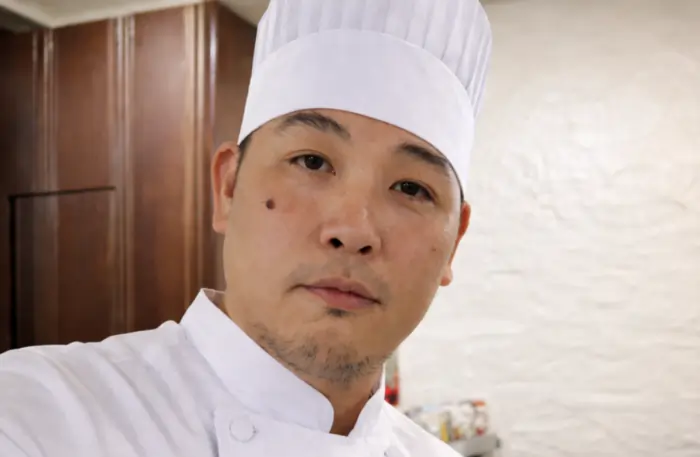
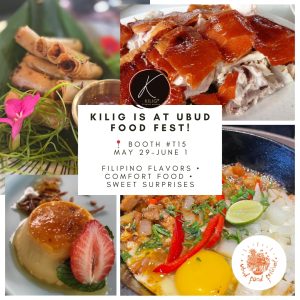
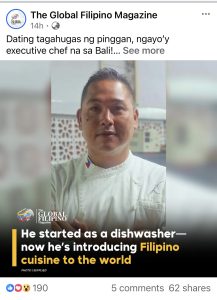
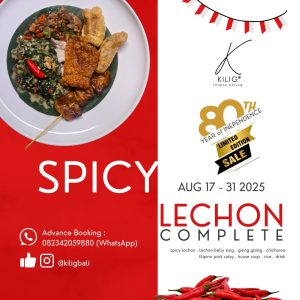
Chef Juan Gadi brings the heart of Filipino hospitality to Ubud, Bali. As an Executive Chef and consultant, he specializes in creating intimate, curated dining experiences that tell a story through every dish. Whether leading the kitchen at Kilig Filipino Warung or hosting a private villa dinner, Chef Juan’s approach is defined by warmth, modern technique, and a commitment to culinary excellence.