Build Your First Authentic Filipino Meal in Bali Key Takeaways
Building your first authentic Filipino meal in Bali is easier than you think, thanks to the island’s abundant tropical produce, fresh seafood, and welcoming local markets.
- The best way to build an authentic Filipino meal in Bali starts with visiting local markets for ingredients like calamansi, coconut milk, and fresh seafood.
- A balanced Filipino meal includes adobo, sinigang, pancit, lumpia, and garlic rice, finished with halo-halo for dessert.
- Local Balinese ingredients—such as tropical vegetables, fresh turmeric, and banana leaves—enhance traditional Filipino recipes and create unique fusion possibilities.
Why Build Your First Authentic Filipino Meal in Bali Is a Culinary Adventure
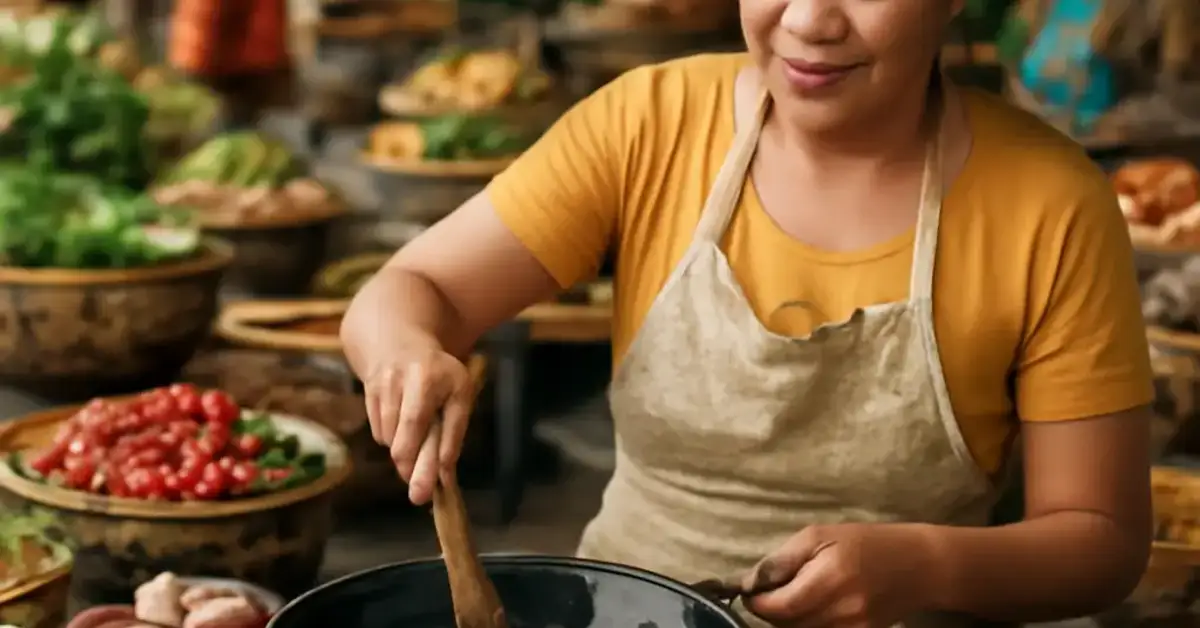
Imagine the scent of garlic and vinegar simmering in a clay pot while palm trees sway outside your kitchen window. That is the magic of preparing a Filipino meal in Bali. For travelers, expats, and digital nomads craving the familiar comfort of Philippine cuisine, Bali offers a surprising playground of Filipino flavors waiting to be rediscovered. The island’s markets overflow with tropical vegetables, fresh seafood, and aromatic herbs that mirror the bounty of the Philippines.
Whether you are a Filipino cooking veteran or a first-timer eager to explore traditional Filipino food, Bali provides an ideal setting. The warm climate, family style dining culture, and abundance of coconut milk, soy sauce, and vinegar make it possible to recreate authentic Filipino food Bali style. Plus, you get to infuse your dishes with Balinese ingredients like torch ginger and kemangi (lemon basil), creating a cross-cultural plate that tells a story of two islands. For a related guide, see Filipino Cuisine Winning Hearts of Bali Travelers: 7 Dishes You Must Try.
Step 1: Stock Your Filipino Pantry in Bali
The foundation of any Filipino meal in Bali is a well-stocked pantry. Fortunately, most Filipino ingredients are available at local supermarkets, specialty stores, and local Bali markets.
Essential Pantry Staples
- Adobo sauce base: soy sauce, vinegar, garlic, bay leaves, and black pepper.
- Sinigang souring agent: tamarind paste (available at Asian grocery stores like Bali Bumbu in Sanur).
- Pancit noodles: bihon (rice vermicelli) or canton (egg noodles) found at Grand Lucky or Pepito Market.
- Lumpia wrappers: spring roll wrappers sold frozen in most supermarkets.
- Garlic rice base: jasmine or medium-grain rice, plenty of garlic, and a splash of calamansi for finishing.
- Coconut milk: fresh or canned—Bali’s markets sell freshly pressed coconut milk at Ubud Market or Badung Market.
- Banana leaves: used for wrapping and steaming, available at traditional markets like Pasar Sindhu in Sanur.
Where to Find Filipino Ingredients in Bali
- Pepito Market (various locations): Imported Filipino goods like Silver Swan soy sauce, Mama Sita’s mixes, and Datu Puti vinegar.
- Bali Bumbu (Sanur and Seminyak): Specializes in Asian and Filipino ingredients, including frozen lechon belly.
- Grand Lucky Supermarket (Kuta, Seminyak): Wide selection of soy sauce, vinegar, and coconut milk.
- Traditional local Bali markets like Pasar Badung (Denpasar) and Ubud Market for fresh seafood, tropical vegetables, and banana leaves.
Step 2: Choose Your Main Dishes
A complete Filipino meal in Bali typically includes a main protein, a soup or stew, noodles, fried rolls, and rice. Here are the classic Filipino dishes to anchor your feast.
Adobo – The National Dish
Adobo is the heart of Filipino cooking. Marinate chicken or pork in soy sauce, vinegar, garlic, bay leaves, and peppercorns, then simmer until tender. In Bali, use free-range chicken from the market and add a touch of local palm sugar for a subtle caramel note. Serve with garlic rice for the ultimate comfort plate.
Sinigang – Sour and Savory Soup
Sinigang is a tamarind-based soup that cuts through the richness of other dishes. Use fresh seafood like prawns or fish from Bali’s coast, plus tropical vegetables like water spinach, radish, and eggplant. If tamarind is hard to find, Balinese sour fruit (belimbing wuluh) makes an excellent substitute.
Pancit – Noodles for Long Life
Pancit means long life, and it is a must at any gathering. Stir-fry bihon noodles with shredded chicken, carrots, cabbage, and calamansi juice. In Bali, swap cabbage for local chayote (labu siam) for a subtle crunch.
Lumpia – Crispy Spring Rolls
Lumpia are crispy fried rolls filled with ground pork, shrimp, and vegetables. Dip them in calamansi-spiked soy sauce or sweet chili. Use lumpia wrappers from the freezer aisle at Grand Lucky.
Step 3: Include Regional Filipino Dishes
Regional Filipino dishes add depth to your meal. Try Bicol Express (pork cooked in coconut milk and chilies), Chicken Inasal (grilled lemongrass chicken), or Kare-Kare (oxtail stew with peanut sauce). For a festive touch, source lechon—roasted pig—from a Balinese catering service like Warung Babi Guling Pak Malen and serve it Filipino-style with lechon liver sauce.
Step 4: Prepare Garlic Rice and Side Dishes
Garlic rice is non-negotiable. Cook leftover rice, mash it to break clumps, and stir-fry with minced garlic until fragrant. Sprinkle with calamansi juice and salt. For side dishes, consider tropical vegetables like grilled okra, eggplant with shrimp paste (bagoong), or a simple calamansi-vinegar dipping sauce.
Step 5: End Sweetly with Halo-Halo
Halo halo (meaning “mix-mix”) is the quintessential Filipino dessert. Layer shaved ice with sweetened beans, jackfruit, coconut, and leche flan, then top with coconut milk and ice cream. In Bali, use fresh young coconut from the market, local jackfruit, and Balinese palm sugar. It is a cooling finish after a savory Filipino meal in Bali.
Step 6: Serve Family Style or Kamayan Feast
Family style dining is central to Filipino hospitality. Arrange all dishes on a banana-leaf-lined table and let everyone serve themselves. For a true kamayan feast (eating with your hands), skip utensils and use your right hand to scoop garlic rice and adobo directly from banana leaves. This hands-on style creates a convivial atmosphere that tourists and locals alike adore.
Step 7: Incorporate Balinese Ingredients for Fusion
Fusion cuisine happens naturally when Filipino cooking meets Balinese produce. Add torch ginger flower to your sinigang for a floral note, use kemangi (lemon basil) in your pancit, or replace kaffir lime leaves with calamansi zest. Balinese long beans and jackfruit work perfectly in regional Filipino dishes like Pinakbet or Ginataang Langka.
Step 8: Explore Filipino Restaurants in Bali
If cooking is not an option, several Filipino restaurants Bali offers deliver authentic Filipino food Bali style. Here are top picks:
| Restaurant | Location | Signature Dish | Why Visit |
|---|---|---|---|
| Kubo Coffee and Kitchen | Seminyak | Adobo, Sisig, Kare-Kare | Modern take on traditional Filipino food with Bali vibes |
| Lola’s Filipino Kitchen | Kuta | Sinigang, Lumpia, Pancit | Cozy spot with home cooking flavors |
| Bali Tropic Pinoy | Sanur | Lechon Kawali, Halo-Halo | Affordable and generous portions |
| Pinoy Kitchen Bali | Ubud | Chicken Inasal, Bicol Express | Filipino hospitality meets Ubud’s wellness vibes |
| Warung Sate Filipino | Canggu | Pork BBQ, Garlic Rice, Calamansi Juice | Pop-up style, perfect for food tourism Bali |
Step 9: Use Local Cooking Tips for Authentic Flavors
Recreating authentic Filipino food Bali depends on technique. Sear meat well before adding liquid for adobo. Toast spices like peppercorns and bay leaves in oil to release flavor. For sinigang, let the soup rest 10 minutes after cooking to allow sourness to mellow. Always cook garlic rice on high heat for a crispy bottom. And never skip calamansi—it brightens every dish.
Step 10: Pair Drinks and Desserts
Complete your Filipino meal in Bali with drinks like calamansi juice, fresh coconut water, or San Miguel beer. For dessert, halo halo is the star, but you can also serve Leche Flan (caramel custard) or Turon (fried banana spring rolls) using Balinese pisang raja bananas.
How Filipino Cuisine Compares with Balinese Cuisine
Filipino cuisine Bali brings the bold sour-savory profile from Philippine cuisine, while Balinese food relies on the holy trinity: garlic, shallots, and chilies with turmeric, galangal, and coconut milk. Both cuisines share a love for family style dining and fresh seafood, but Filipino food is heavier on vinegar and soy sauce, while Balinese food revolves around spice pastes (bumbu). When you Build Your First Authentic Filipino Meal in Bali, you can borrow Balinese techniques—like grilling over coconut husks or slow-cooking in banana leaves—to add depth without losing Filipino flavors. For a related guide, see 7 Signature Ingredients Behind Filipino Cuisine in Bali.
Why Filipino Food Is Growing in Popularity Among Bali Travelers
Food tourism Bali has exploded in recent years, and tourists are hungry for diversity. Filipino cuisine offers a surprising alternative to the ubiquitous nasi goreng and satay. Travelers love the comfort of adobo and the novelty of halo halo. Expatriates and Filipino travelers seek out Filipino cooking for a taste of home, while home cooking workshops and culinary travel Bali experiences are popping up, teaching visitors how to make lumpia and pancit. The island’s Bali restaurants now feature more Filipino dishes on their menus, and food bloggers and travel bloggers are sharing recipes, making it easier than ever to explore Philippine cuisine while soaking up Bali’s tropical beauty.
Useful Resources
- Rappler Guide to Filipino Restaurants in Bali – Up-to-date directory of Filipino dining spots and reviews.
- My Market Bali – Order Filipino ingredients like calamansi, coconut milk, and banana leaves for delivery.
Frequently Asked Questions About Build Your First Authentic Filipino Meal in Bali
What is the best way to build an authentic Filipino meal in Bali ?
Start by sourcing key Filipino ingredients from local markets like Pepito Market or Bali Bumbu. Then prepare a balanced menu of adobo, sinigang, pancit, lumpia, and garlic rice, using fresh seafood and tropical vegetables from Bali. Serve family style to recreate the Filipino hospitality vibe.
Where can travelers find Filipino ingredients in Bali?
Pepito Market and Grand Lucky supermarkets stock soy sauce, vinegar, and noodles. Bali Bumbu in Sanur and Seminyak specializes in Filipino ingredients including frozen lechon and calamansi. Traditional local Bali markets like Pasar Badung offer banana leaves, coconut milk, and fresh seafood.
What traditional Filipino dishes should be included in a complete meal?
A complete Filipino meal in Bali should include a protein like adobo, a soup such as sinigang, noodles like pancit, crispy lumpia spring rolls, garlic rice, and a sweet dessert like halo halo. Adding regional Filipino dishes like Bicol Express adds variety.
How can local Balinese ingredients be used in Filipino recipes?
Replace tamarind with Balinese sour fruit (belimbing wuluh) in sinigang. Use kemangi (lemon basil) in pancit or adobo. Swap regular eggplant for Balinese purple eggplant and use fresh young coconut for coconut milk in halo halo and ginataan recipes.
What are the best Filipino restaurants in Bali for authentic dining?
Kubo Coffee and Kitchen in Seminyak, Lola’s Filipino Kitchen in Kuta, and Pinoy Kitchen in Ubud are top Filipino restaurants Bali has to offer. They serve authentic Filipino food Bali style, from lechon to sinigang and halo halo.
How can beginners prepare a Filipino meal while traveling?
Start with simple dishes: marinate chicken for adobo the night before, buy pre-made lumpia wrappers, and use instant sinigang mix if tamarind is unavailable. Focus on one main dish, one noodle, and rice. Most Balinese villa kitchens have basic pans and stoves.
What side dishes and desserts pair well with Filipino main courses?
Grilled tropical vegetables like okra and eggplant with shrimp paste are classic. A simple calamansi-vinegar dipping sauce goes with everything. For dessert, halo halo is ideal, but Leche Flan and Turon made with Balinese bananas also work beautifully.
How does Filipino cuisine compare with Balinese cuisine?
Filipino cuisine leans on soy sauce, vinegar, and calamansi for a sour-savory base, while Balinese food uses spice pastes with turmeric and galangal. Both cuisines love coconut milk, fresh seafood, and family style dining, but Filipino dishes tend to be less spicy and more vinegar-forward.
What cooking tips help recreate authentic Filipino flavors in Bali?
Sear meat well for adobo before adding liquid. Toast spices like peppercorns. Cook garlic rice on high heat for a crispy crust. Always finish with fresh calamansi juice—it lifts every dish. Use banana leaves for serving to add aroma and presentation.
Why is Filipino food becoming more popular among travelers visiting Bali?
Travelers are tired of the same options and crave authentic Filipino food Bali offers. The rise of food tourism Bali has opened doors for Filipino cuisine, and expats, food bloggers, and culinary travel enthusiasts share recipes online. The comfort and novelty of adobo, sinigang, and halo halo appeal to adventurous eaters.
Can I find fresh seafood for Filipino recipes at Bali markets?
Absolutely. Pasar Badung in Denpasar and Pasar Sindhu in Sanur have excellent fresh seafood options. You will find prawns, squid, snapper, and tuna perfect for sinigang, pancit, or grilled Filipino dishes.
What is a kamayan feast and how do I set one up in Bali?
Kamayan feast means eating with your hands using banana leaves as plates. Set up a long table, line it with banana leaves, arrange all your Filipino dishes in the center, and scoop garlic rice onto individual portions. Use your right hand to eat—this style of family style dining is fun and connects you to Filipino hospitality.
Are there cooking classes in Bali that teach Filipino cooking ?
Yes. Some culinary travel Bali operators and private chefs offer Filipino cooking classes. Check platforms like Airbnb Experiences or Cookly for workshops on making lumpia, pancit, or adobo. Some are held in Ubud and Canggu.
What type of rice is best for Filipino meals in Bali?
Use jasmine or medium-grain white rice for garlic rice. Balinese rice (beras merah or white rice from local markets) works well too. Avoid sticky rice unless making desserts like suman.
How do I make sinigang sour without tamarind?
Use Balinese belimbing wuluh (sour star fruit), calamansi juice, or even green mango slices. Add them early in the cooking so the sourness infuses the broth. Kaffir lime leaves also add a citrusy note.
Where can I buy frozen lechon in Bali?
Bali Bumbu in Sanur and Seminyak sells frozen lechon belly and whole lechon. You can also order from online platforms like My Market Bali. Some Balinese babi guling (suckling pig) vendors will prepare it Filipino-style upon request.
Can I use coconut oil instead of vegetable oil for Filipino dishes ?
Yes. Coconut milk and coconut oil add a subtle tropical sweetness. Use it for frying lumpia or sautéing aromatics for adobo. It pairs perfectly with Filipino flavors and Balinese ingredients.
What are some tips for making halo-halo in Bali?
Shave ice from a block (or use crushed ice). Layer sweetened beans (available at Grand Lucky), jackfruit, young coconut strips, and leche flan. Drizzle with coconut milk and top with Balinese palm sugar syrup and a scoop of vanilla or ube ice cream.
How do I eat Filipino food the traditional way?
Use your right hand to scoop garlic rice and a bit of each dish, forming a small bite-sized mound. Dip into calamansi–soy sauce or vinegar if desired. This is the heart of kamayan feast and Filipino hospitality.
Are there Filipino food delivery options in Bali?
Yes. Many Filipino restaurants Bali offer delivery via GoFood and GrabFood. You can also order Filipino ingredients from My Market Bali or Bali Bumbu for home cooking.
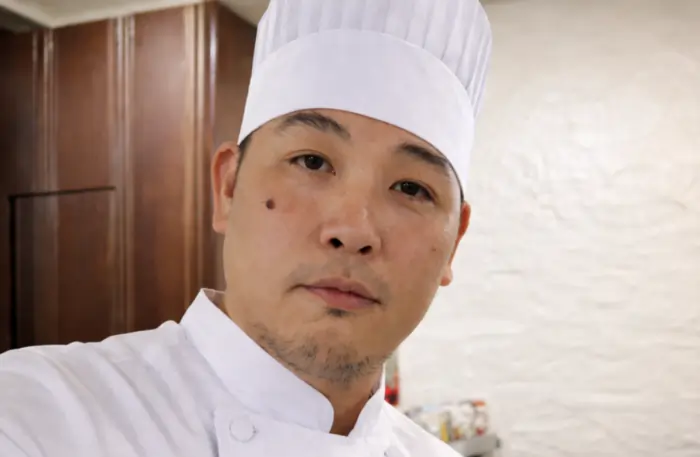
Chef Juan Gadi brings the heart of Filipino hospitality to Ubud, Bali. As an Executive Chef and consultant, he specializes in creating intimate, curated dining experiences that tell a story through every dish. Whether leading the kitchen at Kilig Filipino Warung or hosting a private villa dinner, Chef Juan’s approach is defined by warmth, modern technique, and a commitment to culinary excellence.