
Why Balance Is the Secret Behind Filipino Flavors Key Takeaways
Why balance is the secret behind Filipino flavors lies in the masterful interplay of sweet, sour, salty, bitter, and umami—a harmony that defines Filipino cuisine .
- Why balance is the secret behind Filipino flavors becomes clear when you taste sinigang’s sour broth mellowed by tender vegetables—a perfect example of contrasting yet complementary notes.
- Authentic Filipino cuisine thrives on layering flavors without overpowering; even adobo, the national dish, achieves balance through vinegar (sour) and soy sauce (salty).
- Exploring Filipino culinary traditions opens a gateway to understanding Southeast Asian cooking at its most soulful, making food tourism Philippines an unforgettable journey of taste and heritage.
What Makes Why Balance Is the Secret Behind Filipino Flavors So Compelling
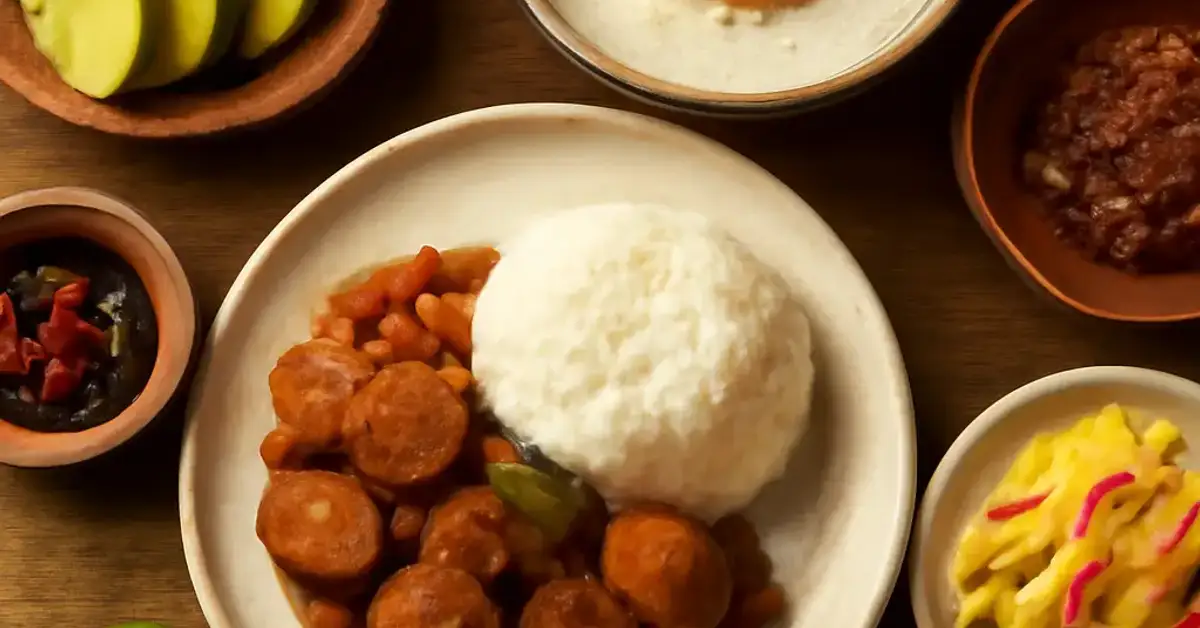
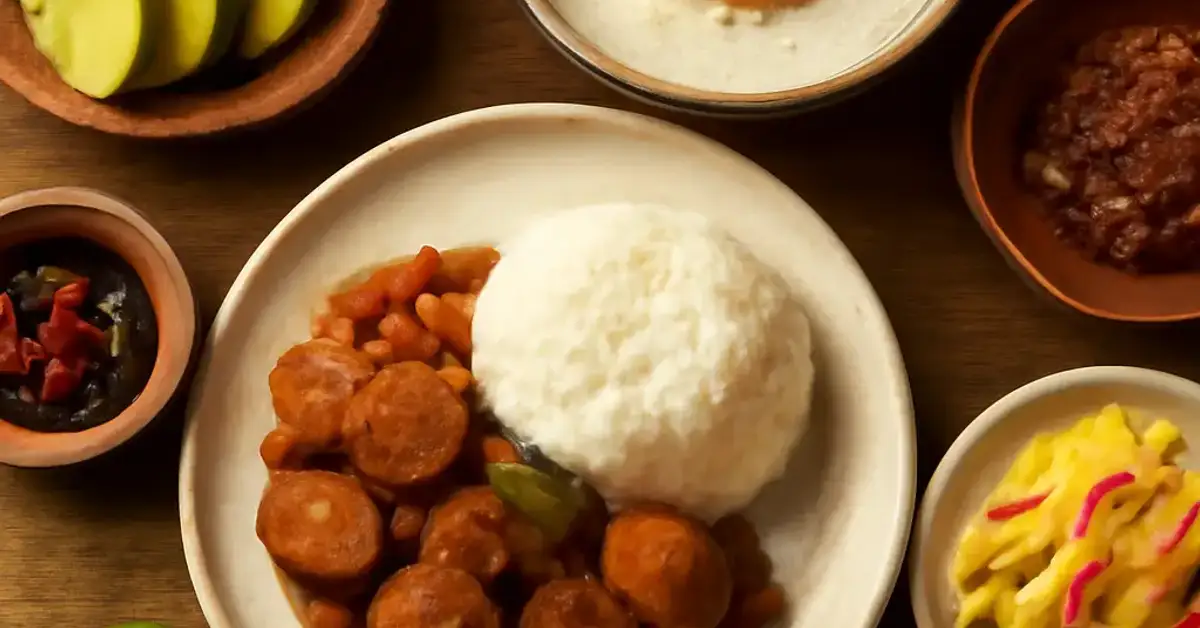
Walk into any Filipino kitchen, and you’ll hear the sizzle of garlic, the pop of vinegar, and the sweet aroma of simmering coconut milk. Filipino flavors don’t shout—they whisper, then surprise you with a burst of sourness followed by a salty finish. This isn’t accidental. It is a legacy passed down through generations of cooks who understood that no single taste should dominate. The beauty of Filipino cuisine lies in its ability to make each element count while letting none overwhelm. For a related guide, see 7 Signature Ingredients Behind Filipino Cuisine in Bali.
For those new to authentic Filipino cuisine, the initial bite can be confusing: why does the stew taste both sour and savory? Why is the dessert salty? Over time, you realize the magic is equilibrium. In the Philippines, food is never just fuel; it is a conversation between ingredients, climate, and history. Whether you are a home cook or a culinary traveler, understanding this balance transforms how you experience every meal. For a related guide, see Understanding the Role of Texture in Filipino Cuisine.
The Science Behind the Harmony: Sweet, Sour, Salty, Bitter, Umami
Every region of Southeast Asia plays with the same basic tastes, yet traditional Filipino food approaches them with a distinctive warmth. Let’s break down each component and see how they weave together.
The Sweetness of Coconut and Sugar
Coconut milk (gata) and muscovado sugar bring a gentle sweetness that rounds off sharp edges. In dishes like ginataan (vegetables or tubers cooked in coconut milk), the sweetness is never cloying—it offsets the bitterness of leafy greens or the acidity of kamias. This restraint is why Filipino ingredients work so well together: sweetness appears as a supporting player, not a star.
The Sourness That Defines a Nation
Vinegar, calamansi, tamarind, and green mango—the Filipinos love sour. Yet why balance is the secret behind Filipino flavors becomes most obvious here. Sourness in Filipino cooking is balanced by fat (pork belly in sinigang) or salt (bagoong with green mango). Without that counterpoint, the dish would be unpalatably tart. The result is a bright, appetite-whetting profile that refreshes in the tropical heat.
Salty Depth from Patis and Bagoong
Fish sauce (patis) and fermented shrimp paste (bagoong) provide the umami-laden saltiness that anchors countless dishes. In kare-kare, the rich peanut sauce meets salty bagoong on the side—each spoonful is a choice of how much salt to introduce. The point is control. Filipino gastronomy gives the diner the power to adjust balance at the table, a tradition that turns eating into an interactive ritual.
The Bitterness That Adds Mystery
Ampalaya (bitter melon) is one of the most polarizing Filipino ingredients. Yet paired with eggs and tomatoes or with salty beef tapa, bitterness becomes a foil that makes every other flavor pop. Filipino culinary traditions teach that bitterness is not an enemy—it is a contrast that deepens complexity.
Umami: The Unsung Hero
Umami arrives through shrimp paste, dried fish, and fermented rice (buro). These ingredients don’t scream; they linger. The best Filipino recipes balance umami with acid so the savory note doesn’t become heavy. A plate of pinakbet, with its mix of bitter vegetables and salty shrimp paste, demonstrates how umami bridges gaps between opposing tastes.
| Flavor Element | Typical Ingredient | Balancing Counterpart | Example Dish |
|---|---|---|---|
| Sweet | Coconut milk, muscovado | Sour (calamansi) | Ginataang kalabasa |
| Sour | Tamarind, vinegar | Salty (patis) | Sinigang na baboy |
| Salty | Bagoong, patis | Sour (kalamansi) | Kare-kare |
| Bitter | Ampalaya | Salty (tapa) | Ampalaya con carne |
| Umami | Buro, dried fish | Acid (vinegar) | Pinakbet |
Regional Variations: How Geography Shapes Filipino Flavors
The Philippines is an archipelago of over 7,000 islands, and each region has developed its own spin on flavor balance. Philippine cuisine is not monolithic—it reflects local produce, climate, and influences from traders and colonizers.
Luzon: The Land of Heavy Savory Notes
In the north, ilocano cooking favors salt and bitterness. Dishes like pinakbet use bagoong generously, balanced by the natural sweetness of squash and the bitterness of ampalaya. Meanwhile, around Manila, adobo varies wildly—some versions use more soy sauce, others more vinegar, each family defending their ratio. This regional diversity is why food tourism Philippines offers endless discovery.
Visayas: Sweet Meets Sour in Harmony
Central Philippine cuisine leans sweeter, with pancit from Iloilo and lechon from Cebu highlighting caramelized skin and sweet-sour dipping sauces. Vinegar-based dips often include native citrus to add brightness, proving that even the simplest condiments respect the ideal of balance.
Mindanao: Spice and Coconut
Southern cuisine incorporates spices like turmeric, ginger, and lemongrass, reflecting Muslim and Malay influences. Beef rendang from Mindanao is rich and complex, with coconut milk balancing heat and sourness. Here, the goal is not to tone down the spice but to surround it with rounding notes, a principle at the heart of authentic Filipino cuisine.
Practical Tips for Home Cooks: How to Build Balanced Filipino Cuisine at Your Kitchen
You don’t need a trip to Manila to capture the essence of traditional Filipino food. With a few techniques, you can recreate that balance in your home kitchen. Here’s a step-by-step guide for anyone passionate about Filipino cooking.
Step 1: Start with a Neutral Base
Begin with sautéed garlic, onion, and ginger. This aromatic trio is the foundation of countless Filipino recipes. It imparts a subtle sweetness and savory depth without overwhelming the palate.
Step 2: Introduce Sour Gradually
Add a splash of vinegar or calamansi juice early in the cooking process but taste as you go. The goal is to feel a gentle tingle, not a sharp burn. If the dish becomes too acidic, counter it with coconut milk or a pinch of sugar.
Step 3: Season with Patis for Umami
Fish sauce should be added in small increments. One teaspoon can transform a soup, but too much will drown everything in saltiness. Always taste before adding more.
Step 4: Add Bitter and Sweet Last
Bitter ingredients like ampalaya should be added toward the end of cooking to preserve their character. Sweetness from coconut milk or sugar should arrive just before serving so it doesn’t boil away into caramelized notes.
Step 5: Finish with Acid
A final squeeze of kalamansi or a drizzle of vinegar just before serving brightens the entire dish. This last step ensures the sour element is fresh and lively, which is why balance is the secret behind Filipino flavors.
Why Filipino Culinary Traditions Emphasize Table-Side Customization
One of the most endearing aspects of Filipino dining is the presence of dipping sauces. A traditional Filipino table always has a sawsawan station—a small saucer of vinegar with chili, a dish of patis with calamansi, or a dollop of bagoong. This empowers each person to adjust the balance of every bite. For food tourism Philippines, this interactive element is a highlight that turns a meal into a shared experience.
This practice also reveals an important truth: balance is not a fixed formula but a personal preference. Some crave more sour, others lean towards salty. The Filipino table respects both. Culinary heritage isn’t just about preserving recipes; it is about preserving the philosophy that the diner’s palate completes the dish.
Useful Resources
To deepen your understanding of Filipino gastronomy, explore these credible sources:
- Rappler: The Art of Filipino Cuisine – A comprehensive overview of how Filipino flavors evolved through history and trade.
- Spot.ph: Chefs Explain Why Balance Drives Filipino Cooking – Interviews with local chefs on the importance of equilibrium in authentic Filipino cuisine.
Frequently Asked Questions About Why Balance Is the Secret Behind Filipino Flavors
What makes Filipino cuisine different from other Southeast Asian food?
Filipino cuisine prioritizes a gentle balance of sour, salty, and sweet over the bold spice found in Thai or Vietnamese food. It uses fermented condiments like patis and bagoong to create depth rather than heat.
How does the concept of balance appear in everyday Filipino meals?
A typical meal includes a sour soup (sinigang), a salty vegetable dish (pinakbet), and a sweet dessert (leche flan). The combination ensures no single taste overwhelms the palate.
Why is vinegar so important in Filipino cooking?
Vinegar provides acidity that balances rich, oily meats and preserves food in the tropical climate. It is essential in adobo, sinigang, and dipping sauces.
Can I make authentic Filipino cuisine at home without hard-to-find ingredients?
Yes. Substitute calamansi with a mix of lemon and lime, and use fish sauce instead of patis. Many Filipino recipes adapt well to local produce while retaining balance.
What is the role of sugar in savory Filipino dishes?
Sugar softens the sharpness of vinegar and salt. It appears in adobo, menudo, and even pancit—always in small amounts to round out flavors.
How do Filipinos balance bitter flavors?
Bitter melon (ampalaya) is paired with eggs, tomatoes, or salty meats. The salt and slight sweetness from the other ingredients temper the bitterness without hiding it.
Is Filipino food spicy?
Not typically. Traditional Filipino food uses chili as an optional component rather than a base. The focus remains on the interplay of sour, salty, and sweet.
What dish best illustrates why balance is the secret behind Filipino flavors ?
Adobo—vinegar and soy sauce create a perfect tension of sour and salty, often balanced with garlic and bay leaf. It encapsulates the harmony Filipino cuisine is known for.
How does food tourism in the Philippines showcase flavor balance?
Travelers can take cooking classes in local homes, visit wet markets for Filipino ingredients, and taste regional specialties that highlight balance. It is an immersive way to understand Filipino gastronomy.
What are the five basic tastes in Filipino cooking?
Sweet, sour, salty, bitter, and umami. All five appear in a well-prepared Philippine cuisine meal, though not always in equal measure.
Why do Filipinos eat rice with every meal?
Rice is a neutral canvas that absorbs the strong flavors of viands. It helps moderate the intense sour or salty notes, maintaining balance throughout the meal.
Are there vegetarian options in traditional Filipino food ?
Yes. Dishes like pinakbet (vegetables with shrimp paste) and ginisang munggo (mung beans) can be adapted. Balance is achieved through the same principles of sour and salty interplay.
How do I adjust the saltiness in a dish?
Add more vinegar or a touch of sugar. The acid cuts through the salt, and sugar distracts the palate from it. This is a classic technique in Filipino cooking.
What is a common mistake when cooking Filipino food for the first time?
Overusing patis or soy sauce. Beginners often think more salt equals more flavor, but authentic Filipino cuisine relies on restraint. Start with small amounts and taste repeatedly.
Can I experience balance in Filipino desserts?
Yes. Halo-halo combines sweetened fruits, ice cream, and salty preserved beans. The salt in the beans makes the dessert more complex, not salty.
What role does fermentation play in Filipino cuisine ?
Fermentation creates umami and sourness naturally. Dishes like burong isda (fermented rice with fish) rely on microbial action to build deep, balanced flavors without raw ingredients.
How does the climate affect Filipino flavors ?
The tropical heat makes sour, refreshing flavors appealing. Vinegar and citrus preserve food and stimulate appetite, which is why balance is the secret behind Filipino flavors in warm weather.
What is the best way to learn about Filipino culinary traditions ?
Take a food tour or a cooking class in the Philippines. Engaging with local cooks reveals the intuitive balance they achieve without written recipes. Food tourism Philippines is the most direct path.
Are there regional differences in how balance is achieved?
Absolutely. Ilocano food favors salt and bitterness; Visayan dishes lean sweet; Mindanao uses spices and coconut. Yet all respect the principle of equilibrium that defines Filipino flavors.
Why do some Filipino dishes taste sour after being reheated?
Vinegar intensifies when cooked multiple times. To restore balance, add a small amount of sugar or fresh coconut milk before serving. This is a common practice in Filipino culinary traditions.

Chef Juan Gadi brings the heart of Filipino hospitality to Ubud, Bali. As an Executive Chef and consultant, he specializes in creating intimate, curated dining experiences that tell a story through every dish. Whether leading the kitchen at Kilig Filipino Warung or hosting a private villa dinner, Chef Juan’s approach is defined by warmth, modern technique, and a commitment to culinary excellence.