Filipino Sharing Platters Create Better Dining Experiences Key Takeaways
Filipino sharing platters create better dining experiences by transforming a meal into a communal ritual that strengthens bonds, sparks conversation, and deepens flavor appreciation.
- Filipino sharing platters create better dining experiences because they lower social barriers and encourage genuine interaction around food.
- Shared dishes like lechon kawali, sinigang, and adobo offer variety, and everyone gets to taste multiple flavors in one meal.
- The communal format fosters a sense of generosity and belonging that individual plates simply cannot replicate.
Why Filipino Sharing Platters Create Better Dining Experiences for Groups
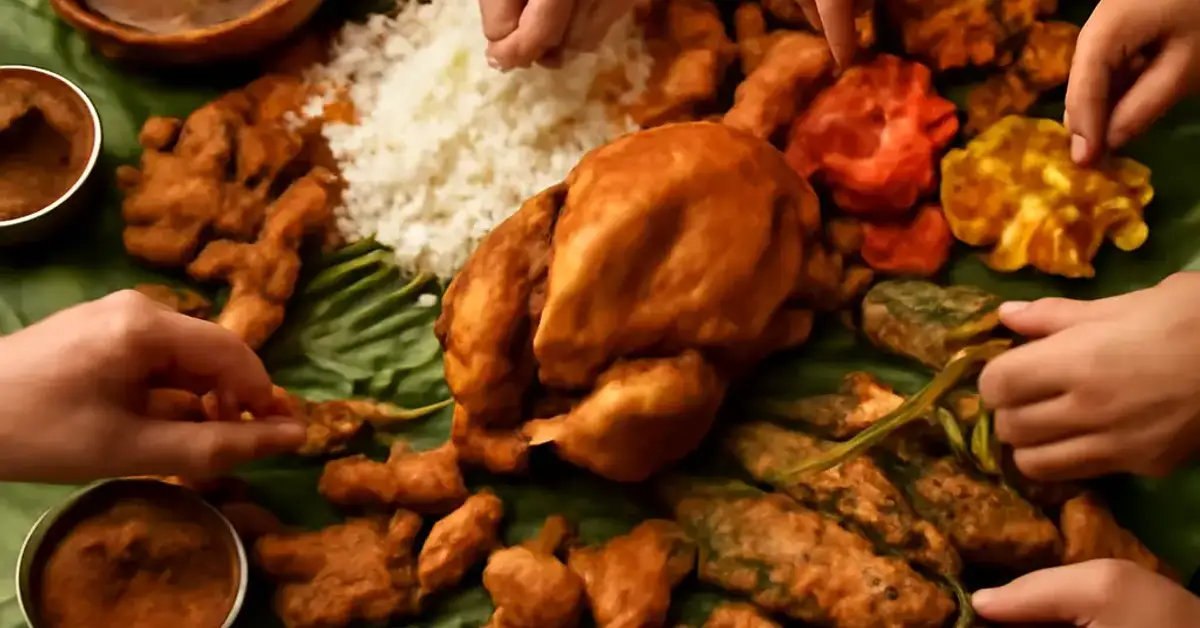
Think about the last time you sat down for a meal where every person had their own plate, their own portion, and their own space. It was efficient, maybe even tasty. But was it memorable? Now imagine a long table covered in banana leaves, piled high with crispy lechon, garlic fried rice, grilled seafood, fresh mango slices, and bowls of tangy sinigang. Everyone reaches in, grabs what looks good, and passes dishes around. Laughter erupts. Stories flow. That is the magic of Filipino sharing platters create better dining experiences — they erase the invisible walls between diners and turn a meal into an event. For a related guide, see Filipino Cuisine Winning Hearts of Bali Travelers: 7 Dishes You Must Try.
The Psychology of Eating Together
When people share food from a single platter, they subconsciously sync their eating pace and engage in more eye contact and conversation. Studies in social psychology suggest that shared meals increase feelings of trust and cooperation among group members. In Filipino culture, this instinct is elevated to an art form through communal dining traditions that prioritize relationship over routine. For a related guide, see Why Group Dining Creates Stronger Social Connections.
How Filipino Sharing Platters Improve Dining Real-World Connection
Filipinos have long understood that eating is never just about fuel. It is about Filipino hospitality — a deep-seated value known as pakikisama (getting along with others) and kapwa (shared identity). When you place a massive boodle fight spread in the center of the table, you are not just serving food. You are inviting everyone to participate, to get their hands dirty, and to share in the joy of abundance.
The Core Traditions Behind Filipino Cuisine Sharing Platters
To understand why Filipino sharing platters create better dining experiences, you need to explore the traditions that define them. Two iconic formats stand out: the kamayan feast and the boodle fight. Both are rooted in authentic Filipino cuisine and the practice of family style dining.
The Kamayan Feast: Eating With Your Hands
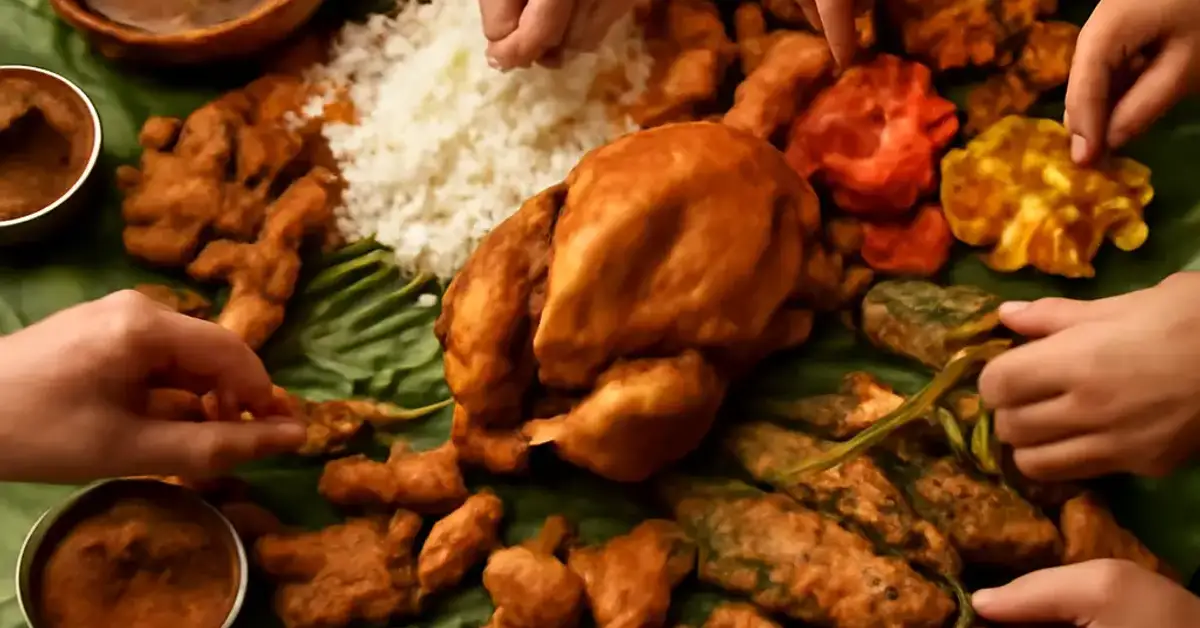
Kamayan literally means “by hand” in Tagalog. In this style, a table is covered with banana leaves, and a mountain of rice forms the base. Around it, cooks arrange grilled pork belly, buttered shrimp, salted eggs, fresh tomatoes, pickled papaya (atchara), and longganisa sausages. Diners sit around the spread and eat using their right hand — shaping rice and viands into small bites. This tactile experience heightens the senses. You feel the texture of the food, smell the aromas up close, and taste each component in the order you choose. It is messy, fun, and deeply satisfying. Restaurants like Kabisera ng mga Kamay in Manila and pop-up Kamayan nights in London and New York have turned this into a sought-after group dining experience.
The Boodle Fight: A Feast for Teams and Families
The boodle fight has military origins — it was devised by Filipino soldiers who needed a fast, egalitarian way to feed a battalion. Today, it is a beloved communal dining style where a long table is covered in banana leaves, and dish after dish is piled in the center. No plates. No utensils. Just hands and camaraderie. The name “boodle fight” might sound chaotic, but the spirit is generous. Everyone eats side by side, often in teams, competing playfully for the last piece of crispy pata or the best portion of grilled squid. It is a staple at family reunions, corporate team-building events, and even wedding receptions because it breaks the ice instantly.
Benefits of Filipino Communal Dining Benefits for Every Occasion
Whether you are planning a food tourism Philippines itinerary or looking for a fresh concept for your restaurant, the advantages of shared platters go far beyond novelty. Here are the concrete ways Filipino sharing platters create better dining experiences across different settings.
Deeper Social Bonding Through Shared Meals
When everyone reaches into the same platter, the conversation shifts from small talk to shared discovery. “Try the sinigang with the grilled eggplant — trust me!” “Is that calamansi or dayap?” These exchanges build rapport. For food bloggers and travel bloggers, the visual drama of a loaded banana leaf makes for compelling content, but the real story is how strangers at a table become friends by the dessert course.
Greater Flavor Variety and Discovery
Individual platters limit you to one main and two sides. A Filipino sharing platter often includes 10 to 15 different items. Diners can mix and match — pairing salty adobo with sweet banana cue, or balancing spicy kilawin with creamy leche flan. This variety is especially appealing to culinary travelers and international tourists who want to sample as many authentic flavors as possible in one sitting.
Cost Efficiency for Groups and Families
For families, groups of friends, and corporate teams, sharing platters are often more affordable than individual entrees. A well-designed Filipino cuisine sharing platter can feed 4 to 6 people at a price point that undercuts ordering separate dishes. This makes it an attractive option for celebration organizers and event planners looking to maximize value without sacrificing quality.
How Filipino Dining Traditions Influence Modern Restaurant Concepts
Restaurants around the world are embracing Filipino culinary traditions because they answer a growing demand for authentic, interactive dining. Restaurant owners and chefs are discovering that Filipino sharing platters create better dining experiences by encouraging longer table times, higher check averages, and stronger word-of-mouth marketing.
Designing a Kamaynstyle Menu for Your Venue
To introduce a successful sharing platter program, start with a core set of high-impact dishes: garlic rice, grilled protein (pork, chicken, or fish), a sour soup (sinigang or tinola), a vegetable dish (pinakbet or ginisang monggo), and dipping sauces (toyo with calamansi, bagoong, sriracha mayo). Present the platter on banana leaves for authenticity and visual appeal. Offer utensils for guests who prefer them, but encourage the hand-eating experience as an option.
Training Staff to Facilitate the Experience
Front-of-house staff should explain the tradition behind each platter. When servers say, “This is how we eat in the Philippines — together, with our hands,” guests feel invited into the culture, not just served a meal. For hospitality professionals, this approach builds loyalty. Diners remember how a meal made them feel, not just how it tasted.
Tips for Travelers and Food Explorers
If you are a Southeast Asia traveler, local food explorer, or fine dining guest curious about Philippine cuisine, here is how to make the most of a sharing platter experience.
Where to Find Authentic Kamayan and Boodle Fight Experiences
In the Philippines, visit Dampa seafood markets where you can buy fresh catch and have it cooked for a kamayan feast. In Metro Manila, restaurants like Banapple, Mesa Filipino Moderne, and Sentro 1771 offer curated sharing platters. Abroad, look for Filipino-owned spots that specialize in authentic Filipino cuisine — they often host boodle fight nights on weekends. In the US, Kalawakan in New York and Lasa in Los Angeles are excellent starting points.
What to Expect: Etiquette and Practical Tips
Wash your hands thoroughly before the meal. Use only your right hand to eat (the left is traditionally reserved for other purposes). Don’t be shy — reach for the pieces that appeal to you. Compliment the host or chef on the spread. And most importantly, relax. The Filipino hospitality is warm and forgiving. Everyone is welcome at the table.
Recipe Inspiration: Building Your Own Filipino Sharing Platter at Home
You don’t need to fly to Manila to enjoy Filipino sharing platters. Here is a simple blueprint for recreating the experience in your own kitchen or for a gathering of friends.
| Component | Suggested Dish | Why It Works |
|---|---|---|
| Base | Garlic fried rice (sinangag) | Neutral, aromatic, holds up to heavy sauces |
| Protein 1 | Lechon kawali (crispy pork belly) | Crunchy, savory, crowd favorite |
| Protein 2 | Grilled chicken inasal | Tangy, smoky, lighter option |
| Seafood | Buttered garlic shrimp | Sweet, juicy, easy to peel and share |
| Soup | Sinigang na baboy (sour pork soup) | Bright acidity cuts through rich meats |
| Vegetable | Ensaladang talong (grilled eggplant salad) | Smoky, refreshing, adds texture |
| Dip/Sauce | Suka at sili (vinegar with chili) | Sharp, spicy, cleanses the palate |
| Dessert | Mango with sticky rice (suman) | Sweet finish, easy to eat by hand |
Filipino Sharing Platters Create Better Dining Experiences for Tourism and Events
The food tourism Philippines sector has embraced sharing platters as a signature experience. Tour operators now offer “Kamayan dinner tours” in Manila, Cebu, and Palawan. Event planners incorporate boodle fights into destination weddings, corporate retreats, and birthday celebrations because the format is inclusive, photogenic, and memorable. For culture seekers, participating in a kamayan feast is a tactile way to understand Filipino culinary traditions — you taste the history, the geography, and the warmth of the people in every bite.
Conclusion: Why You Should Try Filipino Sharing Platters Tonight
Whether you are a food lover craving something new, a travel blogger chasing authentic experiences, or a restaurant owner looking to differentiate your menu, Filipino sharing platters create better dining experiences that stick with people long after the last grain of rice is gone. They transform a meal into a memory. They replace silence with laughter. They turn strangers into tablemates. So gather your people, clear the table, lay down banana leaves, and dive in.
Useful Resources
For more on the cultural roots of Filipino communal dining, read the National Geographic feature on the Kamayan feast. To explore the science behind shared meals and social bonding, see Psychology Today’s article on communal eating.
Frequently Asked Questions About Filipino Sharing Platters Create Better Dining Experiences
What exactly are Filipino sharing platters?
Filipino sharing platters are large communal presentations of multiple dishes arranged on banana leaves or large trays, meant to be eaten together by a group, often using hands. They include staples like rice, grilled meats, seafood, vegetables, and dipping sauces.
How do Filipino sharing platters create better dining experiences ?
They encourage interaction, reduce formality, allow diners to taste many dishes, and foster a sense of generosity and togetherness that individual plating cannot match.
What is the difference between a kamayan feast and a boodle fight?
A kamayan feast emphasizes eating with hands from a banana leaf spread, while a boodle fight is a specific militarystyle format where all food is piled on a long table and teams eat competitively but generously.
Are Filipino sharing platters suitable for large groups?
Absolutely. They are designed for groups of 4 to 20 people or more. The boodle fight format scales easily by adding more dishes along the table.
Can vegetarians enjoy Filipino sharing platters?
Yes. Many Filipino dishes are plantbased, including pinakbet, laing, ensaladang talong, and ginisang monggo. A thoughtful platter can cater to vegetarians by including these options.
Do I have to eat with my hands?
It is traditional and recommended for the full experience, but most restaurants offer utensils upon request. The host or restaurant will guide you.
What are the most popular dishes in a Filipino sharing platter?
Common items include lechon kawali, grilled chicken inasal, buttered shrimp, sinigang, garlic fried rice, grilled eggplant salad, and fresh mango for dessert.
Where can I try an authentic kamayan feast outside the Philippines?
Many Filipino restaurants in the US, UK, Canada, Australia, and the Middle East offer kamayan nights. Search for “kamayan near me” or check local Filipino community groups.
Is Filipino sharing platter dining expensive?
It is often more costeffective than ordering individual dishes because platters are priced to share. Many restaurants offer set menus for groups starting around $20 per person.
What is the cultural significance of banana leaves in Filipino dining?
Banana leaves are natural, biodegradable, and impart a subtle earthy aroma to the food. They symbolize abundance and connect diners to traditional Filipino cooking methods.
How do I host a Filipino sharing platter party at home?
Lay banana leaves (or parchment) on a table, pile garlic rice in the center, arrange grilled meats, seafood, vegetables, and dips around it, and invite everyone to eat together with their hands.
What drinks pair well with Filipino sharing platters?
Cold San Miguel beer, calamansi juice, or halo-halo for dessert. For nonalcoholic options, try buko juice or sago’t gulaman.
Are Filipino sharing platters safe for people with allergies?
Communicate allergies to the restaurant or host in advance. Many dishes contain soy, shellfish, or peanuts, so crosscontamination is possible in a shared format.
What is the best time of day for a kamayan meal?
Lunch and dinner both work well. Many restaurants serve kamayan only during dinner because it is a leisurely, social experience that takes time to enjoy.
Can kids participate in a boodle fight?
Yes, children love the playful, messy format. Just supervise them with hot dishes and encourage hand washing.
How do Filipino sharing platters compare to family style dining in other cuisines?
Filipino platters are more interactive — they often involve eating with hands and a wider variety of textures and flavors on one surface, compared to Western family style where dishes are passed around on separate plates.
What utensils are used in Filipino sharing platter dining?
Traditionally, only hands. But restaurants provide spoons and forks for those who prefer them. Some platters include small serving utensils for specific dishes.
Is it considered rude to reach across the table in a boodle fight?
No, the format encourages reaching. Just be mindful of others and avoid double dipping. The atmosphere is casual and forgiving.
Can I order a Filipino sharing platter for delivery?
Some restaurants offer takeout boodle boxes or family bundles that replicate the experience at home. Ask your local Filipino restaurant.
What do I do if I don’t like spicy food?
Most Filipino sharing platters include mild dishes like grilled meat, fried rice, and sinigang. Spicy elements like sili vinegar are served on the side, so you can control the heat.
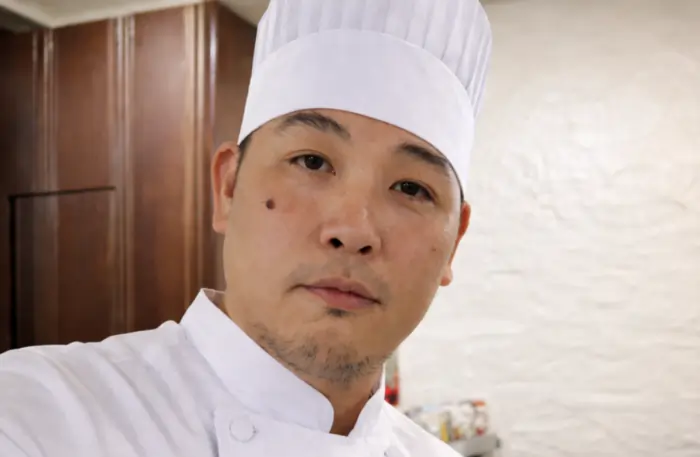
Chef Juan Gadi brings the heart of Filipino hospitality to Ubud, Bali. As an Executive Chef and consultant, he specializes in creating intimate, curated dining experiences that tell a story through every dish. Whether leading the kitchen at Kilig Filipino Warung or hosting a private villa dinner, Chef Juan’s approach is defined by warmth, modern technique, and a commitment to culinary excellence.