
Guide to Filipino Condiments That Elevate Every Meal Key Takeaways
Filipino condiments are the soul of Philippine cuisine , transforming simple ingredients into memorable dishes.
- Guide to Filipino Condiments That Elevate Every Meal reveals the essential Filipino pantry staples every cook needs.
- Understanding how Filipino sauces like liver sauce and banana ketchup interact with meat, seafood, and vegetables unlocks authentic Filipino cuisine at home.
- Pairing the right dipping sauces with dishes like lechon, adobo, and grilled seafood is the key to authentic flavors that travelers seek across the Philippines.
What Makes This Guide to Filipino Condiments That Elevate Every Meal Essential for Food Lovers
Filipino cuisine is a vibrant tapestry woven from Malay, Chinese, Spanish, and American influences. At its heart lie the Filipino condiments—bold, tangy, salty, and sweet sauces that transform every bite. Whether you are a home cook exploring Filipino cooking for the first time or a seasoned chef refining your Filipino flavors, understanding these traditional seasonings is non-negotiable.
I am Chef Juan Gadi, and I bring the heart of Filipino hospitality to Ubud, Bali. As an Executive Chef and consultant, I specialize in intimate, curated dining experiences that tell a story through every dish. Whether leading the kitchen at Kilig Filipino Warung or hosting a private villa dinner, my approach is defined by warmth, modern technique, and a commitment to culinary excellence. This guide reflects the authentic Filipino cuisine I prepare daily, using Filipino ingredients that define our culinary heritage. For a related guide, see A Simple Guide to Filipino Sauces and Condiments.
Let us walk through the Filipino pantry staples that will elevate your cooking and deepen your appreciation for Philippine cuisine.
Essential Filipino Condiments: The Complete Guide to Toyomansi, Bagoong, and More
Toyomansi: The Quintessential Dipping Sauce
Toyomansi is a simple yet profound blend of soy sauce and calamansi, the native Philippine lime. It is the most ubiquitous dipping sauce in Filipino homes, pairing perfectly with grilled meats, fried fish, and spring rolls. The salty umami of soy sauce meets the citrusy brightness of calamansi, creating a balanced umami flavor that cuts through richness.
To prepare traditional toyomansi, combine three parts soy sauce to one part calamansi juice. Add crushed siling labuyo (Filipino bird‘s eye chili) for heat. This simple combination exemplifies food pairing wisdom: acid balances fat, salt deepens savoriness.
Cane Vinegar and Coconut Vinegar: The Sour Backbone
Vinegar is central to Filipino cooking, used both as a condiment and as a cooking medium. Cane vinegar, made from fermented sugarcane, offers a mild sweetness and is the base for many dipping sauces for crispy pata and lechon. Coconut vinegar, from the sap of coconut flowers, has a sharper, more floral acidity that pairs beautifully with seafood.
Spiced vinegar—vinegar infused with garlic, ginger, and siling labuyo—is a table staple across the archipelago. Each region produces its own regional specialties, such as Ilocos vinegar with fermented anchovy essence or Bicol‘s coconut-based souring agents. These traditional seasonings reflect the culinary heritage of each province.
Bagoong and Fish Sauce: The Umami Powerhouses
Bagoong, or fermented shrimp paste, is a thick, salty-savory condiment that ranges from pink to dark purple depending on fermentation. It is foundational to dishes like kare-kare (oxtail stew) and pinakbet (vegetable stew). Fish sauce, the clear liquid strained from fermented anchovies, provides a cleaner, more concentrated umami flavor. While both deliver saltiness and depth, fish sauce is lighter and more versatile, while bagoong offers a funkier, more pungent profile.
The difference between bagoong and fish sauce lies in texture and fermentation: bagoong retains the shrimp or fish solids, giving it a spreadable consistency, while fish sauce is fully liquid. Both are indispensable Filipino pantry staples.
Banana Ketchup and Liver Sauce: Sweet and Savory Contrasts
Banana ketchup, invented during World War II as a tomato-free alternative, is made from mashed bananas, vinegar, sugar, and spices. Its sweet-tangy profile is iconic on Filipino-style hotdogs, tortang talong (eggplant omelet), and fried chicken. Liver sauce, a dark, rich paste made from pork or chicken liver, vinegar, and breadcrumbs, is the traditional partner for lechon. The sweetness of banana ketchup and the savory depth of liver sauce represent the balance of authentic flavors in Filipino cuisine.
Chili Garlic Oil and Garlic Oil: Aromatic Foundations
Chili garlic oil is a modern favorite, infusing neutral oil with toasted garlic and siling labuyo. It adds heat and crunch to noodles, dumplings, and grilled meats. Garlic oil, without chili, is a foundational Filipino sauce used to flavor fried rice, soups, and stir-fries. Both highlight the Filipino love for garlic as a primary aromatic.
Atchara: The Pickled Companion
Atchara is a pickled relish made from shredded green papaya, carrots, bell peppers, and ginger, brined in vinegar, sugar, and salt. It is the essential palate cleanser alongside fried foods like lumpia, fried chicken, and grilled pork. The bright acidity and crunch of atchara cut through grease and refresh the palate.
How Filipino Condiments Enhance Grilled Dishes, Adobo, Lechon, and Seafood
The art of food pairing in Filipino cuisine is deliberate. A perfectly grilled pork belly or inihaw na baboy demands a dip of toyomansi with crushed siling labuyo. The saltiness balances the char, the acidity cuts the fat.
Adobo, the national dish, uses a marinade of soy sauce, vinegar, garlic, and peppercorns. The resulting adobo sauce is a concentrated Filipino condiment itself—poured over steamed rice, it becomes the star. For lechon, liver sauce is non-negotiable; its sweet-savory richness complements the crackling skin and tender meat. Seafood, from grilled squid to sinigang, benefits from a dip of coconut vinegar with salt and pepper, which brightens the brininess without overpowering.
Building Your Filipino Pantry: Must-Have Staples for Every Food Lover
To cook authentic Filipino cuisine at home, stock your kitchen with these essentials:
- Soy sauce—choose a local Philippine brand for authentic taste.
- Calamansi—fresh or bottled juice; fresh is always better.
- Cane vinegar and coconut vinegar—each brings a different acidity.
- Fish sauce—patis is the Filipino staple.
- Bagoong—fermented shrimp paste for stews and dips.
- Banana ketchup—sweet and versatile.
- Liver sauce—essential for lechon.
- Siling labuyo—fresh or dried for heat.
- Chili garlic oil—for modern twists.
- Atchara—pickled relish for frying dishes.
These Filipino ingredients form the foundation for hundreds of heritage recipes, from everyday meals to festive culinary traditions.
How Beginners Can Start Using Filipino Condiments at Home
Start simple. Use toyomansi as your go-to dipping sauce for any grilled protein. Add a splash of coconut vinegar to soups like sinigang for brightness. Marinate chicken in soy sauce, calamansi, and garlic for an easy adobo-inspired dinner. As you gain confidence, explore bagoong by stir-frying it with vegetables and pork for a quick pinakbet.
The key is balance. Filipino flavors thrive on the contrast of salty, sour, sweet, and spicy. Taste as you go and adjust proportions to your preference. For more guidance, explore resources like Pepper.ph’s Filipino Condiments Guide and The Spruce Eats on Filipino Sauces.
Where Travelers Can Experience Authentic Filipino Flavors
Food tourism Philippines is blossoming. In Manila, explore Binondo for Chinese-Filipino fusion and Pampanga for Kapampangan regional specialties. In Visayas, Cebu‘s lechon and Bacolod’s chicken inasal are iconic. Mindanao offers spice-forward dishes like pianggang (chicken in burnt coconut and turmeric). For travelers in Southeast Asia, my own warung, Kilig Filipino Warung in Ubud, Bali, curates authentic Filipino cuisine with a modern culinary heritage twist. Private villa dinners allow guests to taste Filipino flavors in an intimate setting, showcasing the Filipino pantry in every course. For a related guide, see Food Connects Filipinos to Cultural Roots: 1 Chef’s Story in Bali.
Useful Resources
For deeper dives into Filipino cooking and traditional Filipino food, explore these trusted guides:
- Pepper.ph: The Ultimate Guide to Filipino Condiments
- The Spruce Eats: Filipino Sauces and Condiments Explained
Conclusion: Embrace the Authentic Filipino Cuisine Journey
This Guide to Filipino Condiments That Elevate Every Meal is just the beginning. Whether you are a home cook exploring Filipino food for the first time or a seasoned chef seeking authentic flavors, the Filipino pantry rewards curiosity. From the bright pop of toyomansi on grilled pork to the rich depth of liver sauce with lechon, each condiment carries a story of culinary traditions and regional specialties.
As Chef Juan Gadi, I invite you to taste Filipino flavors with intention. Build your Filipino pantry, experiment with food pairing, and share these heritage recipes with those you love. The journey of Philippine condiments is one of warmth, community, and unforgettable taste. For a related guide, see How Seasonal Ingredients Shape Filipino Menus in Bali.
— Chef Juan Gadi, Executive Chef and Consultant, Kilig Filipino Warung, Ubud, Bali
Frequently Asked Questions About Guide to Filipino Condiments That Elevate Every Meal
What are the most popular Filipino condiments ?
The most popular Filipino condiments include toyomansi, cane vinegar, coconut vinegar, bagoong, banana ketchup, fish sauce, and chili garlic oil. Each plays a distinct role in Filipino cuisine.
Which Filipino condiments elevate every meal?
Toyomansi, bagoong, banana ketchup, and coconut vinegar are among the most versatile. They add balance—salty, sour, sweet, and umami—to any dish, from grilled meats to vegetables.
How do Filipinos use dipping sauces and seasonings?
Dipping sauces are integral to Filipino cooking. Meals often include a small saucer of toyomansi, spiced vinegar, or fish sauce with calamansi for dipping. Each bite is seasoned at the table, making the meal interactive and personal.
What is the difference between bagoong, fish sauce, and soy sauce?
Bagoong is a thick fermented shrimp paste with a funky, salty profile. Fish sauce is a clear, salty liquid from fermented anchovies, offering a cleaner umami. Soy sauce is made from fermented soybeans and wheat, delivering salty, malty notes. Each brings a different depth to Filipino flavors.
How does toyomansi enhance grilled dishes?
Toyomansi combines the saltiness of soy sauce with the acidity of calamansi, cutting through the fat and char of grilled meats. It adds moisture and brightness, making it the perfect companion for inihaw (grilled) dishes.
Which condiments pair best with adobo, lechon, and seafood?
For adobo, use adobo sauce from the stew itself. Lechon demands liver sauce. Seafood pairs beautifully with coconut vinegar or toyomansi with siling labuyo. These food pairing traditions are central to Filipino cuisine.
What pantry staples should every Filipino food lover have?
Every Filipino pantry needs soy sauce, calamansi, cane vinegar, coconut vinegar, fish sauce, bagoong, banana ketchup, garlic oil, siling labuyo, and atchara. These ingredients unlock hundreds of heritage recipes.
How can beginners use Filipino condiments at home?
Start with toyomansi for dipping. Marinate chicken or pork in soy sauce, calamansi, and garlic. Use coconut vinegar in soups and banana ketchup on fried foods. Experiment with bagoong in vegetable stir-fries.
Where can travelers experience authentic Filipino flavors ?
Food tourism Philippines thrives in Manila, Cebu, Pampanga, and Iloilo. In Bali, Kilig Filipino Warung serves authentic Filipino cuisine with modern twists. Private villa dinners offer immersive culinary traditions.
Why are condiments essential to Filipino culinary traditions?
Filipino condiments provide the balance of salty, sour, sweet, and spicy that defines Philippine cuisine. They allow each diner to customize flavor, reflect regional specialties, and preserve culinary heritage across generations.
Can I substitute calamansi with lemon or lime?
Yes, though calamansi is more aromatic and less acidic than lemon. For toyomansi, use equal parts lemon juice and lime juice as a substitute.
Is banana ketchup healthier than tomato ketchup?
Banana ketchup is lower in sodium but similar in sugar content. It offers a unique Filipino flavor profile, not necessarily healthier but distinct in Filipino cooking.
What is the best way to store bagoong?
Store bagoong in an airtight container in the refrigerator. It will keep for months due to its salt content and fermentation.
How do I make chili garlic oil at home?
Slowly heat neutral oil with minced garlic and crushed siling labuyo until the garlic is golden. Strain or leave the solids for more intense chili garlic oil.
What dishes use cane vinegar?
Cane vinegar is used in adobo, sinigang, and as a base for spiced vinegar dipping sauces. It pairs well with fatty meats like lechon kawali.
What is the role of atchara in a Filipino meal?
Atchara serves as a palate cleanser and balancing element, especially with fried foods. Its sweet-sour crunch cuts through grease.
Is liver sauce vegetarian?
No, liver sauce uses pork or chicken liver. For a vegetarian alternative, use a blend of sautéed mushrooms, soy sauce, and vinegar.
How does siling labuyo compare to other chilies?
Siling labuyo is one of the hottest chilies in the Philippines, measuring 80,000–100,000 Scoville Heat Units, similar to Thai bird‘s eye chili.
Can I find Filipino condiments outside the Philippines?
Yes, major Asian grocery stores and online retailers carry Filipino condiments. Brands like Datu Puti, Mama Sita‘s, and Marca Piña are widely available.
What is adobo sauce used for beyond adobo?
Adobo sauce can be used as a marinade for grilled meats, a base for fried rice, or a braising liquid for tofu and vegetables.
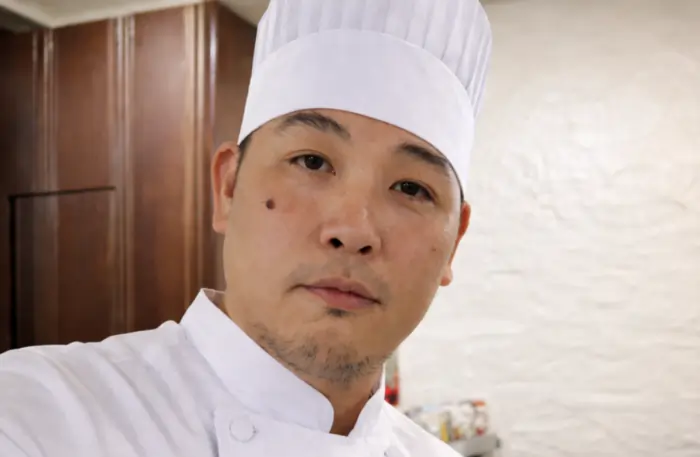
Chef Juan Gadi brings the heart of Filipino hospitality to Ubud, Bali. As an Executive Chef and consultant, he specializes in creating intimate, curated dining experiences that tell a story through every dish. Whether leading the kitchen at Kilig Filipino Warung or hosting a private villa dinner, Chef Juan’s approach is defined by warmth, modern technique, and a commitment to culinary excellence.