
Ways to Experience Bali Through Filipino Cuisine Key Takeaways
Balancing tropical ingredients with bold, tangy flavors, Filipino cuisine offers a unique lens for exploring Bali beyond its temples and beaches.
- Discover the best ways to experience Bali through Filipino cuisine , from warung dining to cooking classes and resort pop-ups.
- Learn where to find authentic Filipino food in Bali, including dedicated restaurants and hidden-guest dining experiences.
- Understand how Filipino chefs in Bali fuse traditional recipes with local Balinese ingredients for a true cultural exchange.
What Makes Filipino Cuisine a Perfect Lens for Bali Travel
Bali has long been a magnet for travelers seeking spiritual renewal, artistic inspiration, and world-class dining. Yet for Filipinos abroad and food lovers alike, a less obvious but deeply rewarding layer of the island experience lies in discovering Filipino cuisine in Bali. The ways to experience Bali through Filipino cuisine go beyond simple nostalgia; they offer a genuine cultural bridge between two Southeast Asian culinary traditions that share tropical ingredients, communal dining values, and a reverence for fermented and sour flavors. For a related guide, see How Food Tours Reveal the Hidden Side of Bali.
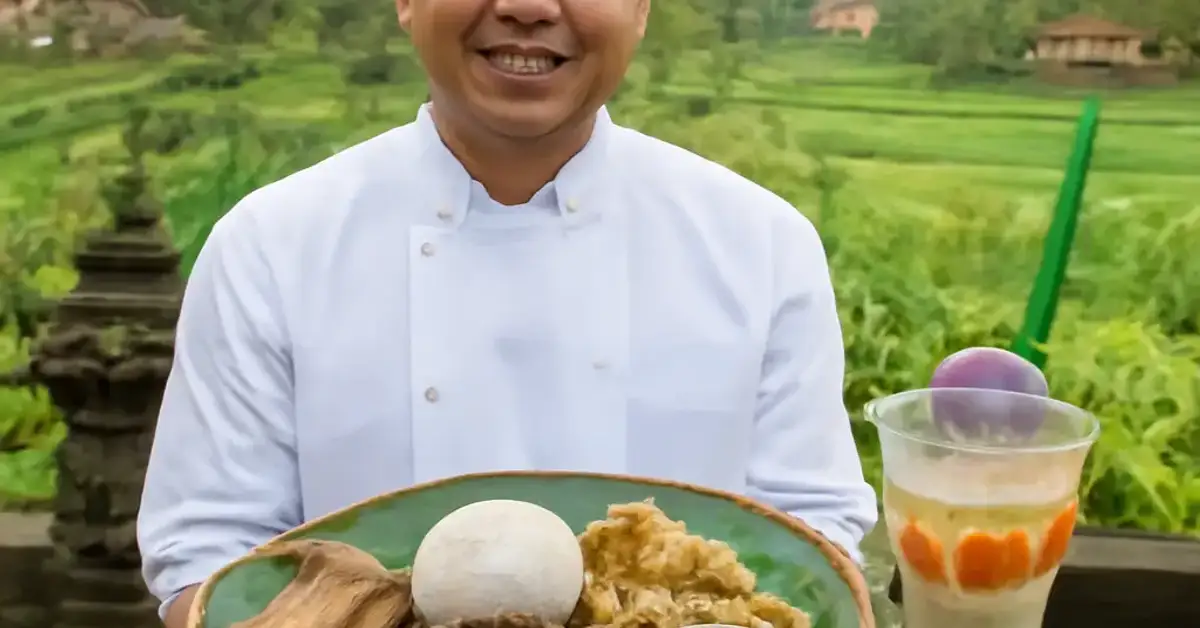
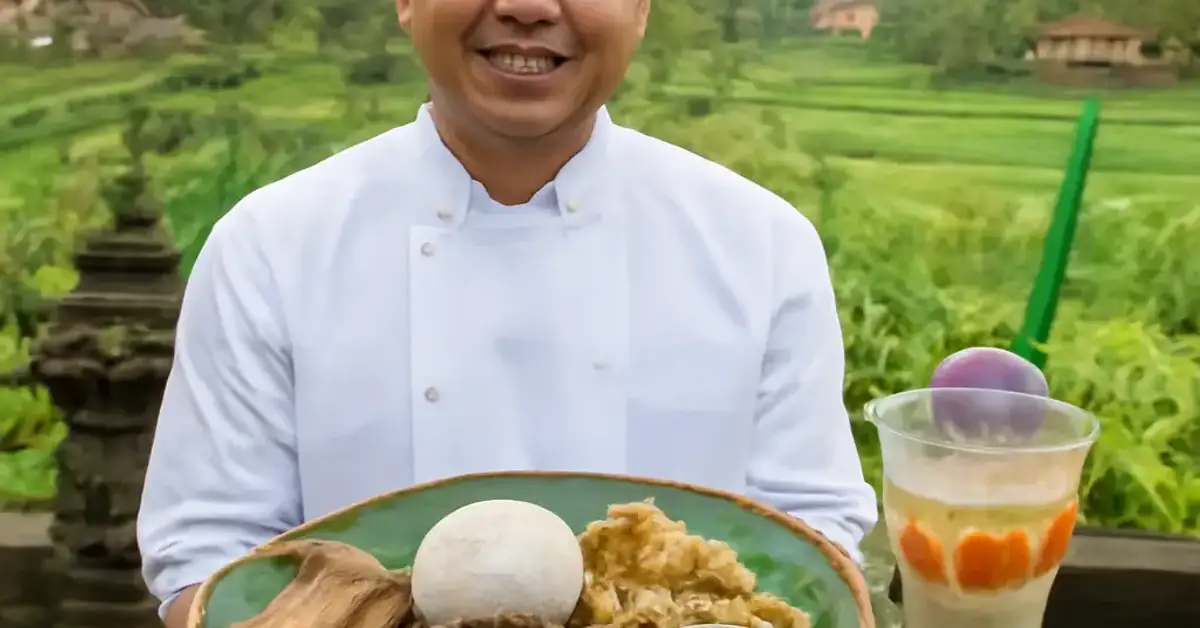
As an Executive Chef based in Ubud, I have seen how Filipino food Bali offerings—from a humble bowl of sinigang to a festive lechon—resonate with locals and international visitors alike. The presence of Bali Filipino restaurants and pop-up kitchens has grown steadily, giving travelers an unexpected taste of home and a fresh perspective on the island’s diverse food scene. This article presents seven specific, actionable ways to experience Bali through Filipino cuisine, each designed to enrich your travel itinerary and deepen your appreciation for both cultures. For a related guide, see Why Travelers Crave Authentic Human Connections Abroad.
1. Dine at a Dedicated Filipino Restaurant or Warung
The most straightforward of the ways to experience Bali through Filipino cuisine is to visit one of the island’s dedicated Filipino dining spots. While not yet as numerous as Japanese or Mexican eateries, Filipino restaurants Bali have carved a niche, particularly in Ubud and Seminyak. Kilig Filipino Warung, where I serve as Executive Chef, is one such place. Here, authentic Filipino food is presented in a relaxed, family-style setting that mirrors the warmth of a Filipino home.
What to Expect on the Menu
Look for staples like adobo—chicken or pork braised in soy, vinegar, and garlic—and sinigang, a tamarind-based soup that showcases the Filipino love for sour broth. Many Bali restaurants also serve sisig, a sizzling chopped pork dish topped with egg, and pancit, stir-fried noodles that represent longevity and celebration. At Kilig, we use local ingredients such as Balinese lemongrass and coconut to complement traditional Filipino recipes, creating a menu that feels both familiar and adventurous.
Why This Matters for Travelers
For overseas Filipinos, these restaurants answer the question “where can travelers experience Filipino cuisine in Bali?” with a resounding “right here.” The experience goes beyond eating; it is a moment of cultural dining where you can hear Tagalog and Bahasa Indonesia spoken at adjacent tables, illustrating the cultural exchange between the two nations.
2. Join a Private Villa Dinner Hosted by a Filipino Chef
A second, more intimate way to engage with Filipino cuisine in Bali is through a private dining experience. As a chef who regularly hosts villa dinners, I can attest that this format allows for the deepest expression of authentic Filipino flavors. Imagine a candle-lit table overlooking a rice terrace, where each course is paired with a story about the dish’s origin.
The Chef’s Table Experience
Private dinners often feature a multi-course menu that highlights Filipino dishes like slow-roasted lechon with crispy skin, lumpia (spring rolls) filled with local vegetables, and a dessert of halo-halo—shaved ice with sweet beans, fruit, and leche flan. Because these dinners are curated by Filipino chefs who source from local markets, the result is a true fusion of Southeast Asian flavors.
This setting answers “how can Filipino cuisine enhance a trip to Bali?” by transforming a meal into a memorable event. It is ideal for couples, small groups, or solo travelers who want a dining experience that feels personal and exclusive.
3. Attend a Filipino Cooking Class or Food Tour
For the hands-on traveler, few ways to experience Bali through Filipino cuisine compare to learning to cook it yourself. Several food tours and cooking schools around Ubud now include Filipino dishes in their curriculum, reflecting the growing interest in Southeast Asian cuisine as a whole. Culinary tourism is booming in Bali, and Filipino cooking classes are a natural fit.
What You’ll Learn
A typical half-day class may cover three to four Filipino dishes, starting with a market visit to source tropical ingredients. You will learn how to balance the sour, salty, and sweet notes that define Filipino cooking, and how to adapt recipes using Balinese produce. This is an excellent answer to “what authentic Filipino dishes are available in Bali?” because you not only taste them but also replicate them back home.
Who It’s For
This option suits food travel enthusiasts, digital nomads, and travel bloggers who want content that goes beyond a simple restaurant review. It also appeals to families, as cooking together creates shared meals and lasting memories.
4. Visit a Pop-Up or Festival Featuring Filipino Flavors
Bali’s food scene is dynamic, with pop-up events and festivals occurring year-round. A fourth pathway for culinary travel Bali is to seek out temporary venues where Filipino food abroad is showcased. These events often happen in collaboration with local hotels or at community markets.
Examples of Pop-Up Dining
In recent years, I have participated in several pop-ups at beach clubs in Canggu and at wellness resorts in Ubud. The menus typically feature comfort food like adobo sliders, sisig tacos, and pancit bowls, all made with local ingredients. These events are perfect for first time visitors to Bali who want a casual entry point into Filipino dining Bali without committing to a full sit-down meal.
How to Find Them
Follow Bali restaurants on Instagram or join local foodie groups on Facebook. Announcements for pop-ups often appear with limited notice, so staying connected is key. These events answer “what are the best Filipino dishes to try while visiting Bali?” by giving you a curated sampling of crowd favorites.
5. Explore the Cultural Connections Between Balinese and Filipino Kitchens
The fifth way is more intellectual but no less satisfying: use Filipino cuisine as a lens to understand Balinese cuisine. When you travel and food converge in this manner, the entire island becomes a classroom. Both cuisines rely heavily on tropical ingredients—coconut, turmeric, galangal, and pandan—and both value the balance of sour and spicy elements.
Shared Culinary Heritage
Southeast Asian flavors like tamarind and fish sauce appear in both Filipino and Indonesian kitchens. The Filipino dish sinigang shares a sour profile with Bali’s sayur asem. Likewise, adobo’s vinegar base mirrors the sourness found in Balinese lawar. By recognizing these parallels, travelers gain a deeper appreciation for cultural dining and the historical trade routes that connected the archipelago.
This approach answers “what similarities exist between Filipino and Indonesian cuisine?” in a meaningful, non-superficial way. It also appeals to cultural travelers and Southeast Asia travelers who want more than a checklist of tourist sites.
6. Incorporate Filipino-Inspired Dishes into Your Bali Itinerary
Even if you do not seek out a Filipino restaurant exclusively, you can still find ways to experience Bali through Filipino cuisine by ordering accordingly at general eateries or by packing your own ingredients for a picnic. For Filipino travelers who feel the pang of overseas Filipino food cravings, this pragmatic approach can be a lifeline.
How to Build a Filipino Food Itinerary
Start your day with pancit from a warung that offers Filipino breakfast options. For lunch, look for a restaurant that serves lumpia as an appetizer—many Balinese establishments have adopted spring rolls inspired by Filipino versions. End the day with halo-halo from a dessert stand in Ubud Central. This strategy answers “why do Filipino travelers look for familiar flavors while abroad?” by acknowledging that food is emotional, and a taste of authentic Filipino food can turn a good vacation into a great one.
Food Photography and Sharing
Documenting these meals provides excellent material for food photography enthusiasts. The colorful layers of halo-halo, the sizzling platter of sisig, and the golden skin of lechon are visually striking and will enhance any travel itinerary post on social media.
7. Support Filipino Chefs and Culinary Entrepreneurs in Bali
The final—and perhaps most sustainable—of the ways to experience Bali through Filipino cuisine is to actively support the community of Filipino chefs and entrepreneurs working on the island. These individuals are not only cooking; they are ambassadors of culinary heritage and agents of cultural exchange.
Restaurant Recommendations
Beyond Kilig Filipino Warung, look for restaurant recommendations from local expat groups or from food travel blogs focused on Bali travel guide content. Several local restaurants in Sanur and Jimbaran have begun offering Filipino-inspired dishes on their menus, often run by chefs who trained in Manila or worked in Dubai. These spots answer “what restaurants serve authentic Filipino food in Bali?” with a growing list of options.
The Ripple Effect
By dining at these establishments, you help ensure that authentic Filipino flavors remain available for future visitors. You also contribute to a narrative where Filipino dining experience is recognized as a vital part of Bali’s multicultural food landscape. For culinary tourists and gastronomic tourists, this is a chance to vote with your fork and shape the island’s dining scene.
Useful Resources
For a deeper dive into the history of Filipino cuisine and its global diaspora, visit the New York Times article on Filipino food’s rise abroad. To explore more about Balinese food culture and how it intersects with other Southeast Asian traditions, read this Saveur guide to Balinese cuisine.
Chef Juan Gadi brings the heart of Filipino hospitality to Ubud, Bali. As an Executive Chef and consultant, he specializes in creating intimate, curated dining experiences that tell a story through every dish. Whether leading the kitchen at Kilig Filipino Warung or hosting a private villa dinner, Chef Juan’s approach is defined by warmth, modern technique, and a commitment to culinary excellence. For a related guide, see 10 Culinary Experiences Every Food Lover Should Have in Bali.
Frequently Asked Questions About Ways to Experience Bali Through Filipino Cuisine
Where can travelers experience Filipino cuisine in Bali ?
Travelers can visit dedicated Filipino restaurants like Kilig Filipino Warung in Ubud, attend pop-up events in Canggu, or book a private villa dinner hosted by a Filipino chef. Cooking classes and food tours also feature Filipino dishes.
How can Filipino cuisine enhance a trip to Bali?
Filipino cuisine offers a sense of comfort and familiarity for overseas Filipinos while introducing international tourists to a distinct Southeast Asian flavor profile. It deepens cultural understanding and adds variety to the Bali food scene.
What authentic Filipino dishes are available in Bali?
Restaurants in Bali serve adobo, sinigang, lechon, sisig, pancit, lumpia, and halo-halo. Many chefs adapt these recipes using local Balinese ingredients for a unique fusion.
Why do Filipino travelers look for familiar flavors while abroad?
Familiar food provides emotional comfort and a sense of home, especially during long trips. It can alleviate travel fatigue and create a deeper connection to the destination when paired with local experiences.
How does Filipino cuisine connect with Balinese food culture?
Both cuisines share a reliance on tropical ingredients like coconut, tamarind, and turmeric. They also prioritize sour and savory balances, making the transition between the two culinary traditions natural and enjoyable.
What restaurants serve authentic Filipino food in Bali?
Kilig Filipino Warung in Ubud is a primary destination. Other options include pop-up venues in Seminyak and occasional features at hotels and resorts in Sanur and Jimbaran.
What are the best Filipino dishes to try while visiting Bali?
Adobo, lechon, and sisig are top choices for main courses, while halo-halo is a must-try dessert. Lumpia and pancit are excellent lighter options that travel well.
How can food help travelers feel at home during international trips?
Food triggers memory and emotion. Eating familiar dishes reduces stress and creates a psychological anchor, allowing travelers to relax and enjoy new experiences more fully.
What similarities exist between Filipino and Indonesian cuisine?
Both cuisines use coconut milk, lemongrass, and fermented pastes. They favor sour and spicy flavors, as seen in Filipino sinigang and Indonesian sayur asem, and both feature grilled meats with dipping sauces.
Why should food lovers include Filipino dining in their Bali travel itinerary?
Including Filipino dining adds diversity to the culinary journey and supports a growing food movement. It also offers a rare chance to compare two Southeast Asian traditions side by side.
Is Filipino food in Bali spicy?
Generally, Filipino food is milder than Balinese cuisine. Dishes like adobo and sinigang focus on sour and savory notes, but some versions of sisig can include chili for heat.
Can I find vegetarian Filipino dishes in Bali?
Yes. Many Filipino chefs offer vegetable lumpia, tofu-based sisig, and vegetarian sinigang made with tamarind broth and local greens. Ask at the restaurant for options.
Are Filipino restaurants in Bali expensive?
Prices vary. Warung-style dining is affordable, while private villa dinners are premium experiences. Most dishes at dedicated restaurants cost between 40,000 and 120,000 IDR.
Do I need to make a reservation at Filipino restaurants in Bali?
For popular spots and private dinners, reservations are recommended. Walk-ins are usually fine at warungs, especially during off-peak hours.
What drink pairs well with Filipino food in Bali?
Coconut water, calamansi juice, or a cold Bintang beer complement the savory and sour notes of Filipino dishes. For non-alcoholic options, try fresh sugarcane juice.
Can I request a custom menu for a Filipino-themed dinner in Bali?
Yes. Many chefs, including myself, offer customized menus for private events. You can request specific dishes like lechon or a halo-halo bar for dessert stations.
Are Filipino cooking classes suitable for beginners?
Absolutely. Classes are designed for all skill levels and cover basic techniques like knife skills and sauce preparation. No prior cooking experience is needed.
How long is a typical Filipino cooking class in Bali?
Most classes last three to four hours, including a market tour. Some half-day sessions run up to five hours with a full meal at the end.
Do Filipino chefs in Bali use imported ingredients?
Some key ingredients like banana ketchup or calamansi are imported, but most chefs prioritize local vegetables, seafood, and spices to keep dishes fresh and sustainable.
What is the best time of year to enjoy Filipino food events in Bali?
Events peak during dry season (April to October), especially around August when Filipino communities celebrate Buwan ng Wika. Check social media for pop-up schedules.
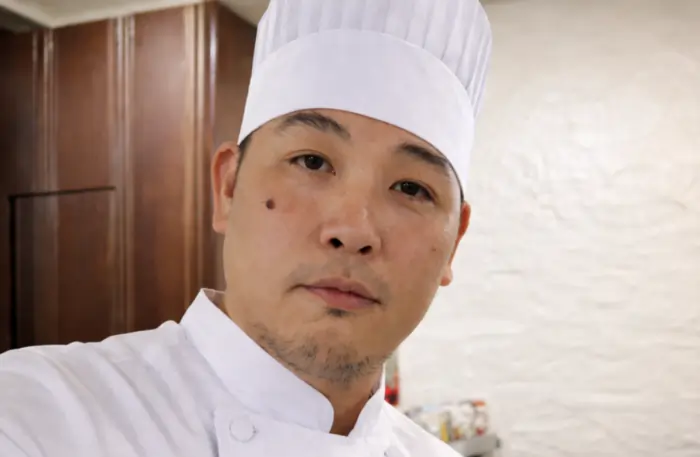
Chef Juan Gadi brings the heart of Filipino hospitality to Ubud, Bali. As an Executive Chef and consultant, he specializes in creating intimate, curated dining experiences that tell a story through every dish. Whether leading the kitchen at Kilig Filipino Warung or hosting a private villa dinner, Chef Juan’s approach is defined by warmth, modern technique, and a commitment to culinary excellence.