
Local Dining Experiences Worth Adding to Your Bali Itinerary Key Takeaways
Bali is a paradise not just for surfers and sunset chasers, but for anyone who believes the best way to understand a culture is through its food.
- The eight Local Dining Experiences Worth Adding to Your Bali Itinerary span village kitchens, night markets, and secluded farm tables.
- Each experience goes beyond a meal — it’s a cultural immersion that connects you with local farmers, chefs, and centuries-old recipes.
- Whether you’re a first-time visitor or a seasoned food traveler , this guide will help you discover the hidden food gems that most tourists miss.
What Makes Local Dining Experiences Worth Adding to Your Bali Itinerary
Bali’s culinary landscape stretches far beyond the menus of beach clubs and resort buffets. The island’s true authentic flavors live in the hands of home cooks, the woks of street food vendors, and the creative kitchens of chefs who source from local markets every morning. For the traveler willing to wander a little off the paved path, these experiences become the most vivid memories of their journey. Bali dining experiences rooted in tradition don’t just fill your stomach — they teach you about religion, community, and the rhythm of daily life.
Why Authentic Dining Matters for Culinary Tourism
Culinary tourism has exploded in recent years, and Bali sits at its epicenter in Southeast Asia. Yet, many visitors end up in generic tourist traps serving sweetened, westernized versions of Indonesian cuisine. The local dining experiences worth adding to your Bali itinerary are the ones that respect the culinary heritage of the island. They use tropical ingredients grown in volcanic soil, follow regional specialties, and often involve communal preparation — a practice known as megibung in Balinese tradition.
1. Nasi Campur at a Family-Run Local Warung in Ubud
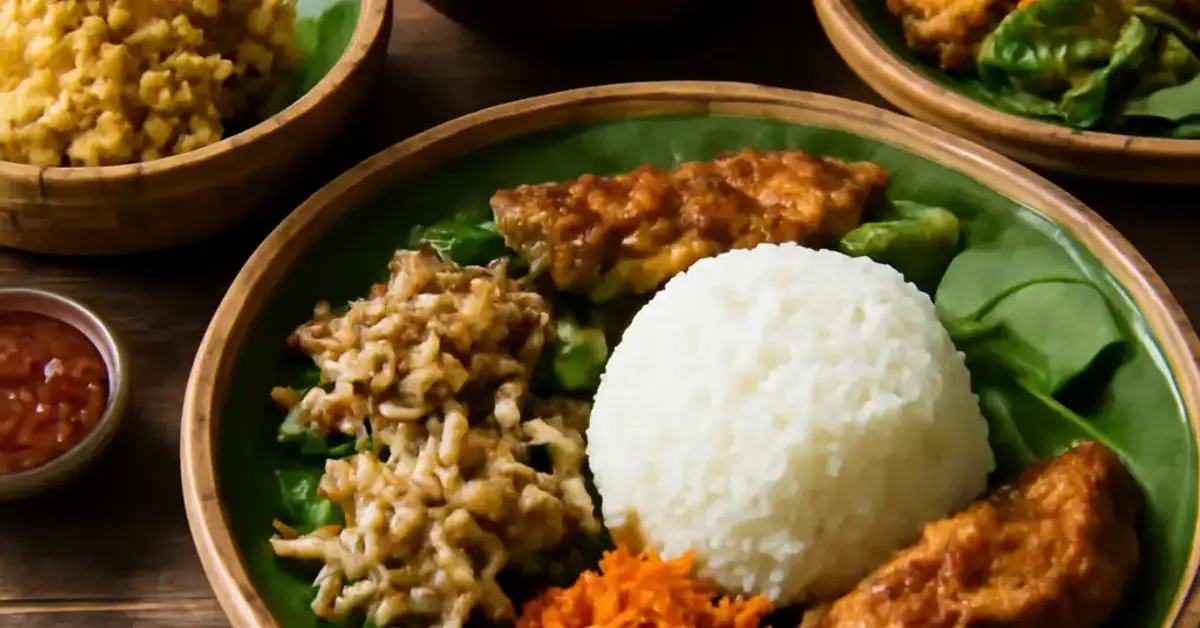
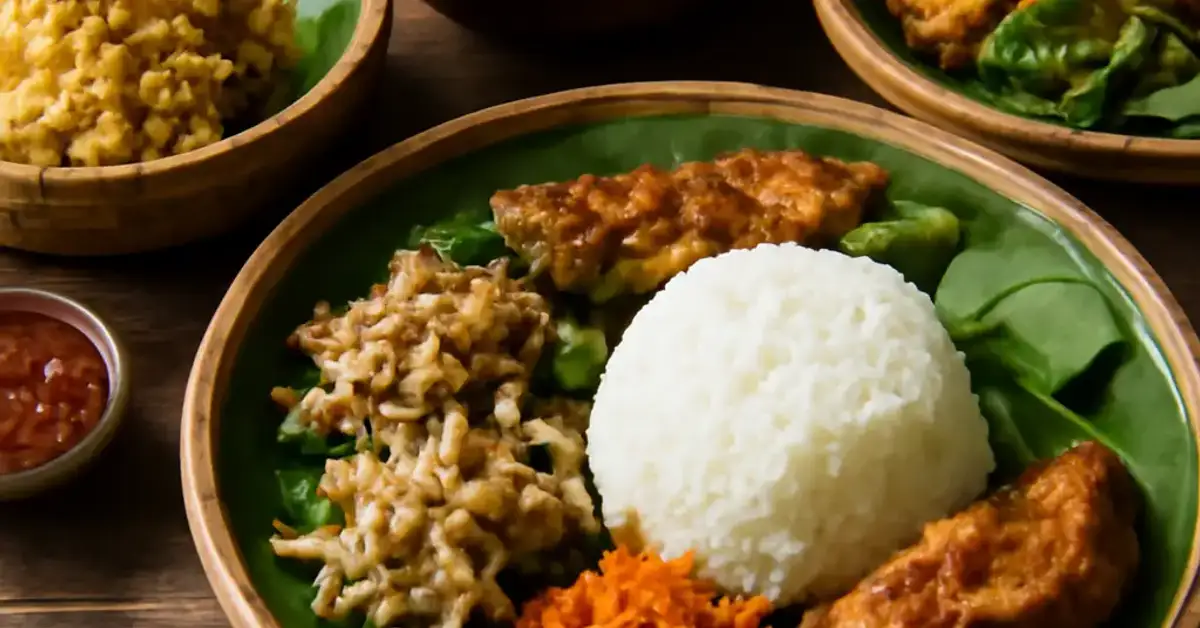
No Bali food guide is complete without a deep dive into the warung culture. A local warung is essentially a family-owned eatery, often with just a few plastic stools and a glass case filled with steaming pots. The dish to order is nasi campur — a plate of rice surrounded by small portions of vegetables, meat, sambal, and fried shallots. One of my favorite warungs is a tiny spot run by a grandmother in the rice fields north of Ubud. She cooks only what she buys that morning at the local markets, so the menu changes daily. This is authentic Balinese food at its purest. It’s also a fantastic opportunity for food photography, as the colorful arrangement on a banana leaf is stunning.
Tips for Finding Hidden Warungs
Look for warungs with only Indonesian writing on the sign, a steady stream of local motorbikes parked outside, and a single cook who greets you with a smile. These authentic restaurants rarely show up on Google Maps, but they reward you with memorable meals for just a few dollars.
2. A Chef’s Table Experience in a Private Villa in Seminyak
While warungs offer tradition, chef’s table experiences represent the cutting edge of Bali dining experiences. In my own work as a consultant chef, I design private dinners where guests sit at an open kitchen counter and watch each dish being composed. In Seminyak, a handful of chefs are combining artisan cooking techniques with hyper-local tropical ingredients. Think of a grilled octopus served with a sambal matah made from lemongrass grown in the villa garden, or a dessert that uses Balinese vanilla and palm sugar. These tasting menus are a direct conversation between the chef, the land, and the guest.
What to Expect
A chef’s table experience in Bali usually seats 6–10 people and includes wine or cocktail pairings. The chef will often explain the story behind each ingredient, turning the meal into a cultural immersion. It’s one of the most intimate culinary adventures the island offers.
3. Farm to Table Dining in the Central Highlands
The farm to table dining movement in Bali is not a trend — it’s a return to tradition. Balinese farmers have practiced integrated agriculture for centuries, growing rice, vegetables, and herbs alongside sacred temples. Today, a number of restaurants in the highlands around Bedugul and Kintamani serve meals composed entirely of ingredients harvested that day. You can walk through the vegetable patch before sitting down to a lunch that features lawar — a traditional Balinese dish made with minced meat, grated coconut, and herbs — and fresh river fish. This is sustainable dining at its most delicious.
Why It Matters for Food Travelers
Food travelers who care about sustainable dining will find that these restaurants often compost waste, use solar energy, and support local chefs from surrounding villages. It’s a meal that tastes good in every sense.
4. Street Food and Night Markets in Denpasar
Every serious Bali travel itinerary should dedicate at least one evening to Denpasar’s night markets. Pasar Badung, the island’s largest market, comes alive after dark with stalls selling everything from skewered satay to pisang goreng (fried bananas). Street food in Bali is incredibly diverse, reflecting the broader Indonesian cuisine heritage. Try soto ayam (chicken soup with turmeric and lime), babi guling (suckling pig), and rujak (a spicy fruit salad). A guided food tour is a smart way to navigate these bustling markets and avoid an upset stomach.
What to Order at a Night Market
Start with a cold es campur (shaved ice dessert) to cool down, then move to the grilled seafood section. The seafood restaurants in Jimbaran Bay are famous, but the night market versions are more raw and exciting.
5. Village Dining in the Sidemen Valley
One of the most transformative local dining experiences worth adding to your Bali itinerary is a meal prepared by a family deep in the Sidemen Valley. This is village dining at its most honest. I once joined a family for a day of preparation: harvesting bamboo shoots, grating coconut, and wrapping fish in banana leaves. The meal itself was served on a low table in the middle of a rice terrace as the sun set behind Mount Agung. This is not a restaurant — it’s a home. The authentic flavors come from recipes passed through generations, using only what the family grows or trades with neighbors.
How to Arrange a Village Dining Experience
Many local homestays in the Sidemen area can arrange this for you. It’s a beautiful example of how cultural dining functions as a bridge between visitors and the community. Bring an open mind and a willingness to eat with your hands — it’s the most respectful way to enjoy a Balinese family meal.
6. Balinese Cooking Classes in a Traditional Compound
For culinary enthusiasts who want to bring a piece of Bali home, nothing beats a Balinese cooking class set inside a traditional family compound. These classes go beyond technique — they begin with a trip to a local market where you learn to select the freshest turmeric, galangal, and torch ginger. Back in the open-air kitchen, you’ll grind your own spice paste with a mortar and pestle, a labor that deepens your appreciation for regional specialties. Most classes end with a feast you helped create, shared with your instructors and classmates.
Which Class to Choose
Look for classes that are small (4–6 people), taught by a family member rather than a hired chef, and that emphasize traditional Balinese dishes like bebek betutu (slow-cooked duck) and jaja laklak (pancakes). These are some of the most rewarding food experiences you can have.
7. Hidden Food Gems in the Northern Coast
Most tourists concentrate their dining in the south, which means the north coast — areas like Lovina, Pemuteran, and Singaraja — is teeming with hidden food gems. Here, local warungs serve sate lilit (minced fish satay wrapped around lemongrass) and tipat cantok (a salad of lontong and vegetables with peanut sauce). The seafood restaurants here are simpler than those in Jimbaran, but the fish comes directly from the morning catch, often grilled over coconut husks. The pace is slower, and the welcome is warmer.
Why Go North
A Bali travel itinerary that includes the north rewards food lovers with dishes that haven’t been adapted for foreign palates. The authentic Balinese food here is fiercely local. Don’t skip the soto ayam from a warung near the Lovina market — I still dream of that broth.
8. Gastronomic Travel with a Focus on Regional Specialties
This final experience ties everything together: a multi-day food tour designed around regional specialties and the chefs who preserve them. Several boutique operators now offer curated itineraries that move from a farm to table dining experience in Bedugul to a chef’s table experience in Canggu, with stops at local markets and artisan cooking demonstrations along the way. For a gastronomic travel lover, this is the ultimate way to understand Bali’s culinary heritage.
Planning Your Own Bali Food Guide Tour
If you prefer to go it alone, pick a theme: street food in urban markets, warungs in Ubud, or village dining in the east. Each region tells a different story. The key to authentic experiences is flexibility — the best meal often comes from a recommendation you receive while sipping coffee at a morning market.
Useful Resources
To help you plan your local dining experiences worth adding to your Bali itinerary, here are two trusted sources for deeper exploration:
- Lonely Planet — Best Places to Eat in Bali — A curated list of restaurants, warungs, and cafes across the island, regularly updated by local experts.
- Culinary Backstreets — Bali Food Guides — In-depth articles on street food, local markets, and authentic restaurants written by journalists and locals.
Local dining experiences worth adding to your Bali itinerary are more than meals — they are stories, connections, and a taste of the island’s living culture. From the sizzle of a night market wok to the quiet grace of a village dining table overlooking rice terraces, Bali invites you to eat with intention. As Chef Juan Gadi, I’ve built my career on the belief that food should be personal, warm, and rooted in place. I encourage you to step beyond the familiar and let the authentic Balinese food of these eight experiences transform the way you see this beautiful island. Your next unforgettable meal is waiting — all you have to do is say yes. For a related guide, see 10 Culinary Experiences Every Food Lover Should Have in Bali.
Frequently Asked Questions About Local Dining Experiences Worth Adding to Your Bali Itinerary
What are the best local dining experiences in Bali?
The best local dining experiences worth adding to your Bali itinerary include eating at a family-run local warung, joining a Balinese cooking class, enjoying a chef’s table experience, and dining in a village home. Each offers a different window into Balinese culture and authentic flavors. For a related guide, see 7 Ways to Experience Bali Through Filipino Cuisine.
Which authentic restaurants should travelers visit in Bali?
Travelers should seek out authentic restaurants like warungs in Ubud, farm to table dining spots in Bedugul, and seafood restaurants in the north. Avoid tourist strips and look for places where locals eat.
What traditional Balinese dishes are worth trying?
Must-try traditional Balinese dishes include nasi campur, babi guling, bebek betutu, sate lilit, lawar, and jaja laklak. These dishes showcase the island’s unique spices and cooking techniques.
Where can visitors enjoy local warungs and village dining ?
Local warungs are scattered across every town, while village dining experiences are typically arranged through homestays in areas like Sidemen and the northern highlands. Both offer authentic Balinese food in intimate settings.
Are chef’s table and farm to table experiences available in Bali?
Yes, chef’s table experiences are available in Seminyak, Canggu, and Ubud, while farm to table dining thrives in the highlands. Both are growing trends in Bali dining experiences and are perfect for gastronomic travel.
How do local dining experiences help travelers understand Balinese culture?
Food is central to Balinese life — meals are often shared, prepared communally, and tied to religious offerings. Local dining experiences reveal the importance of community, gratitude, and the island’s spiritual connection to the land.
What food markets should be included in a Bali itinerary ?
Include Pasar Badung in Denpasar for night markets, Ubud Market for spices and snacks, and the Bedugul Market for fresh produce. These are essential for culinary tourism and food photography.
How can travelers find authentic restaurants instead of tourist spots?
Use local recommendations, look for menus in Indonesian only, and avoid areas with commission touts. A quality Bali food guide and a willingness to explore side streets will lead you to hidden food gems.
What makes local dining in Bali unique?
Bali’s local dining is unique because of its deep roots in Hindu culture, its use of tropical ingredients and regional specialties, and the communal spirit in which meals are prepared and shared.
How can food lovers plan a memorable culinary itinerary across Bali?
Plan a route that includes warungs in Ubud, farm to table dining in Bedugul, street food in Denpasar, and village dining in Sidemen. Incorporate Balinese cooking classes and one chef’s table experience for a well-rounded food travel adventure.
What is a warung and why is it important for Bali local dining ?
A warung is a small family-run eatery. It’s the heart of Bali local dining because it serves home-style authentic Balinese food at affordable prices, often using recipes passed down for generations.
Is street food safe to eat in Bali?
Yes, street food is generally safe when you choose stalls with high turnover, clean preparation areas, and hot, freshly cooked food. Night markets in Denpasar are especially popular for culinary adventures.
What is the difference between a warung and a restaurant in Bali?
A warung is casual, family-run, and often has a limited menu. A restaurant in Bali can range from a beach club to a fine-dining venue. For authentic experiences, warungs are usually the better choice.
Do I need to book chef’s table experiences in advance?
Yes, chef’s table experiences are intimate and limited to a small number of guests. Book at least one week in advance, especially during high season.
Can vegetarians enjoy Balinese cuisine ?
Absolutely. Many traditional Balinese dishes are plant-based or can be adapted, such as urap (spiced grated coconut salad), lawar without meat, and tempeh preparations. Most local warungs are accommodating.
What is the best time of day for local dining experiences in Bali?
Early morning for local markets, lunch for warungs, and sunset for village dining or seafood restaurants. Night markets are best visited after 7pm.
How much does a local dining experience in Bali cost?
Warungs cost $2–5 per meal, farm to table dining averages $15–30, and chef’s table experiences range from $50–150 per person. The value for authentic flavors is exceptional.
What should I wear for village dining or a Balinese cooking class ?
Wear modest, comfortable clothing — long pants or a sarong. Closed-toe shoes are advisable for cooking classes. Respect for local customs enhances any cultural dining experience.
Can I find halal options for local dining in Bali?
Yes, many warungs and restaurants, especially in predominantly Muslim areas like Denpasar and the north, serve halal-certified Indonesian cuisine. Always ask your host or chef.
What is megibung and where can I experience it?
Megibung is a Balinese tradition of eating communally from a single platter. It is occasionally offered as part of village dining experiences in eastern Bali and during temple festivals.
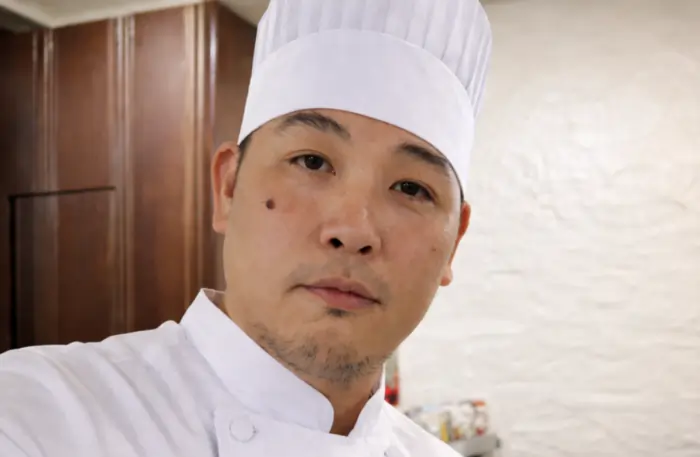
Chef Juan Gadi brings the heart of Filipino hospitality to Ubud, Bali. As an Executive Chef and consultant, he specializes in creating intimate, curated dining experiences that tell a story through every dish. Whether leading the kitchen at Kilig Filipino Warung or hosting a private villa dinner, Chef Juan’s approach is defined by warmth, modern technique, and a commitment to culinary excellence.