
Ways to Turn Every Meal Into a Travel Experience Key Takeaways
Imagine a small open-sided eatery with plastic chairs, a glass case of colorful dishes, and the sound of sizzling chili.
- Discover how culinary travel Bali starts at local warungs and night markets.
- Learn why authentic Balinese cuisine is best understood through cooking classes and family-run restaurants.
- Explore Bali food experiences that go beyond sightseeing to create lasting memories.

What Readers Should Know About Ways to Turn Every Meal Into a Travel Experience
Bali is a feast for the senses. From the scent of cloves and lemongrass drifting from a roadside warung to the bright colors of tropical fruit piled high at a morning market, every meal can become a story. The ways to turn every meal into a travel experience go beyond simply eating—they invite you to taste culture, history, and community. In this guide, we’ll explore how to make every bite an adventure, whether you’re sipping kopi at a village stall or enjoying a chef’s table overlooking rice terraces. For a related guide, see 7 Ways to Experience Bali Through Filipino Cuisine.
Why Food Is an Important Part of Meaningful Travel
Food is the most direct path into a culture. When you share a meal with a Balinese family, learn to grind spices in a traditional cobek, or haggle for dragon fruit at a night market, you’re not just eating—you’re participating. Authentic Balinese cuisine is woven into rituals, festivals, and daily life. By prioritizing local dining experiences Bali offers, you gain insight that no guidebook can provide.
1. Step Into a Local Warung and Taste Tradition
Imagine a small open-sided eatery with plastic chairs, a glass case of colorful dishes, and the sound of sizzling chili. This is a warung, the heart of culinary travel Bali. Local warungs serve traditional Balinese dishes like nasi campur (mixed rice with small portions of vegetables, meat, and sambal) and babi guling (suckling pig).
Cultural Insight
Warungs are family-run, often for generations. The recipes passed down through grandmothers carry the essence of Balinese cuisine. Eating here isn’t just about food—it’s about connection.
Actionable Advice
Look for warungs where locals queue. In Ubud, Warung Sari Bumbu is a gem; in Seminyak, try Warung Kecil. Don’t be shy to point at what looks good—most warungs display pre-cooked dishes. This is one of the simplest ways to turn every meal into a travel experience without spending much.
2. Navigate Night Markets for Street Food Adventures
As dusk settles, Bali’s night markets come alive with glowing lamps, smoky grills, and the chatter of vendors. Street food here is an adventure in itself. Skewers of satay lilit (minced fish or chicken mixed with coconut and spices), crispy pisang goreng (banana fritters), and steaming bowls of bakso (meatball soup) are just the start.
How Local Markets and Street Food Reveal Balinese Culture
Night markets are social hubs. Families gather, teenagers flirt over a shared plate of martabak, and vendors call out their specialties. The ingredients—fresh turmeric, galangal, kaffir lime—tell the story of Bali’s volcanic soil and tropical climate. This is food exploration at its most authentic.
Actionable Advice
Visit Gianyar Night Market or Sanur Night Market. Arrive hungry and pace yourself. Try one stall at a time, and always carry small bills. Don’t miss the sate lilit—it’s a signature of Balinese cuisine.
3. Enroll in a Balinese Cooking Class for Hands-On Discovery
Cooking classes are more than a lesson—they’re a gateway to culinary heritage. In a Balinese cooking classes, you’ll visit a local market to choose ingredients, then prepare dishes alongside a local chef. You’ll learn techniques like grinding spice pastes, wrapping banana-leaf parcels, and balancing sweet, sour, salty, and bitter.
Are Cooking Classes and Food Tours Worth Joining?
Absolutely. They answer the question how can every meal become a travel experience by turning passive eating into active participation. Classes in Ubud (like at Paon Bali Cooking Class) or in the Canggu area often include a visit to a family compound, offering cultural immersion that goes beyond the kitchen. For a related guide, see 12 Food Adventures That Go Beyond Restaurant Dining.
Actionable Advice
Book a morning class so you can visit the market before it gets crowded. Wear comfortable shoes and bring a camera. The dishes you cook—like lawar, sate, and pepes ikan—become souvenirs you can recreate at home.
4. Dine at Family-Owned Restaurants and Warungs for Intimate Encounters
Family-owned restaurants and warungs offer what no luxury resort can: a seat at the family table. Here, you’re not a customer—you’re a guest. The authentic dining experience includes stories about the recipe’s origin, a peek into the kitchen, and perhaps an extra serving of lawar from the owner’s own bowl.
What Are the Benefits of Dining at Family-Owned Restaurants and Warungs?
You support the local economy directly. You taste recipes unchanged by tourism. You experience village cuisine as it was meant to be eaten. In villages like Tegalalang or Panglipuran, family-warungs serve jackfruit curry, long bean sambal, and free-range chicken dishes that reveal the depth of Indonesian cuisine.
Actionable Advice
Ask your driver or homestay host for recommendations. They know the best family warungs. Go early for lunch when dishes are freshest, and always thank the cook—it means more than a tip.
5. Seek Out Chef’s Table and Farm-to-Table Dining Experiences
For a more polished take on gastronomic travel, Bali offers extraordinary chef’s table experiences and farm to table dining. Restaurants like Locavore in Ubud or Nusantara by Locavore craft multi-course tasting menus using ingredients from local farmers and foragers. You’ll taste regional specialties reinterpreted with modern technique.
Cultural Insight
These chefs work closely with local chefs and farmers, reviving heirloom ingredients like wild turmeric, snakefruit, and moringa. The sustainable dining movement here is a response to Bali’s environmental challenges—by eating locally, you reduce your footprint and celebrate authentic flavors.
Actionable Advice
Reserve weeks in advance for Locavore. For a more spontaneous option, try the tasting menu at Restaurant Ulaman or The Fair Warung by Trans Studio. Ask the chef about the “forgotten ingredients” used—it makes the meal a story worth sharing.
6. Discover Hidden Food Gems Through Food Tours
Food tours take the guesswork out of finding hidden food gems. Led by local guides, these tours weave through backstreets, markets, and unmarked stalls. You’ll taste traditional Balinese dishes you might never find on your own, from lawar (a spicy mince salad) to rujak (a fruit salad with palm sugar dressing).
How Can Travelers Discover Authentic Balinese Cuisine?
Food tours are the shortcut. A good guide explains the significance of each dish: the use of basmati rice in ceremonies, the role of pork in Balinese Hinduism, the seasonal fruits that mark the calendar. These tours also include stops at local restaurants and warungs known only to locals.
Actionable Advice
Choose a small-group tour (4–8 people) for a more personal experience. Bali Food Tours or Ubud Food Tour are well-rated. Come hungry and ask questions—guides love sharing their culinary heritage.
7. Visit Local Markets at Dawn for Freshness and Insight
Local markets are the heartbeat of Balinese food culture. At Pasar Ubud or Pasar Badung, you’ll see farmers unloading baskets of tropical fruits—rambutan, mangosteen, salak—and piles of fresh turmeric, ginger, and chili. The market is where you understand the ingredients behind authentic Balinese cuisine.
How Do Local Markets Reveal Balinese Culture?
They show the rhythm of daily life. Women balance baskets on their heads, children help weigh produce, and the air is thick with the scent of incense and spices. Markets also reveal regional specialties: in the highlands, you’ll find strawberries and coffee; on the coast, fish and sea salt.
Actionable Advice
Go between 6 and 8 AM. Hire a guide to explain the produce. Buy a few fruits you’ve never tried and sample them on the spot. This is food travel in its purest form.
8. Embrace the Art of Food Photography to Savor the Moment
Food photography isn’t just for Instagram—it’s a way to slow down and notice the details: the sheen on a piece of grilled fish, the texture of a turmeric-stained palm, the hand-stitched banana leaf wrapping. Taking a photo encourages you to appreciate the craftsmanship behind each dish.
How Can Food Create Lasting Travel Memories?
Photographs trigger memories of taste, smell, and place. Years later, looking at a shot of sate lilit against a sunset brings back the sound of waves and the warmth of the grill. Memorable meals deserve to be documented.
Actionable Advice
Use natural light—the golden hour at a beachfront warung is unbeatable. Capture the hands that prepared the food, the ingredients, and the setting. Don’t stage it; let the moment speak.
9. Plan a Tasting Menu or Seafood Experience by the Sea
Bali’s coasts offer spectacular seafood experiences. In Jimbaran Bay, rows of tables are set on the sand, where you choose your fresh catch—snapper, prawns, squid—and it’s grilled over coconut husks. Tasting menus at places like Sarong or Mamasan offer a curated journey through Indonesian cuisine with a modern twist.
Cultural Insight
Seafood has been central to Balinese coastal villages for centuries. The use of sambal matah (raw shallot and chili relish) with grilled fish is a testament to local ingenuity. These dining experiences connect you to the ocean and its traditions.
Actionable Advice
For Jimbaran, go at sunset and order the seafood platter. For a tasting menu, book at Sarong or meja kitchen + bar. Ask the waiter about the source of the fish—sustainable choices make the meal more meaningful.
10. Make Every Meal a Ritual of Cultural Immersion
The ultimate way to turn every meal into a travel experience is to approach it as a ritual. Before eating, pause to appreciate the scent, the colors, the hands that prepared it. In Bali, many Hindu families make a small offering of rice before meals. You can adopt a similar gratitude ritual.
What Simple Ways Help Travelers Connect with Local Culture Through Every Meal?
Learn a few words in Bahasa Indonesia: “terima kasih” (thank you), “enak” (delicious). Ask the cook about the ingredients. Eat with your hands (right hand only) when served nasi campur. These small actions transform eating into cultural dining and turn every plate into a story.
Actionable Advice
Keep a travel journal dedicated to food. Write down the name of the dish, the place, and who you shared it with. Over time, these notes become a travel itinerary of flavors that stick with you long after you’ve returned home.
Useful Resources
For deeper insight into Bali’s food culture, explore the extensive work of food writer Janet Cochrane, whose research on Balinese culinary traditions is available through academic networks. Additionally, the Bali Culinary Heritage Center offers guides to traditional recipes and regional specialties—a great resource for planning your food adventures.
- Bali Culinary Heritage Center – Explore traditional Balinese dishes and regional culinary history.
- Food and Wine: Bali Travel Guide – Curated lists of top dining experiences and hidden gems across Bali.
Frequently Asked Questions About Ways to Turn Every Meal Into a Travel Experience
How can every meal become a travel experience?
By choosing authentic local settings like warungs, markets, and family-run restaurants, and by engaging with the people and stories behind the food. Ways to turn every meal into a travel experience start with intention: learn a few local phrases, ask about ingredients, and savor each bite as a cultural connection.
Why is food an important part of meaningful travel?
Food is a direct expression of geography, history, and community. It allows travelers to understand agricultural practices, religious customs, and family traditions. In Bali, sharing a meal is an act of hospitality that reveals the island’s soul.
What local dining experiences should visitors try in Bali?
Visitors should try eating at a local warung, joining a night market food crawl, attending a Balinese cooking class, and dining at a family-owned restaurant in a village like Tegalalang or Sidemen. Each offers a distinct perspective on authentic Balinese cuisine. For a related guide, see 10 Culinary Experiences Every Food Lover Should Have in Bali.
How can travelers discover authentic Balinese cuisine ?
Venture beyond tourist strips. Use food tours, ask locals for recommendations, and look for warungs with long queues of residents. Ingredients like kemiri (candlenut) and kunyit (turmeric) signal authenticity.
Are cooking classes and food tours worth joining?
Yes. Both offer structured access to local food culture, guidance from experts, and the chance to taste or prepare dishes you might miss otherwise. Balinese cooking classes often include market visits and family compound tours, adding layers of cultural understanding.
What traditional Balinese dishes should every visitor taste?
Must-tastes include nasi campur (mixed rice), babi guling (suckling pig), sate lilit (minced fish satay), lawar (spiced mince salad), pepes ikan (steamed fish in banana leaf), and bubur injin (black rice pudding).
How do local markets and street food reveal Balinese culture?
Markets display the island’s agricultural bounty and seasonal rhythms, while street food vendors demonstrate communal eating and improvisation. Both are spaces where locals gather, trade, and celebrate daily life.
What are the benefits of dining at family-owned restaurants and warungs?
You support local economies, taste recipes unchanged by mass tourism, and experience warmth that commercial restaurants rarely offer. Many family warungs share heirloom recipes and personal stories, making the meal unforgettable.
How can food create lasting travel memories?
Food is tied to senses like smell, taste, and touch. A single bite of lawar can evoke the spice market, the laughter of a cook, and the view from a village terrace. Photographing dishes and journaling meals helps preserve those memories.
What simple ways help travelers connect with local culture through every meal?
Learn to say “delicious” in Indonesian, eat with your hand (right only), ask how dishes are made, share a table with locals, and thank the cook personally. These small gestures open doors to deeper connection.
Is street food safe to eat in Bali?
Generally yes, if you choose stalls with high turnover. Look for vendors who cook fresh food in front of you, use clean utensils, and have a line of local customers. Avoid anything that has been sitting out for hours.
What is the best time to visit a local market in Bali?
Early morning, between 6 and 8 AM. That’s when produce is freshest, crowds are smaller, and you can watch farmers unload their harvest. It’s the most authentic window into local markets.
Do I need to make reservations for cooking classes in Bali?
Yes, especially for well-known classes like Paon Bali Cooking Class or Casa Luna Cooking School. Book at least two days ahead, and confirm dietary restrictions (e.g., vegetarian, gluten-free) when you reserve.
What is the difference between a warung and a restaurant in Bali?
A warung is a small, often family-run eatery serving homestyle Balinese food, usually with plastic chairs and a simple menu. A restaurant typically has a wider menu, table service, and higher prices. Both can offer authentic dining depending on the location.
Can vegetarian travelers enjoy Balinese cuisine?
Absolutely. Bali offers many plant-based dishes such as gado-gado (vegetable salad with peanut sauce), tempeh, tahu, sayur urap (spiced shredded vegetables), and bubur sumsum (rice flour porridge). Specify “sayur” (vegetable) when ordering.
What is Balinese lawar and why is it important?
Lawar is a traditional mince dish made from vegetables, coconut, and minced meat or seafood, mixed with rich spices. It’s often served at ceremonies and represents the communal spirit of Balinese cuisine. Each region has its own variation.
How do I find hidden food gems in Bali?
Use local food blogs, join a food tour, or ask Balinese friends and drivers. Walk into alleys and look for places with a handful of parked scooters—they signal a favorite spot among locals.
Is it customary to tip in Bali restaurants and warungs?
Tipping is not mandatory but appreciated. In warungs, leaving small change (5,000–10,000 IDR) is a kind gesture. In upscale restaurants, a 5–10% service charge is often included; you can add extra if service was exceptional.
What is the most photogenic dish in Bali?
Sate lilit with its elegant banana-leaf skewers is a favorite for food photography. Also visually striking are nasi campur with its rainbow of side dishes, and the vibrant pink pitaya (dragon fruit) bowls found in health cafes.
How can I bring Balinese flavors back home?
Buy packaged spice pastes (bumbu), sambal, and palm sugar from local markets or specialty shops. Take a small notebook with recipes from your cooking class. Grow herbs like lemongrass and kaffir lime if possible.
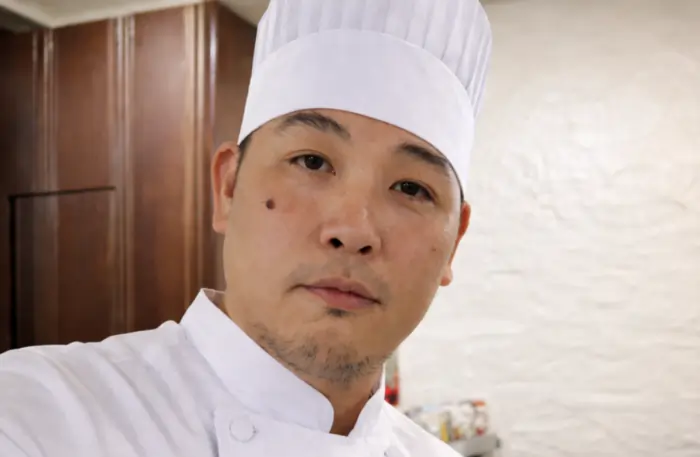
Chef Juan Gadi brings the heart of Filipino hospitality to Ubud, Bali. As an Executive Chef and consultant, he specializes in creating intimate, curated dining experiences that tell a story through every dish. Whether leading the kitchen at Kilig Filipino Warung or hosting a private villa dinner, Chef Juan’s approach is defined by warmth, modern technique, and a commitment to culinary excellence.