Culinary Discoveries That Make Bali Even More Memorable Key Takeaways
Bali is a paradise not just for surfers and sunset chasers, but for anyone who believes that the best souvenirs are flavors.
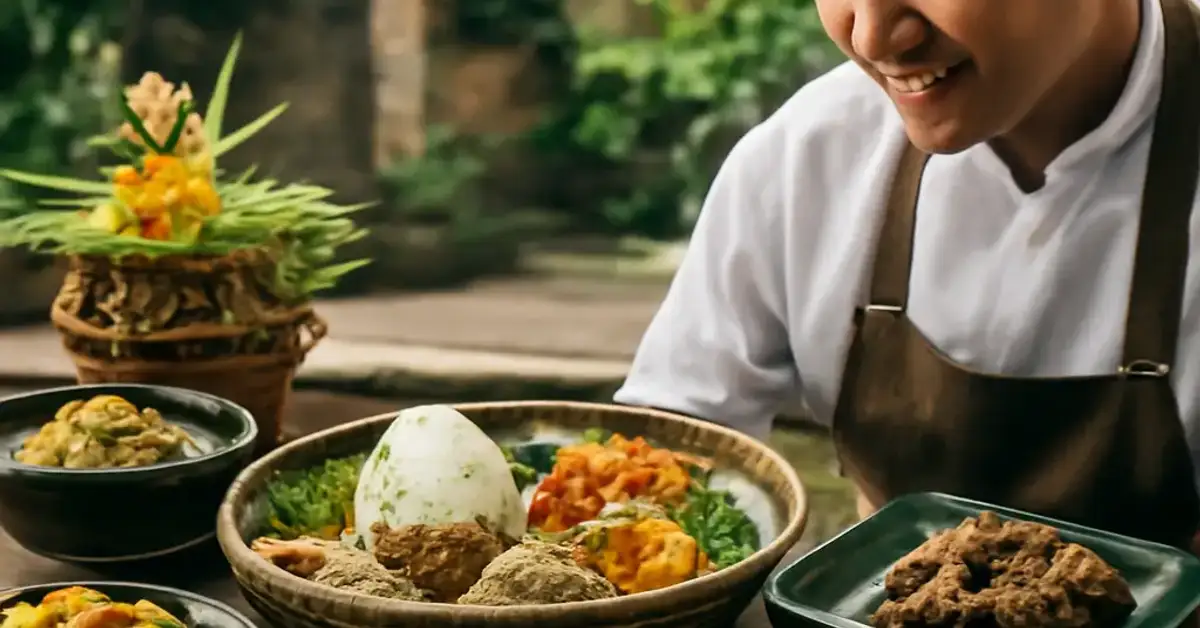
- Bali food experiences go far beyond the hotel buffet—expect fragrant sate lilit, rich lawar, and tender bebek betutu.
- Exploring authentic Balinese food means visiting local warungs, joining cooking classes, and chatting with local chefs who preserve century-old recipes.
- A well-planned culinary tourism itinerary connects you with the island’s soul, making every meal a story worth sharing.
What Makes Culinary Discoveries That Make Bali Even More Memorable So Unique?
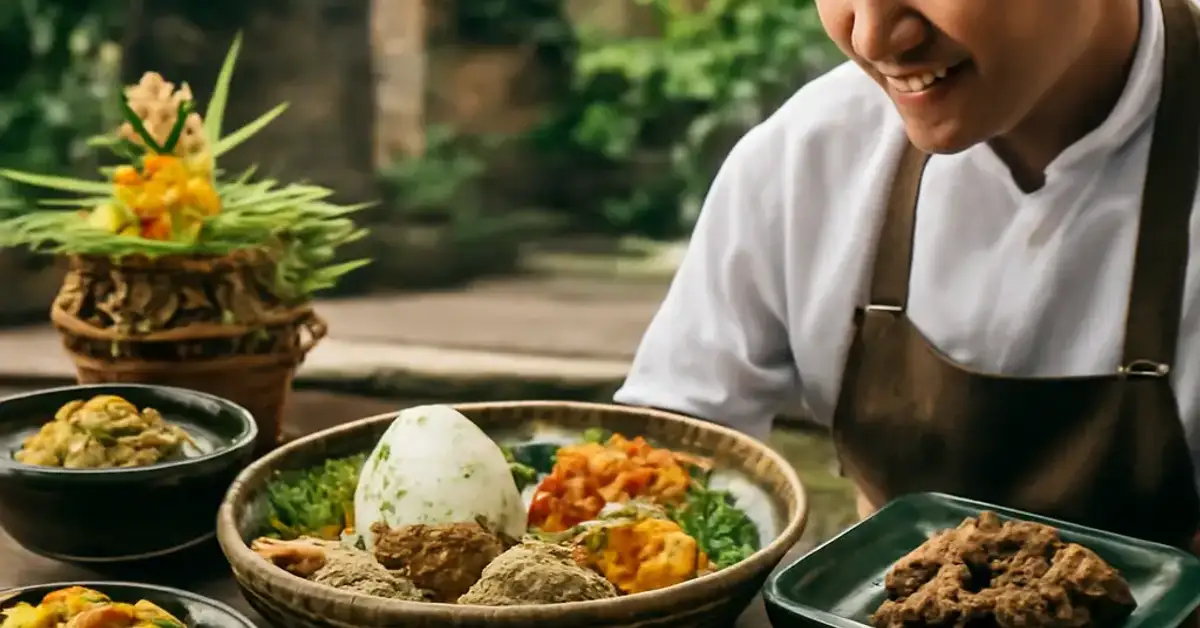
When I first moved to Ubud to open Kilig Filipino Warung, I thought I understood Southeast Asian hospitality. I was wrong. Balinese hospitality—rooted in the Tri Hita Karana philosophy of harmony between people, nature, and the divine—runs deeper than any spice paste. Every dish tells a story of volcanic soil, ocean bounty, and generations of local chefs who treat cooking as a sacred act. Bali culinary discoveries are not just about eating; they are about connecting with a culture that celebrates food as a daily ritual. Whether you are savoring traditional Balinese dishes at a roadside warung or enjoying a multi-course tasting menu overlooking rice terraces, the memory stays with you.
1. Local Warungs: The Heartbeat of Authentic Flavor
If you want to experience authentic Balinese food, skip the tourist strip and find a local warungs. These family-run eateries are the unsung heroes of Bali food experiences. I remember my first visit to Warung Mak Beng in Sanur—a tiny spot where the only dish is a fragrant fish soup with fried fish and sambal. No menu, no fuss, just perfection. Local warungs serve traditional Balinese dishes like nasi campur (a mixed rice plate with small portions of vegetables, meat, and sambal) and babi guling (suckling pig). Prices are low, flavors are high, and the welcome is genuine. For a related guide, see 7 Ways to Experience Bali Through Filipino Cuisine.
Hidden Food Gems in Ubud
In Ubud, Ibu Oka’s babi guling is legendary, but don’t stop there. Hidden food gems like Warung Sopa offer vegan takes on local classics. For authentic dining, head to the backstreets of Gianyar where sate lilit (minced fish satay wrapped around lemongrass) is grilled over coconut charcoal. These local restaurants rarely have a website—word of mouth is their menu.
2. Traditional Balinese Dishes You Must Try
Traditional Balinese dishes are a symphony of turmeric, galangal, shrimp paste, and coconut. Every traveler should try lawar (a spicy mix of vegetables, coconut, and minced meat with blood for depth), bebek betutu (slow-roasted duck wrapped in banana leaves), and jaja batun bedil (sticky rice balls in palm sugar syrup). These regional specialties vary from village to village—each with its own proportion of base genep (the essential spice paste). Authentic flavors are what make Bali culinary discoveries unforgettable.
3. Street Food and Night Markets: A Feast After Dark
Street food in Bali is an adventure for the senses. At Gianyar Night Market, vendors fry pisang goreng (banana fritters) next to stalls grilling sate lilit. The air is thick with the aroma of kecap manis and chili. Night markets like Pasar Badung in Denpasar are perfect for grazing—try martabak (stuffed pancake), bakso (meatball soup), and es campur (shaved ice with fruit and jelly). Culinary tourism here means eating with your hands, standing shoulder-to-shoulder with locals, and discovering that the best meals are often the simplest.
4. Chef’s Table Experiences and Immersive Dining
For a deeper connection, book a chef’s table experiences at a private villa or a boutique restaurant. I’ve hosted many such dinners at Kilig, where each course tells a story of heritage. Immersive dining experiences like the one at Merah Putih in Seminyak or Room4Dessert in Ubud elevate local ingredients into works of art. You’ll taste coconut from Jembrana, sea salt from Amed, and cocoa from Tabanan. These tasting menus are paired with stories from local chefs who explain the cultural significance behind each spice. Gastronomic travel doesn’t get more personal than this.
5. Farm to Table Dining: Eating from the Land
Farm to table dining is not a trend here—it’s a way of life. Restaurants like Locavore in Ubud and Moksa in Ubud’s rice fields source directly from local farmers. Sustainable dining is built into the Balinese concept of subak (communal irrigation). You can eat a salad made from greens picked that morning, paired with free-range chicken raised on a nearby farm. Artisan cooking shines when ingredients are respected. Book a table at a farm-to-table restaurant and you’ll taste the difference soil and sunshine make.
6. Balinese Cooking Classes: Take the Taste Home
Are Balinese cooking classes and food tours worth joining? Absolutely. I’ve taught classes where travelers grind their own base genep using a stone mortar, then cook an entire feast. Culinary exploration through cooking is the best souvenir. Schools like Paon Bali Cooking Class in Ubud take you to local markets first—picking out fresh turmeric, kaffir lime leaves, and tiny red shallots. You learn not just recipes, but the philosophy of balancing flavors (pedih, manis, asin, pahit—spicy, sweet, salty, bitter). Balinese cooking classes turn tourists into temporary locals. For a related guide, see 10 Best Ways to Turn Every Meal Into a Travel Experience in Bali.
7. Tropical Fruits and Local Markets
Bali’s tropical fruits deserve their own chapter. At local markets like Pasar Ubud and Pasar Badung, you’ll find snake fruit (salak), mangosteen, jackfruit, and several varieties of banana you’ve never seen. Food photography opportunities are endless—the colors are electric. Culinary heritage is preserved through these markets, where farmers sell heirloom varieties of sweet potato and purple rice. Food tours in Bali often include market visits because they are the best window into daily life.
8. Village Cuisine and Cultural Immersion
Venture beyond the tourist hubs to experience village cuisine. In the highlands of Kintamani, village elders prepare ayam betutu using volcanic steam. In Tenganan, the Bali Aga community preserves recipes from before the Majapahit era. Cultural immersion through food means sharing a meal in a local home, where your host might offer tuak (palm wine) and explain the symbolism of each dish. Memorable meals are built on trust and generosity—traits that define Balinese hospitality.
9. Seafood Specialties and Beach Dining
Seafood specialties in Bali are best enjoyed at Jimbaran Bay, where grilled fish, prawns, and squid are served on the sand with sambal matah. But for authentic flavors, try the fish at Kedonganan Market—buy it fresh and ask a nearby warung to grill it for you. Dining experiences by the water, with the sound of waves and the scent of burning coconut shells, create memorable meals that define culinary tourism in Bali. Don’t forget to snap a food photography shot of the sunset-lit feast.
How Food Experiences Enrich a Bali Vacation
Food experiences turn a standard itinerary into a journey of discovery. When you eat authentic Balinese food, you learn about the island’s history, religion, and ecology. Culinary exploration forces you to slow down—to taste, to ask questions, to share. Whether it’s a food tour through the narrow alleys of Denpasar or a cultural dining evening in a village compound, every meal adds depth to your travel experiences. Bali travel itinerary planning should always include at least one dedicated food day.
Useful Resources
For deeper insights into Balinese cuisine, explore Bali Golden Tour’s guide to Balinese cuisine which breaks down traditional dishes and their cultural context. Also, read Now Bali’s article on culinary tourism for hidden food gems and up-to-date restaurant recommendations.
Frequently Asked Questions About Culinary Discoveries That Make Bali Even More Memorable
What culinary discoveries make Bali more memorable?
From humble local warungs and vibrant night markets to chef’s table experiences and farm-to-table dining, Bali offers a rich tapestry of flavors that connect travelers to its culture. The warmth of Balinese hospitality and the use of fresh local ingredients make every meal unforgettable.
What authentic Balinese dishes should every traveler try?
Must-try dishes include babi guling (suckling pig), bebek betutu (slow-roasted duck), sate lilit (minced fish satay), lawar (spiced vegetable and meat mix), and nasi campur (mixed rice). End with jaja batun bedil or es campur for a sweet finish.
Where can visitors find hidden local food gems in Bali?
Hidden gems are tucked away in village warungs, night markets like Gianyar Night Market, and at traditional markets like Pasar Badung. Ask locals or join a food tour to discover spots without a digital footprint.
How do food experiences enrich a Bali vacation?
Food experiences provide a direct connection to Balinese culture, history, and daily life. They turn passive sightseeing into active participation—especially through cooking classes, market visits, and dining with local families.
What are the best local dining experiences in Bali?
The best local dining experiences include eating at a family-run warung, attending a village feast, joining a food tour, booking a chef’s table dinner, and taking a Balinese cooking class. Each offers a unique perspective on authentic flavors.
Are Balinese cooking classes and food tours worth joining?
Absolutely. They offer hands-on learning, cultural context, and the chance to taste dishes you might not encounter otherwise. Cooking classes teach you to recreate Balinese flavors at home, while food tours reveal hidden gems.
How can travelers experience Balinese culture through food?
By visiting traditional markets, joining a Balinese cooking class, dining at a local warung, attending a temple festival with food offerings, and eating at a restaurant that sources ingredients directly from local farmers.
What local markets and traditional restaurants should visitors explore?
Pasar Ubud and Pasar Badung are must-visit markets. For traditional restaurants, try Ibu Oka for babi guling, Warung Mak Beng for fish soup, and Bebek Bengil for crispy duck. Ask locals for their current favorites.
Why is culinary tourism one of the best ways to discover Bali?
Culinary tourism engages all senses, encourages interaction with locals, and reveals the island’s agricultural and cultural richness. It creates lasting memories that go beyond typical sightseeing.
How can food lovers create an unforgettable culinary itinerary in Bali?
Combine market visits, cooking classes, warung hopping, and fine dining. Dedicate specific days to food-focused activities: morning market tour, afternoon cooking class, evening street food crawl, and a special chef’s table dinner.
Is street food safe to eat in Bali?
Yes, especially at busy stalls with high turnover. Look for vendors who cook to order, use fresh ingredients, and have a line of locals. Avoid pre-prepared food that has been sitting out for hours.
What is the best time to visit local markets in Bali?
Early morning, around 6 to 8 AM, when farmers bring in the freshest produce and the crowds are small. Markets are also lively just before sunset when locals shop for dinner ingredients.
Can vegetarians and vegans enjoy Balinese cuisine?
Absolutely. Many traditional dishes are plant-based, such as lawar (vegetable version), urap (spiced coconut salad), and sayur urab. Warungs and restaurants increasingly offer vegan options with tofu, tempeh, and fresh vegetables.
What are the best areas for food tours in Bali ?
Ubud, Seminyak, Sanur, and Denpasar offer the highest concentration of food experiences. Each area has a different vibe—Ubud focuses on health and tradition, Seminyak on modern fusion, and Denpasar on authentic street food.
How much does a typical meal cost at a local warung?
A filling meal at a local warung costs between 15,000 and 30,000 IDR (about $1 to $2 USD). This includes rice, a main dish, vegetables, and sambal. Drinks and extra sides are minimal additions.
What is the etiquette for eating at a Balinese warung?
Be polite, smile, and use your right hand for eating if there are no utensils. It’s customary to say “terima kasih” (thank you) after the meal. Avoid wasting food—take only what you can eat.
Are there any Balinese food festivals worth planning a trip around?
The Ubud Food Festival (usually in April/May) and the Bali Summer Festival feature cooking demonstrations, market stalls, and talks by local chefs. They are excellent opportunities for culinary exploration.
What is sambal and why is it so important in Balinese cooking?
Sambal is a chili-based condiment made with fresh chilies, shallots, garlic, shrimp paste, lime, and sometimes tomato. It adds heat, depth, and complexity to almost every dish. Each warung has its own secret recipe.
Can I take a cooking class if I have dietary restrictions?
Yes, most cooking schools accommodate dietary needs if you inform them in advance. They can adapt recipes to be gluten-free, dairy-free, nut-free, or vegan without sacrificing flavor.
What is the best way to discover hidden food gems in Bali?
Rent a scooter and explore village roads, ask locals for their favorite warung, use food apps like Zomato or Google Maps with reviews sorted by “low to high” price, and join a guided food tour for curated discoveries.
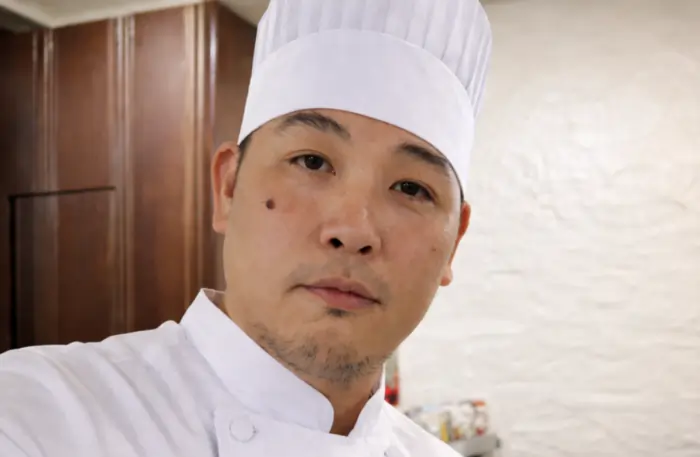
Chef Juan Gadi brings the heart of Filipino hospitality to Ubud, Bali. As an Executive Chef and consultant, he specializes in creating intimate, curated dining experiences that tell a story through every dish. Whether leading the kitchen at Kilig Filipino Warung or hosting a private villa dinner, Chef Juan’s approach is defined by warmth, modern technique, and a commitment to culinary excellence.