Family Style Dining Creates More Memorable Gatherings Key Takeaways
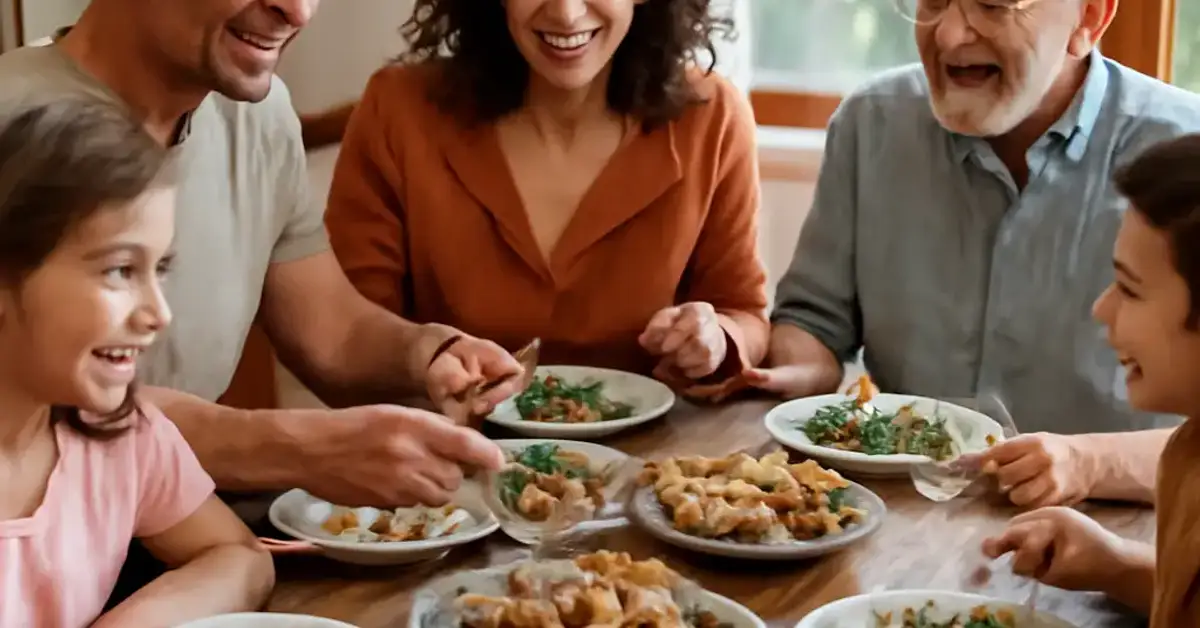
Family style dining transforms a simple meal into a shared celebration where conversation flows as freely as the food.
- family style dining creates more memorable gatherings by encouraging natural interaction, slowing down the meal, and turning eating into a collective experience.
- Shared plates and communal meals remove the formality of individual service, letting guests focus on each other rather than their own plate.
- From intimate private dining in Bali villas to large group celebrations , this approach suits every occasion where connection matters as much as the cuisine.
What Makes Family Style Dining So Memorable
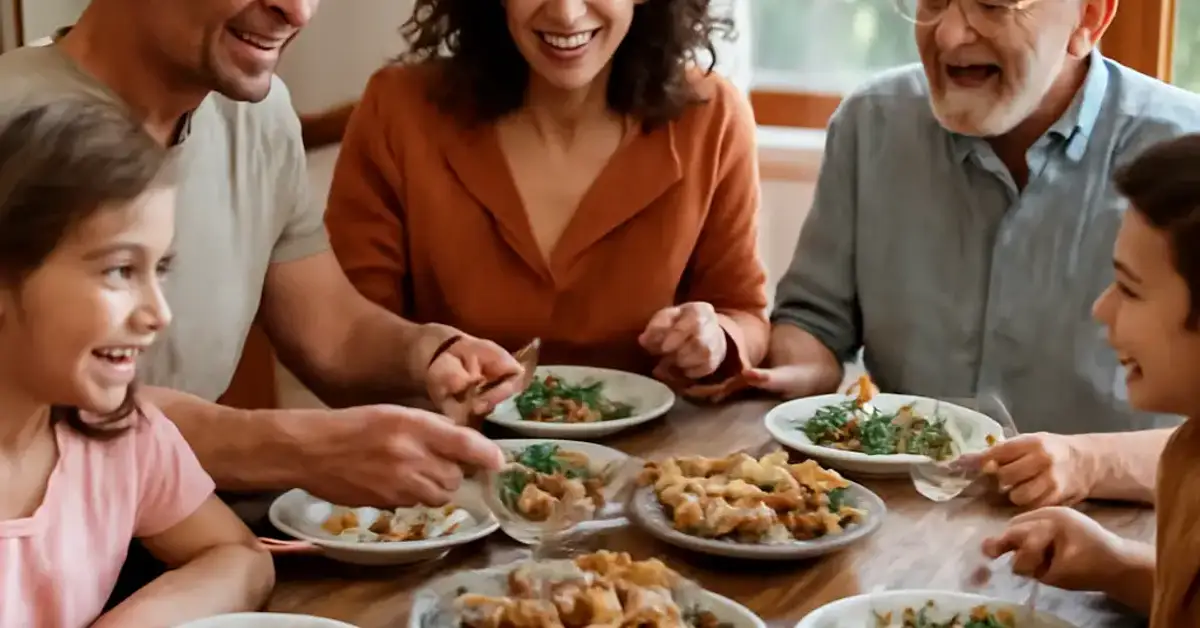
The magic of family style dining lies in the act of sharing. When dishes arrive at the table in large bowls and on oversized platters, every guest becomes a participant. Instead of waiting for individual plating, people reach, pass, and offer food to one another. This simple shift changes the entire energy of the meal.
At its core, this approach to group dining mirrors the way we eat in our own homes. For many, family meals are the backdrop to childhood memories, holiday gatherings, and intimate celebrations. Recreating that feeling in a restaurant or at a private dining event instantly breaks down barriers. Strangers become friendly, and friends grow closer.
Shared dining also changes the pace. Without individual courses arriving one at a time, the table stays full throughout the meal. Guests linger, talk, and savor both the food and the company. This slower rhythm is why memorable gatherings often center around communal dining tables. For a related guide, see How Intimate Dining Changes the Way People Experience Food.
7 Proven Ways Shared Meals Strengthen Bonds
If you have ever left a dinner party feeling truly connected to the people around you, chances are the meal was served family style. Here are seven specific ways this dining style creates deeper, more lasting connections.
1. It Encourages Generosity and Care
When guests pass a dish to someone across the table or offer the last piece of something special, they perform small acts of kindness. These gestures—offering shared plates, refilling a neighbor’s glass—build warmth. The spirit of comfort food is amplified when it is given rather than taken.
2. It Sparks Natural Conversation
Plated service often isolates diners. With family style, the table becomes a landscape of shared interest. Someone asks, “Have you tried the curry?” Another person reaches for the bread and starts a story. Conversation over meals becomes effortless because there is always something new to pass or discuss.
3. It Creates a Shared Journey Through Flavor
Instead of each guest eating a single dish, everyone tastes multiple dishes. This shared discovery—from the first bite to the last—is what makes authentic cuisine so powerful in a group setting. When every person at the table can say, “Did you taste the coconut sauce?” the meal becomes a collective adventure.
4. It Lowers Social Pressure
Restaurant dining can feel stiff, especially for large groups or people who do not know each other well. Family style removes the awkwardness of ordering and the formality of individual service. It invites everyone to participate at their own comfort level.
5. It Honors Culinary Traditions
Many of the world’s most beloved cuisines are built around sharing. From Filipino kamayan feasts to Ethiopian injera platters, cultural dining traditions center on communal meals. Serving food this way pays respect to those roots and adds a layer of meaning to the meal.
6. It Makes Large Group Dining Manageable
For event planners and hosts, family style solves the logistical puzzle of feeding many people at once. Buffet alternatives like platter service keep the table elegant and intimate while still allowing guests to choose their portions. Chef curated menus designed for sharing ensure that everyone gets a balanced taste of the kitchen’s best work.
7. It Elevates Food Presentation
When a whole roasted fish or a vibrant vegetable tagine arrives at the table, it commands attention. The visual drama of large-format dishes adds excitement. Guests pause to admire the spread before diving in, and that moment of shared appreciation is a cornerstone of dining experiences people remember for years.
Family Style Dining for Every Occasion
Whether you are planning a quiet weeknight dinner or a grand celebration, family style adapts. It suits the intimacy of a private chef meal in a villa just as well as the energy of a packed restaurant.
Birthday Celebrations and Anniversary Dinners
For milestone events, the shared table reinforces the feeling of community. Everyone eats the same food, laughs at the same jokes, and feels part of something bigger than themselves. Group celebrations become more meaningful when the meal itself encourages togetherness.
Family Reunions and Holiday Meals
These gatherings are already rich with emotion. Family style service honors that by making the meal feel like an extension of the love in the room. Long tables filled with dish after dish remind us of memorable experiences from childhood and create new ones for the next generation.
Casual Fine Dining in Bali
In Ubud, where Bali dining is known for its warmth and hospitality, family style fits naturally. Social dining here is about more than food—it is about creating a sense of welcome that lingers long after the meal ends. Whether at Kilig Filipino Warung or in a private villa overlooking the rice terraces, the experience is both elevated and deeply human.
How Can Restaurants Create a Great Family Style Dining Experience?
Restaurateurs and hospitality professionals who want to offer family style must think beyond just larger plates. Success depends on three pillars: menu design, service rhythm, and table setup.
Menu Design and Chef Curated Menus
Not every dish works for sharing. The best choices include items that hold their texture, look beautiful on a platter, and offer a range of flavors. Think braised meats, whole fish, grain bowls, and vegetables that can be broken apart by hand. Authentic cuisine that highlights local ingredients adds a sense of place and quality.
Service Rhythm
Dishes should arrive at staggered intervals so the table never feels overwhelmed or empty. Servers should explain each dish, offer serving utensils, and encourage guests to dig in. The goal is to guide without hovering.
Table Setup and Dining Etiquette
Large platters need space. Round tables or long communal tables work best. Provide extra serving spoons, small plates for each guest, and napkins that can double as lap covers for anyone reaching across the table. A well-set table shows care and respect for dining experiences.
Why Is Family Style Dining Becoming More Popular for Special Occasions?
There is a growing desire for connection in a fast-paced world. People crave memorable gatherings where they can actually talk, laugh, and be present. Family style dining delivers that by design. It also appeals to the modern love of variety—everyone gets a taste of everything without committing to one dish.
Event planners also appreciate the flexibility. For celebration dining, family style eliminates the stress of individual orders and dietary concerns. Guests with restrictions can pick and choose, while the group still shares a cohesive experience.
Frequently Asked Questions About Family Style Dining
Useful Resources
For more insight into the cultural roots of communal dining, explore Britannica’s overview of communal dining traditions around the world. To learn about the psychology of shared meals and social bonding, read Psychology Today’s article on how sharing food strengthens relationships.
Bring the Spirit of Family Style to Your Next Gathering
Family style dining creates more memorable gatherings because it centers on what matters most: people. Whether you are a host planning a reunion, a restaurant owner looking to differentiate your brand, or a traveler in Bali seeking an authentic dining experience, the shared table is the best seat in the house. For a related guide, see How Food Creates Meaningful Corporate Retreats in Bali.
My name is Chef Juan Gadi, and I bring the heart of Filipino hospitality to every meal I create in Ubud, Bali. Whether you join me at Kilig Filipino Warung or invite me to your villa for a private chef evening, I design every dish to be passed, shared, and remembered. The table is set. The platters are full. All that’s missing is you.
Frequently Asked Questions About family style dining creates more memorable gatherings
What is family style dining ?
Family style dining is a service method where large platters and bowls of food are placed at the center of the table for guests to serve themselves and each other. It encourages sharing, conversation, and a communal feel.
Why does family style dining create more memorable gatherings ?
It removes the formality of plated service, encourages interaction, and slows down the meal. Guests focus on each other as much as the food, creating lasting memories through shared moments.
How does shared dining strengthen family and friend relationships?
Passing food, offering portions, and experiencing flavors together builds generosity and trust. These small acts of care reinforce emotional bonds and create a sense of belonging.
What foods work best for family style meals?
Dishes that hold their shape and look beautiful on platters work best—roasted meats, whole fish, stews, grain bowls, roasted vegetables, and shareable appetizers. Finger foods and items that can be broken apart are also excellent.
Why is family style dining popular for celebrations?
Because it unites the group around a common experience. Everyone eats the same food, which fosters a sense of togetherness and makes the event feel more inclusive and festive.
How can restaurants create a great family style dining experience?
By designing shareable menus, training staff to explain and serve family style dishes, and setting tables with enough space and serving tools. A warm atmosphere and staggered dish delivery also help.
What are the benefits of sharing meals during group gatherings?
Shared meals reduce social pressure, encourage conversation, accommodate varied tastes, and create a sense of community. They also make large group logistics easier for hosts.
How does family style dining reflect different cultures?
Many cultures—Filipino, Ethiopian, Indian, Middle Eastern, and Chinese—have long traditions of communal eating. Family style dining honors those roots and brings authenticity to the table.
What should guests expect from a family style restaurant?
Guests should expect large platters of food, a lively atmosphere, and a service style that encourages sharing. They may need to reach across the table or ask others to pass dishes.
Why is family style dining becoming more popular for special occasions?
Because it offers flexibility for dietary needs, reduces ordering stress, and creates a more intimate, connected experience. It also allows guests to taste multiple dishes.
What is the difference between family style and buffet dining?
Buffet dining has guests walk to a separate station to fill their plates, while family style brings the food to the table. This keeps the group seated together and maintains a more intimate, shared experience.
Can family style dining work for small groups?
Absolutely. Even a dinner for two can be served family style. It adds a sense of abundance and romance, and encourages couples to share and explore flavors together.
How do I host a family style dinner at home?
Choose 3–4 dishes that complement each other, use large platters and bowls, and set the table with serving utensils and small plates for each guest. Light candles, play music, and relax—the food will do the work.
Is family style dining more expensive for restaurant guests?
Not necessarily. Many family style restaurants offer fixed-price menus or per-person pricing that can be more economical than ordering individual entrees, especially for groups.
What etiquette rules apply to family style dining ?
Use serving utensils for shared dishes, take modest portions so others can taste, and wait for everyone to be served before beginning to eat. Offer dishes to others before serving yourself.
How do chefs design menus for family style service?
Chefs select dishes that hold up well on platters, offer balanced flavors, and look dramatic when presented whole. They also consider how dishes pair together to create a cohesive meal.
Can family style dining accommodate dietary restrictions?
Yes. With multiple dishes on the table, guests with restrictions can choose what fits their needs. Chefs can also label dishes or offer alternatives for specific allergies.
Why is family style dining ideal for private dining events?
Private dining often aims to create an exclusive, connected atmosphere. Family style service reinforces that intimacy by keeping the group engaged with each other and the meal.
What makes family style dining different from tapas or small plates?
Tapas and small plates are individual portions served throughout the meal. Family style features larger platters meant for the whole table, often arriving all at once or in a few courses.
How does Chef Juan Gadi incorporate family style into his events?
At Kilig Filipino Warung and in private villa dinners across Ubud, Chef Juan Gadi designs chef curated menus that celebrate Filipino hospitality. He uses large platters, fresh local ingredients, and dishes that encourage passing and sharing, turning every meal into a warm, memorable gathering.
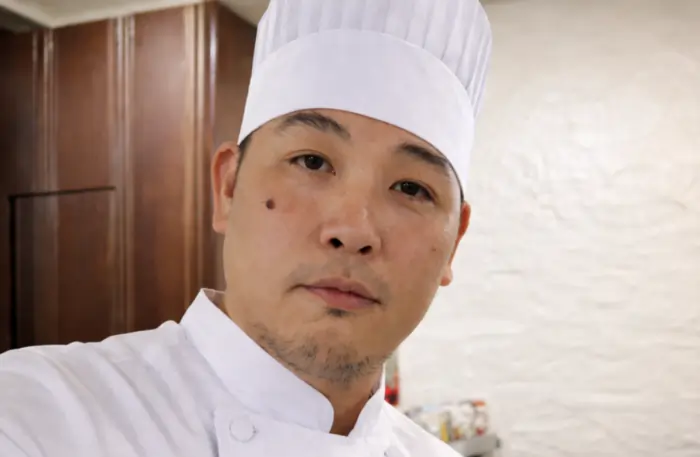
Chef Juan Gadi brings the heart of Filipino hospitality to Ubud, Bali. As an Executive Chef and consultant, he specializes in creating intimate, curated dining experiences that tell a story through every dish. Whether leading the kitchen at Kilig Filipino Warung or hosting a private villa dinner, Chef Juan’s approach is defined by warmth, modern technique, and a commitment to culinary excellence.