
Destination Dining Creates Lasting Celebration Memories Key Takeaways
Destination dining creates lasting celebration memories by merging sensory-rich environments, authentic local cuisine, and intentional hospitality into a single transformative experience.
- Destination dining creates lasting celebration memories by engaging all five senses—sight, sound, smell, taste, and touch—within a novel setting.
- Scenic environments like beaches, villas, and resorts act as emotional amplifiers, making every bite and every toast more vivid and memorable.
- Personalized, culturally inspired menus and experiential formats such as chef-led dinners turn a meal into a story that guests will retell for years.

What Makes Destination Dining Creates Lasting Celebration Memories So Powerful
When I first moved to Ubud, Bali, to share Filipino hospitality through food, I noticed something profound: guests who came for a simple dinner under the rice terraces often left with tears in their eyes. It wasn’t just the adobo or the lechon. It was the way the evening air carried the scent of frangipani, the distant sound of a gamelan, and the warmth of a shared story told through each course. That is the essence of how destination dining creates lasting celebration memories.
The importance of location-driven culinary experiences in enhancing emotional impact of events cannot be overstated. When we celebrate in a place that feels intentional—whether a cliffside villa in Santorini or a private cove in Bali—our brains register the event as extraordinary. Psychologists call this the “reminiscence bump”: we remember events that are novel, emotionally charged, and richly sensory. Destination dining delivers all three.
For event planners, wedding organizers, and hospitality professionals, understanding this phenomenon is not just academic. It is the foundation of creating celebrations that clients will treasure and guests will never forget. In this guide, I share seven proven benefits of destination dining, drawn from my own kitchen in Bali and the latest research on memory and experience.
Proven Benefit 1: Scenic Settings Elevate Every Aspect of the Meal
Consider the role of scenic environments such as beaches, villas, and resorts in elevating dining experiences. A recent study from Cornell University found that diners rate food as tasting 15–20% better when eaten in a beautiful setting. The reason? Our perception of flavor is not just about the tongue. It is a multisensory construction built from what we see, hear, and feel around us.
I once hosted a destination wedding rehearsal dinner on a black-sand beach in northern Bali. As the sun set behind Mount Agung, I served a dish of grilled snapper with a coconut-ginger sauce. The bride later told me that every time she tastes coconut, she is transported back to that purple-and-orange sky. That is the influence of natural surroundings like sunsets, ocean views, and landscapes on perception of food. The setting becomes part of the recipe.
Scenic dining is not just a backdrop. It is an active ingredient in how we experience taste. Whether it is a beach dining setup with torches flickering in the breeze or a resort dining terrace overlooking a jungle valley, the environment primes our brain for pleasure. For luxury travelers and destination wedding couples, this is the difference between a good meal and a life highlight.
How Immersive Settings Strengthen Sensory Memory
The how immersive settings strengthen sensory memory through food, ambiance, and atmosphere is a phenomenon that I see play out nightly at Kilig. When we dine in a place that feels separate from everyday life, our brain files the memory in a special folder marked “significant.” The sound of waves, the smell of grilled satay, the touch of a wooden table polished by years of tropical air—all these cues become anchors for the memory. Later, even a hint of that aroma can trigger a full emotional replay of the celebration.
For hospitality trends in 2025 and beyond, designing for sensory immersion is not optional. It is what separates forgettable events from legendary ones.
Proven Benefit 2: Cultural Cuisine Creates Unique and Meaningful Celebrations
Food is the fastest way to tell a story about a place. The impact of cultural and regional cuisine in making celebrations more unique and meaningful is immense. When I design a menu for a private chef experiences in Ubud, I always start with a question: What story do you want your guests to taste tonight?
For a couple celebrating their tenth anniversary, I created a journey through the Philippines in seven courses. Each dish—from a tangy sinigang broth to a sweet ube flan—was paired with a memory from my childhood and a moment from their own relationship. That is the importance of storytelling through destination-inspired menus and curated dishes. The food becomes a narrative.
Cultural cuisine also introduces guests to flavors they have never encountered, which heightens novelty and, therefore, memory. The brain pays more attention when it does not know what to expect. For event catering and gourmet catering professionals, leaning into local ingredients and techniques is a powerful differentiator. It turns a generic buffet into an immersive dining adventure.
How Shared Dining Experiences in Travel Settings Deepen Social Bonding
One of the most beautiful how shared dining experiences in travel settings deepen social bonding among guests occurs around a long table under the stars. When people travel together for a celebration, they are already in a heightened state of openness. Add a shared meal that requires passing dishes, laughing at unfamiliar tastes, and toasting under a foreign moon, and the bonds tighten exponentially.
I have seen estranged cousins reconnect over a bowl of kinilaw (Filipino ceviche) because the conversation turned to memories of their grandmother. That is the role of exclusive and private dining experiences in creating intimacy and memorability. When a celebration is held in a private villa or a secluded beach, there are no distractions. Only the people at the table matter.
Proven Benefit 3: Travel Context Amplifies Emotional Recall
Why do we remember the pizza we ate in Naples more vividly than the pizza we had last Tuesday? The answer lies in how high-quality food combined with travel experiences amplifies emotional recall of events. Travel activates the brain’s reward system. The dopamine released during a new experience essentially “glues” the memory into place.
For destination weddings and milestone birthdays, this is a golden opportunity. When guests must travel to attend, they are already primed for a meaningful experience. The food becomes the emotional anchor. A bite of perfectly grilled fish, served with a view of the ocean, is not just dinner. It is a timestamp in the guest’s personal history.
How does destination dining create memories? By hijacking the brain’s natural memory consolidation process. The novelty of the location plus the pleasure of the food plus the emotional weight of the celebration equals a memory that persists for decades.
Why Are Destination Events More Memorable?
The research is clear: events held away from home are recalled with greater detail and emotional intensity. Why are destination events more memorable? Because they break the routine. Our brains are wired to ignore the familiar and pay attention to the new. A celebration in a remote villa forces everyone to be present. There is no running home to check on the laundry. There is only the group, the food, and the moment.
Proven Benefit 4: Personalized Menus Turn a Meal into a Signature
The importance of personalized menus tailored to destination themes and guest preferences is perhaps the most underutilized tool in event planning. A generic menu is forgettable. A menu that tells the story of the couple’s love, the region’s heritage, or the season’s harvest is unforgettable.
I recently worked with a family celebrating a 60th birthday in Ubud. The guest of honor had grown up in a small fishing village in the Philippines. We created a menu that mirrored his childhood lunches: grilled fish wrapped in banana leaves, vinegary dipping sauces, and sweet sticky rice. Halfway through the meal, he stood up and said, “I smell my mother’s kitchen.” That is the power of food storytelling and curated menus. For a related guide, see 8 Ways Food Can Transform an Event Atmosphere.
For private chef experiences, personalization is non-negotiable. It transforms a service into a relationship. The guest feels seen, understood, and celebrated.
Proven Benefit 5: Experiential Dining Formats Create Unforgettable Moments
The importance of experiential dining formats such as chef-led dinners and live cooking in destinations cannot be overemphasized. When I step out from behind the counter to explain the inspiration behind a dish, I am not just cooking. I am performing. I am connecting. The guest watches the flame, hears the sizzle, and smells the spices before the first bite. That anticipation is a key part of the memory.
Experiential dining formats—like live-fire cooking, open-kitchen dinners, or multi-course tastings paired with storytelling—turn a meal into theater. For luxury events, this level of engagement is what separates a good party from a legendary one.
How Travel Context Increases the Emotional Significance of Meals
When you dine in a foreign place, every decision—the ingredients, the plating, the pacing—carries extra weight. That is because how travel context increases the emotional significance of meals and gatherings. The guest has invested time and money to be there. They arrive hungry not just for food, but for meaning. A well-executed experiential dinner delivers both.
Proven Benefit 6: Luxury Service and Multisensory Design Cement Positive Memories
The role of luxury service and hospitality in reinforcing positive memories is about more than polished silverware. It is the feeling of being cared for in a way that feels effortless. A warm towel at sunset. A drink that appears just before you realize you are thirsty. A server who remembers your name and your allergy without being reminded. These small touches create a halo effect around the entire event.
Combined with the importance of multisensory experiences including sound, aroma, and presentation in destination events, the result is a memory that is encoded in multiple sensory channels. The sound of glasses clinking, the scent of frangipani, the sight of a table lit by candles and fireflies—each channel reinforces the others.
For hospitality professionals and resort managers, training staff to be both attentive and unobtrusive is the highest art. It creates a sense of exclusivity that guests remember long after they have unpacked.
How Destination Dining Creates Stronger Photo-Worthy and Shareable Moments
Let us be honest: if it is not on Instagram, did it really happen? How destination dining creates stronger photo-worthy and shareable moments is a practical consideration for event planners. A beautifully plated dish against a sunset backdrop is not just a meal; it is content. Guests who share those images become ambassadors for the brand, whether it is a destination wedding venue or a luxury events company.
Designing for shareability does not mean gimmicks. It means using natural light, thoughtful plating, and the environment itself. A dish of bright yellow turmeric rice on a dark wooden table, with the green jungle behind it, is irresistible. Guests will photograph it. They will remember it. They will tell their friends.
Proven Benefit 7: Cultural Immersion and Brand Identity Create Long-Term Value
The role of cultural immersion in deepening guest connection to the experience is the final piece of the puzzle. When a celebration includes local music, local ingredients, and local customs, it transcends tourism. It becomes a genuine exchange. Guests leave not just with a memory, but with a story they can tell about the place and its people.
For how destination dining strengthens brand identity for hospitality and event businesses, this is crucial. A brand that consistently delivers authentic, location-specific experiences builds a reputation that attracts clients willing to travel—and pay—for the privilege. Hospitality trends are moving away from generic luxury toward authentic luxury. Guests want to feel connected to the destination, not insulated from it.
Importance of Curated Event Flow in Scenic Dining Environments
The importance of curated event flow in scenic dining environments is often overlooked. A beautiful location is not enough. The movement from cocktail hour to dinner to dessert must feel seamless and intentional. I advise my clients to think in acts, like a play. Act one: welcome drinks overlooking the ocean as the sun sets. Act two: move to the main table for the first course, with a story from the chef. Act three: fireside desserts and dancing. Each transition is an opportunity to deepen the sensory experience.
Useful Resources
For a deeper dive into the psychology of memory and dining, visit ScienceDirect’s overview of sensory memory.
To explore how chefs around the world use local ingredients in celebration dining, check out World Chefs Traveller for case studies and trends.
In my years of cooking in Bali, I have seen firsthand how destination dining creates lasting celebration memories. It is not a trend. It is a return to the ancient practice of gathering around a fire in a beautiful place, sharing stories, and breaking bread together. Whether you are planning a wedding, a milestone birthday, or a corporate retreat, remember: the place, the food, and the people are not separate parts of the event. They are one story. Make sure it is a story worth telling.
Frequently Asked Questions About Destination Dining Creates Lasting Celebration Memories
How does destination dining create memories?
Destination dining creates memories by combining novel environments, high-quality food, and emotional celebration into a single, multisensory experience. The brain encodes these events more deeply because they are rich in sensory details—sights, sounds, smells, and tastes—that are out of the ordinary.
Why are destination events more memorable?
Destination events break the routine of daily life, triggering the brain’s novelty response. The travel context primes emotional centers, while the shared experience of exploring a new place together strengthens social bonds. This combination makes the event more vivid and easier to recall years later.
What makes destination weddings special?
Destination weddings feel special because they transform a ceremony into a full immersive experience. The location—be it a beach, villa, or resort—acts as a character in the story. Guests often turn the event into a mini-vacation, which prolongs the celebration and deepens connections.
How does location affect dining experience?
Location directly influences taste perception and emotional response. Beautiful scenic settings like beaches and mountains elevate the perceived quality of food by up to 20%, according to studies. The environment also sets the mood, making diners more relaxed and open to enjoyment.
Why is experiential dining important?
Experiential dining transforms eating from a routine act into an event. Interactive formats like chef-led dinners or live cooking engage guests, increase anticipation, and create stories that are shared long after the meal ends. This engagement is key to forming lasting memories.
How do scenic settings enhance food experiences?
Scenic settings enhance food by providing a beautiful context that primes the senses. A sunset over the ocean, the sound of waves, and the scent of tropical flowers all combine to make food taste more vibrant. The brain associates the pleasure of the view with the pleasure of the meal.
What role does culture play in destination dining?
Culture adds authenticity and uniqueness to a meal. When a celebration features local ingredients, traditional cooking techniques, and regional customs, it becomes an opportunity for cultural immersion. This deepens the guest’s connection to the place and makes the experience feel exclusive and meaningful.
How does travel improve celebration experiences?
Travel removes guests from their everyday distractions and puts them in a state of openness and curiosity. The effort involved in traveling signals to the brain that the event is important, which increases emotional investment. This makes every toast, laugh, and bite more significant.
Why do guests remember destination events more?
Guests remember destination events more because they are multisensory and emotionally charged. The combination of a new environment, shared experiences, and high-quality food creates what memory researchers call a “flashbulb memory”—a vivid, long-lasting snapshot of the event. For a related guide, see Why Exceptional Food Is the Foundation of Memorable Events: 1 Expert’s Proven Take.
How can food and location combine to create lasting memories?
Food and location combine by linking taste directly to place. A dish made from local ingredients, served in its natural setting, becomes inseparable from the memory of that setting. Years later, tasting a similar flavor can instantly transport someone back to that celebration.
What is the importance of personalized menus in destination events?
Personalized menus show guests that the event was designed just for them. By incorporating the guest of honor’s favorite flavors, cultural background, or life story, the meal becomes a narrative. This emotional resonance makes the experience feel exclusive and deeply meaningful.
How does luxury service reinforce positive memories?
Luxury service reinforces positive memories by creating a feeling of being cared for without effort. Attentive but unobtrusive service allows guests to stay fully present in the moment. The absence of friction amplifies the pleasure of the event.
What is the role of exclusive private dining in celebrations?
Exclusive private dining creates a sense of intimacy and privilege. Whether it is a dinner in a private villa or a secluded beach, the lack of outside distractions allows guests to focus entirely on each other. This deepens social bonding and makes the event feel more special.
How do local ingredients enhance culinary storytelling?
Local ingredients are the vocabulary of a place’s culinary story. Using heirloom rice, foraged mushrooms, or local seafood allows the chef to tell a story about the land and its people. Guests taste not just the ingredient, but the history and culture behind it.
Why are sensory experiences important in destination events?
Sensory experiences—sound, aroma, sight, touch, taste—create a rich, layered memory. The more senses that are engaged, the stronger the neural encoding. A destination event that includes live music, floral scents, and soft lighting alongside good food is more likely to be recalled vividly.
How does novelty affect memory formation?
Novelty triggers the release of dopamine, which enhances attention and memory consolidation. Experiences that are new and unexpected—like a chef appearing from the kitchen to explain a dish—are more likely to be stored as lasting memories.
What makes a celebration feel truly unforgettable?
A truly unforgettable celebration combines an intentional location, emotionally resonant food, and a sense of shared presence. When guests feel that the event was designed with care and purpose, and when they form deeper bonds with others, the memory becomes indelible.
How can event planners leverage destination dining?
Event planners can leverage destination dining by partnering with local chefs who understand the region’s ingredients and culture. Designing a curated menu that tells a story, choosing a scenic venue, and incorporating interactive elements like cooking stations or chef talks will elevate any celebration.
What is the business value of destination dining?
For hospitality and event businesses, destination dining builds brand identity as a provider of high-value, authentic experiences. It attracts clients willing to invest in meaningful celebrations and generates word-of-mouth through shareable moments and glowing testimonials.
How do I choose the right destination for my event?
Choose a destination that aligns with the theme of the celebration and the preferences of the guests. Consider accessibility, climate, and the availability of local culinary talent. A destination that offers both natural beauty and authentic food culture will provide the strongest foundation for lasting memories.
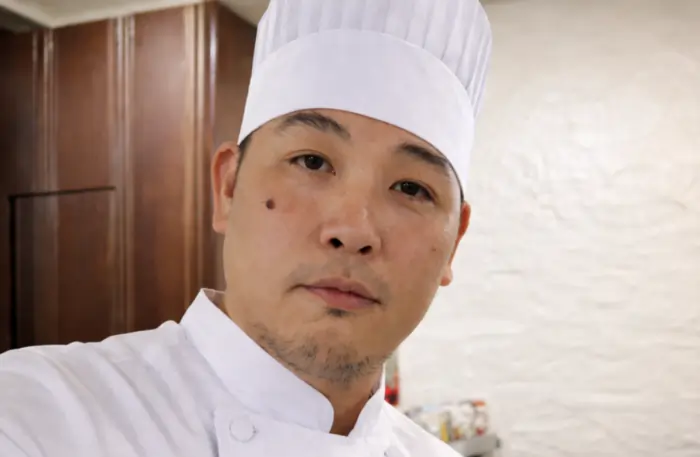
Chef Juan Gadi brings the heart of Filipino hospitality to Ubud, Bali. As an Executive Chef and consultant, he specializes in creating intimate, curated dining experiences that tell a story through every dish. Whether leading the kitchen at Kilig Filipino Warung or hosting a private villa dinner, Chef Juan’s approach is defined by warmth, modern technique, and a commitment to culinary excellence.