Event Menu Trends Guests Key Takeaways
After more than a decade in the culinary world—from leading Kilig Filipino Warung to hosting exclusive villa dinners in Bali—I have witnessed a profound shift in how people dine at events.
- Event menu trends guests now demand personalized, interactive, and sustainable experiences rather than passive, one-size-fits-all catering.
- From luxury grazing tables to chef-curated tasting menus , the focus has shifted toward deeper engagement and visual storytelling.
- Flexibility in diet and culture, including plant based menus and fusion cuisine , is no longer optional—it is essential for modern celebration dining .
What Event Menu Trends Guests Are Loving Right Now
After more than a decade in the culinary world—from leading Kilig Filipino Warung to hosting exclusive villa dinners in Bali—I have witnessed a profound shift in how people dine at events. Gone are the days when a standard buffet was acceptable. Today, event menu trends guests cherish center on authenticity, interaction, and sensory delight. Whether you are planning an intimate private dining night or a large destination wedding, the expectations have been raised. Guests want to feel seen, fed with intention, and part of a culinary journey.
In this expert guide, I will walk you through the 11 most impactful trends that are shaping celebrations right now. I will share real-world examples, practical advice, and the philosophy behind each movement. Let us begin.
1. Interactive Food Stations That Encourage Participation
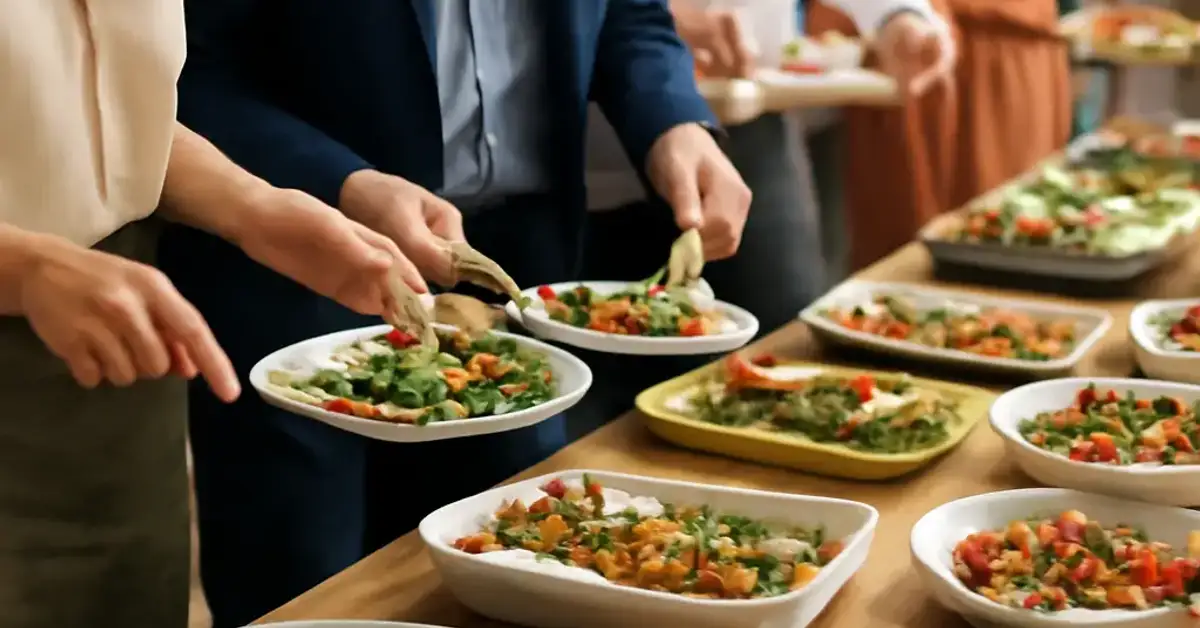
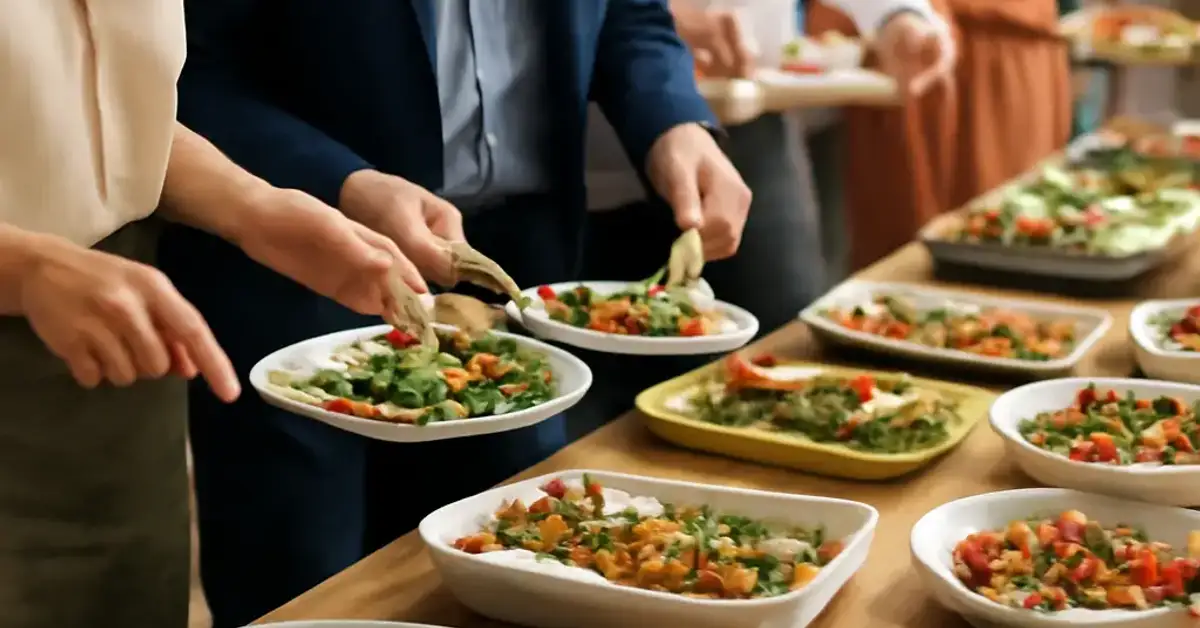
Interactive food stations have exploded in popularity because they transform eating into entertainment. I have seen it firsthand: when guests can build their own taco, watch a chef slice fresh sashimi, or assemble a custom poke bowl, the energy of the room changes. People linger, talk, and laugh. That is the magic of live cooking stations.
These setups also solve a logistical challenge: they allow for customizable menu selections in real time. A guest who avoids gluten can easily skip the wrap, while another can pile on extra protein. This level of personalization is a direct answer to the growing demand for personalized dining experiences at events and celebrations.
Why are interactive food stations trending at events? Because they break the fourth wall of dining. The guest becomes a collaborator, not just a consumer. For event planners, this also means less food waste—people take only what they truly want.
2. Farm-to-Table Menus Featuring Fresh Local and Seasonal Ingredients
As a chef in Bali, I have the privilege of sourcing from local farmers and morning markets. That connection between soil and plate is what makes farm to table dining so powerful. Farm-to-table menus featuring fresh local and seasonal ingredients are no longer a trend reserved for rustic weddings—they now grace black-tie galas and corporate retreats.
What is farm-to-table catering? It is a commitment to prioritizing ingredients grown or raised within a short distance from the event venue. This practice supports local economies, reduces carbon footprint, and yields produce that actually tastes like something.
In my own menus, I use heirloom tomatoes, locally caught reef fish, and herbs from Ubud’s terraced gardens. The flavor difference is undeniable. Seasonal ingredients bring a rhythm to the menu that feels honest and celebratory.
3. Luxury Grazing Tables as Dual Dining and Visual Centerpieces
If you have scrolled through any event feed lately, you have likely seen a luxury grazing tables overflowing with artisanal cheeses, cured meats, fresh figs, and edible flowers. These spreads serve a dual purpose: they are both a dining option and a visual spectacle designed for food presentation and social media. For a related guide, see The Role of Seasonal Ingredients in Event Dining.
Why are grazing tables popular for celebrations? First, they encourage grazers to sample a wide variety of flavors without committing to a full plate. Second, they are incredibly photogenic. In the age of Instagram, a beautifully styled table becomes its own attraction.
I often build these tables with local cheeses, tropical fruits, and spiced nuts. They work beautifully for cocktail hours, welcome parties, and post-ceremony mingling. They also reduce the need for heavy passed appetizers, which can feel rigid.
4. Chef-Curated Tasting Menus for Elevated Experiences
Chef-curated tasting menus have moved from fine dining restaurants into private events. I love offering these for intimate private dining experiences because they tell a story course by course. Each plate is a chapter—starting with a canapé that recalls the bride’s childhood, moving into a seafood dish that represents the couple’s first trip together, and ending with a dessert that mirrors the destination.
How do tasting menus enhance special events? They take guests on a journey. Instead of a buffet where choices feel overwhelming, a tasting menu offers curated discovery. It also allows the chef to showcase technique and creativity.
For gourmet catering at milestone celebrations—anniversaries, proposals, or milestone birthdays—this approach feels deeply personal and luxurious. It demonstrates that celebration dining can be intellectually and emotionally satisfying.
5. Fusion Cuisine Blending Global Flavors with Local Traditions
Some of the most exciting meals I have ever created are examples of fusion cuisine. I blend Filipino adobo techniques with Balinese spices, or pair Japanese miso with local jackfruit. Fusion cuisine blending global flavors with local culinary traditions resonates deeply with today’s globally aware guests.
What food trends are shaping destination weddings? Couples increasingly want their heritage represented on the plate. A Filipino-American couple might want lechon alongside Southern-style collard greens. A French-Balinese wedding might feature duck confit with sambal matah.
This trend speaks directly to cultural and heritage-inspired dishes that create authenticity and connection. Guests feel honored when their background is recognized through flavor.
6. Plant-Based and Wellness-Focused Menu Options
The plant based menus movement is no longer about a sad salad option. It is about bold, creative, satisfying dishes that even carnivores crave. Plant-based and wellness-focused menu options have become a mark of quality catering.
I have served jackfruit rendang, cashew cheese platters, and coconut-based desserts that guests raved about—long after the event. Health-conscious menu choices without sacrificing flavor and creativity are now a baseline expectation. Many guests follow flexitarian or vegan lifestyles, and they thank you when you honor their choices without making them feel like an afterthought.
This shift also aligns with sustainable catering goals, since plant-forward menus generally have a lighter environmental footprint.
7. Premium Beverage Pairings Including Craft Cocktails and Specialty Drinks
Dining is never complete without thoughtful drinks. Premium beverage pairings including craft cocktails and specialty drinks have become an integral part of event menu trends guests look forward to. I work with local mixologists to create signature cocktails that match the cuisine.
For a seafood-focused event, we might feature a gin and tonic with lemongrass and lime. For a family style dining spread, a bold red blend from a nearby Balinese vineyard or a small-batch rum cocktail fits perfectly. These pairings elevate the meal from good to memorable, and they give guests a sense of place.
8. Sustainable Catering Practices That Reduce Waste and Support Local Sourcing
Sustainable catering is not just a buzzword—it is a responsibility. Sustainable catering practices that reduce waste and support local sourcing start with smart menu design. I portion carefully, use whole ingredients (think carrot-top pesto and bone broths), and compost all organic waste.
Why is sustainable catering becoming more important? Guests are increasingly aware of environmental impact. They notice when a caterer uses disposable plastics or overbuys and discards food. On the other hand, when you tell guests that the fish came from a local fisherman that morning, or that the garnishes were grown in a nearby garden, they feel good about the meal.
This approach also pairs beautifully with seafood-focused menus inspired by coastal and destination celebrations. In Bali, that means line-caught tuna, not factory-farmed salmon.
9. Live Cooking Demonstrations Adding Entertainment and Engagement
Live cooking stations and demonstrations turn the dining area into a theater. I have done pasta-making stations, ceviche bars, and a flambé station for crêpes Suzette. Live cooking demonstrations adding entertainment and engagement to events create natural conversation starters.
How does live cooking entertainment engage guests? It taps into our curiosity about how food is made. Guests gather around, ask questions, and become invested in the process. The sizzle, the aroma, the visual of a chef working—it is pure hospitality.
For corporate events, this also serves as team-building. For weddings, it can be a delightful interlude between the ceremony and dinner.
10. Family-Style Dining That Encourages Social Connection
There is something profoundly human about sharing a meal from communal platters. Family style dining has made a strong comeback across hospitality trends. It works for everything from rustic barn weddings to modern loft dinners.
Family-style dining that encourages social connection and shared experiences forces people to interact. You pass the rice, you compliment the braised short ribs, you laugh with a stranger turned friend. It dismantles the formality of plated service and creates warmth.
I find that this format works especially well for celebration dining where the goal is bonding—like reunion dinners, milestone birthdays, or team retreats.
11. Experiential Dining Concepts That Combine Storytelling with Cuisine
The ultimate frontier of event menu trends guests treasure is experiential dining concepts that combine storytelling with cuisine. This is where I feel most at home. I design dinners that tell a narrative: the journey of a Filipino family, the terroir of a Balinese farm, or the love story of the couple.
What menu concepts create the most memorable event experiences? The ones that have a narrative thread. It could be a “seven-course journey through Southeast Asia” or a “garden-to-table dinner” where each course is presented by the person who grew the ingredient.
These experiences tap into emotion. Guests leave not just full, but moved. And in the end, that is what hospitality trends should be about—creating moments that linger long after the last bite.
As Chef Juan Gadi, I bring the heart of Filipino hospitality to every event I touch. Whether in a warung or a private villa, I believe that food is the most direct way to express care. These 11 trends are not just trends—they are signals of a deeper shift toward mindful, personal, and joyous celebration dining. The next time you plan an event, ask yourself: Are we feeding bodies, or are we feeding connections?
Frequently Asked Questions About Event Menu Trends Guests
What event menu trends are popular right now?
Interactive food stations, farm-to-table menus, luxury grazing tables, chef-curated tasting menus, and fusion cuisine are among the most popular trends. For a related guide, see 10 Food Trends Influencing Bali Events and Celebrations.
Why are interactive food stations trending at events?
They provide entertainment, cater to dietary preferences in real time, and reduce food waste by letting guests choose portions.
How do personalized menus improve guest experiences?
Personalized menus make each guest feel valued, accommodate allergies and preferences, and create a more memorable and thoughtful event.
What is farm-to-table catering?
It is a catering approach that prioritizes locally sourced, seasonal ingredients, often from nearby farms, to ensure freshness and support local economies.
Why are grazing tables popular for celebrations?
They are visually stunning, allow guests to sample many flavors, and work perfectly for cocktail hours and welcome parties.
How do tasting menus enhance special events?
They offer a curated journey of flavors that tells a story, showcasing the chef’s creativity and making the meal feel exclusive and intentional.
What food trends are shaping destination weddings ?
Fusion cuisine, seafood-focused menus, live cooking stations, and family-style dining are shaping how couples celebrate in locations like Bali.
Why is sustainable catering becoming more important?
Guests and planners are increasingly conscious of environmental impact, and sustainable practices like local sourcing and waste reduction build trust and reduce carbon footprint.
How does live cooking entertainment engage guests?
It creates a sensory experience, invites conversation, and gives guests a behind-the-scenes look at the craft of cooking, making dining interactive.
What menu concepts create the most memorable event experiences?
Experiential dining concepts that combine storytelling with cuisine, such as narrative-driven tasting menus or themed dinners, leave the strongest emotional impression.
Are plant-based menus suitable for all events?
Yes, with creative recipes that focus on flavor and texture, plant-based menus can satisfy all guests and are ideal for modern, health-conscious events.
Can I combine multiple menu trends in one event?
Absolutely. Many successful events mix interactive stations, family-style platters, and a chef-curated tasting element to offer variety and engagement.
How do I choose the right trend for my event size?
For small groups, chef-curated tasting menus work beautifully. For larger events, grazing tables and interactive stations scale well while maintaining a personal feel.
What should I look for in a caterer for these trends?
Look for a caterer who emphasizes local sourcing, offers menu flexibility, has experience with dietary restrictions, and can bring a creative, personalized touch.
How can I make a grazing table look luxurious?
Use quality cheeses, fresh fruits, edible flowers, and artisanal crackers. Arrange them at varying heights with greenery for a lush, abundant appearance.
What are the best drinks to pair with a fusion menu?
Craft cocktails with local spirits, wine from nearby regions, and specialty non-alcoholic drinks like infused iced teas or botanical sodas work well.
Can family-style dining work for formal events?
Yes, when platters are presented elegantly and service is attentive, family-style dining adds warmth without sacrificing sophistication.
How do I incorporate sustainability without raising costs?
Work with local farmers and buy seasonally. Use whole ingredients to minimize waste and choose reusable or compostable serving ware.
Why is menu flexibility important for event planning ?
It allows you to accommodate diverse dietary needs, adapt to last-minute changes, and create a more inclusive experience for all guests.
How can I tell if a food trend will last?
Trends that focus on connection, personalization, and sustainability—like farm-to-table and experiential dining—have staying power because they align with deeper human values.
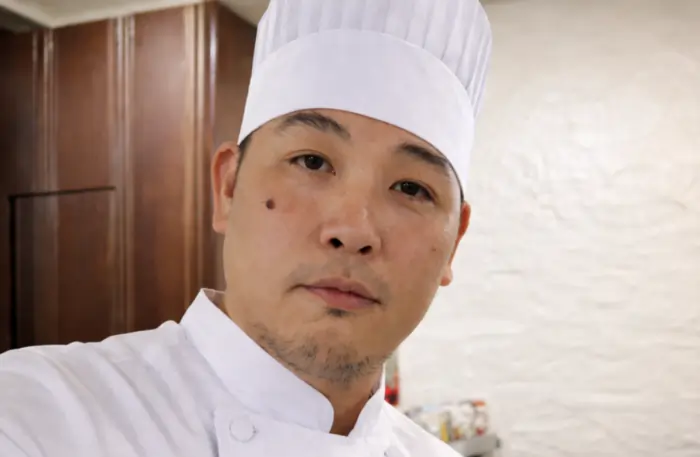
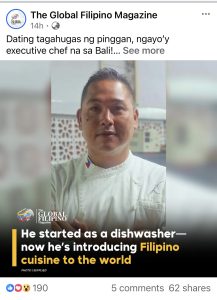
Chef Juan Gadi brings the heart of Filipino hospitality to Ubud, Bali. As an Executive Chef and consultant, he specializes in creating intimate, curated dining experiences that tell a story through every dish. Whether leading the kitchen at Kilig Filipino Warung or hosting a private villa dinner, Chef Juan’s approach is defined by warmth, modern technique, and a commitment to culinary excellence.