Catering Approaches for Modern Destination Events Key Takeaways
Destination events bring together people from different backgrounds, climates, and expectations.
- Catering approaches for modern destination events center on personalization, local ingredients, and immersive dining formats.
- Interactive food stations , chef-curated tasting menus , and family-style dining create engagement and connection.
- Sustainable and wellness-focused menus reflect guest values while supporting local suppliers.
What Makes Modern Destination Catering Different
Destination events bring together people from different backgrounds, climates, and expectations. Guests may have traveled halfway around the world to celebrate a wedding, milestone birthday, or corporate retreat. The food they eat becomes a core memory of the place and the people they are with. Traditional catering—where every plate looks the same and the menu is decided months in advance—often falls short in these settings. Modern destination event catering flips that model. It adapts to the environment, responds to dietary needs with grace, and tells a story that connects the table to the destination itself.
1. Farm-to-Table Catering That Highlights Local Terroir
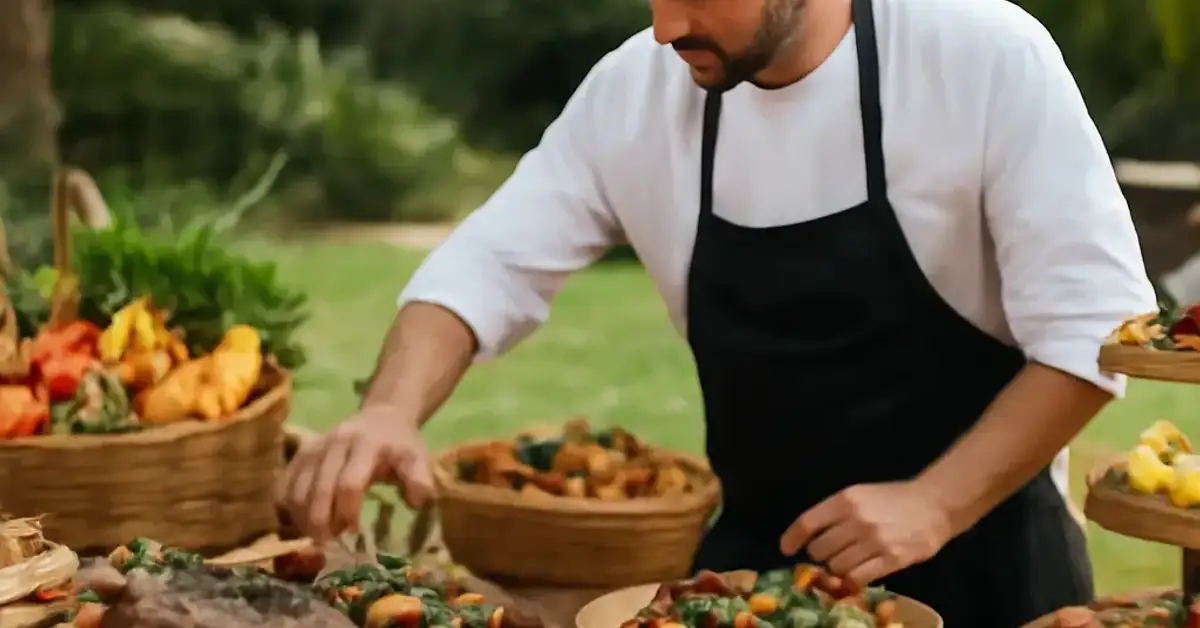
Farm to table catering has moved from a niche preference to a central expectation for discerning hosts. When couples choose a destination wedding in Tuscany, they want truffles from local forests and olive oil from nearby groves. When a corporate group meets in Bali, they crave freshly harvested jackfruit, turmeric, and lemongrass—ingredients that carry the island’s fingerprint.
One of the most powerful catering approaches is building a menu entirely around what is in season within a 50-kilometer radius of the venue. This reduces the carbon footprint, supports local farmers, and ensures peak flavor. For event planners, it also simplifies logistics: you work with what the land offers rather than importing specialty items that may not survive the journey.
I have found that guests connect more deeply with a meal when they can see, smell, and taste the region. At a recent villa celebration in Ubud, we sourced purple sweet potatoes from a village just north of the property and grilled local snapper caught that morning. The menu told a story of place that no imported ingredient ever could.
2. Interactive Food Stations That Spark Conversation
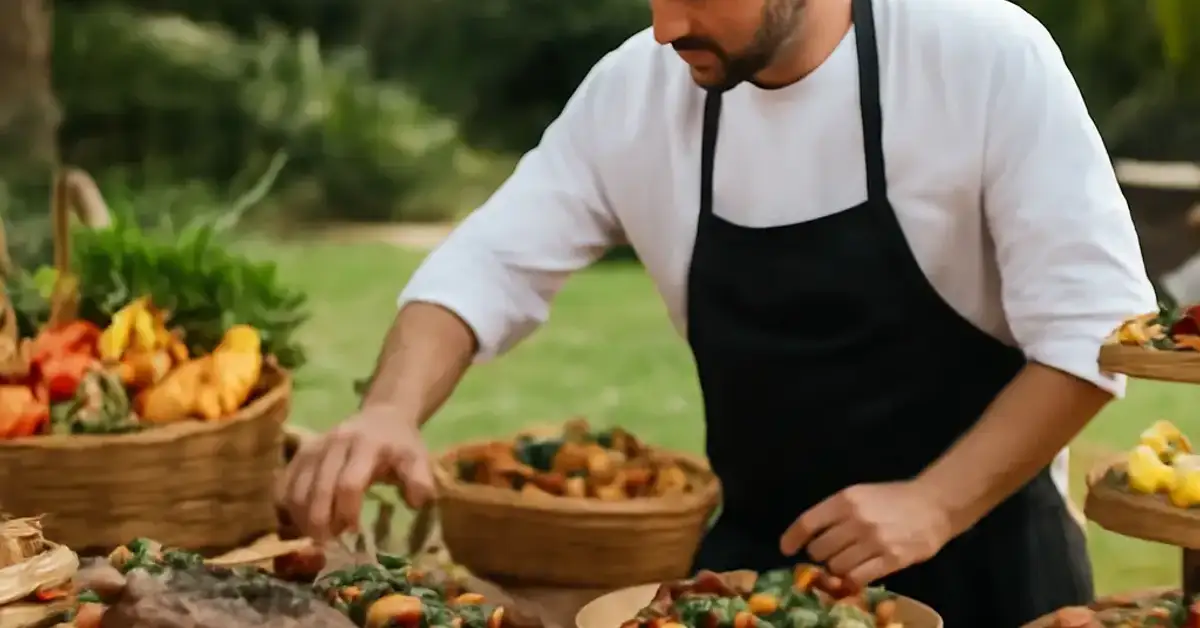
Interactive food stations transform passive eating into active participation. Instead of waiting passively for a plated course, guests wander, choose, customize, and ask questions. This format works especially well for destination events where attendees may not know each other—a live-action pasta station or a ceviche bar gives them something to talk about.
Popular interactive concepts include:
- Made-to-order taco bars with local proteins and salsas
- Sushi rolling stations where guests build their own rolls
- Open-fire grilling stations that fill the air with wood smoke and aroma
- Dessert painting stations with edible flowers and tropical fruits
For event planners, the key is choosing stations that match the formality level of the occasion. A black-tie wedding may benefit from a single, elegant pasta station near cocktail hour, while a relaxed beach celebration can feature multiple self-serve stations under lantern light.
3. Family-Style Dining That Builds Connection
Modern travelers crave authentic connection. Family-style dining experiences answer that need by placing large platters on the table and letting guests serve one another. This approach breaks the formality of plated service and encourages conversation, sharing, and laughter.
In destination settings, family-style dining also offers practical advantages. It reduces the need for a large service kitchen, allows for quicker turnover between courses, and gives guests control over portion sizes. From a culinary perspective, it lets the chef create a cohesive narrative across dishes rather than worrying about individual plate composition for 200 people.
I recommend pairing family-style service with a short welcome toast that explains the origin of each dish. That moment of storytelling—holding a bowl of slow-braised pork while hearing about the local spice market where the marinade was inspired—is what separates a good meal from a great one.
4. Chef-Curated Tasting Menus Showcasing Destination-Inspired Cuisine
Tasting menus have long been the domain of fine dining, but they are now appearing at destination events as a signature experience. A chef-curated tasting menu allows the culinary team to showcase a sequence of small, thoughtful dishes that build flavor and emotion over the course of the evening.
For a destination event, the tasting menu becomes a tour of the region in miniature. Each course can highlight a different local ingredient, cooking technique, or cultural influence. At a recent wedding in the Yucatán, we designed a five-course menu that moved from a cochinita pibil taco (slow-roasted pork in banana leaves) to a chaya-and-citrus sorbet, ending with a chocolate mousse made from local cacao.
Event planners should note that tasting menus require careful timing and a kitchen that can handle precision plating. They work best for smaller groups—typically under 60 guests—where the chef can personally explain each course.
5. Sustainable Catering Practices That Honor the Destination
Sustainable catering is no longer a bonus; it is a baseline expectation for eco-conscious guests. Modern destination events often take place in fragile environments—coastal areas, rainforests, or historic towns—where waste and overconsumption can leave a negative footprint.
Practical ways to implement sustainable catering include:
- Eliminating single-use plastics by using compostable or reusable serveware
- Donating untouched food to local charities or community kitchens
- Choosing local suppliers to reduce transport emissions
- Composting kitchen scraps and using them for venue gardens
One of the most impactful steps is aligning the menu with what is naturally available. A seafood-centric menu makes sense in coastal destinations like the Maldives or Maine, but transporting frozen fish to a landlocked venue undermines both flavor and sustainability. Seasonal ingredients and cultural dining traditions often point the way to the most responsible choices.
6. Wellness-Focused Menus That Cater to Modern Palates
Wellness dining has expanded beyond salads and smoothies. Guests today expect meals that feel indulgent yet align with their health goals, whether that means plant-based proteins, gluten-free grains, or low-sugar desserts. Wellness-focused menus meet this demand without sacrificing taste or presentation.
For destination events, wellness menus can be especially appealing. Many travelers are already in a mindful mindset—yoga retreats, hiking excursions, or spa treatments—and they want their meals to complement that energy. A breakfast buffet at a wellness resort in Costa Rica, for instance, might feature fresh coconut water, papaya boats, and quinoa bowls alongside local coffee and dark chocolate.
The key is to offer options rather than impose restrictions. Labeling dishes clearly (gluten-free, dairy-free, vegan) and having a chef available to answer questions helps guests feel cared for without being lectured.
7. Fusion Cuisine Blending International Tastes with Local Traditions
Fusion cuisine is one of the most exciting catering approaches for modern destination events because it reflects the global nature of the guest list itself. A destination wedding in Bali might bring together guests from Japan, Australia, Europe, and the Americas. Why should the menu be locked into one tradition?
Thoughtful fusion respects both sides of the equation. It draws on local techniques and ingredients—say, coconut milk and lemongrass from the host destination—and combines them with international cooking styles such as Japanese precision or Italian simplicity. The result is dishes that feel familiar yet surprising.
For example, we recently created a gourmet catering menu for a destination celebration in Ubud that included a Balinese-spiced tuna tartare on a wonton crisp. It honored the island’s love for fresh seafood and bold aromatics while using a format familiar to international guests. The dish disappeared in minutes—a clear sign that fusion, when done well, resonates universally.
8. Luxury Grazing Tables and Private Chef Services for Intimate Gatherings
For smaller destination events—elopements, villa stays, milestone anniversaries—intimate dining formats deliver unmatched personalization. Luxury grazing tables combine visual abundance with social interaction. A long table laden with artisanal cheeses, cured meats, seasonal fruits, local honey, and handcrafted crackers becomes a centerpiece that guests return to throughout the evening.
Even more exclusive is hiring private chef services. A private chef works directly with the host to design every element of the meal, from the welcome cocktail to the petit fours. This format is ideal for villa rentals, private yachts, or remote cabins where no restaurant kitchen is available. The chef handles sourcing, setup, execution, and clean-up, allowing the host to focus entirely on their guests.
Private chef services are growing in popularity because they offer flexibility. The chef can accommodate last-minute dietary changes, adapt the menu based on what looks best at the morning market, and create a dining experience that feels as bespoke as the venue itself.
Useful Resources
For deeper insights into sustainable sourcing and seasonal menu planning, visit James Beard Foundation’s sustainable dining guide.
To explore global hospitality trends shaping destination events, check Skift’s coverage of destination event innovation.
Catering approaches for modern destination events continue to evolve, but the core principle remains: honor the place, the people, and the moment. Whether you are an event planner curating a destination wedding or a couple dreaming of a villa celebration in Ubud, these eight strategies provide a framework for creating food experiences that guests will remember long after the last bite. For a related guide, see 11 Event Menu Trends Guests Are Loving Right Now.
Frequently Asked Questions About Catering Approaches for Modern Destination Events
What catering approaches work best for destination events?
The most effective approaches combine local sourcing, interactive formats, and flexibility. Farm-to-table, interactive food stations, family-style dining, and chef-curated tasting menus top the list for modern destination events. For a related guide, see 10 Food Trends Influencing Bali Events and Celebrations.
Why is farm-to-table catering popular for modern celebrations?
It delivers peak freshness, supports local economies, and creates a strong sense of place. Guests appreciate knowing where their food comes from, and the flavors are simply better.
How do interactive food stations improve guest experiences?
They encourage mingling, allow customization, and add a theatrical element to dining. Guests remember the moment they built their own taco or watched a chef sear scallops live.
What are the benefits of chef-curated tasting menus ?
They offer a curated journey through the destination’s flavors, showcase culinary skill, and feel deeply personal. Tasting menus work best for small, focused gatherings.
Why is sustainable catering important for destination events?
Destinations are often ecologically sensitive. Sustainable practices reduce waste, protect local resources, and align with guest values around environmental responsibility.
How can catering reflect local culture and traditions?
By incorporating indigenous ingredients, traditional cooking methods, and regional dishes. A welcome speech or menu card that explains each dish’s cultural significance deepens the experience.
What menu options work best for destination weddings ?
Flexible menus with multiple stations, a mix of shared and plated courses, and clear labeling for dietary restrictions. Wedding guests appreciate choice and visual variety.
Why are private chef experiences growing in popularity?
They offer total personalization, eliminate venue kitchen limitations, and create an intimate, VIP feel. Couples and small groups are choosing private chefs for elopements and villa stays.
How do wellness-focused menus appeal to modern guests?
Many travelers prioritize health without sacrificing indulgence. Wellness menus deliver nutrient-dense, plant-forward options that feel fresh and energizing rather than restrictive.
What catering trends are shaping destination events today?
Sustainability, hyper-local sourcing, fusion cuisine, grazing tables, and beverage pairing programs are all on the rise. Guests seek experiences that are both memorable and responsible.
How do I choose between plated dinner and food stations?
Plated dinners suit formal, seated events. Food stations work better for cocktail-style or outdoor celebrations where guests want flexibility and social interaction.
What is a grazing table and when should I use one?
A grazing table is a large-format display of cheeses, cured meats, fruits, and accompaniments. Use it for welcome parties, bridal showers, or as an appetizer before a seated dinner.
How can I accommodate multiple dietary restrictions at a destination event?
Work with a caterer who offers customizable menus. Include at least one plant-based protein, gluten-free grains, and dairy-free options. Label every dish clearly.
What is the role of presentation in modern catering?
Presentation sets the emotional tone. Thoughtful plating, edible flowers, ceramic serveware, and lighting all contribute to the visual story guests will photograph and remember.
How do beverage pairing programs add value to destination events?
Local wines, craft beers, and signature cocktails featuring regional spirits elevate the meal. A welcome drink made with local fruit creates an instant sense of arrival.
Can sustainable catering still feel luxurious?
Absolutely. Sustainability and luxury are not opposites. Heirloom vegetables, artisanal cheeses, and hand-harvested seafood are both eco-conscious and premium.
How does fusion cuisine work in a destination setting?
It blends the host destination’s ingredients with global techniques. The result is familiar enough to please diverse palates yet unique enough to feel special.
What should I ask a potential caterer before booking?
Ask about their experience with destination logistics, how they source ingredients locally, whether they can accommodate dietary needs, and how they handle waste.
How do I plan a seafood-centric menu for a coastal wedding?
Work with a local fishmonger or fisher cooperative. Plan for multiple small courses such as ceviche, grilled fish, and a shellfish station. Have a non-seafood option for guests who prefer land proteins.
What is the future of luxury event dining?
Expect more personalization, hyper-local sourcing, and experiences that blur the line between restaurant and private dining. Technology will assist with dietary tracking, but the human touch will remain central.
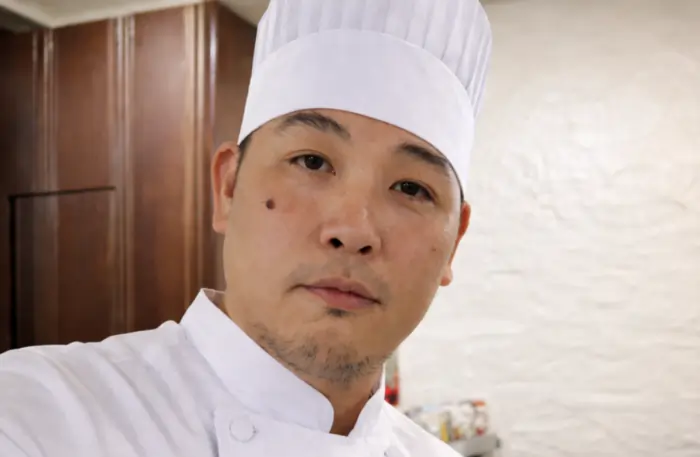
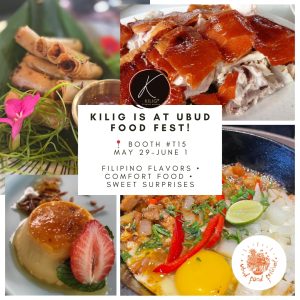
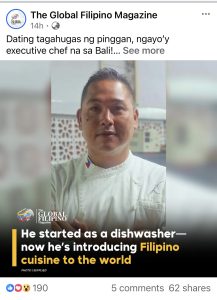
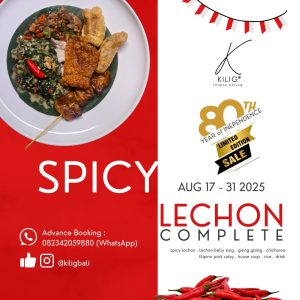
Chef Juan Gadi brings the heart of Filipino hospitality to Ubud, Bali. As an Executive Chef and consultant, he specializes in creating intimate, curated dining experiences that tell a story through every dish. Whether leading the kitchen at Kilig Filipino Warung or hosting a private villa dinner, Chef Juan’s approach is defined by warmth, modern technique, and a commitment to culinary excellence.