
Future of Experience Led Events in Bali Key Takeaways
One of the most exciting developments in the future of experience-led events in Bali is the rise of multi-sensory experiences .
- The future of experience-led events in Bali moves away from generic parties toward deeply personalized, story-driven celebrations.
- Chefs, planners, and designers now collaborate to create multi-sensory experiences that integrate food, sound, lighting, and environment.
- Sustainability and local authenticity are non-negotiable pillars for the next generation of luxury events on the island.

Understanding the Shift: Why the future of experience-led events in Bali Matters Now
For years, Bali attracted travelers seeking sun, surf, and affordable luxury. But the island’s event industry is undergoing a profound transformation. The future of experience-led events in Bali is not just about bigger venues or more elaborate decorations. It’s about crafting moments that resonate emotionally, intellectually, and sensorially.
Guests today expect more than a party. They want a narrative they can step into, a memory that lingers long after the last course is served. This shift from traditional events to immersive, experience-driven celebrations is visible across the island — from intimate villa ceremonies to multi-day destination weddings that weave together wellness, adventure, and gastronomy. For a related guide, see 9 Dining Experiences Perfect for Milestone Celebrations.
As an Executive Chef based in Ubud, I’ve witnessed this evolution firsthand. The question “what are experience-led events in Bali” is best answered by looking at how the island’s natural beauty, rich traditions, and innovative hospitality community come together to create something far greater than the sum of their parts.
The Rise of Immersive Events and Multi-Sensory Experiences
One of the most exciting developments in the future of experience-led events in Bali is the rise of multi-sensory experiences. These are events designed to engage all five senses simultaneously, creating a profound sense of presence and connection.
How Events Are Becoming More Immersive
Imagine a dinner set on a bamboo platform suspended over a rice field at sunset. The soundtrack is a live gamelan orchestra playing softly in the distance. The scent of frangipani and lemongrass drifts through the air. Each course is introduced with a story — a legend from Balinese mythology, a memory from the chef’s childhood, a tribute to the local farmers who grew the vegetables on your plate.
This is the new standard. Event designers are moving beyond visual decoration and integrating:
- Lighting – Dynamic lighting that shifts with the mood of the meal, from golden warmth to deep indigo as the night deepens.
- Sound design – Curated playlists, live musicians, or ambient nature sounds that enhance the theme.
- Aromatics – Scent branding using local ingredients like clove, sandalwood, or coffee.
- Tactile elements – Handwoven textiles, bamboo tableware, and natural textures that invite touch.
Experiential dining lies at the heart of this movement. A chef-led dinner is no longer just about the food; it becomes the centerpiece of the entire celebration, a performance that unfolds over several hours.
Why Bali Is a Global Hub for Luxury Hospitality Bali and Destination Experiences
The future of experience-led events in Bali is inseparable from the island’s position as a top-tier luxury destination. Luxury hospitality Bali has evolved far beyond five-star resorts. Today, it encompasses private chefs, personalized butlers, helicopter transfers, and access to hidden venues that most tourists never see.
Why Is Bali Popular for Destination Events?
Bali offers something few destinations can match: an incredibly diverse landscape packed into a small island. Within two hours, guests can move from volcanic highlands to pristine beaches, from dense jungles to terraced rice paddies. This variety allows event planners to create wildly different experiences within a single trip.
Moreover, the local culture is both welcoming and rich with ceremony. Balinese culture events bring authenticity that cannot be replicated. A blessing by a local priest, a traditional dance performed at sunset, or a shared meal made from heirloom recipes — these elements ground a celebration in a sense of place that guests remember forever.
According to industry data, Bali consistently ranks among the top five global destinations for destination weddings Bali. The number of luxury events hosted here has grown by over 40% in the last five years, and the average spend per guest continues to rise as clients demand more curated, exclusive experiences. For a related guide, see 11 Event Menu Trends Guests Are Loving Right Now.
Event Design Trends: The Marriage of Culture, Nature, and Storytelling
Modern event design trends in Bali emphasize narrative. The most successful celebrations feel less like a party and more like a film — one where the guests are both audience and characters.
Importance of Local Culture and Balinese Traditions
Authenticity is the new luxury. In a world of globalized aesthetics, what sets Bali apart is its deep well of tradition. Balinese culture events are not just for show; they are living practices that add spiritual weight to a celebration. Many couples now request a melukat (purification ceremony) before their wedding, or a ngayah (offering-making) session with local villagers as part of their stay.
This trend also extends to food. Guests want to taste experiential dining that tells the story of the island’s culinary heritage. As a chef, I often work with local farmers, foragers, and fishermen to source ingredients like snake fruit, moringa, or wild sea grapes. Every dish becomes a conversation about Bali’s land and sea.
Integration of Nature-Based Venues
The future of experience-led events in Bali increasingly takes place outdoors. Venues include:
- Beachfront cliffs at Uluwatu
- Private river villas in Sayan
- Jungle clearings near Munduk
- Rice terrace platforms in Jatiluwih
- Sacred spring temples in Tampaksiring
These natural settings require minimal decoration; the environment is the design. The challenge for planners and chefs is to enhance the space without overpowering it — a lesson in restraint that aligns with eco-friendly events principles.
The Shift Toward Smaller, More Curated Celebrations
The era of the 300-guest wedding is fading. In its place, we see a growing demand for private villa events and curated celebrations with guest lists of 20 to 60 people. This shift is driven by several factors:
- Desire for intimacy – Smaller groups allow for deeper connections between hosts and guests.
- Budget reallocation – Couples and brands spend more per person on quality rather than quantity.
- Flexibility in design – A smaller group can be taken to remote venues, enjoy multi-day itineraries, and receive personalized attention.
Private villa events have become a signature of Bali’s luxury scene. A villa in Seminyak or Ubud can be transformed into a private resort for the duration of a celebration. Chefs set up open kitchens by the pool. Dining tables are placed under the stars. The event becomes a home away from home — but one with a world-class kitchen and a dedicated team.
From my perspective, these intimate settings are where experiential dining truly shines. I can interact with each guest, explain the inspiration behind a dish, and adjust flavors on the fly. That level of customization is impossible in a banquet hall.
How Sustainable Events and Eco-Friendly Events Shape the Future
Sustainability is no longer a niche concern. For the future of experience-led events in Bali, it is a foundational requirement. Guests, especially luxury travelers, are increasingly conscious of their environmental footprint. They want celebrations that feel good in every sense — including ethically.
How Is Sustainability Changing Event Planning?
Bali faces real environmental challenges, from plastic waste to water scarcity. Event professionals are responding by:
- Eliminating single-use plastics entirely
- Working with local suppliers to reduce food miles
- Using compostable or reusable tableware
- Offsetting carbon emissions through tree planting programs
- Donating leftover food to local communities
Sustainable events also mean respecting local culture. This includes hiring local artisans, paying fair wages, and ensuring that celebrations do not disrupt sacred sites or traditional village life.
For chefs, sustainability means building menus around what is seasonal and abundant. In Bali, that might mean a feast of jackfruit, local fish, and heirloom rice — dishes that taste of the island while supporting its farmers.
The Role of Technology in Immersive Events
Some worry that technology detracts from authentic experiences. But when used thoughtfully, it enhances the future of experience-led events in Bali.
How Does Technology Enhance Modern Events?
Consider these applications:
- Projection mapping – Transforming a blank wall into a moving Balinese painting that tells the story of a couple’s journey.
- Wireless sound systems – Hidden speakers that deliver crystal-clear audio without cluttering natural spaces.
- Intelligent lighting – Lights that respond to music or even to guests’ movements, creating an interactive environment.
- Digital invitations and event apps – Allowing guests to RSVP, choose meal preferences, and receive real-time updates.
Technology also enables hybrid events that blend travel, leisure, and celebration. A guest unable to travel can still join a villa dinner via live-stream, with a curated meal kit shipped to their home. This trend, born of necessity during the pandemic, has evolved into a permanent feature of luxury event design.
Why Private Villa Events and Chef-Led Dining Are Trending
Two of the most significant shifts in the future of experience-led events in Bali are the rise of private villa events and the growing demand for chef-led dining.
Why Are Private Villa Events Trending?
Privacy is the ultimate luxury. At a private villa, guests can behave naturally, swim without crowds, and eat without set meal times. The villa becomes a blank canvas that the event team can completely personalize.
For chefs, villas offer creative freedom. I can design a kitchen setup that allows for open-fire cooking, a ceviche station overlooking the garden, or a dessert tasting under a bale (traditional Balinese pavilion).
Growing Popularity of Chef-Led Immersive Dining
Chef-led dining is distinct from catering. Guests want to see the chef, hear the story behind each dish, and feel a personal connection to the food. This is especially true for experiential dining, where the meal is a performance.
I often begin a dinner by walking guests through the ingredients I’ve sourced that morning — a wild mushroom foraged from Mount Batur, a snapper caught off the coast of Amed. This transparency builds trust and excitement. By the time they taste the dish, they already have a relationship with it.
Hospitality Innovation and the Role of Luxury Brands
Bali’s reputation as a leader in hospitality innovation is well earned. The island is home to some of the world’s most forward-thinking hotel groups, resorts, and independent venues.
What Makes Bali a Leader in Experiential Hospitality?
Several factors contribute:
- Investment in design – Architects and interior designers from around the world flock to Bali, creating spaces that are photogenic and functional for events.
- Openness to collaboration – Unlike more rigid markets, Bali’s hospitality community is small and interconnected. Planners, chefs, florists, and musicians regularly collaborate, often leading to innovative cross-disciplinary events.
- A culture of service – The Balinese concept of gotong royong (mutual cooperation) translates into event teams that work with genuine warmth and flexibility.
Luxury hospitality Bali brands are redefining event standards by offering in-house experience curators, private chefs, and access to exclusive venues. The result is a level of personalization that rivals private estates.
Event Storytelling: The Heart of Curated Celebrations
At the core of every successful experience-led event is a story. Event storytelling is the thread that ties together the venue, the food, the music, and the guests.
For a destination wedding, the story might begin with how the couple met, continue through their shared love of travel, and culminate in a Balinese blessing that symbolizes their new chapter. Every element — from the welcome cocktail (infused with ingredients from their favorite countries) to the parting gift (a handmade journal with notes from guests) — reinforces that narrative.
For a corporate retreat, the story might focus on transformation. A day of surfing and jungle trekking builds camaraderie. An evening experiential dining event in a candlelit cave creates space for reflection. The event becomes a journey rather than a schedule.
The Intersection of Wellness Events and Celebration
Another defining trend in the future of experience-led events in Bali is the integration of wellness. Wellness events are no longer limited to yoga retreats; they now include celebrations that prioritize guests’ physical and mental well-being.
This might mean starting a wedding weekend with a group sunrise meditation at a temple, offering healthy breakfast bowls alongside traditional Balinese cuisine, or incorporating spa treatments into the event itinerary. Even the evening dinner can be designed with wellness in mind — using lighter cooking techniques, organic wine, and herbal infusions.
Guests leave feeling renewed, not depleted. That emotional connection is what drives referrals and repeat visits.
Practical Takeaways for Event Professionals
Whether you are an event planning Bali professional, a resort manager, or a private chef, the future of experience-led events in Bali offers clear opportunities:
- Invest in storytelling – Every event should have a narrative arc. Build it from the invitation to the farewell gift.
- Collaborate across disciplines – Work with chefs, designers, musicians, and local artisans to create holistic experiences.
- Prioritize sustainability – Make eco-friendly choices visible to guests. They will appreciate the effort and remember your brand.
- Embrace technology as a tool – Use lighting, sound, and digital elements to enhance, not overwhelm.
- Go smaller and deeper – A curated event for 30 guests will leave a stronger impression than a generic party for 300.
- Celebrate local culture – The most authentic experiences come from respecting and integrating Balinese traditions.
- Design for the senses – Think about what guests will see, hear, smell, touch, and taste — in that order.
Useful Resources
For further reading on event design trends and luxury hospitality in Southeast Asia, visit Bali Discovery Events for a curated directory of venues and planners. For insights into sustainable event certification and best practices, explore Sustainable Events Alliance.
Frequently Asked Questions About future of experience led events in Bali
What are experience-led events in Bali?
Experience-led events in Bali are celebrations designed around immersive, multi-sensory activities that go beyond traditional party planning. They often combine experiential dining, cultural ceremonies, natural venues, and personalized storytelling to create deep emotional impact.
Why is Bali popular for destination events?
Bali offers stunning natural diversity — beaches, rice terraces, jungles, and volcanoes — combined with rich Balinese culture events, world-class luxury hospitality Bali, and a community of creative event professionals. It is also accessible visa-free for many nationalities.
How are events becoming more immersive?
Events are integrating lighting design, curated sound, aromatics, interactive food stations, and live performances. Multi-sensory experiences engage guests on every level, turning a standard dinner into a memorable journey.
What role does culture play in Bali events?
Culture is central. Many events include Balinese blessings, traditional dance, and locally sourced cuisine. Balinese culture events add authenticity and spiritual depth that globalized themes cannot replicate.
How does experiential dining shape celebrations?
Experiential dining turns a meal into a narrative performance. Chefs share stories behind ingredients, cook in front of guests, and design menus that reflect the location and the occasion. It often becomes the anchor of the entire event.
What is the future of destination weddings in Bali?
The future leans toward smaller, highly personalized destination weddings Bali with multi-day itineraries that blend ceremony, adventure, and relaxation. Private villa events and chef-led dining are key components. For a related guide, see 9 Event Dining Trends Shaping Bali Celebrations.
How is sustainability changing event planning?
Planners are eliminating plastics, sourcing locally, reducing waste, and donating leftovers. Sustainable events are now a baseline expectation for luxury clients in Bali.
Why are private villa events trending?
They offer complete privacy, flexibility, and a home-like atmosphere. Private villa events allow for personalized design and curated celebrations that feel exclusive and intentional.
How does technology enhance modern events?
Technology like projection mapping, hidden sound systems, and intelligent lighting amplifies the ambiance without intruding. It also enables hybrid events that connect remote guests.
What makes Bali a leader in experiential hospitality?
Bali’s combination of natural beauty, cultural richness, collaborative community, and continuous hospitality innovation positions it at the forefront of global destination experiences.
What is a chef-led dinner experience?
A chef-led dining experience is a meal where the chef personally guides guests through the menu, explaining sourcing, techniques, and inspirations. It creates a direct connection between the cook and the diner.
How do I choose a venue for an experience-led event?
Look for venues that align with your narrative — a beach for a sunset ceremony, a jungle for a mystery dinner, a villa for an intimate retreat. Event design trends favor spaces that need minimal decoration.
What are the most popular types of wellness events in Bali?
Wellness events range from sunrise yoga and meditation by the sea to detox-focused retreats, spa days, and farm-to-table nutrition workshops. Many are now integrated into larger celebrations.
How important are Instagram-worthy aesthetics?
Very important, especially for destination weddings Bali and brand events. Visual storytelling through photos and videos extends the event’s life and attracts future clients. However, authenticity should never be sacrificed for aesthetics.
Can I combine multiple days of events in Bali?
Absolutely. Multi-day curated celebrations are a hallmark of the future of experience-led events in Bali. They allow for a welcome dinner, adventure day, ceremony, and farewell brunch — all in different stunning locations.
What is the average cost of a luxury event in Bali?
Costs vary widely, but a luxury event with a private villa, chef, and full production team can range from $15,000 to $100,000 or more. Luxury events trends show that clients prioritize quality over quantity.
How do I find a reliable event planner in Bali?
Research portfolios, ask for client references, and look for planners who specialize in immersive events and experience-led events Bali. Personal recommendations from international wedding blogs and luxury travel forums are valuable.
What is the best season for events in Bali?
The dry season (April to October) offers the most reliable weather, especially for outdoor venues. However, the green season (November to March) can also be beautiful, with dramatic skies and lush landscapes.
How do I incorporate local ingredients into my event menu?
Work with a chef who has relationships with local farmers, fishermen, and foragers. A menu built around seasonal Balinese ingredients — from heirloom rice to cacao and spices — tells a powerful story of place.
What is the overall evolution of events in Bali?
Bali’s event industry is evolving from mass tourism to high-end, personalized celebrations. The future of experience-led events in Bali emphasizes emotional connection, cultural respect, and environmental responsibility — a shift that positions the island as a global benchmark for experiential hospitality.
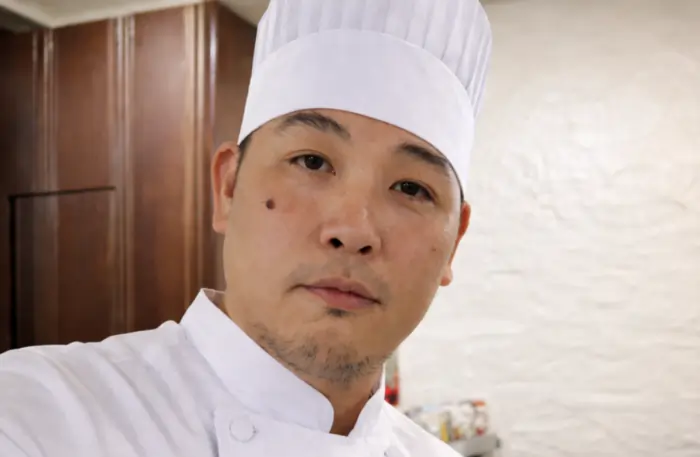
Chef Juan Gadi brings the heart of Filipino hospitality to Ubud, Bali. As an Executive Chef and consultant, he specializes in creating intimate, curated dining experiences that tell a story through every dish. Whether leading the kitchen at Kilig Filipino Warung or hosting a private villa dinner, Chef Juan’s approach is defined by warmth, modern technique, and a commitment to culinary excellence.