
Food Creates Meaningful Corporate Retreats in Bali Key Takeaways
Shared meals do more than fill stomachs—they build trust, spark conversation, and create lasting memories that strengthen company culture.
- How Food Creates Meaningful Corporate Retreats in Bali centers on turning everyday meals into structured team-building opportunities that improve communication and morale.
- From beachfront feasts to private dining in rice-terrace villas, Bali’s dining venues are designed for groups of all sizes, supporting both formal executive meetings and relaxed bonding.
- Curated experiences such as cooking classes , farm to table dinners, and cultural dining events boost employee engagement and leave teams feeling inspired long after the retreat ends.

What Makes Bali the Ultimate Destination for Corporate Retreats
Bali corporate retreats have become a top choice for forward-thinking organizations around the world. The island combines affordable luxury, breathtaking natural scenery, and a deeply hospitable culture that puts every guest at ease. Beyond the surf and temples, Bali offers an infrastructure built for business: modern conference venues, high-speed internet in most resorts, and a mature service industry that understands the nuances of corporate hospitality.
But what truly sets Bali apart is how seamlessly it weaves food into the retreat experience. When you plan a company retreat here, every meal becomes an opportunity to strengthen team bonding and reinforce your organization’s values. The island’s chefs, farmers, and restaurateurs have perfected the art of group dining experiences that feel both exclusive and communal—exactly what modern teams need to reconnect. For a related guide, see 8 Ways Food Can Transform an Event Atmosphere.
The Unique Role of Food in Executive Retreats
For C-suite leaders attending leadership retreats, the choice of venue and menu can set the tone for high-stakes strategic discussions. Luxury villas in areas like Seminyak or Ubud offer chef curated menus that can be tailored to dietary preferences and business schedules. A carefully timed tasting menu, paired with local wines, creates a natural rhythm for conversation that boardroom lunches rarely achieve.
How Does Food Create Meaningful Corporate Retreats in Bali?
Food operates on a level that meetings and icebreakers cannot reach: it triggers shared sensory experiences. When a team gathers around a table to enjoy Balinese cuisine—whether it’s a fragrant nasi campur or a freshly grilled babi guling—they participate in a ritual that transcends hierarchy. The act of passing dishes, commenting on flavors, and discovering new ingredients together builds a sense of equality and mutual respect.
Corporate dining Bali experiences go beyond the plate. Many venues incorporate local ingredients like turmeric, coconut, and kemangi (lemon basil) into dishes that tell a story of the island’s culture. When your team learns where their food comes from, they naturally engage in deeper conversations about sustainability, creativity, and collaboration—core themes that align with employee engagement goals.
Why Are Shared Dining Experiences Important for Team Building?
Shared meals are scientifically proven to increase cooperation and trust among group members. When people eat together, they tend to communicate more openly and feel more inclined to help one another. In the context of team building Bali, a well-planned dinner at a beachfront restaurant can accomplish more than a full day of facilitated workshops.
Breaking Down Barriers Through Food
In many corporate environments, lunch breaks are rushed and solitary. A retreat flips this dynamic entirely. By designing group dining experiences that require interaction—such as shared platters or communal cooking—you encourage even the quietest team members to participate. This is especially valuable for remote teams that rarely meet in person. The simple act of deciding which dish to order together fosters collaboration in a low-pressure setting.
What Types of Restaurants Are Best for Corporate Groups in Bali?
Bali offers a wide spectrum of dining venues suited to corporate events Bali, from ultra-luxe resorts to hidden warungs. The best choice depends on your group size, budget, and the atmosphere you want to create. Below is a comparison of popular options:
| Venue Type | Best For | Capacity | Key Feature |
|---|---|---|---|
| Beachfront restaurants | Networking dinners, sunset cocktails | 20–150 guests | Ocean views, relaxed elegance |
| Luxury villas | Executive retreats, private meetings | 10–50 guests | Exclusive use, private chefs |
| Resort dining | Multi-day retreats, large groups | 50–300 guests | Full-service banquet facilities |
| Cooking class venues | Team building activities, hands-on fun | 8–30 guests | Interactive learning experience |
| Farm to table kitchens | Educational retreats, wellness groups | 15–40 guests | Organic gardens, ingredient tours |
For groups seeking a mix of productivity and pleasure, Bali restaurants that offer private rooms or buyout options are ideal. Establishments like Merah Putih in Seminyak or Hujan Locale in Ubud have dedicated spaces for corporate dining Bali, with sound systems and AV equipment for presentations.
How Can Food Strengthen Employee Engagement During Retreats?
Employee engagement often dips after months of routine. A retreat in Bali can re-energize your workforce, and food is the catalyst. When you invest in chef curated menus that surprise and delight, you send a clear message: your company values quality and cares about the experience of its people.
Consider implementing a “flavors of the island” theme, where each meal introduces a new region of Balinese cuisine. This creates anticipation and conversation across departments. Pair meals with short talks from local farmers or spice merchants to deepen the learning. These touches turn a simple dinner into a memorable event that employees will discuss for months, directly improving company culture.
Wellness Retreats and Mindful Eating
Many companies now blend wellness retreats into their corporate travel. Bali is a global leader in this space. Plant-based menus, juice cleanses, and Ayurvedic-inspired meals are readily available. A morning cooking class focused on healthy Balinese dishes can set a positive tone for the day, while a silent breakfast overlooking the Ayung River encourages mindfulness and reflection.
What Culinary Experiences Should Companies Include in a Bali Itinerary?
To maximize the impact of your Bali corporate retreats, schedule a mix of structured and unstructured food experiences. Here are five must-include activities:
- Private dining at a beachfront restaurant with a set menu that changes with local seafood catches.
- Cooking classes where teams prepare traditional Balinese dishes like sate lilit and lawar together.
- Farm to table experiences at a local organic farm, including a tour of the gardens and a lunch made from freshly picked ingredients.
- Cultural dining events that incorporate traditional dance performances or gamelan music.
- A progressive dinner across two or three Bali restaurants within walking distance, encouraging small group mingling.
How Do Local and Filipino Dining Experiences Enhance Corporate Events?
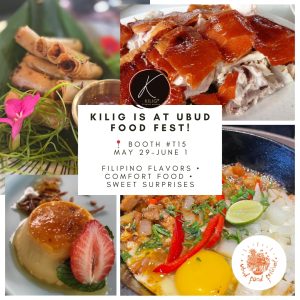
Bali is a melting pot of culinary influences, and Filipino cuisine in Bali has gained a loyal following. Dishes like adobo, sinigang, and lechon are available at specialized restaurants such as Adobo Connection or Sariwa. For teams that include Filipino members, these meals feel like home. For others, they offer a delicious introduction to another Southeast Asian tradition.
Including Filipino cuisine in Bali alongside Balinese cuisine adds variety and shows cultural awareness. It also opens the door for team members to share personal food stories, deepening interpersonal connections. For companies with diverse workforces, offering a range of cuisines during group dining experiences respects different palates and dietary needs.
What Are the Benefits of Chef Curated Group Meals?
When you opt for chef curated menus, you remove the stress of individual ordering and ensure a cohesive flow of flavors. Professional chefs can accommodate allergies, religious requirements, and preferences without disrupting the group experience. This level of corporate hospitality shows attendees that every detail has been considered.
Chef curated meals also allow for pairing drinks—perhaps a Balinese craft beer with a spicy dish or a cool young coconut water after a morning hike. These thoughtful touches elevate the meal from fuel to an experience, supporting the overall goal of team bonding and employee engagement.
How Can Businesses Plan Memorable Corporate Dining Experiences in Bali?
Planning a multi-day company retreat with a strong culinary component requires coordination. Start by defining your objectives: is this primarily for leadership retreats, employee engagement, or incentive travel? Once you clarify the goal, work with a local event planner who specializes in corporate events Bali. They can secure buyouts at popular Bali restaurants and arrange logistics for large groups.
Key Planning Steps
- Book venues early, especially for peak season (April–October). Many luxury villas and beachfront restaurants require deposits months in advance.
- Communicate dietary restrictions with the chef at least two weeks before arrival.
- Mix seating arrangements across meals so different departments interact.
- Include at least one unstructured meal (e.g., a buffet breakfast) where attendees choose their own table and pace.
- Allocate budget for event catering if you plan off-site activities like hikes or poolside sessions.
What Role Does Food Play in Networking and Collaboration?
During networking events and executive meetings, food acts as a social lubricant. Holding a plate or sipping a drink gives attendees something to do with their hands, reducing awkwardness. A well-placed appetizer station can encourage movement and conversation between tables.
In Bali, many conference venues now offer “grazing tables”—elaborate spreads of local fruits, cheeses, and small bites that keep energy levels up during breakout sessions. This style of corporate dining Bali promotes informal interaction, which is often where the best ideas and partnerships are born.
Why Is Bali a Popular Destination for Corporate Retreats and Team Experiences?
Bali’s popularity stems from a unique combination: it is exotic yet accessible, luxurious yet affordable. The island offers an escape from the distractions of daily office life, allowing teams to focus on each other. Bali culinary experiences are a major pull. From cooking classes in the jungle to sunset dinners on the sand, every meal feels like an event.
Moreover, the Balinese philosophy of Tri Hita Karana—harmony between people, nature, and the divine—aligns perfectly with modern company culture goals of balance, purpose, and sustainability. When you bring your team here, you are not just visiting a destination; you are immersing them in a mindset that values connection.
Useful Resources
For deeper insights into planning corporate dining in Bali, explore the following authoritative sources:
- Indonesia Travel – Official Bali Tourism Guide – Comprehensive information on Bali’s regions, culture, and dining etiquette for corporate groups.
- Forbes Travel Guide – Corporate Retreat Planning – Expert advice on selecting venues and curating experiences for executive and team retreats worldwide.
Frequently Asked Questions About How Food Creates Meaningful Corporate Retreats in Bali
How does food create meaningful corporate retreats in Bali ?
Food creates a shared emotional anchor. When teams eat together in Bali’s stunning settings, they form positive associations that strengthen relationships and improve team bonding. The island’s diverse Bali food experiences—from warungs to fine dining—allow for both formal and casual interactions.
Why are shared dining experiences important for team building?
Shared dining lowers social barriers and encourages open communication. In a retreat context, it provides a natural break from structured sessions, allowing team members to connect on a personal level. This directly supports team building activities by fostering trust and camaraderie. For a related guide, see Why Group Dining Creates Stronger Social Connections.
What types of restaurants are best for corporate groups in Bali?
The best restaurants offer private spaces, flexible menus, and the capacity to serve your group size. Beachfront restaurants in Seminyak, luxury villas in Ubud, and resort dining in Nusa Dua are top choices. Look for venues with experience hosting corporate events Bali. For a related guide, see 8 Bali Dining Moments That Feel Truly Special.
How can food strengthen employee engagement during retreats?
When you invest in high-quality, thoughtfully designed meals, employees feel valued. Interactive elements like cooking classes or farm to table experiences make meals memorable, which translates into higher employee engagement and loyalty after the retreat.
What culinary experiences should companies include in a Bali itinerary?
Include at least one private dining event, a cooking class, and a cultural dining experience that features local music or dance. A beachfront restaurant dinner and a farm to table lunch are also highly recommended for variety and impact.
How do local and Filipino dining experiences enhance corporate events?
They add cultural depth and cater to diverse palates. Filipino cuisine in Bali offers familiar comfort for Filipino team members, while introducing others to new flavors. This variety supports group dining experiences that feel inclusive and exciting.
What are the benefits of chef curated group meals?
Chef curated meals ensure a seamless experience with no ordering hassles. The chef can tailor dishes to dietary needs, pair drinks, and create a narrative arc for the meal. This level of corporate hospitality leaves a lasting impression on attendees.
How can businesses plan memorable corporate dining experiences in Bali?
Start with clear objectives, then book venues early. Work with a local planner familiar with corporate events Bali and event catering. Mix formal dinners with relaxed meals, and always consider seating arrangements to encourage cross-departmental conversation.
What role does food play in networking and collaboration?
Food lowers stress and creates a sociable atmosphere. During networking events, shared platters and buffet-style service encourage movement and interaction. This informal setting often sparks collaborations that formal meetings do not.
Why is Bali a popular destination for corporate retreats and team experiences?
Bali combines stunning scenery, rich culture, and world-class dining at relatively affordable prices. Its venues are designed for corporate retreats in Bali, with excellent service and facilities. The island’s cuisine adds a unique dimension that makes team experiences truly memorable.
What is the ideal group size for a corporate retreat in Bali?
Groups of 10 to 50 people are easiest to accommodate, as many luxury villas and Bali restaurants specialize in this size. Larger groups up to 200 can be hosted at major resorts and conference venues with dedicated event spaces.
How far in advance should I book dining for a corporate retreat in Bali?
Book at least 3 to 6 months in advance, especially for peak season. Popular beachfront restaurants and private dining venues often require deposits early. Early booking also gives chefs more time to plan customized chef curated menus.
Can Bali accommodate large scale corporate events with multiple dining venues?
Yes. Bali has extensive experience hosting corporate events Bali with multi-venue itineraries. Event planners can coordinate transport between different Bali restaurants and luxury villas for progressive dinners or themed nights.
Are there options for teams with strict dietary or religious requirements?
Absolutely. Bali’s culinary scene is highly accommodating. Most chefs can prepare halal, vegan, gluten-free, and allergen-free meals. When booking corporate dining Bali, communicate requirements early to ensure seamless service.
What is the best time of year for a corporate retreat focused on food in Bali?
The dry season from April to October offers the best weather for outdoor dining and beachfront restaurants. However, the wet season also offers lush scenery and fewer crowds, often with better rates for Bali corporate retreats.
How do cooking classes help with team bonding ?
They require collaboration, communication, and trust. Teams must chop, stir, and plate together under time pressure, mirroring workplace dynamics in a fun setting. This makes cooking classes one of the most effective team building activities available.
What is the typical cost for a corporate dining experience in Bali?
Costs vary widely. A private dinner at a luxury villa with a chef curated menu may start at $50 per person, while full event catering for a large group can range from $30 to $150 per person depending on menu complexity and venue hire.
Can I combine wellness activities with food experiences in Bali?
Yes. Many wellness retreats offer combined packages that include yoga, meditation, and healthy cooking classes. This is ideal for teams interested in wellness retreats that also incorporate Bali food experiences.
What is Filipino cuisine in Bali and where can we find it?
Filipino cuisine in Bali includes dishes like adobo, sinigang, and lechon. Restaurants such as Adobo Connection in Seminyak and Sariwa in Canggu serve authentic Filipino food, making them great options for group dining experiences with diverse teams.
What is the most important factor for a successful corporate food experience in Bali?
Intentionality. Every meal should support your retreat goals, whether that is team bonding, employee engagement, or networking events. When you align the menu, venue, and seating with your objectives, Bali culinary experiences become powerful tools for connection.
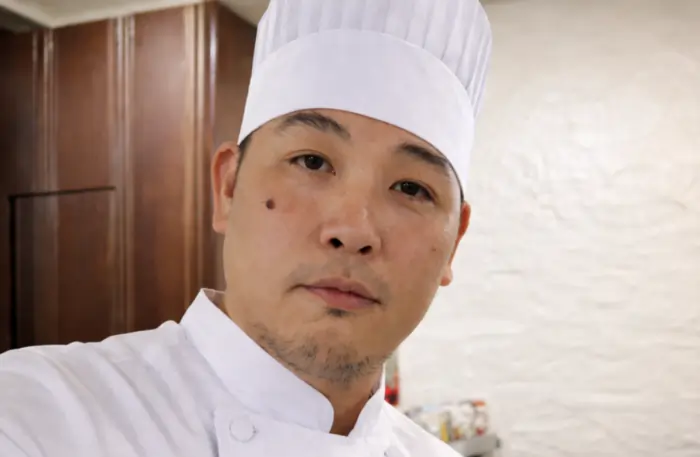
Chef Juan Gadi brings the heart of Filipino hospitality to Ubud, Bali. As an Executive Chef and consultant, he specializes in creating intimate, curated dining experiences that tell a story through every dish. Whether leading the kitchen at Kilig Filipino Warung or hosting a private villa dinner, Chef Juan’s approach is defined by warmth, modern technique, and a commitment to culinary excellence.