

Why Destination Dining Is Becoming a Luxury Travel Trend Key Takeaways
Destination dining is reshaping how affluent travelers plan their getaways, blending world-class gastronomy with immersive local culture.
- Destination dining transforms a meal into a central travel event, often warranting its own itinerary.
- Luxury travelers increasingly prioritize culinary travel and fine dining experiences over traditional sightseeing.
- Destinations like Bali now offer chef-curated menus and private dinners that fuse local ingredients with world-class technique, creating memorable dining moments.

What Is Destination Dining and Why Is It Redefining Luxury Travel?
Destination dining refers to the intentional act of traveling to a specific restaurant, region, or culinary event specifically for the food experience itself. Unlike casual meals that happen to occur during a trip, destination dining places gastronomy at the heart of the journey. These experiences often feature chef-curated menus, Michelin-inspired dining, and settings that are as extraordinary as the cuisine—think beachfront restaurants on remote islands or private dining inside a centuries-old rice terrace.
This trend is gaining momentum because modern luxury travelers crave immersion. They want to connect deeply with a place through its flavors, stories, and traditions. Luxury travel today demands authenticity and uniqueness, and destination dining delivers precisely that. When you combine local ingredients with wine pairing and a breathtaking location, you create something far more valuable than a meal: a memory that lasts a lifetime.
How Destination Dining Elevates the Travel Experience
Luxury dining in a stunning locale goes beyond satisfying hunger. It engages all the senses. Imagine a table set on a volcanic black-sand beach, where a local chef explains the heritage of each ingredient while the sun sets over the Indian Ocean. That is the essence of experiential travel. Culinary tourism has evolved to include tasting menus that unfold like a narrative, each course revealing a new chapter of the region’s culture.
According to recent industry reports, food-related activities are now the top driver for trip planning among high-net-worth individuals. Gourmet travel has become a status symbol, but more importantly, it satisfies a deeper human need for connection. Whether it’s a sunset dinner at a cliffside villa or a farm-to-table lunch in the highlands, these moments become the highlight of any itinerary.
Why Is Destination Dining Becoming a Luxury Travel Trend?
Several factors explain why destination dining is now a dominant force in luxury travel. First, the rise of social media has fueled a desire for visually stunning, shareable food experiences. A beautifully plated dish in a dramatic setting is the ultimate travel souvenir. Second, travelers today value time over things. Culinary destinations offer the chance to slow down and savor the present moment—a sharp contrast to the fast-paced, itinerary-heavy vacations of the past.
Third, premium hospitality brands have recognized that the kitchen is now the heart of the property. Luxury resorts compete fiercely to offer exclusive restaurants with resident chefs who craft gourmet experiences that cannot be replicated elsewhere. This trend is particularly strong in tropical dining hotspots like Bali, where beachfront restaurants and hidden jungle eateries offer unparalleled ambiance.
The Role of Chef-Curated Menus in Creating Memorable Travel Experiences
A truly exceptional destination dining experience hinges on the vision of the chef. Chef-curated menus reflect a personal philosophy, often blending local traditions with international techniques. When I prepare a multi-course dinner for guests in Ubud, I see the wonder in their eyes as they taste a dish that tells the story of Filipino hospitality reimagined with Balinese ingredients. That emotional connection is what transforms a meal into a lifelong memory.
Michelin-inspired dining techniques—such as precise temperature control, unexpected textures, and artful plating—are now accessible in far-flung locations. Whether it’s a private dining experience in a villa or a communal table inside a destination restaurant, the focus is always on storytelling through food. Guests don’t just eat; they experience the culture, the land, and the hands that prepared the meal.
What Makes a Restaurant a True Destination Dining Experience?
Not every restaurant with a view qualifies as a destination restaurant. Several key elements set these venues apart:
- Location First: The setting must be extraordinary—a cliffside, a hidden valley, a private island, or a centuries-old heritage building.
- Culinary Excellence: The food must be world-class, often featuring tasting menus and wine pairing that showcase the best of the region.
- Authenticity: Farm-to-table cuisine using local ingredients is non-negotiable. Guests want to taste the place they are visiting.
- Service: Premium hospitality means personalized attention, often with the chef greeting guests or explaining the inspiration behind each dish.
- Exclusivity: Limited seatings, private dining options, and an air of discovery make the experience feel special.
Examples of Destination Dining Around the World
From the white-sand beachfront restaurants of Tulum to the Michelin-starred rooms of Tokyo, destination dining takes many forms. In Bali, the trend is particularly vibrant. Bali dining experiences range from sunset dinners at Uluwatu’s clifftop venues to romantic dining in the heart of Ubud’s rice paddies. The island has become a magnet for culinary tourism, attracting travelers who are as interested in the kitchen as they are in the coastline.
Luxury resorts across Southeast Asia now employ fine dining restaurants that rival their city counterparts. These venues offer cultural dining experiences, where traditional recipes are elevated with modern techniques. For example, a tasting menu might include a Balinese lawar reimagined with foie gras, paired with a rare local wine. This fusion of old and new is what keeps gourmet travel exciting.
How Travelers Plan Trips Around Food Experiences
Increasingly, culinary travel is the primary motivator for selecting a destination. Instead of choosing a city and then finding a restaurant, travelers now book a far-flung destination restaurant and build their entire vacation around it. This approach aligns perfectly with luxury travel, where time is precious and every experience must be curated to perfection.
For destination wedding couples, romantic dining experiences become a key part of the celebration. A private villa dinner with a chef-curated menu—perhaps overlooking a Balinese valley—offers intimacy and exclusivity that a hotel ballroom cannot match. Similarly, honeymooners seek sunset dinners on secluded beaches, where tasting menus and wine pairing create an atmosphere of pure indulgence.
The Benefits of Destination Dining in Bali
Bali stands out as a premier destination for this trend because it offers an extraordinary combination of natural beauty, rich culinary heritage, and world-class hospitality. Bali dining benefits from an abundance of local ingredients—from fragrant lemongrass and turmeric to freshly caught seafood and organic vegetables grown in the island’s volcanic soil. This allows chefs to create farm-to-table cuisine that is both vibrant and sustainable. For a related guide, see How Destination Dining Is Redefining Special Occasions in Bali.
As an executive chef working in Ubud, I have witnessed how destination dining transforms the guest experience. When a couple arrives at a private villa for a romantic dining evening, they expect more than just good food. They want an atmosphere that feels both luxurious and intimate. Candlelight, the sound of distant gamelan music, and a menu that reflects both my Filipino heritage and Bali’s bounty create exactly that. The experience becomes a bridge between cultures, a moment of genuine connection.
How Can Visitors Choose the Best Destination Dining Experiences?
Choosing wisely ensures that your destination dining journey lives up to expectations. Here are some practical tips:
- Research Chef Credentials: Look for chefs with a clear philosophy. Chef-curated menus from experienced culinary professionals signal quality.
- Check for Local Ingredients: Authentic cuisine relies on fresh, regional produce. Ask whether the restaurant sources from local farms or fishermen.
- Read Reviews with a Food Focus: Travelers who mention specific dishes, wine pairings, or the chef’s story often provide the most reliable insights.
- Request Private Dining Options: Many luxury resorts and independent chefs offer private dining in unique settings—rice terraces, cliff edges, or candlelit gardens.
- Embrace the Local Culture: Choose experiences that highlight cultural dining practices, such as cooking classes or market tours followed by a meal.
Common Mistakes to Avoid
Even seasoned travelers can fall into traps. One common mistake is prioritizing Instagram appeal over substance. A stunning location cannot compensate for mediocre food. Always verify that the restaurant focuses on gourmet experiences and premium hospitality. Another pitfall is underestimating the value of wine pairing—a skilled sommelier can elevate a meal from enjoyable to unforgettable.
Why Culinary Tourism Is Becoming an Essential Part of Luxury Travel
Culinary tourism is no longer a niche interest; it is a central pillar of the luxury travel industry. Travelers today seek deeper meaning in their journeys. They want to understand a destination through its flavors, stories, and traditions. Food tourism provides that gateway. Whether it’s foraging for wild herbs in the Ubud jungle or learning to cook traditional Filipino adobo in a Balinese kitchen, these activities connect visitors to the soul of a place.
Exclusive restaurants and private chef experiences are at the forefront of this movement. They offer luxury escapes that are both indulgent and educational. Guests leave not only with a satisfied palate but also with a new appreciation for the region’s culture. This alignment of pleasure and meaning is what makes culinary tourism irreplaceable in modern luxury itineraries.
The Future of Destination Dining
As travel trends continue to evolve, destination dining will only grow in significance. Technology will play a role, with virtual previews and AI-driven personalization helping guests tailor menus before they arrive. Yet the core appeal will remain unchanged: the human desire for authentic, beautiful, and delicious moments shared with loved ones. For fine dining restaurants and luxury hospitality professionals, the challenge is to keep innovating while honoring tradition.
Useful Resources
For more insights into the world of destination dining and culinary travel, explore these trusted sources:
- World Travel Awards – Recognizing Excellence in Travel and Hospitality
- Bali Tourism Board – Official Information on Bali’s Culinary and Cultural Offerings
Frequently Asked Questions About Why Destination Dining Is Becoming a Luxury Travel Trend
What is destination dining ?
Destination dining is the practice of traveling specifically to a restaurant or culinary region to enjoy an exceptional food experience. It places gastronomy at the center of the travel itinerary, rather than treating it as a secondary activity.
Why is destination dining becoming a luxury travel trend?
Modern luxury travelers value authentic, immersive experiences. Destination dining offers a unique combination of stunning locations, world-class cuisine, and cultural connection that aligns perfectly with the desire for meaningful, memorable travel.
How does destination dining enhance a luxury vacation?
It transforms a simple meal into a central event of the trip. Destination dining adds depth by allowing guests to explore local ingredients, meet passionate chefs, and enjoy settings that are as remarkable as the food itself.
What makes a restaurant a destination dining experience?
A true destination restaurant combines an extraordinary location, a chef with a clear vision, chef-curated menus featuring local ingredients, and a service that reflects premium hospitality. Exclusivity and a strong sense of place are essential.
Why do travelers plan trips around food experiences ?
Food is a powerful gateway to culture. Culinary travel allows travelers to connect more deeply with a destination, creating stories and memories that last long after the trip ends. It also offers a sense of discovery and personalization that traditional sightseeing cannot match.
What are the benefits of destination dining in Bali?
Bali offers stunning natural backdrops, abundant local ingredients, and a rich culinary heritage. Bali dining experiences often include beachfront restaurants, sunset dinners, and private villa meals that fuse local traditions with international techniques. For a related guide, see 9 Event Dining Trends Shaping Bali Celebrations.
How do chef-curated menus create memorable travel experiences ?
Chef-curated menus tell a story through each course. They reflect the chef’s personal journey and the region’s resources, turning a meal into a narrative that guests can taste, smell, and remember.
What should travelers expect from luxury destination restaurants ?
Guests can expect exceptional fine dining experiences, personalized service, wine pairing recommendations, and a setting that enhances the meal. Many venues also offer private dining and tasting menus that highlight the best of the region.
How can visitors choose the best destination dining experiences?
Research the chef’s background, prioritize restaurants that emphasize farm-to-table cuisine and local ingredients, read detailed reviews, and consider booking private dining for a more intimate experience.
Why is culinary tourism becoming an important part of luxury travel ?
Culinary tourism offers a multisensory way to explore a destination. It provides deeper cultural insight, supports local economies, and creates memorable dining experiences that align with the values of modern luxury travelers.
What types of cuisine define luxury destination dining ?
Luxury dining often features Michelin-inspired dining, tasting menus, and dishes that showcase authentic cuisine using local ingredients. The focus is on creativity, precision, and storytelling.
Are destination dining experiences expensive?
Because they combine world-class food with extraordinary settings and personalized service, these experiences generally command a premium price. However, the value lies in the unique, often once-in-a-lifetime nature of the event.
Can destination dining accommodate dietary restrictions?
Yes, most exclusive restaurants and private chefs are highly accommodating. It is best to communicate dietary needs in advance so the menu can be tailored to your requirements.
What is the difference between fine dining and destination dining ?
Fine dining focuses on the quality of food and service in any setting. Destination dining adds the element of location as a core part of the experience. The setting is often remote, dramatic, or culturally significant.
Is destination dining suitable for families?
Many luxury resorts and destination restaurants offer family-friendly experiences, from casual beachfront restaurants to private chefs who can prepare menus that appeal to all ages.
How do I book a private dining experience?
You can book directly through a chef like Chef Juan Gadi, through luxury resorts, or via specialized platforms that connect travelers with private chefs and exclusive venues.
What makes Bali a top destination for culinary travel ?
Bali offers an unmatched mix of tropical beauty, diverse local ingredients, a vibrant food scene, and a culture of warm hospitality. Bali dining experiences range from traditional warungs to modern fine dining.
Can destination dining be part of a destination wedding?
Absolutely. Destination weddings are enhanced by romantic dining experiences, from rehearsal dinners to private receptions that feature chef-curated menus and stunning backdrops.
What is farm-to-table cuisine in destination dining ?
It is a philosophy where ingredients are sourced directly from local farms, fisheries, and producers. This approach ensures freshness, supports the local economy, and allows guests to taste the true character of the region.
Why should I choose a chef with local expertise?
A chef who knows the region intimately can source the best local ingredients, incorporate traditional techniques, and share authentic cultural context. This depth of knowledge elevates the entire experience.
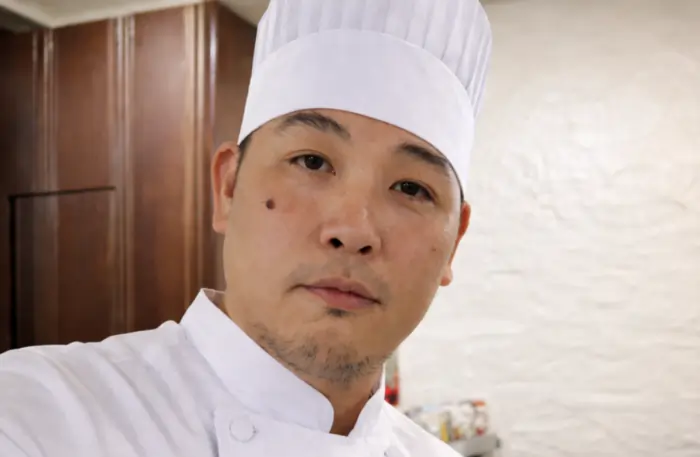
Chef Juan Gadi brings the heart of Filipino hospitality to Ubud, Bali. As an Executive Chef and consultant, he specializes in creating intimate, curated dining experiences that tell a story through every dish. Whether leading the kitchen at Kilig Filipino Warung or hosting a private villa dinner, Chef Juan’s approach is defined by warmth, modern technique, and a commitment to culinary excellence.