Pinoy Customs Reflected in Every Single Famous Dish Key Takeaways
Filipino food is not just about flavor—it is a direct window into centuries-old traditions of family, hospitality, and celebration.
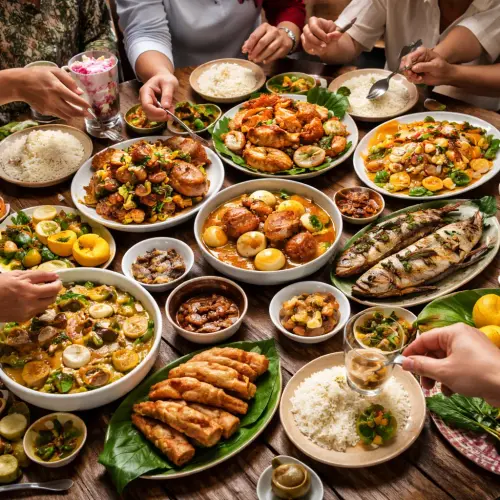
- Pinoy Customs Reflected in Every Single Famous Dish show how communal dining, like in boodle fights or salu-salo , strengthens family bonds and welcomes strangers as friends.
- Regional diversity, from Ilocano pinakbet to Bicolano laing, reveals how local ingredients and traditions influence cooking styles and preserve cultural identity.
- Religious feasts and festivals, such as Noche Buena and the Pahiyas harvest, turn humble ingredients into symbols of gratitude, faith, and generosity.
Why Pinoy Customs Reflected in Every Single Famous Dish Matter for Understanding Filipino Culture
If you have ever sat down to a Filipino meal, you already know it is never just about eating. The steaming mound of rice, the vinegary sawsawan on the side, and the way everyone reaches for the same plate reflect deep-rooted values. What Filipino customs are reflected in famous dishes? The answer goes back centuries—to pre-colonial bayanihan (community spirit), Spanish-era fiestas, and Chinese trading influences that introduced noodles and soy sauce. When you ask how does Filipino food show cultural traditions, look at the act of eating itself: the kamayan (eating with hands) style, the overflowing serving bowls, and the insistence that you eat more than you can possibly finish. Every dish becomes a vessel for Filipino family values dishes that prioritize togetherness over individualism.
This article explores 10 Pinoy customs reflected in every single famous dish, weaving together history influence Filipino cuisine with regional traditions Filipino food. Whether you are a culinary student studying Filipino gastronomy, an OFW longing for the taste of home, or a travel writer documenting Philippine culture, you will discover how food central Filipino customs remains alive in every bite of adobo, sinigang, and lechon. For a related guide, see 10 Pinoy Food Traditions That Shine in Bali 2026.
1. The Bayanihan Spirit: How Lechon Brings Communities Together
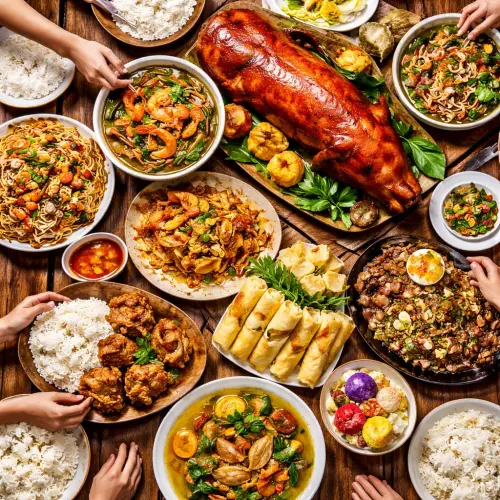
Few dishes symbolize Filipino social gatherings dishes like lechon. The custom of roasting a whole pig over an open fire is never a solo endeavor. Neighbors gather early in the morning, each contributing wood, spices, or manpower. This reflects the bayanihan tradition of communal work, where the entire barangay helps a family prepare for a wedding, baptism, or fiesta. Which dishes represent Filipino family values? Lechon stands tall—literally—as a centerpiece that demands sharing. The crispy skin and tender meat are portioned out to everyone present, with the best pieces offered to elders as a sign of respect.
Cultural Significance of the Roasting Ritual
The hours-long process of turning the pig over hot coals is itself a social event. People talk, drink, and tell stories while the fat drips and sizzles. This answers how does hospitality appear in Filipino cuisine: inviting others to witness and participate in the cooking is the highest form of welcome. Even in modern times, ordering lechon for a party signals that the host values abundance and generosity. The dish is a living example of customs preserved Filipino cooking, passed down from pre-colonial feasts to today’s family reunions.
2. Kamayan Dining: Eating with Hands in Boodle Fights and Everyday Meals
Kamayan (from the word kamay, meaning hand) is the practice of eating with bare hands. This custom is most famously expressed in boodle fights, a military-inspired communal meal where banana leaves are spread on a table and topped with mounds of rice, grilled fish, fried chicken, vegetables, and sauces. Everyone eats directly from the shared spread. When you explore how do Filipino customs influence cooking styles, kamayan dictates that food be served in bite-sized or easy-to-pinch forms—no forks needed.
The Sensory Connection to Food
Eating with hands is tactile and intimate. It slows down the meal and forces participants to engage fully. For why is sharing meals important in Filipino culture, kamayan provides the answer: touching the same food builds trust and equality. No one gets a “better” portion because everyone reaches from the same pile. This practice is especially strong in provinces like Quezon and Bicol, where regional traditions Filipino food emphasize rustic, communal cooking. Many restaurants now offer kamayan feasts to introduce tourists to Pinoy customs reflected in every single famous dish like crispy pata, grilled pusit, and garlic rice.
3. Salu-salo and the Tradition of Overflowing Tables: Adobo as a Shared Staple
Adobo is arguably the most famous Filipino dish, but its real power lies in how it is served. Salu-salo means “to eat together,” and adobo—braised in vinegar, soy sauce, garlic, and bay leaves—is a dish that only gets better when shared. What cultural meanings are found in Pinoy dishes? Adobo’s versatility mirrors the Filipino value of pakikisama (getting along). It can be made with chicken, pork, squid, or even vegetables, adapting to what is available. A pot of adobo on the stove signals that anyone who drops by is welcome to a plate.
Preserving Food, Preserving Connections
The vinegar and soy sauce in adobo originally served as a natural preservative in the tropical heat. This practical cooking method answered how does history influence Filipino cuisine—pre-colonial Filipinos needed ways to keep meat edible without refrigeration. Today, that same method allows adobo to be cooked in large batches and reheated over days, ensuring that Filipino social gatherings dishes last as long as the conversations. The dish teaches that food—like family—should be durable, forgiving, and always available. For a related guide, see 8 Filipino Flavors That Make Bali More Special.
4. Pahiyas and Harvest Festivals: Kakanin as Symbols of Gratitude
Kakanin (rice cakes) such as bibingka, puto, kutsinta, and sapin-sapin are central to Filipino foods celebrations. During the Pahiyas Festival in Lucban, Quezon, houses are decorated with colorful kiping (fried rice wafers) and trays of kakanin are offered as thanks for a bountiful harvest. Which Filipino foods are linked to celebrations? The answer is almost always kakanin—their sticky, sweet, layered textures represent the layers of community effort and divine blessing.
Sticky Rice, Stronger Bonds
The process of making kakanin is labor-intensive: grinding soaked rice, mixing coconut milk and sugar, and steaming in banana leaves. This mirrors the bayani (heroic) effort of farmers. When you consider what dishes reflect Filipino social gatherings, kakanin are present at Christmas (bibingka with salted egg), Lent (suman with mango), and town fiestas (puto bumbong). They are culturally significant Filipino dishes that honor both indigenous agriculture and Spanish-introduced ingredients like refined sugar. The custom of offering kakanin to visitors or during novenas shows how hospitality appears in Filipino cuisine—through sweetness and effort.
5. Barrio Fiesta Spirit: Pancit and the Long Noodle Tradition for Long Life
Pancit—whether guisado, bijon, or canton—is a staple at every Filipino birthday party. The custom, borrowed from Chinese traders, dictates that long noodles symbolize long life. Cutting the noodles is considered bad luck. But more than superstition, pancit embodies the fiesta spirit: it is a quick, stir-fried dish that can feed a crowd using inexpensive ingredients. How do Filipino traditions shape recipes? Pancit recipes vary by region—Pancit Malabon uses seafood and thick noodles, while Pancit Molo is a soup with dumplings—but the core meaning remains unchanged.
Noodles as a Gesture of Welcome
When a neighbor drops by unexpectedly, a good host often whips up pancit in minutes—a practice that answers how does hospitality appear in Filipino cuisine. The dish is also a favorite at salo-salos and potlucks because it travels well and tastes good at room temperature. For Filipino customs cooking styles, pancit teaches resourcefulness: any protein (chicken, pork, shrimp) or vegetable (carrots, cabbage, snow peas) can go in. It is a dish that reflects the Filipino talent for making something delicious from what is on hand.
6. Noche Buena and Media Noche: The Festive Role of Queso de Bola and Hamon
Christmas Eve (Noche Buena) and New Year’s Eve (Media Noche) are the most food-centric holidays in the Philippines. The table is laden with hamon (cured ham), queso de bola (Edam cheese in a red rind), and fruit salad made with condensed milk and kaong. These dishes are not everyday fare—they are specially saved for the most important family gatherings of the year. What Filipino customs are reflected in famous dishes during these nights? The act of laying out the best food, often prepared over two days, shows pagmamahal (deep love) for family.
The Symbolism of the Red Cheese Wax
For decades, queso de bola’s iconic red wax has been a marker of prosperity and celebration. Why is sharing meals important in Filipino culture becomes clear during Noche Buena: even the poorest families save for months to afford ham and cheese. The shared midnight meal is a reaffirmation of hope—that the coming year will be as abundant as the table. These Filipino family values dishes are not about luxury but about making sacrifices to show love through food.
7. Pulutan Culture: Sisig and the Art of Social Drinking
Sisig—chopped pig face, chicken liver, and onions served on a sizzling plate—is the undisputed king of pulutan (food eaten with alcohol). The custom of pulutan is deeply social: friends gather at a karinderia or bar, share a plate of sisig, and drink beer while debating politics or telling jokes. What cultural meanings are found in Pinoy dishes like sisig? It represents diskarte—the Filipino talent for transforming humble, even discarded, ingredients into something crave-worthy.
From Kapampangan Roots to National Icon
Sisig originated in Pampanga, a province known for its rich culinary tradition. The dish shows how regional traditions affect Filipino food: Kapampangan cooks used every part of the pig, including the ears and cheeks, flavored with calamansi and chili. Over time, sisig migrated from local bars to restaurant menus nationwide. When asking how do Filipino traditions shape recipes, sisig proves that pulutan is not just about drinking—it is about community, resourcefulness, and pride in local ingredients.
8. The Bawal Mag-iiwan (Don’t Leave Empty-Handed) Ethic: Pasalubong and Regional Delicacies
The pasalubong tradition—bringing home food gifts from travel—is a cornerstone of Filipino hospitality. When visiting a province, you never return empty-handed. You bring pastillas de leche from Bulacan, dried mangoes from Cebu, or piaya from Negros. This custom directly connects to Pinoy customs reflected in every single famous dish because those local foods carry the identity of their place of origin. How does history influence Filipino cuisine in pasalubong? Trade routes and Spanish colonial legacies introduced ingredients like dairy and flour, which locals adapted into unique products.
Preserving Regional Identity Through Gifts
Pasalubong is not just a gift—it is a story. When you give someone budin (cassava cake) from Eastern Samar, you share a piece of that region’s agricultural heritage. For what dishes reflect Filipino social gatherings, pasalubong items often become the conversation starters at family reunions. The custom reinforces that food central Filipino customs includes the duty to remember others even when you are far away.
9. Turo-Turo and Karinderia: Everyday Hospitality Without Reservations
The turo-turo (point-point) style of dining—where you point at the dishes you want from a glass display—is a daily practice in karinderias (eateries). This informal way of eating reflects how do Filipino customs influence cooking styles: food is cooked in bulk early in the morning, displayed in stacked trays, and served immediately. It eliminates pretension—everyone, from office worker to construction laborer, eats the same daing na bangus (fried milkfish) and pinakbet.
No Reservations, No Barriers
In a karinderia, you never need a reservation. You walk in, take a seat, and eat. This openness embodies Filipino customs in famous dishes by making food accessible to all. Why is sharing meals important in Filipino culture? Because in a karinderia, solitary diners strike up conversations with strangers over a shared table. The food—always home-cooked, never pretentious—becomes the bridge. Filipino family values dishes like adobo or ginisang munggo are the daily staples that keep the community connected.
10. Panu-Salo (Visiting Without Notice): The Unexpected Feast–Cured, Pickled, and Fried Specialties
Filipinos are famous for dropping by without warning, and hosts are expected to produce food immediately. This custom has shaped dishes that can be prepared in advance or cooked quickly: inihaw na baboy (grilled pork), chicharon bulaklak (crispy fried pork ruffle fat), and atchara (pickled papaya). What customs are preserved through Filipino cooking? The readiness of these dishes shows kahandaan (preparedness) and pagiging mapagbigay (generosity).
The Spontaneity of Filipino Hospitality
When a visitor arrives, the host will say “Kain tayo!” (Let’s eat!) and bring out whatever is in the fridge or pantry. This custom answers how does hospitality appear in Filipino cuisine: even if the meal is simple, it is offered with warmth. Dishes like ginataang langka (jackfruit in coconut milk) or tortang talong (eggplant omelet) come together with minimal effort but maximum flavor. For regional traditions Filipino food, coastal regions might offer grilled fish with vinegar dip, while mountain provinces serve pinikpikan (native chicken stew). Regardless of region, the spirit is the same—food is love, and love is never planned.
Useful Resources
Explore more about Filipino culture and cuisine from these trusted sources:
- National Commission for Culture and the Arts: Philippine Culinary Heritage – Official resource on the role of food in Filipino traditions.
- Viddsee: The Story of Filipino Food – Documentary short that visualizes how regional diversity and history shaped classic dishes.
From the festive crackle of lechon skin to the humble warmth of adobo left on the stove, the 10 Pinoy customs reflected in every single famous dish are living traditions that continue to shape Filipino identity. Each meal is a quiet lesson in Filipino family values dishes and an open invitation to understand why food central Filipino customs remains unshakeable. Whether you are savoring pancit on a birthday, sharing sisig over cold beer, or unwrapping pasalubong from a faraway province, you are participating in a heritage that has been simmering for centuries. The table is set—kain tayo!
Frequently Asked Questions About Pinoy Customs Reflected in Every Single Famous Dish
What Filipino customs are reflected in famous dishes?
Filipino customs such as bayanihan (communal work), kamayan (hand-eating), salu-salo (shared meals), pakikisama (getting along), pagmamahal (familial love), and diskarte (resourcefulness) are reflected in dishes like lechon, adobo, boodle fights, kakanin, and sisig.
How does Filipino food show cultural traditions?
Filipino food shows cultural traditions through cooking methods (slow roasting, vinegar preservation, stir-frying in large batches), serving styles (banana leaf presentation, communal bowls), and the occasions for eating (fiestas, Noche Buena, pulutan sessions). Each dish carries stories of trade, colonization, and indigenous ingenuity.
Why is sharing meals important in Filipino culture?
Sharing meals is central to kapwa (shared identity) and bayanihan. It reinforces family bonds, builds trust among community members, and ensures that no one eats alone. The practice of inviting strangers to join a meal is a core expression of Filipino hospitality.
What dishes represent Filipino family values?
Adobo (adaptable and long-lasting), lechon (centerpiece of celebration), pancit (symbol of long life), sinigang (comfort and nourishment shared with loved ones), and kakanin (made with effort for family and guests) all represent Filipino family values of togetherness, generosity, and respect for elders.
How do Filipino customs influence cooking styles?
Customs like turo-turo (point-and-eat) and karinderia dining encourage batch cooking and display-style serving. Kamayan requires bite-sized foods. Pulutan influences highly flavored, shareable small plates. Pasalubong leads to portable, preserved delicacies. These customs directly shape portioning, texture, and seasoning.
Which Filipino foods are linked to celebrations?
Lechon (fiestas), bibingka and puto bumbong (Christmas), suman (Lenten season and harvest festivals), pancit (birthdays), queso de bola and hamon (Noche Buena and Media Noche), and sisig (pulutan and gatherings) are all linked to specific celebrations.
How does hospitality appear in Filipino cuisine?
Hospitality appears through the abundance of food served (even in modest homes), the insistence on guests eating first, the preparation of pasalubong gifts, the readiness of adobo or pancit for unexpected visitors, and the communal boodle fight setup that welcomes everyone equally.
What cultural meanings are found in Pinoy dishes?
Cultural meanings include: lechon = abundance and generosity; adobo = resourcefulness and adaptability; pancit = longevity; kakanin = community effort and gratitude; sinigang = comfort and family; sisig = ingenuity and social bonding; andhamon/queso de bola = prosperity and sacrifice.
How do regional traditions affect Filipino food?
Regional traditions affect ingredients (coconut milk in Bicol, vinegar in Ilocos, seafood in coastal areas), cooking methods (grilling in Visayas, stewing in Luzon), and flavor profiles (spicier in Bicol, saltier in Pampanga). These differences create distinct versions of dishes like adobo, sinigang, and pancit.
What dishes reflect Filipino social gatherings?
Lechon, boodle fight spreads, pancit, sisig, spring rolls (lumpia), grilled items (inihaw), and fruit salad are common at social gatherings. These dishes are designed to be shared, easy to portion, and festive in appearance.
Why is food central to Filipino customs?
Food is central because it is the medium for expressing love (pagmamahal), respect (galang), gratitude (pasasalamat), and community (kapwa). Almost every major life event—birth, baptism, wedding, death—is marked by a shared meal. Food bridges social and economic divides.
How do Filipino traditions shape famous recipes?
Filipino traditions shape recipes by prioritizing flavor layers (sour, salty, sweet), using indigenous techniques (vinegar braising, coconut milk reduction, grilling over charcoal), and adapting foreign influences (Chinese noodles, Spanish stews, American canned goods) into uniquely Filipino versions that still observe local customs.
What are examples of culturally significant Filipino dishes ?
Adobo (national dish), sinigang (comfort soup), lechon (celebration staple), pancit (birthday essential), kakanin varieties (festival offerings), sisig (pulutan icon), dinuguan (blood stew with cultural roots in resourcefulness), and balut (street food that symbolizes Filipino adventurousness and thrift). For a related guide, see 12 Filipino Recipes That Feel Right at Home in Bali.
How does history influence Filipino cuisine ?
History influences Filipino cuisine through pre-colonial Austronesian cooking (vinegar preservation, grilling), Chinese trade (noodles, soy sauce, stir-frying), Spanish colonization (stews like caldereta, mechado, use of garlic and tomatoes), American occupation (canned goods, luncheon meats), and post-independence globalization (fusion trends).
What customs are preserved through Filipino cooking?
Customs preserved include kamayan (hand-eating), boodle fight (communal military-style meal), pasalubong (food gifting), turo-turo (casual eatery dining), pulutan (food with drinks), and Noche Buena (midnight Christmas feast). These practices keep the social fabric strong across generations.
What is the most famous Filipino dish that reflects hospitality?
Adobo is the most famous dish reflecting hospitality because it is always available, easy to prepare in large quantities, and served to both family and unexpected guests. Its vinegar-based preservation originally allowed food to be kept ready for visitors at any time.
How does the boodle fight reflect Filipino values?
The boodle fight reflects values of equality (everyone eats from the same spread, no special portions), bayanihan (communal preparation and clean-up), and camaraderie (eating together without utensils creates a bond). It originated from military practices but is now used in family reunions and team-building events.
What role does vinegar play in Filipino customs?
Vinegar plays a dual role: as a natural preservative that allowed pre-colonial Filipinos to store meat and fish, and as a flavor base that creates the iconic sourness in adobo, sinigang, and sawsawan (dipping sauces). It represents practicality and the Filipino adaptation to tropical climate.
Why are street foods like balut and isaw important to Filipino customs?
Street foods like balut (fertilized duck egg) and isaw (grilled chicken intestines) embody diskarte—the ability to turn inexpensive, accessible ingredients into profitable and delicious food. They also reflect the Filipino custom of eating while walking, socializing in public spaces, and supporting micro-entrepreneurs.
How do modern Filipino restaurants preserve traditional customs?
Modern Filipino restaurants preserve traditions by offering kamayan setups, featuring regional dishes (like Bicol Express, Ilocos bagnet), using heirloom ingredients (purple yam, native rice), and storytelling through menus. Many also incorporate pasalubong-style take-home items and host communal feasts that replicate the barrio fiesta atmosphere.
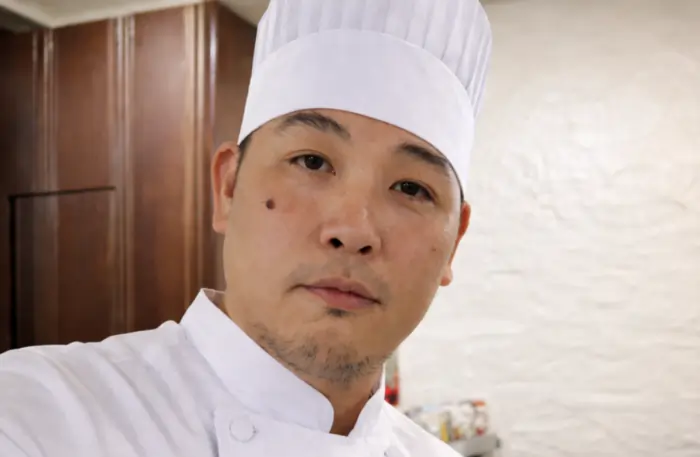
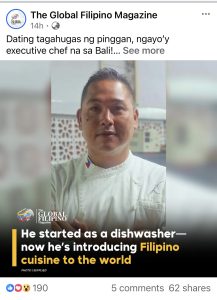
Chef Juan Gadi brings the heart of Filipino hospitality to Ubud, Bali. As an Executive Chef and consultant, he specializes in creating intimate, curated dining experiences that tell a story through every dish. Whether leading the kitchen at Kilig Filipino Warung or hosting a private villa dinner, Chef Juan’s approach is defined by warmth, modern technique, and a commitment to culinary excellence.