Filipino Dishes Combined With Rich Heritage Stories Key Takeaways
Filipino cuisine is a living archive of the nation’s history, blending indigenous ingredients, colonial influences, and family traditions into every meal.
- Discover Filipino Dishes Combined With Rich Heritage Stories , including adobo, sinigang, and lechon, each carrying centuries of cultural meaning.
- Learn how colonial encounters, regional geography, and family rituals shaped the origins of popular Filipino dishes .
- Understand why Filipino recipes tied to family stories are the backbone of community identity among diaspora groups and younger generations.
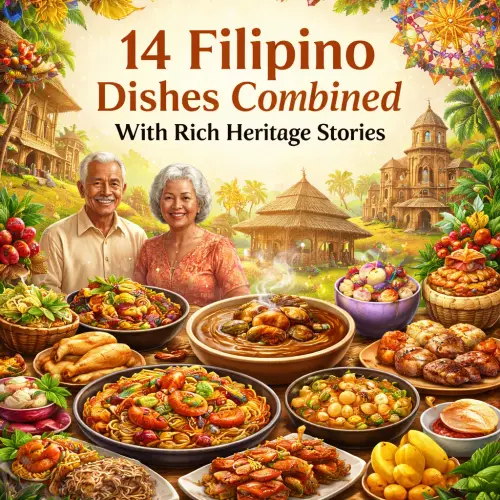
The Meaning Behind Filipino Dishes Combined With Rich Heritage Stories
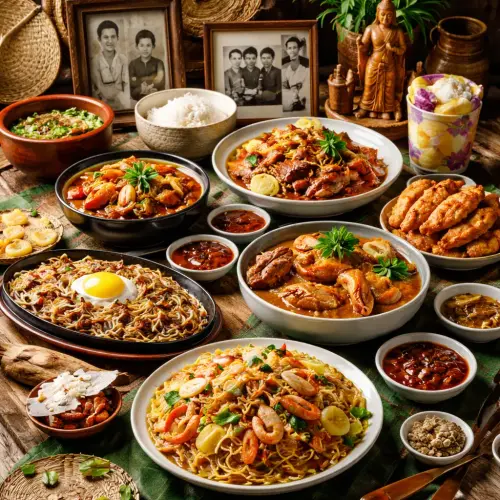
Every Filipino dish carries a story. Whether it is the tang of sinigang that reminds Filipinos of rainy afternoons or the sizzle of sisig that evokes late-night laughter, food in the Philippines is never just about sustenance. It is a vessel for memory, a marker of place, and a bridge between generations. Understanding Filipino Dishes Combined With Rich Heritage Stories means exploring how indigenous cooking methods survived colonization, how festive dishes emerged from scarcity, and how family recipes become heirlooms as precious as any photograph.
This guide takes you through 14 iconic dishes, each paired with a distinct heritage story. You will see how Spanish friars introduced vinegar-based preservation, how Chinese traders brought noodles and soy sauce, and how American occupation left its mark on pantry staples. More importantly, you will understand how Filipino food cultural history continues to evolve as younger Filipino cooks reinterpret traditional recipes while staying rooted in the values of kapwa (shared identity) and pagkakaisa (unity).
14 Filipino Dishes and the Stories They Carry
1. Adobo: The Unofficial National Dish Born of Preservation
Dish description: Chicken or pork simmered in soy sauce, vinegar, garlic, bay leaves, and black peppercorns until tender and deeply flavorful.
Heritage story: Filipino dishes colonial influences are nowhere more apparent than in adobo. Spanish colonizers documented the indigenous method of cooking meat in vinegar and salt to preserve it in the tropical heat. The addition of soy sauce came later through Chinese trade. Every region now has its own adobo—some use coconut milk (adobo sa gata), others add turmeric or liver spread—but the core technique of vinegar braising remains a link to pre-colonial food preservation.
Cultural significance: Adobo is the dish every Filipino knows how to make. It is served at family reunions, fiestas, and even packed as baon (packed lunch). It represents the Filipino resourcefulness of turning simple ingredients into something extraordinary.
Storytelling hook: Ask any Filipino about their grandmother’s adobo, and they will describe a specific aroma, a secret ingredient, or a memory of stirring the pot while being told stories of their ancestors.
2. Sinigang: The Sour Soup of Comfort and Community
Dish description: A tangy soup made with tamarind (or other sour fruits), vegetables, and meat or seafood.
Heritage story: Origins of popular Filipino dishes often trace back to indigenous cooking methods. Sinigang is a pre-colonial dish that uses souring agents native to the Philippines—tamarind, kamias, green mango, or santol. The word “sinigang” comes from “sigang,” meaning “to stew.” It reflects the early Filipino practice of cooking in clay pots over wood fire.
Cultural significance: Sinigang is considered a comfort food that strengthens family bonds. It is often served during rainy weather or when someone is feeling under the weather—a warm, sour broth that feels like a hug in a bowl.
Storytelling hook: Many Filipino households have a running debate: is sinigang best with pork belly or shrimp? These arguments are part of the dish’s living heritage, passed down through taste preferences and family lore.
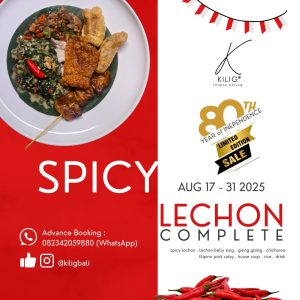
3. Lechon: The Centerpiece of Celebration
Dish description: A whole pig slowly roasted over charcoal until the skin is crackling crisp and the meat is succulent.
Heritage story: Lechon has roots in Spanish colonial feasts, but Filipinos made it their own. The Cebu-style lechon, famously praised by Anthony Bourdain, is stuffed with lemongrass, garlic, and spices before roasting—a technique that evolved from indigenous pit-roasting traditions. The term “lechon” itself comes from Spanish “lechón” (suckling pig).
Cultural significance: No Filipino fiesta is complete without lechon. It symbolizes abundance, generosity, and communal joy. Families save for months to afford lechon for a town fiesta, a wedding, or a Christmas gathering.
Storytelling hook: The crispy skin of lechon is so coveted that many families have an unspoken rule: the person who stays up all night to watch the roasting earns the first piece.
4. Kare-Kare: A Festive Stew with Chinese and Indigenous Roots
Dish description: Oxtail, tripe, and vegetables simmered in a thick peanut sauce, typically served with bagoong (fermented shrimp paste).
Heritage story: Heritage-based Filipino dishes like kare-kare highlight the fusion of cultures. The use of ground peanuts and achuete (annatto) seeds for color shows Chinese influence, while bagoong is a pre-colonial ingredient. The dish was originally a festive food for the elite of Pampanga, the culinary capital of the Philippines.
Cultural significance: Kare-kare is a dish for special occasions because of the labor-intensive process—hours of boiling oxtail until tender, then carefully thickening the sauce. Eating kare-kare is an exercise in patience and appreciation for craftsmanship.
Storytelling hook: Some Filipino mothers pass down the secret of making kare-kare without lumps as a rite of passage. The first time a daughter masters the peanut sauce is celebrated like a graduation.
5. Lumpia: The Spring Roll That Traveled from China to Every Filipino Table
Dish description: Thin crepes filled with vegetables, meat, or shrimp, then either fried (lumpiang Shanghai) or served fresh (lumpiang sariwa).
Heritage story: Filipino food cultural history acknowledges the deep influence of Chinese merchants who settled in the Philippines centuries ago. Lumpia is derived from Fujianese spring rolls. Over time, the filling evolved to include local vegetables like singkamas (jicama) and sitaw (string beans). For a related guide, see 10 Pinoy Food Traditions That Shine in Bali 2026.
Cultural significance: Lumpia is a staple at parties and family gatherings. It is also a favorite finger food for celebrations like New Year’s Eve, where its golden color symbolizes prosperity.
Storytelling hook: Every family claims to have the best lumpia recipe. The competition is friendly but fierce—especially during holiday reunions when aunts lay out their rolls side by side for judging.
6. Halo-Halo: The Dessert That Mirrors Filipino Diversity
Dish description: A shaved ice dessert topped with evaporated milk, sweet beans, coconut strips, sago, leche flan, ube ice cream, and other colorful ingredients.
Heritage story: Halo-halo—literally “mix-mix” in Tagalog—is a culinary metaphor for Filipino culture itself. It emerged after World War II, when Japanese influence brought monggo (mung beans) and other toppings were layered in. The dessert became popular through street vendors who sold it in tall glasses.
Cultural significance: Halo-halo is a democratic dessert. Everyone can customize their toppings, and the act of mixing everything together before eating symbolizes the Filipino talent for blending diverse influences into a harmonious whole.
Storytelling hook: The best halo-halo is found not in fancy restaurants but in small sari-sari stores where the vendor remembers your favorite topping combination.
7. Sisig: From Sizzling Invention to National Sensation
Dish description: Chopped pork face, ears, and liver, seasoned with calamansi, chili, and onion, served on a sizzling plate.
Heritage story: Sisig originated in Angeles City, Pampanga, near the former US Clark Air Base. Kapampangan cook Lucia Cunanan is credited with creating the modern sizzling version in the 1970s as a way to use less desirable cuts of pork. How Filipino foods reflect cultural history is evident in sisig: it is a product of military presence, local resourcefulness, and Kapampangan culinary creativity.
Cultural significance: Sisig is now an icon of Filipino street food culture. It is often paired with beer and enjoyed in pulutan sessions (drinking food), showing how Filipino cuisine thrives in social, casual settings.
Storytelling hook: Locals in Angeles City still debate which restaurant serves the “original” sisig. The dish’s rise from a humble sizzling plate to a global menu item is a story every Kapampangan tells with pride.
8. Bicol Express: A Spicy Story of Regional Identity
Dish description: Pork cooked in coconut milk with chiles, shrimp paste, and ginger.
Heritage story: What foods reflect Filipino regional history comes into sharp focus with Bicol Express. The dish is named after the train that ran from Manila to the Bicol region in the 1940s. It was allegedly created by a cook at a restaurant in Manila who wanted to capture the fiery spirit of Bicolano cuisine, which relies heavily on coconut milk and chili.
Cultural significance: Bicol Express embodies the Bicolano love for heat and creaminess. It is a point of regional pride, and travelers to Bicol seek out authentic versions made with red chili and fresh gata (coconut cream).
Storytelling hook: The story goes that the train itself inspired the name because the dynamism of the dish matched the energy of the railway. Every time you eat Bicol Express, you are tasting a bit of Philippine railroad history.
9. Chicken Inasal: The Barbecue of the Visayas
Dish description: Marinated chicken grilled over hot coals, often basted with annatto oil and served with sinamak (vinegar dipping sauce).
Heritage story: Chicken inasal originated in Bacolod, the capital of Negros Occidental. The term “inasal” means “grilled” in Hiligaynon. The dish reflects the region’s sugar industry history: sugar plantation workers needed affordable, flavorful protein that could be cooked over open fires.
Cultural significance: Inasal is a source of pride for Bacolodnons. The city holds an annual MassKara Festival where inasal is king, and locals debate which inasalan (grill house) makes the best batch.
Storytelling hook: The secret to perfect inasal is the basting sauce, which every household brays differently. Some add lemongrass; others swear by a splash of Sprite.
10. Pancit: Noodles for Long Life and Good Fortune
Dish description: Stir-fried noodles with vegetables, meat, and seafood, often served at celebrations.
Heritage story: How does food preserve Filipino traditions is perfectly illustrated by pancit. Chinese immigrants brought noodle-making to the Philippines centuries ago. Filipinos adopted the dish and created countless regional versions—Pancit Malabon (thick rice noodles with oyster sauce), Pancit Batil Patung (egg noodle soup from Tuguegarao), Pancit Miki (egg noodles with a thick sauce).
Cultural significance: Eating pancit on birthdays is believed to bring long life and good health. It is also the default dish for community meetings, school events, and fiestas, demonstrating how food becomes a vehicle for communal gathering.
Storytelling hook: Many families have a designated pancit maker whose duty is to prepare enough noodles for a hundred guests. The art of not breaking the noodles during cooking is passed down like a sacred ritual.
11. Laing: The Fiery Taro Leaves of Bicol
Dish description: Dried taro leaves cooked in coconut milk with chili, shrimp paste, and ginger until the leaves absorb all the flavors.
Heritage story: Laing is a pre-colonial dish that has survived and thrived in the Bicol region. The technique of drying taro leaves was a preservation method that allowed the dish to be made year-round. The heavy use of chili and coconut milk is a hallmark of Bicolano cooking, rooted in the region’s abundant coconut groves and volcanic soil.
Cultural significance: Laing is a testament to the Bicolano palate for intense heat and creamy richness. It is often eaten with steamed rice as a main dish, proving that vegetable-heavy cuisine can be just as satisfying as meat dishes.
Storytelling hook: The trick to good laing is patience. If you rush the cooking, the taro leaves can turn bitter. Bicolano cooks say the dish tastes best when prepared with love and no watch.
12. Dinuguan: The Blood Stew That Divides and Unites
Dish description: Pork meat and offal simmered in pig’s blood, garlic, chili, and vinegar until thick and savory.
Heritage story: Dinuguan is often misunderstood outside the Philippines, but it has deep roots in indigenous cooking. The name comes from “dugo,” meaning blood. Pre-colonial Filipinos practiced nose-to-tail cooking long before it became a trend, wasting nothing from a slaughtered animal. Spanish colonizers were initially repulsed, but the dish persisted as a staple of Filipino kitchens.
Cultural significance: Dinuguan is a divisive dish even among Filipinos—some love it, others avoid it. That very division makes it a conversation starter about heritage: why do we eat what we eat, and how do we honor the animal’s life?
Storytelling hook: Many Filipino children are introduced to dinuguan only after they have proven they can handle “adult” flavors. Passing the dinuguan test is a small but significant marker of growing up.
13. Arroz Caldo and Goto: Rice Porridge with Spanish and Chinese Roots
Dish description: A savory ginger-based rice porridge (arroz caldo) with chicken, or a version with beef tripe and intestines (goto).
Heritage story: Filipino dishes colonial influences blend seamlessly in this comforting bowl. “Arroz” is Spanish for rice, and “caldo” means broth, but the dish is essentially a Filipino take on Chinese congee. Goto is the Ilonggo version that uses beef innards. Both are flavored with ginger, which is native to Southeast Asia, and topped with fried garlic, egg, and calamansi.
Cultural significance: Arroz caldo is synonymous with comfort and recovery. It is the go-to meal for sick children, rainy days, and Sunday mornings. Street vendors peddle it in the early hours, serving workers on their way to factories and offices.
Storytelling hook: Ask any Filipino about the last time they had arroz caldo, and the answer almost always involves a memory of being cared for—by a mother, a grandmother, or a kindly manang at a corner stall.
14. Ube Halaya: The Purple Yam That Colors Filipino Sweets
Dish description: A sweet pudding made from grated purple yam, coconut milk, condensed milk, and butter, cooked until thick and spreadable.
Heritage story: Ube is an indigenous tuber that has been cultivated in the Philippines for centuries. It is a key ingredient in many traditional desserts, but ube halaya specifically emerged as a way to preserve the yam and showcase its unique color. The vibrant purple hue is completely natural—a visual representation of the Philippines’ biodiversity.
Cultural significance: Ube has become a symbol of Filipino cuisine worldwide. It is used in ice cream, cakes, donuts, and pastries, but ube halaya remains the purest expression of the ingredient. It is often given as a gift or served during the Christmas season.
Storytelling hook: The process of grating fresh ube by hand is a memory many Filipinos share. The smell of ube cooking in coconut milk is the scent of Christmas morning in countless Filipino homes.
What Filipino Dishes Reveal About the Nation’s Soul
Filipino Dishes Combined With Rich Heritage Stories offer more than a meal—they provide a window into the Filipino soul. Each dish tells a story of adaptation: indigenous ingredients meet foreign techniques, scarcity sparks creativity, and family recipes become the glue that holds generations together. How Filipino meals tell historical stories is evident in every simmering pot of adobo, every sizzling plate of sisig, and every shared bowl of pancit.
In a rapidly changing world, these dishes anchor Filipinos to their roots. For diaspora communities, cooking and eating these heritage foods is an act of resistance against cultural erasure. For younger Filipinos, learning the stories behind the food is a way to understand where they come from without having to travel far. Why storytelling is important in Filipino cuisine is simple: stories preserve the warmth, the struggle, and the joy that make Filipino food truly unforgettable.
Preserving Filipino Heritage Through Food in the Modern Age
The challenge today is keeping these stories alive. As global fast food infiltrates the Philippine landscape and convenience becomes king, the deep knowledge of heirloom recipes risks being lost. But the revival is already happening. Food historians are documenting provincial dishes. Young chefs are putting modern spins on classics while respecting their origins. Social media creators are sharing the narratives behind heritage-based Filipino dishes with a global audience.
How do food traditions shape Filipino identity in the 21st century? By reminding Filipinos at home and abroad that their heritage is delicious. The act of cooking sinigang from memory, of passing down the exact ratio of soy sauce to vinegar for adobo, of teaching children to appreciate the humble dinuguan—these everyday rituals ensure that Filipino food cultural history is not just preserved but lived. For a related guide, see 12 Filipino Recipes That Feel Right at Home in Bali.
Useful Resources
For deeper exploration of Filipino Dishes Combined With Rich Heritage Stories, check these authoritative sources:
- NCCA Philippines: Philippine Food Culture and History — The official cultural agency’s deep dive into the historical and regional diversity of Filipino cuisine.
- Rappler: Regional Filipino Dishes and Their Stories — A compelling article exploring the origins of regional Filipino dishes and their ties to local identity.
Frequently Asked Questions About Filipino Dishes Combined With Rich Heritage Stories
What Filipino dishes have rich heritage stories?
Adobo, sinigang, lechon, kare-kare, lumpia, halo-halo, sisig, Bicol Express, chicken inasal, pancit, laing, dinuguan, arroz caldo, and ube halaya all carry deep heritage narratives reflecting indigenous, colonial, and regional influences.
How do Filipino foods reflect cultural history?
Filipino foods mirror cultural history through ingredients and techniques that show trade with China, colonization by Spain, occupation by America, and pre-existing indigenous knowledge, all adapted to local tastes and available resources.
What are the origins of popular Filipino dishes ?
Many popular dishes originated from pre-colonial preservation methods (adobo, sinigang), Chinese noodle traditions (pancit), Spanish festive cooking (lechon), and resourceful adaptations during American military presence (sisig).
Why are Filipino recipes tied to family stories?
Filipino recipes are often passed down orally without written measurements, making each family version unique and tied to specific memories, events, and the personality of the cook who handed it down.
How does food preserve Filipino traditions?
Food preserves traditions by being central to rituals such as fiestas, birthdays, and holidays, and by requiring techniques and ingredients that connect modern Filipinos to ancestral practices.
What dishes represent Filipino cultural heritage?
Adobo, sinigang, lechon, and pancit are commonly cited as dishes that represent Filipino cultural heritage because of their ubiquity, historical depth, and emotional resonance across regions.
How do Filipino meals tell historical stories?
Filipino meals often include dishes that reveal layers of history—Spanish naming, Chinese ingredients, indigenous cooking methods—each bite reflecting a chapter of the country’s complex past.
Which Filipino foods have interesting backgrounds?
Sisig (created near a US military base), Bicol Express (named after a train), and dinuguan (pre-colonial nose-to-tail cooking) have particularly fascinating origin stories that surprise even many Filipinos.
Why is storytelling important in Filipino cuisine?
Storytelling is the vehicle through which recipes survive without standardized cookbooks; it adds meaning, context, and emotional attachment to every dish, making the food more than just sustenance.
What are examples of heritage-based Filipino dishes ?
Examples include laing (pre-colonial taro leaves), ube halaya (indigenous yam preservation), kare-kare (Chinese-Indigenous fusion), and dinuguan (ancestral cooking traditions).
How do Filipino recipes pass down cultural identity?
Recipes pass down cultural identity by embedding language (Tagalog or regional dialect names), cooking methods (sautéing, simmering), and values (sharing, hospitality) into everyday actions that children inherit.
What foods reflect Filipino regional history?
Chicken inasal reflects Negros Occidental’s sugar plantation economy, Bicol Express represents Bicol’s coconut-chili axis, and pancit Malabon highlights the seafood culture of the fish port region.
How are Filipino dishes influenced by history and tradition?
Each colonial era left a mark: Spain contributed stews like puchero, China added noodles and spring rolls, America brought canned goods and refrigeration, all filtered through indigenous tastes and ingredients.
What makes Filipino cuisine culturally meaningful?
Its cultural meaning lies in the fusion of diverse influences into a unique whole, the centrality of food in family and community life, and the resilience of recipes that have survived colonization, war, and globalization.
How do food traditions shape Filipino identity?
Food traditions shape identity by defining celebrations (lechon at fiestas), by creating a shared vocabulary (the word “adobo” instantly connects Filipinos), and by providing a taste of home for the diaspora.
Why is Filipino cuisine considered a melting pot?
Because it seamlessly incorporates Malay, Chinese, Spanish, American, and other influences without losing its own character, much like halo-halo—a dessert that represents the Filipino talent for mixing and harmonizing.
Is Filipino food healthy?
Filipino food can be healthy; many dishes are rich in vegetables, lean proteins, and fermented ingredients. However, some dishes use generous amounts of oil, salt, and sugar as part of traditional preparation methods.
What is the most important ingredient in Filipino cooking?
Garlic, vinegar, and fish sauce form the holy trinity of Filipino savory cooking, but the most important intangible ingredient is the intention to share the meal with others—salo-salo (eating together) is everything.
How can I learn more about Filipino food heritage?
You can explore cookbooks by chefs like Claude Tayag and Myrna Segismundo, visit regional food markets in the Philippines, watch documentary series like “Kusina Master,” and talk to your Lola (grandmother) about her recipes.
Can Filipino dishes be made gluten-free or vegan?
Yes, many traditional Filipino dishes are naturally gluten-free (sinigang, laing) and can be adapted to vegan versions (using tofu instead of meat, coconut cream instead of dairy).
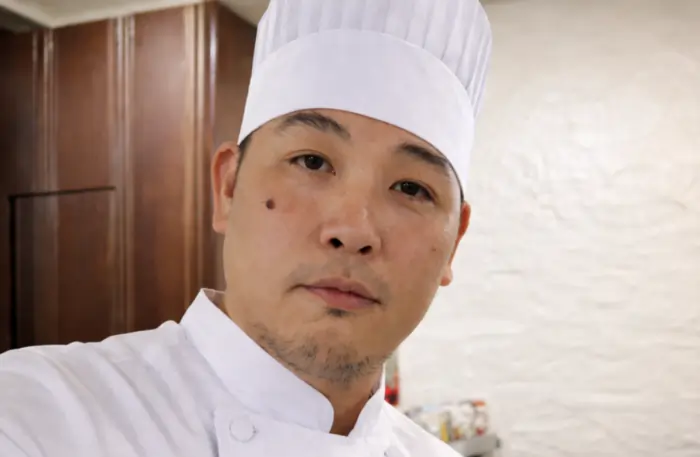
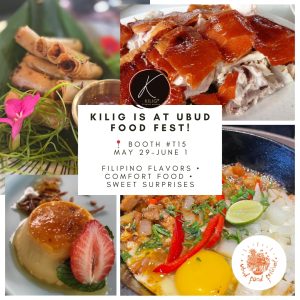
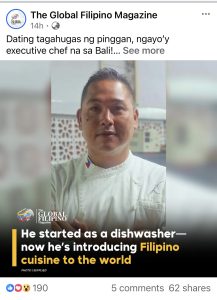
Chef Juan Gadi brings the heart of Filipino hospitality to Ubud, Bali. As an Executive Chef and consultant, he specializes in creating intimate, curated dining experiences that tell a story through every dish. Whether leading the kitchen at Kilig Filipino Warung or hosting a private villa dinner, Chef Juan’s approach is defined by warmth, modern technique, and a commitment to culinary excellence.