Filipino Culinary Experiences Worth Trying in Bali Key Takeaways
Bali is emerging as a surprising yet vibrant destination for Filipino Culinary Experiences Worth Trying in Bali .
- Filipino Culinary Experiences Worth Trying in Bali include iconic dishes like adobo, lechon, and pancit, all available at dedicated Filipino restaurants and pop-ups.
- Food tourism is growing as travelers seek Southeast Asian cuisine experiences beyond the usual Thai and Vietnamese options, with Filipino flavors offering a unique blend of sweet, sour, and savory.
- Chef Juan Gadi’s curated experiences—from warung dining to private villa feasts—showcase how Filipino culinary identity overseas thrives through warmth, storytelling, and ingredient-driven cooking.
What Makes Filipino Culinary Experiences Worth Trying in Bali So Special?
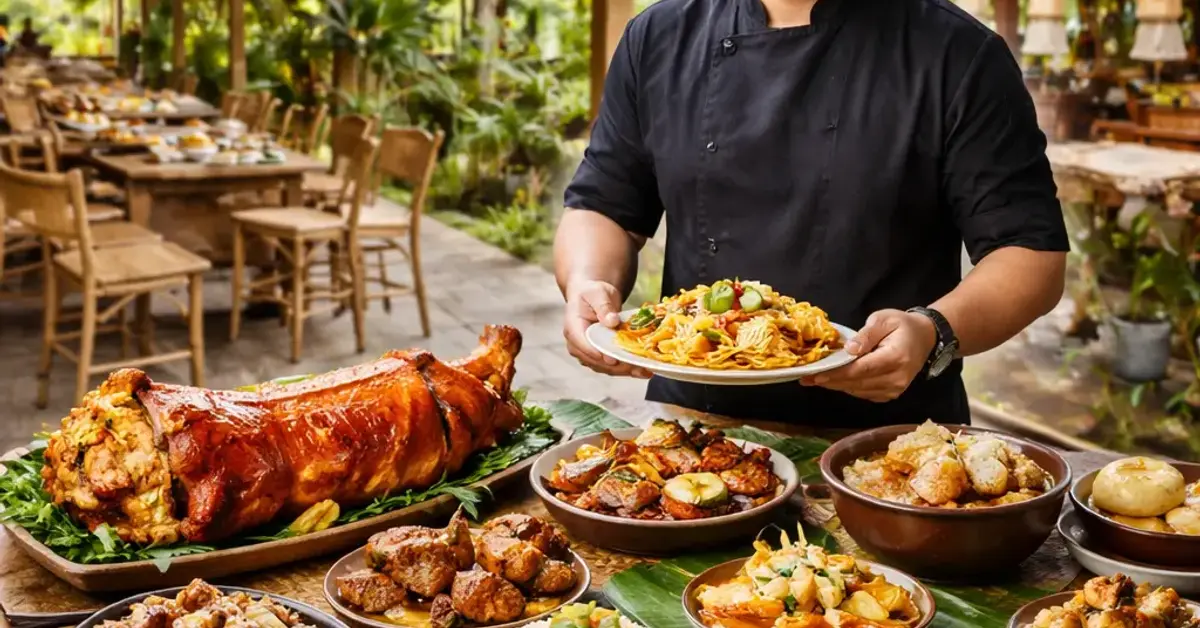
Bali has long been a magnet for food lovers. But in recent years, a new wave of Filipino food tourism Indonesia has taken root, bringing the bold, comforting flavors of the Philippines to this island paradise. As Chef Juan Gadi, I’ve had the privilege of introducing these dishes to travelers at Kilig Filipino Warung in Ubud and through private villa dinners. The connection between Balinese and Filipino food culture runs deeper than most people realize. Both cuisines celebrate rice, coconut, grilled meats, and a balance of salty, sour, and sweet—making Bali an ideal home away from home for Filipino cooking. For a related guide, see 9 Filipino Food Traditions That Suit Bali Escapes.
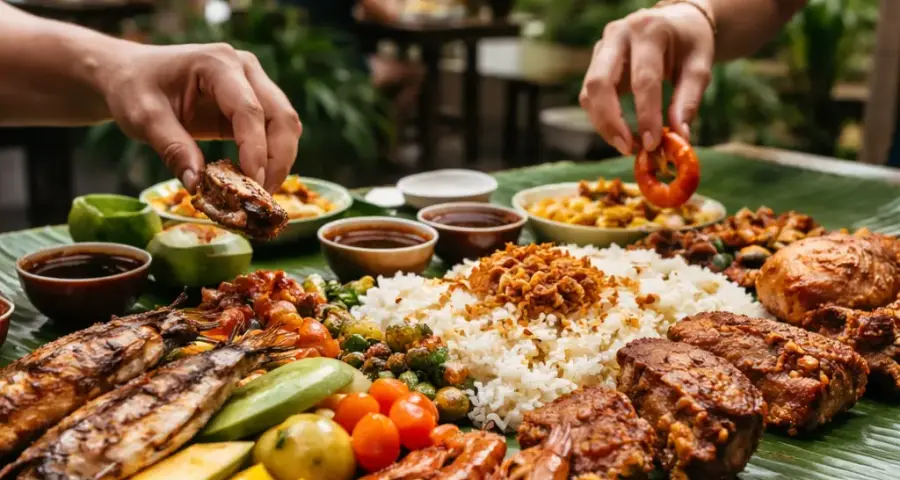
For culinary travel experience Bali seekers, trying Filipino dishes abroad Bali offers a chance to explore Southeast Asian cuisine experiences from a different angle. Whether you’re a Filipino expat craving home, a digital nomad discovering new flavors, or a travel blogger documenting tropical island culinary tourism, these 11 experiences will deepen your appreciation for what makes Filipino food so unforgettable.
1. Savoring Authentic Adobo at a Filipino Restaurant Experience Bali
Adobo is the unofficial national dish of the Philippines, and tasting it in Bali is a revelation. At Kilig Filipino Warung, my version starts with chicken or pork marinated in soy sauce, vinegar, garlic, bay leaves, and black pepper, then slow-cooked until the meat is tender and the sauce thickens into a savory glaze. What makes this Filipino restaurant experience Bali unique is the tropical twist: I sometimes add a touch of palm sugar or local Balinese lime to echo the island’s ingredients.
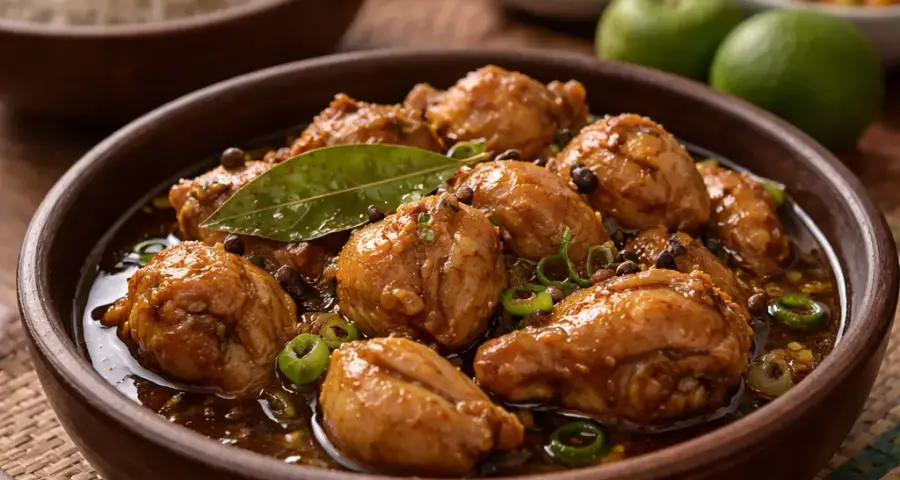
For those seeking Filipino food experiences in Bali, adobo is the perfect entry point. It’s familiar yet exotic, comforting yet exciting. Many visitors tell me that eating adobo here reminds them of home—or makes them wish they had a Filipino grandmother.
Why Adobo Represents Filipino Culinary Identity Overseas
Adobo is more than a dish; it’s a symbol of cultural gastronomy Philippines Indonesia. Every Filipino family has their own version, and serving it abroad allows us to share that heritage. When you eat adobo in Bali, you’re experiencing centuries of trade, adaptation, and love. It’s a must-try in any Filipino cuisine abroad travel guide.
2. Lechon Belly: The Ultimate Filipino Comfort Food Travel Experience
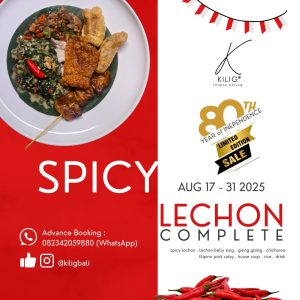
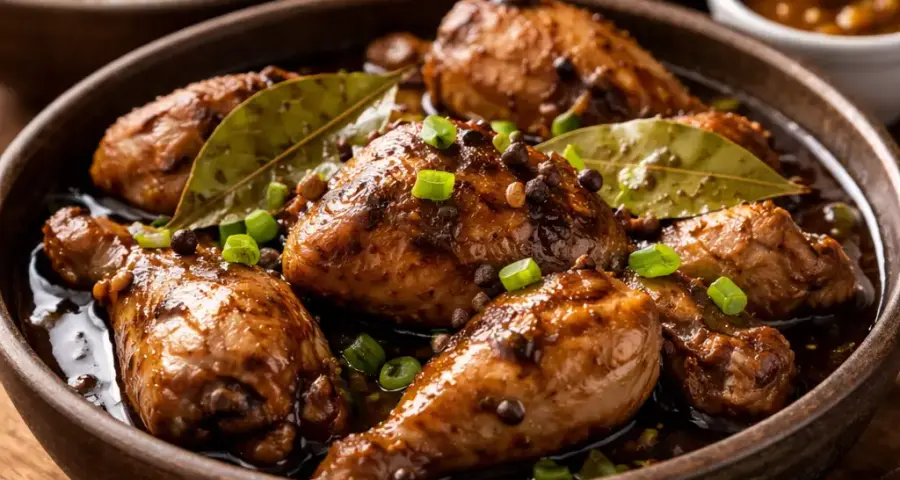
Lechon—the iconic roasted pig—is a centerpiece of Filipino celebrations. In Bali, you don’t need a fiesta to enjoy it. I often prepare lechon belly for private villa dinners, slow-roasting the pork until the skin crackles and the meat stays juicy. Served with a side of liver sauce and fresh pickles, it’s a Filipino comfort food travel experience that rivals anything you’ll find in Manila.
Travelers who book my curated dining experiences frequently request lechon. It’s the kind of dish that brings people together, making it ideal for group culinary tourism Southeast Asia Philippines Indonesia adventures. If you’re a food vlogger or travel content creator, filming the crackling sound alone will earn you thousands of views.
Lechon and Balinese Babi Guling: A Tasty Comparison
One of the joys of Bali food culture Filipino dishes is comparing lechon to Bali’s own babi guling (suckling pig). Both are roasted to perfection, but babi guling uses a spice paste of turmeric, coriander, and lemongrass, while Filipino lechon relies on a simple salt-and-pepper rub and a flavorful stuffing. Trying both side by side is a highlight of any food tourism travel bloggers Bali Philippines itinerary.
3. Pancit at a Balinese Warung: A Noodle Experience You Won’t Forget
Pancit—the Filipino noodle stir-fry—is a staple of celebrations and everyday meals. At Kilig, I serve pancit bihon (thin rice noodles) with vegetables, shrimp, and a squeeze of calamansi. The dish is light yet satisfying, and it pairs beautifully with Bali’s tropical climate. This is one of the Filipino dishes for tourists Bali that often surprises people—they expect heavy food, but pancit feels refreshing.
For Southeast Asian cuisine experiences, pancit offers a gentler alternative to Pad Thai or Vietnamese pho. It’s also highly customizable, which makes it a favorite among ASEAN culinary exchange enthusiasts. I encourage guests to watch the wok cooking process—it’s a performance in itself.
4. Sizzling Sisig: The Street Food That Conquered Bali
Sisig is arguably the most famous Filipino street food culture overseas dish. Originating from Pampanga, this sizzling plate of chopped pork face, ears, and liver is seasoned with calamansi, chili, and onions. In Bali, I serve it on a cast-iron platter with a raw egg on top, which cooks from the residual heat. The result is smoky, tangy, and utterly addictive.
If you’re exploring Filipino culinary experiences Bali on a budget, sisig is your best friend. Many warungs and pop-ups offer it at affordable prices, making it accessible for backpackers and digital nomads. It’s also a fantastic dish to share over a cold Bintang beer—a true tropical dining experiences Philippines style moment.
Where to Find the Best Sisig in Bali
While my warung in Ubud is a reliable spot, sisig has spread across the island. Look for it at Filipino restaurant experience Bali venues in Seminyak, Canggu, and Sanur. Each chef adds their own twist, but the core elements—crispy, savory, tangy—remain the same. Don’t leave Bali without trying it.
5. Halo-Halo: A Tropical Island Dessert That Cools You Down
Bali’s heat calls for cold desserts, and halo-halo answers that call. This shaved ice concoction is layered with sweetened beans, coconut strips, jackfruit, leche flan, ube ice cream, and a drizzle of evaporated milk. It’s a riot of textures and flavors, and it perfectly captures the spirit of tropical island culinary tourism.
For culinary travel experience Bali seekers, halo-halo is an Instagram-worthy finish to any meal. I often serve it at the end of private dinners, and guests love mixing everything together with a spoon. It’s playful, colorful, and deeply nostalgic for Filipinos abroad.
6. Kare-Kare: A Peanut Stew That Bridges Filipino and Balinese Tastes
Kare-kare is a rich oxtail stew thickened with ground peanuts and annatto seeds, served with bagoong (shrimp paste) on the side. The umami depth of the peanut sauce aligns beautifully with Balinese satay and gado-gado, making it a natural fit for cultural gastronomy Philippines Indonesia explorations.
At my Kilig warung, I source fresh peanuts from local farmers and roast them in-house to intensify the flavor. Guests often remark how kare-kare feels both foreign and familiar—a testament to the shared island cuisine experience Southeast Asia that connects our two food cultures.
7. Lumpiang Shanghai with a Balinese Twist
Lumpiang Shanghai—Filipino spring rolls filled with seasoned ground pork and vegetables—are a party staple. In Bali, I often add minced lemongrass and kaffir lime leaves to the filling, echoing the island’s aromatic cuisine. Served with a sweet chili dipping sauce, these crispy rolls are a hit at every Filipino food experiences in Bali event I cater.
For travel bloggers and food vloggers, lumpia are easy to eat while walking or filming. They’re also a fantastic conversation starter when you’re trying to explain Filipino cuisine abroad travel guide to friends back home.
8. Dinuguan (Chocolate Meat Stew) – A Bold Culinary Adventure
Dinuguan—a savory stew made with pork blood, vinegar, and chili—is one of the most misunderstood Filipino dishes. But for adventurous eaters, it’s a revelation. In Bali, I prepare it with local pork and a hint of Balinese long pepper, which adds a floral heat. Served with puto (rice cakes) on the side, it’s a dish that embodies Filipino culinary identity overseas: unapologetically bold and deeply flavorful.
If you’re a food researcher or cultural researcher documenting ASEAN culinary exchange, dinuguan offers a fascinating case study in how blood-based stews appear across Southeast Asia—from Thai larb to Vietnamese tiết canh.
9. Private Villa Dinner: The Ultimate Filipino Food Tourism Indonesia Experience
For the full food tourism Bali Filipino influence immersive experience, book a private villa dinner with me. I design a multi-course menu that tells a story, starting with lumpia and sisig, moving through adobo and lechon, and ending with halo-halo. Each course comes with a narrative about its origin, the ingredients, and how it connects to Balinese and Filipino food culture. For a related guide, see 10 Filipino Flavors That Blend Well With Bali Culture.
This is ideal for honeymooners, small groups, or content creators looking for exclusive Filipino culinary experiences Bali. The setting—a tropical villa surrounded by rice paddies or ocean views—elevates the meal into an unforgettable memory. As one guest put it, “I felt like I was at a family reunion, even though I’d never met the chef before.”
10. Filipino Cooking Class: Learn to Bring the Flavors Home
Want to recreate Filipino dishes abroad Bali in your own kitchen? Join a hands-on cooking class where I teach the fundamentals: how to marinate adobo, fry lumpia, and balance the sweet-sour profile of sinigang. We shop at a local market first, comparing Balinese produce with Filipino staples, which adds a layer of travel food culture comparison to the experience.
This class is a hit among digital nomads and tourism marketers who want to share authentic content with their audiences. You’ll leave with recipes, photos, and a deeper understanding of Filipino flavors in international cuisine.
11. Pop-Up Dinners and Food Festivals: The Growing ASEAN Culinary Exchange Scene
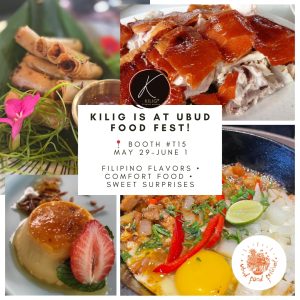
Bali’s food scene is constantly evolving, and Filipino pop-up dinners are becoming a regular feature. Keep an eye on event calendars at venues like Kilig or collaborate with local chefs for cultural food exchange ASEAN countries nights. These events often feature Filipino street food and comfort food Bali alongside Balinese and other Southeast Asian dishes.
For culinary travel experience Bali enthusiasts, attending a pop-up is a chance to taste multiple Filipino flavors international dining dishes in one sitting, meet the chefs, and learn about the stories behind each plate. It’s also a fantastic networking opportunity for restaurant owners and travel content creators.
Comparison Table: Top Filipino Dishes and Where to Find Them in Bali
| Dish | Flavor Profile | Best Venue Type | Dietary Note |
|---|---|---|---|
| Adobo | Savory, tangy, garlicky | Warung, restaurant | Contains soy, can be gluten-free |
| Lechon | Crispy, rich, savory | Private dinner, festival | Pork; ask for chicken option |
| Pancit | Light, umami, citrusy | Warung, pop-up | Shrimp; vegetarian available |
| Sisig | Smoky, tangy, spicy | Warung, street food stall | Pork; contains egg |
| Halo-Halo | Sweet, creamy, crunchy | Dessert bar, restaurant | Vegetarian; contains dairy |
| Kare-Kare | Nutty, savory, umami | Warung, private dinner | Oxtail; vegetarian not typical |
| Lumpia | Crispy, savory, sweet-sour | Any venue | Pork; vegetable option |
| Dinuguan | Earthy, tangy, spicy | Pop-up, adventurous eater | Pork blood; not for everyone |
Useful Resources
For more on Bali’s food scene and Filipino culinary traditions, check out these trusted resources:
- Now Bali Magazine – Features on local chefs, restaurant openings, and food culture in Bali.
- Philippine Culinary Heritage – A deep dive into the history and traditions behind Filipino dishes.
Frequently Asked Questions About Filipino Culinary Experiences Worth Trying in Bali
What Filipino culinary experiences can you try in Bali?
You can try authentic adobo, lechon, sisig, pancit, halo-halo, kare-kare, lumpia, and dinuguan at Filipino warungs, pop-up dinners, and private villa events across Bali.
Why is Filipino cuisine popular among travelers in Bali?
It offers a unique Southeast Asian cuisine experience that balances sweet, sour, and savory flavors, and many travelers find comfort in familiar dishes while exploring a new island.
Where can you experience Filipino food culture in Bali?
Top spots include Kilig Filipino Warung in Ubud, pop-up events in Canggu and Seminyak, and private villa dinners hosted by chefs like Juan Gadi.
What makes Filipino culinary experiences unique abroad?
They’re rooted in Filipino hospitality—generous portions, shared platters, and stories behind each dish—combined with a bold flavor profile that stands out in international dining scenes.
How does Filipino food tourism work in Bali?
Tourists can book curated dining experiences, attend food festivals, join cooking classes, or visit dedicated Filipino warungs and restaurants tailored to Filipino food tourism Indonesia.
What are must try Filipino dishes in Bali?
Adobo, lechon belly, sisig, pancit bihon, halo-halo, kare-kare, lumpiang Shanghai, and dinuguan top the list for any Filipino dishes for tourists Bali guide.
How do Filipino flavors blend with Balinese cuisine?
Both cuisines use coconut, rice, and grilled techniques; Filipino dishes adapt well to local ingredients like Balinese limes, palm sugar, and long pepper, creating a harmonious cultural gastronomy Philippines Indonesia fusion.
Why do tourists enjoy Filipino culinary experiences?
They’re flavorful, affordable, and served with warmth. Many tourists appreciate the storytelling and the chance to explore Filipino culinary identity overseas in a tropical setting.
What food experiences connect Philippines and Bali culture?
Shared love for coconut-based stews, grilled meats, and rice-centered meals creates natural connections. Events like ASEAN culinary exchange pop-ups highlight these ties.
How is Filipino cuisine represented in Bali food scene?
Through dedicated warungs, pop-up dinners, cooking classes, and festival participation, Filipino cuisine is carving a niche that adds diversity to Bali food culture Filipino dishes landscape.
Is Filipino food in Bali halal-friendly?
Most Filipino dishes use pork, but some chefs offer halal alternatives using chicken or beef. Always check with the venue before ordering.
Can I find vegan Filipino dishes in Bali?
Yes, many chefs adapt lumpia, pancit, and even adobo using tofu and vegetables. Halo-halo can also be made with coconut milk for a vegan version.
What is the best time to experience Filipino food in Bali?
Dry season (April to October) is ideal for outdoor dining and food festivals. Private villa dinners are available year-round by reservation.
How much does a Filipino meal cost in Bali?
Warung meals range from IDR 40,000–80,000 per dish. Private dining experiences start at IDR 300,000 per person for a multi-course menu.
Do I need a reservation for Filipino dining experiences in Bali?
For warung dining, walk-ins are usually fine. For private dinners and cooking classes, book at least 48 hours in advance.
Are Filipino desserts popular in Bali?
Halo-halo and leche flan are growing in popularity, especially at dessert bars and fusion restaurants that highlight tropical island culinary tourism.
Can I host a Filipino-themed party in Bali?
Absolutely. Many chefs, including myself, cater private events with a full Filipino menu, complete with traditional decorations and music.
What beverages pair well with Filipino food in Bali?
Bintang beer, tropical fruit shakes, and calamansi juice are excellent choices. For a stronger option, try Filipino rum or Balinese arak.
Is Filipino street food safe to eat in Bali?
Yes, when purchased from reputable warungs or established pop-ups. Always choose busy stalls with high turnover for freshness.
How can I learn more about Filipino culinary traditions while in Bali?
Join a cooking class, attend a food talk, or read books like “The Food of the Philippines” available at Bali bookstores. Following chefs on Instagram also provides daily insights.
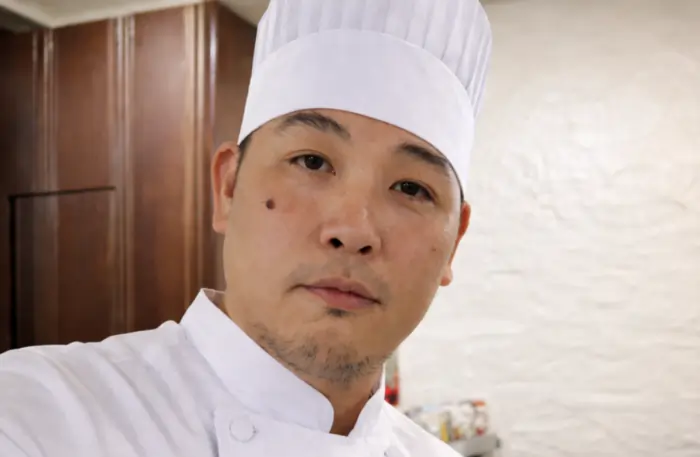
Chef Juan Gadi brings the heart of Filipino hospitality to Ubud, Bali. As an Executive Chef and consultant, he specializes in creating intimate, curated dining experiences that tell a story through every dish. Whether leading the kitchen at Kilig Filipino Warung or hosting a private villa dinner, Chef Juan’s approach is defined by warmth, modern technique, and a commitment to culinary excellence.