Filipino Dining Experiences Guests Remember in Bali Key Takeaways
Bali is known for its lush rice terraces, ancient temples, and vibrant surf culture—but a quieter culinary story is unfolding across the island.
- Filipino family-style dining—called salu-salo —is a natural fit for Bali’s communal table culture, especially at intimate warungs like Kilig Filipino Warung in Ubud.
- Signature dishes such as Filipino comfort food like sinigang and adobo offer a familiar, restorative meal after a day of temple-hopping or surfing.
- Private villa dinners combine Balinese serenity with Filipino culinary traditions , creating unforgettable memories for couples, families, and solo travelers.
What Makes Filipino Dining Experiences Guests Remember in Bali So Special
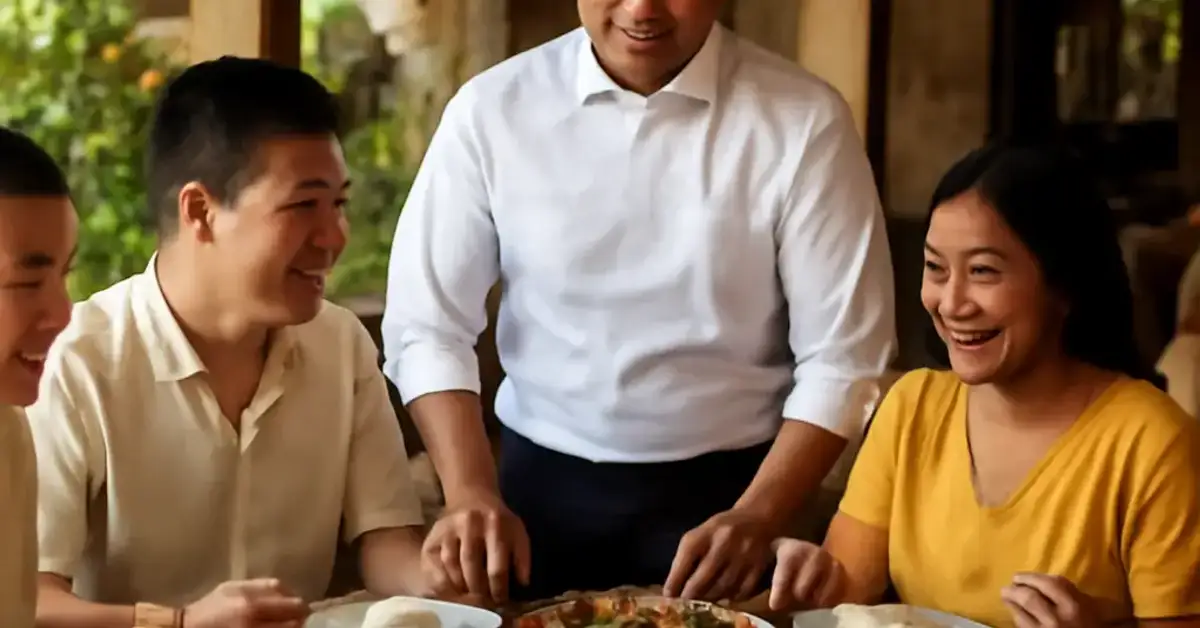
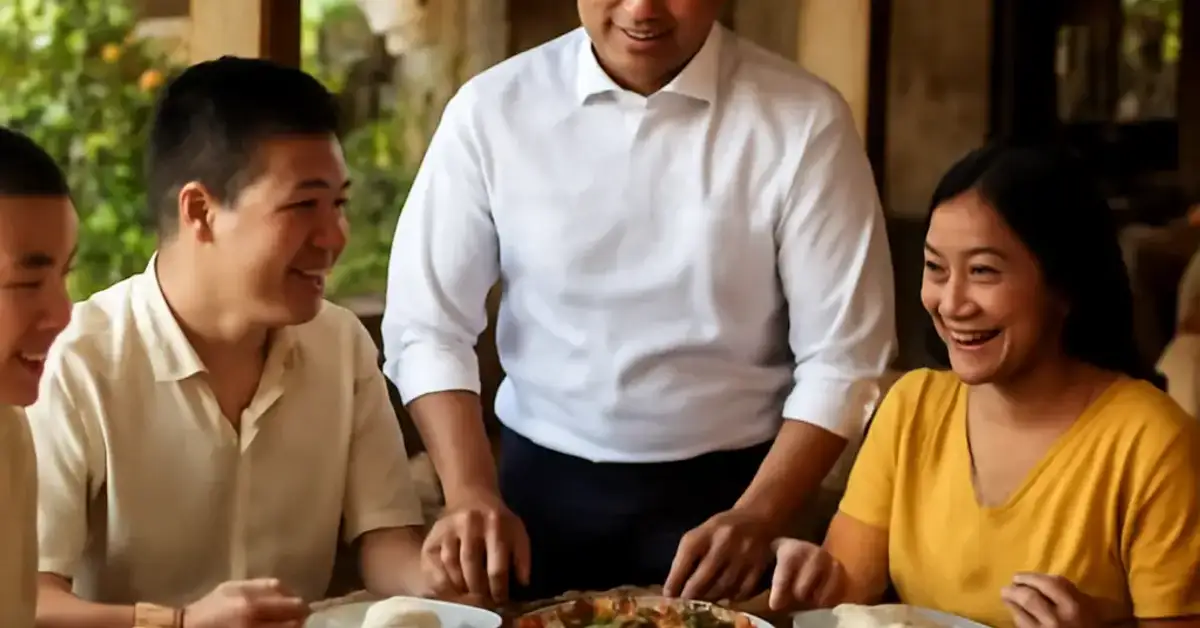
When I first opened Kilig Filipino Warung in Ubud, I wasn’t sure how Balinese locals and international tourists would respond to Filipino cuisine Bali. But the moment I saw a group of Australian surfers sharing a huge platter of Filipino seafood dishes—grilled squid, kinilaw, and crispy pata—I knew we had something real. The laughter, the passing of bowls, the way they lifted their glasses to toast with a spontaneous “Mabuhay”—that night, I understood what makes these Filipino dining experiences so unforgettable.
Bali’s Bali food culture is already rich with spice, freshness, and ritual. But Filipino island cuisine brings a different kind of warmth—one rooted in family style dining, where each dish is meant to be shared, dipped into, and talked about. For guests visiting Bali, these meals become more than just food. They become the stories they tell when they get home. For a related guide, see 6 Filipino Meals Perfect for Private Villa Gatherings.
The Heart of Filipino Hospitality in Bali
Filipino hospitality is not a scripted service standard. It’s the cook coming out of the kitchen to ask if the soup is sour enough. It’s the extra serving of Filipino comfort food placed in front of a tired-looking guest. In a place like Bali, where Bali hospitality is already world-class, the Filipino version adds a layer of genuine, personal care. That’s why guests remember the meal long after they’ve left the island. For a related guide, see 9 Filipino Food Traditions That Suit Bali Escapes.
1. A Family-Style Kamayan Feast at Kilig Filipino Warung
If you want to taste the heart of Filipino dining experiences in Bali, book a kamayan dinner at Kilig. Kamayan means “by hand” in Tagalog, and that’s exactly how you eat it. A banana leaf is spread across the table, and mounds of steamed rice, Filipino grilled meats, and Filipino seafood dishes are piled in the center. There are no plates, no forks—just your hands and your appetite.
I remember a Swedish couple who walked in feeling shy. Ten minutes later, they were laughing as they scooped up chicken inasal and dipped it in spicy vinegar. The husband told me, “This is the most fun we’ve had eating in years.” That’s the magic: kamayan strips away formality and invites everyone to be a kid again. For tourists exploring Bali restaurants, this is a standout moment in any Bali vacation dining itinerary.
What Makes Kamayan Unforgettable
Guests love the tactile nature of the meal. Touching the food releases aromas—garlic, lemongrass, calamansi—that you don’t get from a fork. And because it’s communal, strangers become tablemates. Filipino celebrations and food are always about togetherness, and kamayan is the purest expression of that. For family style dining, this experience is unbeatable.
2. Private Villa Sinigang Dinner After a Day of Adventure
Filipino comfort food has a way of healing tired bodies. After a morning trekking through Tegallalang Rice Terraces or surfing at Padang Padang, nothing hits harder than a bowl of sinigang—a tamarind-based soup loaded with pork belly (or shrimp for pescatarians) and tropical vegetables like kangkong and okra.
One of my most requested Filipino inspired villa dining experiences is a private sinigang dinner. I arrive at the villa with a portable stove, fresh ingredients from the Ubud market, and a bag of sampalok (tamarind) paste. As the soup simmers, the tangy aroma fills the open-air living space. Guests often say it reminds them of something warm from childhood, even if they’ve never had Filipino food before. That’s the power of cultural dining experiences—they tap into a universal feeling of home.
Why Sinigang Works for Bali Travelers
Bali can be hot, and sinigang’s sour broth is incredibly refreshing. It’s light yet satisfying. For tropical island cuisine, sinigang fits perfectly alongside Balinese sambals and grilled fish. Many guests ask for the recipe, and I’m happy to share—that’s part of Filipino hospitality, too.
3. Lechon Belly Pop-Up with Balinese Spice Fusion
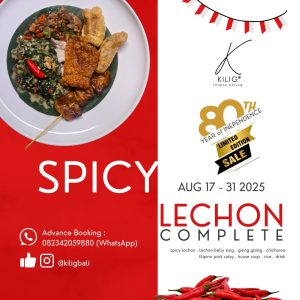
Lechon—the legendary Filipino roasted pig—is a showstopper at any Filipino gathering. In Bali, I’ve developed a version that honors the classic while incorporating local Balinese cuisine elements. I use Balinese long pepper and torch ginger in the stuffing, which gives the meat a subtle floral heat. The skin is still shatteringly crisp, just like I learned from my grandmother in Pampanga.
At pop-ups in Canggu and Seminyak, the lechon belly becomes the centerpiece of the evening. Guests gather around the carving station, phone lights flashing. One evening, a group of Filipino expats from Jakarta drove six hours just to taste it. They said it reminded them of Sunday lunches back home. For Filipino dining experiences that command attention, lechon is the king.
Fusion Without Losing Identity
I never force fusion. I let the authentic Filipino dishes speak for themselves. But when a Balinese ingredient like kaffir lime leaf or candlenut enhances a Filipino recipe naturally, I use it. That’s how Filipino culinary traditions evolve abroad—by respecting both the origin and the new home.
4. A Dessert Finish: Halo-Halo by the Rice Terrace
After a savory meal, guests crave something sweet. Halo-halo—a shaved ice dessert with sweet beans, coconut gel, jackfruit, leche flan, and ube ice cream—is the perfect tropical palate cleanser. I serve it in tall glasses with a side of warm banana fritters.
One of my favorite memories is serving halo-halo at a villa in Ubud overlooking the rice paddies at sunset. The colors of the dessert—purple ube, yellow jackfruit, brown leche flan—matched the sunset sky. The guest, a food journalist from Singapore, called it “Instagram heaven and flavor paradise.” Filipino desserts like halo-halo bring a joyful end to any meal, and in Bali’s tropical setting, they feel especially right.
Why Guests Remember Halo-Halo
It’s the texture and temperature contrast that stays with them: the fine ice melting on the tongue, the chewy sago, the creamy leche flan. For cultural food tourism Bali, halo-halo is a conversation starter. Every guest asks, “What is ube?” and then becomes an instant fan.
5. Filipino Barbecue Night at a Beach Club
Bali is famous for its beach clubs, but I’ve started a tradition of hosting Filipino barbecue nights at a small club in Jimbaran. I set up a charcoal grill and cook Filipino barbecue traditions: pork skewers marinated in banana ketchup, garlic, and calamansi; chicken isaw (marinated intestines, a beloved Filipino street food); and sweet grilled corn brushed with coconut milk.
The vibe is casual—bare feet on sand, cold Bintang beers, and the smell of smoke mixing with ocean air. A group of digital nomads from Berlin told me they now dream about the sticky-sweet pork skewers months after leaving Bali. That’s the kind of memory that turns a meal into a reason to return.
Bringing Street Food to the Shore
Filipino street food often gets overlooked by fine-dining guides, but it carries so much flavor and story. In Bali, where street food culture is also vibrant, introducing Filipino barbecue feels like a natural handshake between two Southeast Asian cuisine traditions. For Bali restaurants looking to diversify their menu, this is a winning concept.
6. A Salu-Salo Dinner Celebrating Filipino Festivals
Every few months, Kilig hosts a salu-salo night tied to a Filipino festival: Pahiyas (harvest), Pasko (Christmas), or Santacruzan (May). The warung is decorated with handwoven banig mats and parols (star lanterns). The menu changes to reflect the season: pancit malabon during fiestas, puto bumbong during Christmas, and suman with mangoes during summer.
Guests who attend these dinners often cry. I’m not exaggerating. Filipino expats in Bali tear up because they miss home. International guests cry because they feel the genuine warmth of Filipino family gatherings, even though they’re strangers. That emotional connection is what makes Filipino dining experiences unforgettable.
Why Celebration Matters
Filipinos celebrate everything—birthdays, baptisms, even just a Friday evening. In Bali, where Bali food culture is rooted in ritual and offering, a Filipino celebration dinner feels respectful and joyful. Guests leave with a deeper understanding of Asian food culture and the role food plays in community life.
7. An Intimate Lumpia-Making Class in a Villa Garden
The final experience is not just about eating—it’s about learning. I offer a lumpia-making class inside a villa garden. Guests learn to wrap fresh or fried lumpia (spring rolls) filled with ground pork, shrimp, and a secret touch of ubod (heart of palm). While they practice rolling, I tell stories: how lumpia is a legacy of Chinese-Filipino trade, how every family has their own dipping sauce recipe, and why Filipino recipes are meant to be shared freely.
After the class, we fry the lumpia together and eat them with spiced vinegar and garlic sauce. One couple from New York later sent me a message saying they now make lumpia for their friends back home and always tell the story of the “chef in Bali who taught them.” That ripple effect is what culinary tourism Bali should aim for—not just a meal, but a skill and a story that travels.
Learning Through Hands-On Dining
This experience appeals to Bali travel food guide readers who want to do more than just order a menu. They want to understand the technique, the history, and the love behind the dish. For villa guests and luxury travelers, a private class adds value to their vacation without feeling like a tourist trap.
Useful Resources
Explore more about the cultural roots of Filipino food and Bali’s dining scene through these trusted sources:
- The Travel and Food Association of the Philippines – A resource for understanding Filipino culinary traditions and food tourism initiatives.
- Bali Gourmet Festival – Stay updated on events that showcase Asian food culture and international dining in Bali.
Frequently Asked Questions About Filipino Dining Experiences Guests Remember in Bali
What Filipino dining experiences are popular in Bali?
Kamayan feasts, private villa sinigang dinners, lechon pop-ups, halo-halo by the rice terraces, beachside Filipino barbecue, salu-salo festival nights, and lumpia-making classes are the most requested experiences.
Why do guests remember Filipino dining in Bali?
Because Filipino meals are sensory and communal. Filipino hospitality makes each guest feel part of the family, and the bold flavors—sour, salty, sweet—create lasting taste memories.
How does Filipino hospitality improve dining experiences in Bali?
It adds a layer of genuine care: staff asking about guests’ day, sharing stories behind each dish, and offering extra servings unprompted. This turns a meal into an emotional connection.
What Filipino meals are best for Bali travelers?
Sinigang for post-adventure recovery, lechon for celebratory dinners, kamayan for interactive fun, and halo-halo for a cooling dessert. All are Filipino comfort food that work beautifully in Bali’s climate.
Where can tourists enjoy Filipino style dining in Bali?
At Kilig Filipino Warung in Ubud, at private villas booked through Chef Juan Gadi’s dining service, and at pop-ups in Canggu and Jimbaran.
How do Filipino food traditions create memorable Bali vacations?
By emphasizing communal eating, hands-on cooking, and festival-style celebrations, Filipino traditions invite guests to participate actively rather than just consume.
What makes Filipino dining unique in Bali resorts?
Resort guests often experience Filipino food as a private event, allowing them to enjoy Filipino island cuisine in an intimate setting with personalized attention.
Why do tourists love Filipino family style meals in Bali?
They break the ice between strangers, promote sharing, and create a lively atmosphere that contrasts with standard restaurant dining. Family style dining is part of the fun.
How does Filipino culture influence Bali dining experiences?
Through the use of traditional cooking techniques, storytelling during meals, and the importance of salu-salo (shared table) that mirrors Bali’s own communal traditions.
What Filipino comfort foods are perfect in Bali?
Sinigang (tamarind soup), arroz caldo (chicken rice porridge), pancit (stir-fried noodles), and champorado (chocolate rice pudding) are favorites among travelers.
What are the best Filipino inspired dining moments in Bali?
Carving lechon belly at sunset overlooking the rice terraces, making lumpia in a villa garden, and sharing halo-halo after a day at the beach top the list.
How do Filipino traditions connect with Bali hospitality ?
Both cultures prioritize warmth, generosity, and respect for guests. Filipino utang na loob (debt of gratitude) aligns with Bali’s Tri Hita Karana philosophy of harmonious living.
What Filipino dishes are commonly enjoyed by tourists in Bali?
Adobo (soy-vinegar braised meat), sisig (chopped pork salad), kinilaw (Filipino ceviche), and crispy pata (fried pork knuckle) are frequent orders.
How do Filipino culinary customs stand out in Bali restaurants ?
By offering multi-course family-style menus, complimentary welcome snacks, and servers who explain the history of each dish, Filipino restaurants create a deeper dining narrative.
Why are Filipino dining experiences becoming popular in Bali?
Because travelers are seeking authentic Asian food culture beyond the familiar. Filipino cuisine offers something new yet approachable, and the Filipino hospitality makes them feel like regulars.
Can I book a private Filipino chef in Bali?
Yes, Chef Juan Gadi offers private villa dining, cooking classes, and pop-up events throughout Bali. Contact through Kilig Filipino Warung’s website for availability.
Is Filipino food spicy like Balinese food?
Not typically. Filipino cuisine is more sour, salty, and sweet than spicy. But many dishes can be paired with chili-based dips for those who want heat.
What is the best time to try Filipino dining in Bali?
Evening dinners, especially during sunset, provide the most atmospheric experience. Festival-themed nights are held quarterly and sell out quickly.
How do I find Filipino food events in Bali?
Follow Kilig Filipino Warung on social media or join the Filipino Community Bali Facebook group for announcements about pop-ups and special dinners.
Are Filipino dining experiences suitable for vegetarians?
Absolutely. Dishes like laing (taro leaves in coconut milk), fresh lumpia, ginataang ampapaya (papaya in coconut sauce), and vegetable sinigang are all vegetarian-friendly.
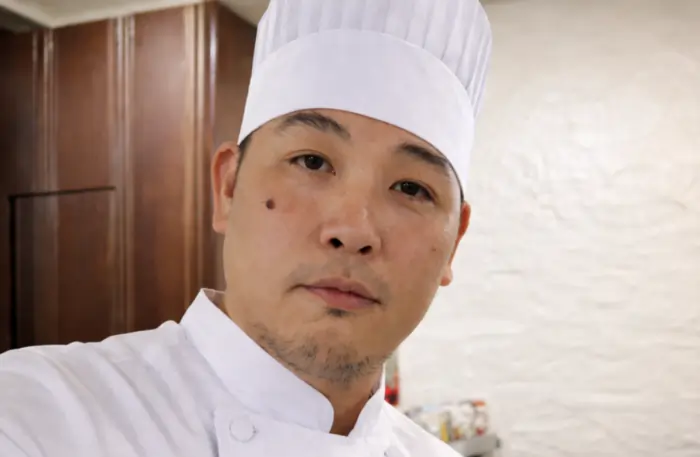
Chef Juan Gadi brings the heart of Filipino hospitality to Ubud, Bali. As an Executive Chef and consultant, he specializes in creating intimate, curated dining experiences that tell a story through every dish. Whether leading the kitchen at Kilig Filipino Warung or hosting a private villa dinner, Chef Juan’s approach is defined by warmth, modern technique, and a commitment to culinary excellence.