Filipino Cooking Styles Popular Among Bali Guests Key Takeaways
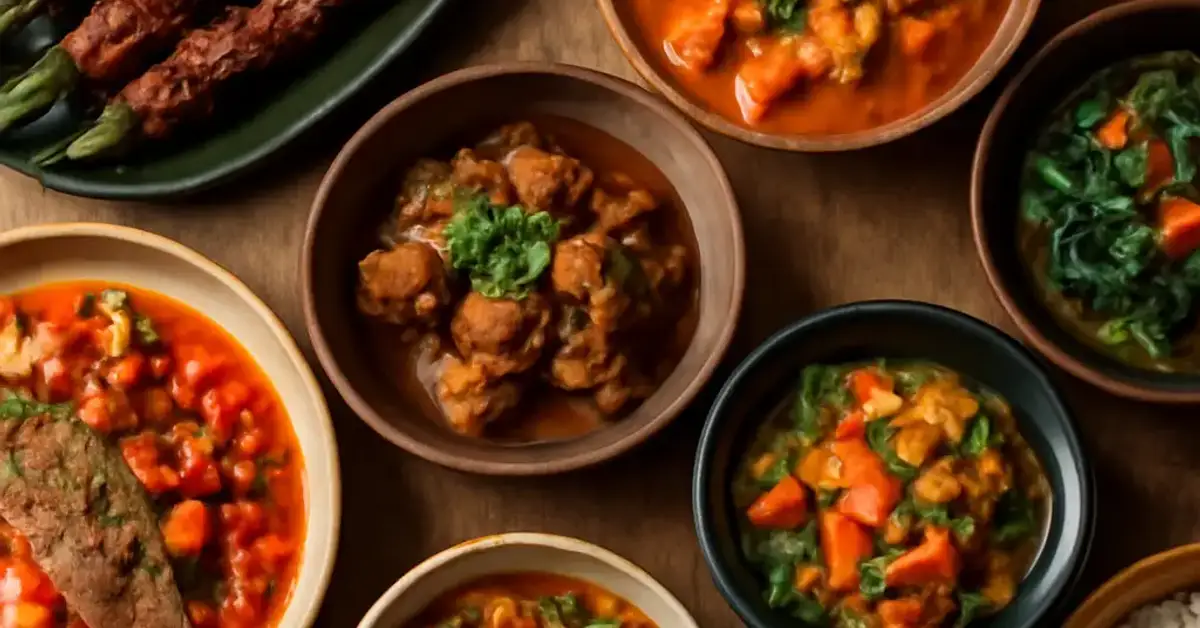
Bali’s tropical food scene welcomes visitors with open arms, and Filipino Cooking Styles Popular Among Bali Guests have become a natural fit because they share a love for bold flavors, simple techniques, and fresh island ingredients.
- Filipino cooking styles popular among Bali guests include grilling, frying, stewing, and boiling — all techniques that mirror Bali’s own island cooking traditions .
- Shared Southeast Asian cuisine similarities make Filipino dishes like adobo, sinigang, and lechon kawali instantly appealing to tourists seeking authentic Bali dining experience .
- These cooking styles emphasize Filipino comfort food and Filipino street food style , matching the casual, communal vibe of Bali’s warungs and beachfront cafés.
Why Filipino Cooking Styles Popular Among Bali Guests Resonate on the Island
Bali has long been a crossroads of food culture Asia, where Indonesian, Indian, Chinese, and Western influences mix freely. When Filipino travelers and food lovers arrive, they immediately notice something familiar. The shared culinary techniques between Filipino and Balinese kitchens—grilling over open flame, frying until crisp, simmering in coconut milk—create a bridge that makes Filipino Cooking Styles Popular Among Bali Guests almost inevitable.
This culinary connection is not just coincidence. Both cuisines developed around tropical ingredients such as coconut, banana leaves, lemongrass, and seafood. Both celebrate Filipino comfort food that is generous, savory, and often eaten with rice. For tourists, digital nomads, and expats, discovering these parallels deepens their appreciation for Bali food culture and makes every meal feel like a homecoming. For a related guide, see 8 Ways Filipino Cuisine Connects Cultures in Bali.
How Filipino Cooking Methods Appeal to Travelers
Filipino Cooking Styles Popular Among Bali Guests work so well because they align with the relaxed pace of island life. Grilling requires patience and social interaction, frying delivers instant gratification, and stewing fills the air with aromas that draw people together. These methods do not rely on complex equipment or rare imports; they rely on fire, pots, and fresh produce—exactly what street vendors and warung owners in Bali already use.
1. Filipino Grilling Techniques: The Heart of Island Cooking Traditions
Filipino grilling techniques are among the most celebrated Filipino Cooking Styles Popular Among Bali Guests. In the Philippines, grilling is called ihaw, and it turns everyday ingredients into smoky, caramelized delights. Bali’s street food scene, particularly along Seminyak and Kuta, now features Filipino-style grilled chicken inasal, pork barbecue skewers, and grilled fish marinated in calamansi and soy sauce. For a related guide, see 12 Filipino Food Ideas That Complement Bali Cuisine.
The similarity with Balinese cooking methods is striking. Balinese sate lilit—minced seafood or meat wrapped around lemongrass—mirrors the Filipino tocino skewer tradition. Both cultures value charcoal grilling, which imparts a distinct smokiness that no gas flame can replicate. This shared technique makes Filipino grilling techniques instantly recognizable and warmly received by Bali visitors.
Popular Filipino Grilled Dishes in Bali
- Inasal – Chicken marinated in annatto oil, vinegar, and ginger, then grilled to juicy perfection.
- Lechon Kawali – While usually deep-fried, many Bali kitchens also crisp it on the grill for a hybrid texture.
- Pork Barbecue – Sweet, smoky skewers that echo Bali’s own sate babi.
- Grilled Tanigue – Mackerel steak basted with soy-calamansi glaze, served with spicy vinegar dip.
For many tourists, these dishes become a go-to Bali dining experience because they combine the thrill of street food with the comfort of Filipino home cooking.
2. Filipino Frying Methods: Crispy Filipino Street Food Style
Filipino frying methods bring the crunch that Bali’s beach crowd craves. Whether it’s crispy pata (deep-fried pork knuckles), lumpiang Shanghai (spring rolls), or the iconic lechon kawali, these dishes showcase a technique that fits perfectly within island cooking traditions. The Balinese love their own fried snacks—like pisang goreng (fried banana) and tahu isi (stuffed fried tofu)—so the crossover is natural.
Filipino frying methods stand out because of the double-fry technique used for meats: first boiling or simmering to tenderize, then drying and frying at high heat to achieve an impossibly crisp exterior. This approach makes Filipino cooking styles popular among Bali guests who appreciate texture as much as taste.
Why Bali Diners Love Filipino Fried Food
- Lumpiang Shanghai – Tiny spring rolls with a savory pork filling, perfect as a snack on the beach.
- Crispy Pata – A whole pork leg fried until the skin shatters, always shared among friends.
- Chicharon Bulaklak – Fried pork mesentery, a crunchy Filipino street food style that pairs surprisingly well with Bali’s sambal matah.
- Tokwa’t Baboy – Fried tofu and pork served with a tangy soy-vinegar dip, reminiscent of Filipino home cooking.
The affordability and shareability of fried food make it a staple for backpackers and families seeking an authentic Bali dining experience without breaking the bank.
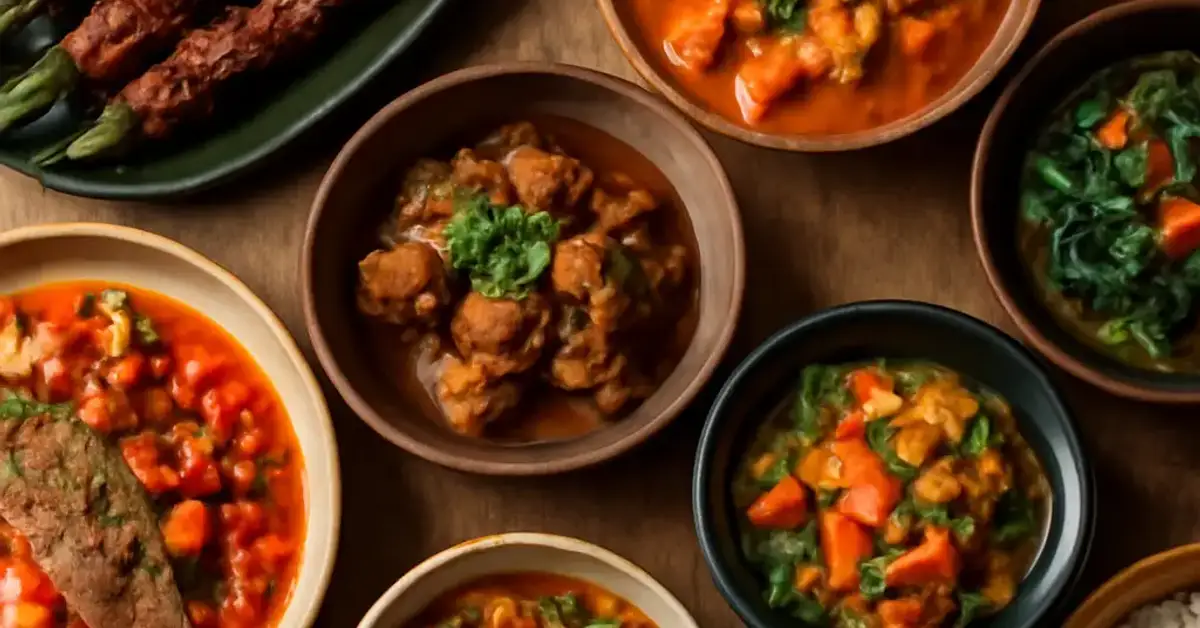
3. Filipino Stewing Traditions: Slow-Simmered Filipino Comfort Food
Stewing is where Filipino Cooking Styles Popular Among Bali Guests truly shine. Adobo, the unofficial national dish of the Philippines, relies on a slow simmer in vinegar, soy sauce, bay leaves, and peppercorns. The technique is so simple yet so rewarding that it has become a favorite among home cooks and pop-up restaurants in Ubud and Canggu.
Balinese cooking methods also lean heavily on stewing, especially for be celeng (pork curry) and lawar (a minced meat and coconut dish cooked with spices). Both cuisines prove that patience in the pot produces deep, layered flavors. That is why Filipino home cooking stews feel familiar to Bali visitors—they rely on the same logic of low heat, aromatic base ingredients, and long cooking times.
Filipino Stews That Bali Guests Crave
- Adobo – Chicken or pork braised in vinegar and soy sauce; endlessly adaptable.
- Kare-Kare – Oxtail and vegetables in a thick peanut sauce, often paired with shrimp paste.
- Sinigang – A sour tamarind soup that many tourists call “the perfect Bali hangover cure.”
- Kaldereta – A rich tomato-based stew with meat, potatoes, and bell peppers.
These stews are now appearing on Bali menus that highlight Southeast Asian cuisine similarities, drawing in foodies who want more than just nasi goreng.
4. Filipino Boiling and Broth-Based Cooking: Light Yet Flavorful
Not every meal needs to be heavy. Filipino Cooking Styles Popular Among Bali Guests also include boiling methods that produce clear, aromatic broths. The best example is tinola—a ginger-laced chicken soup with green papaya and chili leaves. Another is nilaga, a beef and vegetable soup that comforts the soul on Balinese evenings when the air turns cool.
These broths align beautifully with tropical cuisine cooking because they are hydrating, light on the stomach, and showcase fresh vegetables. Bali’s humid climate makes a hot bowl of soup less intuitive, but visitors quickly learn that the ginger and chili in these broths actually help cool the body by promoting perspiration.
Best Filipino Broths for the Bali Climate
- Tinola – Ginger and chicken soup that feels medicinal and delicious.
- Nilaga – Hearty beef soup with cabbage and corn, perfect for sharing.
- Sinampalukang Manok – A quicker version of sinigang using fresh tamarind leaves.
These dishes are becoming staples at Bali dining experience destinations that prioritize Filipino home cooking and traditional Bali food culture.
5. Filipino Steaming Methods: Light and Healthy Tropical Cuisine Cooking
Steaming is often overlooked, but it plays a crucial role in Filipino Cooking Styles Popular Among Bali Guests. Puto (rice cakes), bibingka (baked rice cake cooked in banana leaves), and binagoongang baboy (pork in shrimp paste) all benefit from steam’s gentle heat. The technique retains nutrients and enhances the natural sweetness of ingredients like coconut and banana.
Bali’s island cooking traditions also include steaming, especially for rice and sticky rice cakes (lepet). The overlapping use of banana leaves as both wrappers and steaming vessels makes Filipino cooking methods appeal to travelers looking for healthy, allergen-friendly options.
Steamed Filipino Favorites in Bali Pop-Ups
- Puto – Fluffy rice cakes served with butter and grated coconut.
- Bibingka – Often cooked in clay pots lined with banana leaves, now replicated in Balinese ovens.
- Salmon Belly Steamed with Miso and Calamansi – A modern fusion dish that combines Filipino acidity with Balinese misoglaze.
Because steaming requires little oil, these dishes appeal to health-conscious digital nomads and expats who value Filipino comfort food that fits a lighter lifestyle.
6. Filipino Braising and Adobo-Style Simmering: The Ultimate Filipino Home Cooking
Braising sits at the intersection of stewing and simmering. Filipino Cooking Styles Popular Among Bali Guests often center on adobo variations, but braising extends to dishes like mechado (beef braised in tomato sauce) and afritada (pork braised with bell peppers and potatoes). These one-pot meals are the epitome of Filipino home cooking: resourceful, forgiving, and deeply satisfying.
In Bali, where many visitors rent villas with full kitchens, braising offers a practical way to recreate Filipino home cooking using local ingredients. The shared culinary techniques with Balinese opor (chicken braised in coconut milk) make the process intuitive even for amateur cooks.
Popular Filipino Braised Dishes in Bali
- Adobo sa Gata – Adobo with coconut milk, bridging Filipino and Balinese flavors.
- Mechado – Beef braised in tomato sauce, soy sauce, and star anise.
- Afritada – A comforting pork and vegetable stew that resembles Indonesian semur.
These dishes prove that Filipino cooking methods appeal to travelers because they are adaptable, affordable, and intensely flavorful—qualities that define Bali tourism food experience.
7. Filipino Charcoal Roasting and Spit-Roasting: The Lechon Legacy
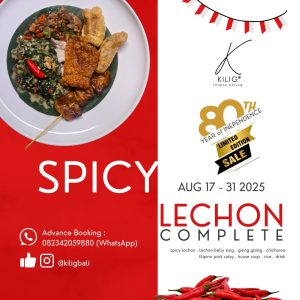
No list of Filipino Cooking Styles Popular Among Bali Guests is complete without charcoal roasting. Lechon—the whole roasted pig—is the crown jewel of Philippine fiestas. In Bali, lechon has found a second home. Specialty restaurants in Jimbaran and Ubud now offer Filipino-style lechon with the signature crispy skin and moist, herb-infused meat.
Balinese island cooking traditions have their own spit-roasting methods, such as babi guling. The technique is virtually identical: skewer the whole animal, rotate over charcoal, and baste with a spice paste. This shared culinary technique explains why lechon feels so at home in Bali and why Filipino Cooking Styles Popular Among Bali Guests include this show-stopping roast.
Why Lechon Is a Bali Tourism Food Experience
- Lechon Belly – Rolled and roasted pork belly, easier to serve in portions.
- Lechon Manok – Spit-roasted chicken sold at roadside stalls, mimicking Bali’s ayam betutu.
- Lechon Paksiw – Leftover lechon simmered in vinegar and liver sauce, a clever second-day dish.
For travelers seeking a celebratory meal, lechon offers a Bali dining experience that is both photogenic and deeply rooted in food culture Asia.
How Filipino Cooking Traditions Blend with Bali Food Culture
The reason Filipino Cooking Styles Popular Among Bali Guests continue to grow is that the two culinary worlds do not compete—they complement. Bali’s Balinese cooking methods emphasize fragrant spice pastes (basa genep), while Filipino cooking favors sour and salty profiles (vinegar, calamansi, patis). When these approaches meet, the result is exciting fusion cuisine that respects both traditions.
Restaurant owners in Bali have noticed that Filipino comfort food drives repeat customers. A diner who tries adobo one evening will often come back the next day for sinigang. This loyalty stems from the emotional connection that Filipino home cooking inspires—a quality that aligns perfectly with Bali’s hospitality-focused Bali dining experience.
Practical Examples of Blend in Action
- Adobo with Balinese Spices – Adding basa genep to adobo creates a briny, aromatic version that locals love.
- Lechon with Sambal Matah – The raw shallot-chili relish cuts through the richness of roasted pork.
- Sinigang with Seafood – Using snapper or clams instead of pork, paired with Balinese greens.
These adaptations prove that Filipino cooking methods appeal to travelers because they are elastic—they absorb local influences without losing identity.
Useful Resources
For readers who want to explore the Southeast Asian cuisine similarities between Filipino and Balinese cooking, these two resources offer deeper dives:
- Introduction to Filipino Cooking Techniques – The Spruce Eats provides a thorough breakdown of Filipino grilling techniques, frying methods, and stewing traditions.
- Most Popular Food in Bali – TasteAtlas maps out Bali food culture, highlighting dishes that share techniques with Filipino cooking styles popular among Bali guests.
Frequently Asked Questions About Filipino Cooking Styles Popular Among Bali Guests
What Filipino cooking styles are popular among Bali guests?
Grilling, frying, stewing, boiling, steaming, braising, and charcoal roasting are the seven Filipino cooking styles that have attracted Bali visitors because they align with island cooking traditions and tropical ingredients.
How do Filipino cooking methods appeal to travelers in Bali?
Filipino cooking methods rely on simple techniques like grilling over charcoal and slow simmering, which feel familiar to anyone who has explored Southeast Asian cuisine similarities. They also emphasize bold flavors from vinegar, soy sauce, and calamansi.
Why do Filipino cooking styles attract visitors in Bali?
Visitors are drawn to these styles because they represent authentic island food: fresh, shareable, and packed with umami. The prevalence of Filipino food in Bali also offers comfort to Filipino travelers while educating other tourists.
What Filipino dishes are commonly enjoyed by Bali tourists?
Adobo, lechon kawali, sinigang, lumpiang Shanghai, chicken inasal, and sisig are among the most sought-after Filipino dishes in Bali, available at dedicated Filipino eateries and fusion pop-ups.
How do Filipino grilling and frying styles fit Bali cuisine culture?
Bali cuisine already celebrates grilled sate and fried snacks like pisang goreng. Filipino grilling techniques and frying methods slot right in because they share the same charcoal-fire approach and love for crispy textures.
What makes Filipino cooking techniques unique for Bali guests?
The unique balance of sour, salty, and sweet in Filipino dishes—especially through vinegar, calamansi, and coconut—sets them apart from other Southeast Asian cuisines while remaining compatible with Bali’s spice palate.
How do Filipino home cooking styles influence Bali dining experiences?
Filipino home cooking emphasizes one-pot meals and communal sharing, which matches the warm, family-style service that many Bali warungs and villa rental dining experiences offer.
What Filipino street food styles are popular in Bali?
Fish balls, kwek-kwek (hard-boiled quail eggs in orange batter), iskrambol (shaved ice dessert), and banana cue (caramelized fried bananas) have appeared at Bali night markets and food festivals.
How do Filipino cooking traditions blend with Bali food culture ?
They blend through shared use of banana leaves for wrapping and steaming, reliance on fresh seafood, and a mutual affection for grilled meats. Restaurants often fuse Filipino and Balinese spices to create hybrids like adobo with basa genep.
What Filipino comfort food styles are favored by Bali visitors?
Adobo, arroz caldo (rice porridge), and champorado (chocolate rice pudding) are favorite comfort food styles because they are easy to digest, nostalgic, and available in breakfast or late-night formats.
Are Filipino cooking styles healthy for Bali’s tropical climate?
Many Filipino cooking styles like steaming, boiling, and sinigang-style stews are actually suited to tropical climates because they are hydrating, light on oil, and use ginger and tamarind that help with digestion and cooling.
Can I learn Filipino cooking techniques from a Bali-based chef?
Yes. Several cooking schools in Ubud and Canggu now offer Filipino cooking classes, often taught by Filipino chefs who live in Bali and use local ingredients to demonstrate Filipino grilling techniques and stewing methods.
What is the most popular Filipino grilled dish among Bali tourists?
Chicken inasal is the most popular Filipino grilled dish in Bali because of its bright orange color, tangy marinade, and juicy meat that pairs well with Balinese sambal.
How does Filipino frying differ from Balinese frying?
Filipino frying methods often involve a double-fry step with a marinade or pre-boil, while Balinese frying typically uses a spice paste coating. Both produce crunchy results but with different flavor profiles.
Why is Filipino-style lechon becoming popular in Bali?
Filipino-style lechon is popular because its seasoning emphasizes herb and spice rubs over the traditional Balinese turmeric-heavy paste, offering a new take that still respects the spit-roasting tradition.
Are there Filipino restaurants in Bali that serve these cooking styles?
Yes, notable Filipino restaurants in Bali include Tambayan Kuta, Kusina in Seminyak, and Adobo Boy in Canggu. They serve classic dishes that showcase Filipino grilling techniques and home-style stews.
What Filipino dessert styles are popular among Bali guests?
Halo-halo (shaved ice dessert), bibingka, and puto bumbong are trending, especially at beach clubs that want to offer something different from traditional Balinese cakes.
How do Filipino Cooking Styles Popular Among Bali Guests compare to Thai food?
Filipino food is generally less spicy than Thai cuisine and emphasizes sour and salty notes over sweet and fiery heat. This makes Filipino dishes more approachable for visitors who want flavor without intense chili.
Is Filipino food in Bali affordable for backpackers?
Yes. Most Filipino street food style dishes cost between IDR 20,000 and 50,000, making them very budget-friendly for backpackers exploring Bali food culture.
What Filipino cooking style is easiest to try at home in Bali?
Adobo is the easiest because it requires only vinegar, soy sauce, garlic, and meat—all readily available in Bali supermarkets and markets. It is a perfect entry point into Filipino home cooking.
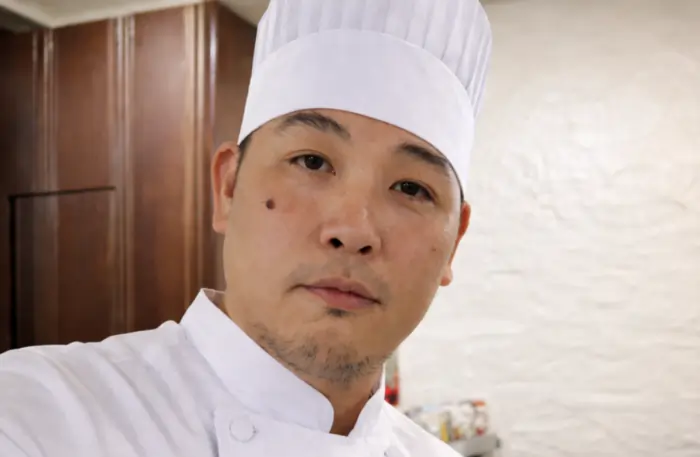
Chef Juan Gadi brings the heart of Filipino hospitality to Ubud, Bali. As an Executive Chef and consultant, he specializes in creating intimate, curated dining experiences that tell a story through every dish. Whether leading the kitchen at Kilig Filipino Warung or hosting a private villa dinner, Chef Juan’s approach is defined by warmth, modern technique, and a commitment to culinary excellence.