
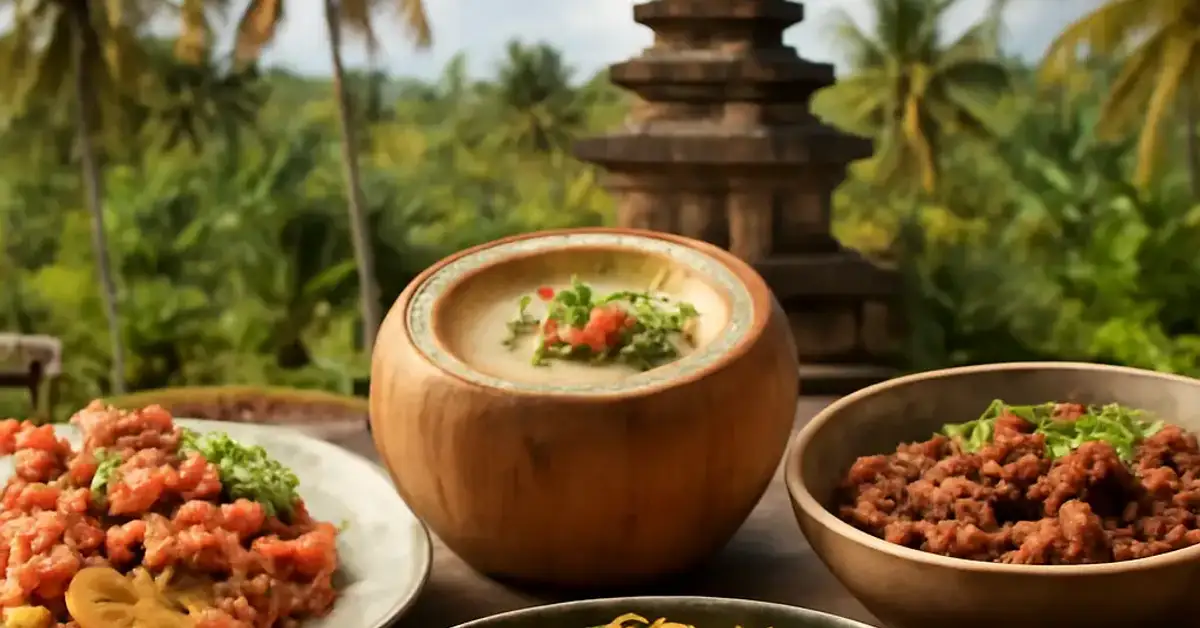
Filipino Meals That Pair Well With Bali Escapes Key Takeaways
Filipino meals that pair well with Bali escapes are rooted in tropical ingredients, rice-based dishes, and bold yet comforting flavors that align with Bali’s relaxed island lifestyle.
- Filipino Meals That Pair Well With Bali Escapes share tropical ingredients like coconut, seafood, and chili, creating a familiar yet exciting dining experience.
- From grilled seafood to hearty stews, Filipino dishes offer comfort and variety that complement Bali’s casual warung culture and beachfront dining.
- Embracing shared dining traditions makes every meal in Bali feel like a gathering—whether you’re at a local warung or a private villa dinner.
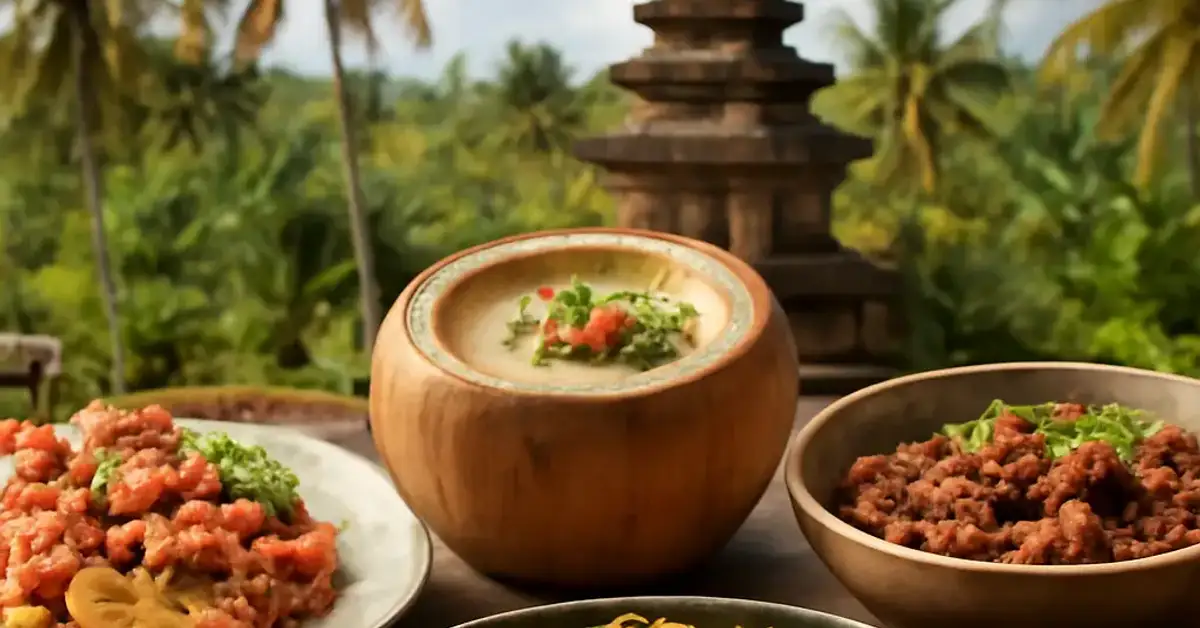
Why Filipino Meals That Pair Well With Bali Escapes Are a Natural Choice
I still remember my first morning in Ubud, sitting on a bamboo deck as the mist lifted over the rice terraces. The air smelled of cloves, lemongrass, and the faint salt of the ocean. It reminded me of mornings in my grandmother’s kitchen in Pampanga, where the same aromas mingled with the sizzle of garlic and the steam of freshly cooked rice. That moment, I knew that Filipino food and Bali were meant to find each other.
Bali travel food and Filipino cuisine share a deep connection to the land and sea. Both are tropical island cuisine that celebrates what grows and swims nearby. Both cultures lay out meals on shared tables, where hands reach for the same platter and stories are told through every bite. For the Filipino traveler in Bali, eating familiar dishes is not just comfort—it’s a way of understanding home away from home. For a related guide, see 9 Filipino Recipes That Feel Perfect for Bali Trips.
In this guide, I’ll walk you through eight Filipino meals that feel right at home in Bali. Each one captures the spirit of island lifestyle food, balancing warmth, freshness, and the kind of hospitality that makes you slow down and stay a little longer.
The Shared Roots: Why Filipino and Balinese Southeast Asian Dining Culture Align
Before we dive into the meals, it helps to understand why Filipino food travels so well to Bali. Both cuisines are built on a foundation of coconut based cuisine, fresh chili, seafood, and grilled meats. In Bali, you’ll find babi guling (suckling pig) and sate lilit (minced seafood satay); in the Philippines, we have lechon and inihaw na isda (grilled fish). The techniques are different, but the soul is the same: respect for the ingredient and joy in sharing it.
Shared dining traditions run deep in both cultures. Meals are rarely rushed. They are meant to be lingered over, with extra rice and extra hands invited to the table. For the Filipino traveler, this makes eating in Bali feel less like a foreign experience and more like a warm reunion.
Now, let’s get to the dishes that define Bali culinary tourism through Filipino eyes.
1. Grilled Inihaw na Liempo with Sawasawan — The Ultimate Bali Travel Food
A Dish That Speaks Island Language
Inihaw na Liempo—grilled pork belly—is the unofficial national dish of any Filipino gathering. Marinated in a blend of soy sauce, calamansi, garlic, and pepper, then charred over hot coals until the fat renders into crisp, golden edges. In Bali, the smell of grilled pork from a roadside warung is almost identical to the scent that wafts through a Filipino backyard during fiesta season.
Filipino Meals That Pair Well With Bali Escapes often start here because the cooking method mirrors Bali’s own grilling culture. Both islands love their protein charred and smoky. The sawsawan—a dipping sauce of vinegar, garlic, chili, and a touch of patis (fish sauce)—adds a bright, acidic kick that cuts through the richness. In Bali, I often substitute local cuka (palm vinegar) for a deeper, sweeter tang that locals appreciate.
Why It Works in Bali
- Shared grill culture: Balinese satay and Filipino inihaw both rely on coconut husk charcoal, giving the meat a distinct island aroma.
- Fresh ingredients: Bali’s morning markets offer excellent local pork, calamansi-like limes, and bird’s eye chili.
- Fast, casual format: Served with steamed rice and a side of ensaladang talong (grilled eggplant salad), this meal fits perfectly into a post-surf or pre-yoga lunch.
Whenever I cater a private villa dinner in Ubud, Inihaw na Liempo is the first dish my guests ask for. It’s familiar enough to comfort, yet exotic enough to feel like an adventure.
2. Sinigang na Hipon — A Comforting Bowl of Filipino Comfort Food with Balinese Sourness
Tamarind Broth Meets Island Seafood
Sinigang na Hipon is a tamarind-based sour soup packed with shrimp, vegetables like kangkong (water spinach), radish, and okra, with a gentle heat from green chili. The broth is clear, tangy, and deeply refreshing—exactly what you crave in a tropical climate.
Bali’s cuisine also celebrates sourness. Dishes like plecing kangkung and sambal matah rely on lime and vinegar for brightness. A bowl of sinigang on a humid Bali afternoon feels like a reset button for the palate. The coconut based cuisine of Bali rarely goes sour-heavy, so sinigang fills a unique gap in the local food scene. For a related guide, see 12 Filipino Food Ideas That Complement Bali Cuisine.
How to Enjoy It in Bali
- Order it with fresh river prawns from the Jimbaran market—sweeter and plumper than what we find back home.
- Pair with a side of fried fish for a surf-and-turf experience that locals call “sinigang plus pritong isda.”
- For a truly Balinese twist, I sometimes add a spoonful of sambal embe (fried sambal) to the broth for extra umami.
Filipino comfort food like sinigang reminds us that sourness can be as comforting as saltiness. In Bali, where the heat can dull the appetite, a sour soup is the perfect invitation to eat.
3. Adobong Manok — The National Dish That Feels Like Island Lifestyle Food
Slow-Simmered Soy and Vinegar Magic
Adobong Manok may be the most iconic Filipino recipe abroad. Chicken braised in soy sauce, vinegar, garlic, bay leaves, and black peppercorns until the sauce turns thick and glossy. The vinegar in adobo serves the same purpose as the base genep in Balinese cooking: preservation and depth of flavor.
In Bali, the high humidity calls for meals that hold up well at room temperature. Adobo is the perfect travel companion. It tastes even better on the second day, when the flavors have melded. I often prepare a large batch for clients at Kilig Filipino Warung and serve it over garlic rice alongside a heap of pickled papaya—a refreshing counterpoint to the rich meat.
Pairing Adobo with Bali’s Rural Charm
- Villa picnics: Pack cold adobo and rice for a day trip to the Tegalalang rice terraces. No need for reheating—adobo is delicious at any temperature.
- Brunch option: Serve adobo with fried eggs and leftover rice for a hearty breakfast before a hike.
- Dip innovation: A side of Balinese sambal matah (raw shallot and chili salsa) adds a fresh crunch that cuts through the adobo’s richness.
Filipino cooking traditions like adobo travel beautifully because they were designed for warm climates and long days. Bali’s laid-back rhythm is the perfect backdrop for a dish that rewards patience.
4. Laing — A Coconut Based Cuisine Homage to Bali’s Gading
Dried Taro Leaves in Spiced Coconut Milk
Laing is a dish from the Bicol region: dried taro leaves simmered in rich coconut milk with ginger, chili, and shrimp paste (bagoong). The result is a creamy, slightly spicy, and intensely savory stew that clings to every grain of rice.
Bali’s coconut based cuisine is famous for lawar and sayur urap, both of which use grated coconut and coconut milk. Laing feels like a long-lost cousin. The taro leaves absorb the coconut cream much like Balinese plecing absorbs sambal. The texture is velvety, the heat is gentle, and the flavor is pure comfort.
Why Laing Belongs on Bali Tables
- Vegan-friendly base: Skip the bagoong and you have a plant-based dish that fits Bali’s wellness-conscious crowd.
- Market-friendly: Taro leaves are abundant in Bali’s highlands; I buy mine from the Ubud market for a fraction of the price in Manila.
- Shared ingredient: The same coconut milk used in sayur lodeh is used in laing—just with a different spice profile.
I’ve served laing at pop-up dinners in Canggu, and even Balinese guests ask for the recipe. It’s proof that the Filipino cooking traditions built on coconut resonate universally in the island belt.
5. Kinilaw na Isda — Filipino Seafood Dishes Inspired by Bali’s Ocean
Fresh Fish “Cooked” in Vinegar and Citrus
Kinilaw is the Filipino version of ceviche: chunks of fresh fish (usually tuna or mackerel) marinated in vinegar, calamansi, ginger, chili, and onion. There is no heat involved—the acid “cooks” the fish while the aromatics lift its natural sweetness. Every Filipino coastal town has its own version, and every version is a celebration of the morning catch.
Bali’s seafood scene is legendary. Jimbaran Bay, with its rows of grilled fish restaurants, is a temple to ocean-to-table dining. Kinilaw, however, is less common here, which makes it a standout. The clean acidity of the vinegar cuts through the richness of grilled seafood courses, making it an ideal appetizer before a feast.
Kinilaw as a Bali Food Experience
- Use local catch: Skipjack tuna, mahi-mahi, and even barramundi from Bali’s waters work beautifully.
- Add Balinese twists: I sometimes replace calamansi with local jeruk limau and toss in chopped kemangi (lemon basil) for a fragrant finish.
- Serve with local garnishes: Crispy fried shallots, torch ginger flowers, and—surprisingly—Balinese kacang (peanuts) make a crunchy, textural topping.
Filipino seafood dishes like kinilaw remind us that the simplest preparations are often the best. In Bali, where the ocean is always within view, every bite connects you to the place itself.
6. Sizzling Sisig — The Ultimate Filipino Street Food Meets Bali’s Night Markets
Chopped, Sizzling, and Irresistible
Sisig is the loudest dish in the Filipino repertoire. Chopped pork face, ears, and liver are seasoned with calamansi, chili, and onions, then served on a scorching hot plate with an egg cracked on top. The sizzle is as much a part of the experience as the taste—a symphony of crunch, fat, and acid.
Bali’s street food scene is vibrant, especially at night markets in Seminyak, Sanur, and Ubud. Grilled skewers, satay, and fried snacks dominate. But there is a gap for something hearty, messy, and shareable. Sisig fills that gap perfectly. It’s Filipino street food at its loudest, and it fit right into Bali’s casual drinking culture.
Where to Enjoy Sisig in Bali
- Beachside bars: Sisig pairs with cold Bintang beer like a dream. A sizzling plate of sisig is a natural bar food.
- Warung nights: At Kilig Filipino Warung, we serve sisig with warm tortillas instead of rice, creating a fusion that tourists love.
- For the brave: Add a dollop of Balinese sambal matah on top for extra heat and crunch.
Bali holiday meals should be bold and memorable. Sisig makes sure you don’t forget them.
7. Kare-Kare — A Bali Food Experience of Peanut and Oxtail Comfort
Thick, Nutty Stew with a Side of Bagoong
Kare-kare is a rich Filipino stew made with oxtail, tripe, and vegetables (eggplant, string beans, banana blossom) simmered in a peanut-thickened sauce. The flavor is earthy, nutty, and deeply savory. It is traditionally served with a small dish of salty, fermented shrimp paste (bagoong) on the side.
Bali has its own version of nutty sauce: bumbu kacang, the peanut sauce that accompanies sate lilit and gado-gado. The similarity is striking. A Balinese cook who tastes kare-kare will immediately recognize the peanut base, though the Filipino version is thicker and more stew-like.
How Kare-Kare Enhances the Bali Travel Food Experience
- Meat options: Oxtail can be expensive in Bali; I often substitute it with beef brisket or even crispy chicken skin for texture.
- Vegetable love: The eggplant and long beans in kare-kare echo the vegetables used in lawar, so locals feel right at home.
- Color and presentation: The orange-brown sauce, green vegetables, and white rice create a plate that is as beautiful as it is nourishing.
Kare-kare is not a quick dish—it simmers for hours. But for the traveler looking for a Bali food experience that feels like a warm hug, there is no better option.
8. Halo-Halo — The Filipino Comfort Food Dessert That Beats Bali’s Heat
Shaved Ice, Sweet Beans, and Tropical Fruits
Halo-halo literally means “mix-mix” in Tagalog. It is a towering glass of shaved ice layered with sweetened beans, coconut strips, jackfruit, plantains, leche flan, and ube (purple yam) ice cream, all drizzled with evaporated milk. It is dessert as art, chaos, and refreshment all in one.
Bali is hot year-round. After a day of exploring temples, surfing, or wandering rice fields, your body craves something cold, sweet, and texturally interesting. Halo-halo delivers. The crushed ice, the creamy flan, the chewy nata de coco—every spoonful is a surprise.
Making Halo-Halo in Bali
- Source ingredients: Ube powder is available in Indonesian supermarkets; jackfruit and young coconut are everywhere.
- Skip the beans: Some guests prefer a simpler version with just fruit and ice cream—that’s fine, too.
- Local addition: Add a scoop of es campur (Indonesian mixed ice dessert) ingredients like avocado and chocolate syrup for a pure Bali twist.
Bali holiday meals deserve a sweet ending. Halo-halo is not just a dessert—it’s an experience that brings smiles to every table.
Useful Resources
To deepen your understanding of Filipino and Balinese culinary connections, I recommend two resources. The first is an article about the shared coconut-based traditions across Southeast Asia: Serious Eats: Coconut Milk in Southeast Asian Cuisine. It explains the science and culture behind one of our key ingredients. The second is a guide to Bali’s local food markets, which I consult whenever I need fresh seafood for a pop-up dinner: Lonely Planet: Bali’s Best Food Markets.
Frequently Asked Questions About Filipino Meals That Pair Well With Bali Escapes
Conclusion
Filipino Meals That Pair Well With Bali Escapes are more than just a menu—they are an invitation to slow down, gather around a shared table, and taste the common threads that weave Southeast Asian island cultures together. Whether you are a Filipino traveler craving the familiar tang of Sinigang or a food explorer eager to discover Filipino comfort food for the first time, the dishes in this guide offer a way to connect deeply with Bali’s spirit.
I have spent years cooking in both worlds, and I can tell you this: the best meals are never just about the food. They are about who you share them with. So next time you find yourself in Bali, order an extra serving of Inihaw, invite a stranger to your table, and let the shared dining traditions of the Philippines and Bali remind you that good food knows no borders.
— Chef Juan Gadi, Executive Chef at Kilig Filipino Warung, Ubud
Frequently Asked Questions About Filipino Meals That Pair Well With Bali Escapes
What Filipino meals pair well with Bali escapes?
Inihaw na Liempo, Sinigang na Hipon, Adobong Manok, Laing, Kinilaw na Isda, Sizzling Sisig, Kare-Kare, and Halo-Halo are the eight dishes that pair best with Bali’s tropical island atmosphere and casual dining culture.
How do Filipino dishes complement Bali travel experiences?
Filipino dishes emphasize tropical ingredients, shared meals, and bold, comforting flavors that match Bali’s relaxed lifestyle. They provide familiarity while introducing local twists that enhance the overall travel experience.
Why do Filipino meals fit Bali tropical lifestyle?
Both cuisines celebrate fresh seafood, coconut-based recipes, and grilled meats. Filipino meals are designed for warm weather eating—light enough to not weigh you down, yet satisfying enough to fuel a day of adventure.
What Filipino comfort foods are best for Bali vacations?
Sinigang, Adobo, and Kare-Kare are the top comfort foods. They are familiar, hearty, and easy to eat even on hot days. Sinigang’s sour broth is especially refreshing.
How do Filipino dining habits match Bali food culture?
Both cultures value shared dining, with food placed in the center of the table for everyone to enjoy. This communal approach creates a welcoming atmosphere that encourages connection.
What Filipino recipes are ideal for island travel in Bali?
Kinilaw na Isda (with fresh local catch) and Inihaw na Liempo are ideal because they rely on simple preparations that highlight fresh ingredients. Both travel well and cook quickly over coals.
How do Filipino meals enhance Bali holiday experiences?
They offer a bridge between home comfort and new discovery. Eating a familiar dish in a new setting grounds the travel experience while inviting curiosity about local ingredients and techniques.
What Filipino foods are commonly enjoyed during Bali trips?
Adobo, Sisig, and Lechon are among the most ordered by Filipino tourists. The rich flavors and shareable portions make them perfect for group dining.
Why are Filipino flavors suitable for Bali cuisine settings?
Filipino flavors rely on sour, salty, and umami notes that mirror Balinese spice profiles. Coconut, chili, and vinegar appear in both cuisines, making the transition smooth and natural.
How do Filipino meals blend with Balinese dining traditions?
Both traditions emphasize rice as a staple, communal serving, and the use of fresh market produce. A Filipino meal can be presented on a banana leaf, just like a Balinese nasi campur.
Is it easy to cook Filipino food in Bali?
Yes. Ingredients like coconut milk, rice, seafood, and vegetables are widely available. Spices like garlic, ginger, and chili are plentiful. The biggest challenge is finding calamansi, but local limes make a fine substitute.
What Filipino street food can I find in Bali?
Sisig, Fish Balls, and Kwek-Kwek (fried quail eggs) are becoming more common in pop-up stalls and Filipino-owned warungs in Seminyak and Canggu.
Are there Filipino restaurants in Bali?
Yes. Kilig Filipino Warung in Ubud is a popular stop for dishes like Adobo, Sisig, and Halo-Halo. Other spots are emerging in tourist areas as demand grows.
Can I request Filipino meals at Balinese villas?
Many private chefs, including myself, offer Filipino menu packages. It’s a growing trend for groups looking for a familiar yet elevated dining experience.
What is the best Filipino dish for a beach picnic in Bali?
Inihaw na Liempo with Sawsawan is the best. It holds up well, does not require reheating, and tastes delicious with a side of fresh mango.
Do Balinese locals enjoy Filipino food?
Generally, yes. The shared tropical base makes Filipino food approachable for Balinese palates. I often see local guests ordering extra servings of Adobo and Laing.
What Filipino dessert is a must-try in Bali?
Halo-Halo is the standout. The combination of cold ice cream and tropical fruit is perfect for Bali’s heat. Many tourists become instant fans.
How can I make Filipino food healthier for Bali trips?
Choose grilled dishes over fried, load up on vegetable sides, and control the sauce portion. Kinilaw and Laing (without bagoong) are naturally lighter options.
What Filipino ingredients are hard to find in Bali?
Calamansi, fresh taro leaves (gabi), and certain longanisa sausages can be tricky. However, many substitutes exist—local limes, spinach, and sweet Indonesian sausages work well.
Where can I join Filipino cooking classes in Bali?
I occasionally run Filipino cooking workshops at Kilig Filipino Warung and partner with local cooking schools. Check social media or ask at your villa for upcoming sessions.
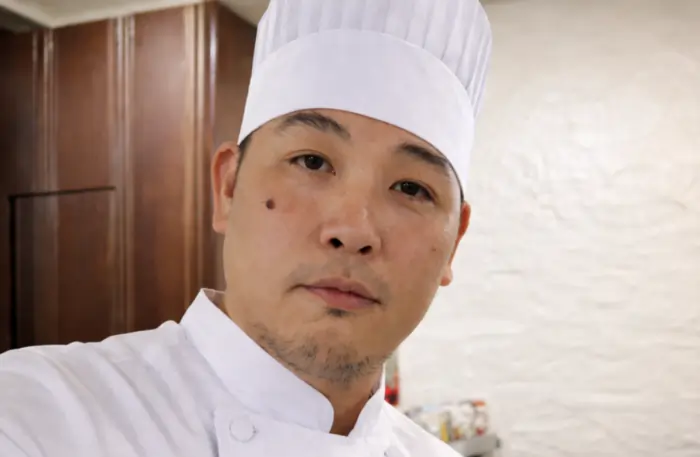
Chef Juan Gadi brings the heart of Filipino hospitality to Ubud, Bali. As an Executive Chef and consultant, he specializes in creating intimate, curated dining experiences that tell a story through every dish. Whether leading the kitchen at Kilig Filipino Warung or hosting a private villa dinner, Chef Juan’s approach is defined by warmth, modern technique, and a commitment to culinary excellence.