Ways Atmosphere Enhances Every Dining Experience Key Takeaways
The ways atmosphere enhances every dining experience go far beyond tablecloths and candlelight.
- Ways atmosphere enhances every dining experience include lighting, sound, scent, texture, and service flow—each working together to create a cohesive emotional narrative.
- Thoughtful restaurant design influence directly impacts guest satisfaction and perceived food quality, often more than the menu itself.
- Luxury and private dining venues that master experiential dining build stronger customer loyalty and higher per-guest spending.
What Readers Should Know About Ways Atmosphere Enhances Every Dining Experience
For Chef Juan Gadi, who brings Filipino warmth to Ubud, Bali, atmosphere is never an afterthought. Ways atmosphere enhances every dining experience start with understanding that diners arrive with expectations shaped by sight, sound, and emotion before the first bite. The dining atmosphere is the silent host that either invites connection or creates distance.
This article breaks down eight distinct elements that define restaurant ambiance. Whether you manage a luxury villa, a beachfront warung, or a private catering operation, these strategies will help you design spaces that keep guests coming back.
1. Lighting Sets the Emotional Tone
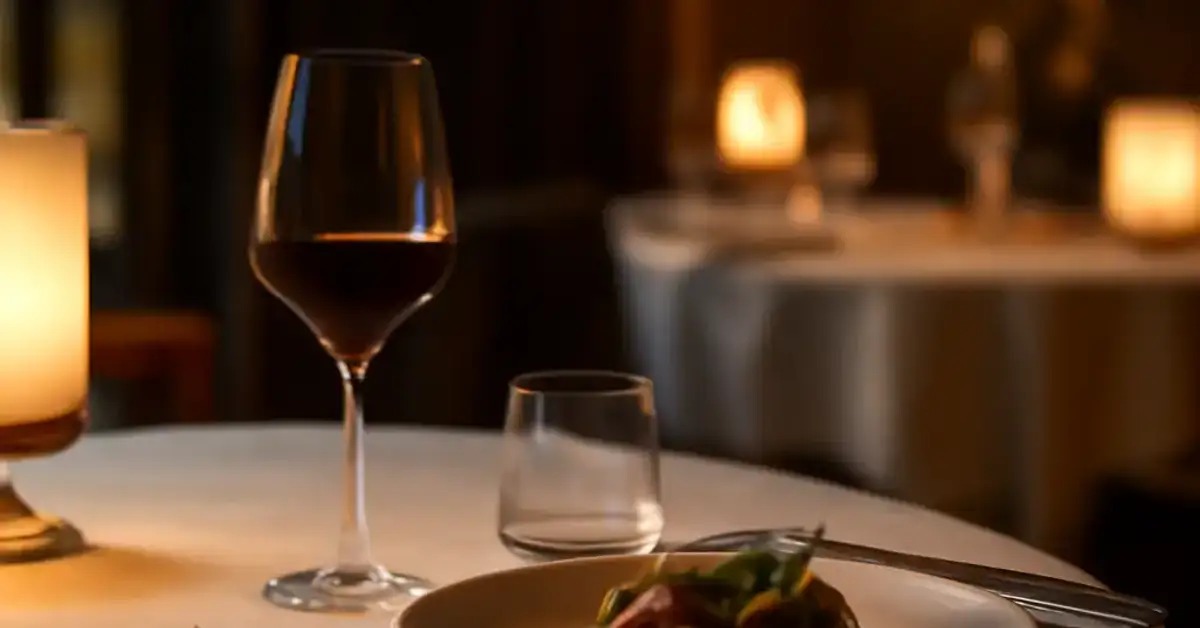
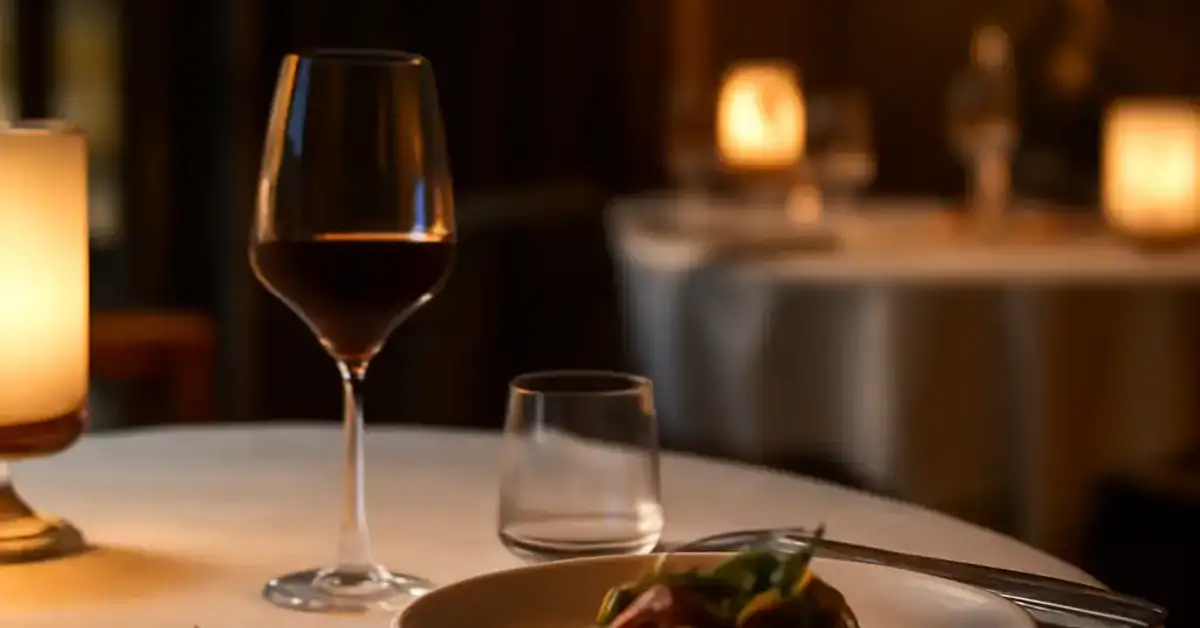
Lighting is the fastest lever you can pull to shift mood. Dim, warm light encourages relaxation and intimacy, while bright, cool light signals energy and efficiency. Studies show that softer lighting reduces diners’ self-consciousness, making them more open to conversation and indulgence.
In Chef Juan’s private villa dinners in Ubud, candlelight and soft lanterns frame the table, drawing focus to the plate and the faces across from it. This deliberate luxury dining environment tells guests they are in a special space. For casual venues, adjustable dimmers allow you to transition from lunch brightness to evening warmth without changing the decor.
2. Music Shapes the Rhythm of the Meal
Music influences not just mood but actual eating pace. Upbeat tempos can speed up turnover in a busy café, while slower, acoustic tracks encourage lingering and higher check averages. The volume must sit below conversation level—guests should never have to raise their voices.
The sensory dining experience benefits from playlists that match the cuisine’s origin. For a Filipino-inspired menu at Kilig Warung, Chef Juan selects instrumental folk guitar and soft percussion, reinforcing the food and atmosphere connection. Matching music to culture deepens authenticity and emotional resonance.
3. Scent Creates Invisible Branding
Scent is the most underutilized hospitality atmosphere tool. The smell of wood smoke, lemongrass, or freshly baked bread triggers instinctive comfort. Guests may not consciously notice it, but they will feel more at ease and remember the experience longer.
Chef Juan uses coconut husks and pandan leaves in his cooking fires, letting natural aromas drift through open dining spaces. Synthetic air fresheners should be avoided—they compete with the food. A subtle, consistent signature scent becomes part of memorable dining settings and reinforces brand identity.
4. Decor Reflects Story and Intent
Every object on the wall and every texture on the table tells a story. Restaurant design influence extends to color psychology: earth tones promote grounding and appetite, while vibrant accents add energy without overwhelming. Local art, handwoven textiles, and natural materials signal authenticity.
In Ubud, where travelers seek cultural immersion, Chef Juan fills his spaces with Filipino capiz shell lanterns and hand-carved wooden platters. This creates a layered emotional dining memories experience—guests remember not just the adobo but the aesthetic journey. Decor must align with the price point and concept, or it feels gimmicky.
5. Seating Arrangements Influence Social Flow
Seating determines how guests interact with each other and the space. Booth seating encourages intimacy and privacy, while communal tables foster celebration and connection. Spacing matters—tables too close create stress, while too far apart kills energy.
For private dining, Chef Juan designs seating around a single long table that promotes shared conversation. The private dining ambiance is carefully controlled: no empty chairs, no awkward sightlines. In experiential dining, seat guests facing a view or open kitchen to maintain engagement with the culinary performance.
6. Temperature and Air Quality Affect Comfort
Guests cannot enjoy a meal if they are shivering or sweating. Guest satisfaction dining depends on consistent temperature control and fresh air circulation. Stale air kills appetite, while a gentle breeze from ceiling fans or open windows adds a sensory layer.
In Bali’s tropical climate, Chef Juan positions dining areas to catch afternoon breezes and uses natural ventilation over air conditioning when possible. This aligns with hospitality guest experience best practices—comfort should feel effortless, not engineered. Humidity control also protects food presentation and glassware clarity.
7. Tabletop Details Signal Quality
The tactile experience starts before the menu arrives. Heavy flatware, linen napkins, and well-weighted glassware communicate care and quality. Chipped plates or sticky menus immediately break trust.
Chef Juan sources hand-thrown ceramic plates that feel substantial in the hand. Each piece supports the fine dining experience narrative. Even in casual settings, clean edges, polished glassware, and fresh flowers elevate perceived value. The dining experience enhancement lives in these micro-interactions— guests may not articulate them, but they feel them.
8. Service Flow Completes the Sensory Puzzle
Atmosphere is not static—it is performed by the staff. The pace of service, the volume of voices, the distance servers maintain from tables all contribute to restaurant ambiance. A rushed server disrupts calm; a server who hovers creates tension.
In Chef Juan’s private events, service is choreographed like a dance—plates arrive from the same side, wine is poured without interruption, and staff maintain eye contact without intruding. This hospitality atmosphere extends the design into human interaction. Training your team to read the room is as important as choosing the playlist.
Comparing Basic vs. Curated Dining Environments
The difference between a forgettable meal and an emotional dining memories experience often comes down to intentional design. A basic environment uses fluorescent lighting, mismatched furniture, and generic background music. A curated space layers lighting zones, natural materials, seasonal scents, and trained service flow. For a related guide, see Why Guests Remember Exceptional Dining Experiences.
Experiential dining venues in Ubud, like those Chef Juan designs, invest in all eight elements because they understand dining atmosphere directly impacts average check size, review ratings, and repeat visits. A comparison table helps clarify what changes yield the highest return.
| Element | Basic Environment | Curated Environment |
|---|---|---|
| Lighting | Single overhead fluorescent | Dimmable warm task + ambient layers |
| Music | Random radio or silence | Curated playlist at 60 dB |
| Scent | Cleaning product odor | Natural wood or herbaceous aroma |
| Seating | Tight rows of identical chairs | Mix of banquettes, communal, and private |
| Service pace | Rushed or slow without rhythm | Choreographed to match meal flow |
| Result | Functional meal | Memorable dining settings |
Why Atmosphere Drives Hospitality Success and Guest Retention
In Bali’s competitive market, hospitality guest experience is the differentiator. Guests who feel emotionally connected to a space spend more time—and more money. Food and atmosphere connection is measurable: diners rate identical dishes higher when served in a pleasant environment.
Chef Juan advises restaurant owners to treat atmosphere as a capital investment, not a decoration cost. Restaurant design influence extends to online reputation—photos of beautiful interiors drive bookings faster than menu photos alone. Guest satisfaction dining scores improve when every sense is considered, from the entryway to the restroom.
For private villa operators and wedding planners, private dining ambiance becomes a selling point. Couples choose venues that promise not just food but an unforgettable frame for their celebration. Luxury dining environment design justifies higher pricing because guests understand they are paying for a total experience.
Actionable Tips for Hospitality Professionals
Start with a sensory audit. Walk through your space at peak hour and note what you see, hear, smell, and feel. Replace three things this week: a flickering bulb, a noisy fan, a worn tablecloth. Dining experience enhancement does not require a full renovation—small, consistent upgrades compound.
Train staff to reset the room between seatings: adjust lighting, refresh flowers, reset music volume. Create a sensory dining experience checklist for opening and closing shifts. Measure results through review sentiment analysis and repeat guest rates. Hospitality atmosphere is not a one-time project—it is a daily practice.
Useful Resources
For deeper insights into how environment affects consumer behavior, read the foundational work from environmental psychology researchers: Environmental Psychology on ScienceDirect.
Discover practical hospitality design principles from the leading industry publication: Hospitality Design Magazine.
Frequently Asked Questions About Ways Atmosphere Enhances Every Dining Experience
How does atmosphere enhance every dining experience?
Atmosphere shapes emotional state, social dynamics, and sensory perception. A well-designed environment makes guests feel welcomed, relaxed, and more receptive to the culinary offering, which directly improves satisfaction and memory of the meal. For a related guide, see How Atmosphere Shapes Memorable Food Experiences.
Why is ambiance important in restaurants and private dining?
Ambiance sets expectations before the first bite. In private dining, it creates exclusivity and intimacy. In restaurants, it encourages longer stays and higher check averages. Without ambiance, the space feels generic and forgettable.
How do lighting and music affect dining enjoyment?
Warm, dim lighting encourages relaxation and appetite, while music tempo influences eating pace. Together, they create a rhythm that guides the meal from aperitif to dessert, enhancing overall enjoyment and perceived food quality.
What role does atmosphere play in guest satisfaction?
Atmosphere contributes up to 40% of overall guest satisfaction in fine dining settings. It affects comfort, perceived value, and the likelihood of return visits. A poor atmosphere can undermine even excellent food.
How does restaurant design influence food experiences?
Colors, textures, and spatial layout prime the brain for certain taste expectations. For example, warm colors enhance perception of sweetness, while cooler tones can make food seem less rich. Design signals the cuisine story before the plate arrives.
Why do people remember atmosphere as much as food?
Memory encodes emotional experiences more strongly than factual ones. Atmosphere creates a multisensory event—sight, sound, scent, touch—that anchors the meal in vivid memory. Guests recall how a place felt as vividly as what they ate.
How does ambiance impact emotional dining memories ?
Ambiance triggers emotional states—romance, celebration, nostalgia—that become linked to the meal. Positive emotional memories increase the likelihood of sharing the experience online and returning for future occasions.
What elements create a great dining atmosphere ?
The eight core elements are lighting, music, scent, decor, seating, temperature, tabletop details, and service flow. Each must align with the cuisine and price point to feel authentic and intentional.
How do sensory details improve dining experiences?
Engaging multiple senses reduces distraction and increases immersion. A restaurant that smells of fresh herbs, plays soft jazz, and uses textured linens creates a richer, more memorable experience than one relying on taste alone.
Why is atmosphere important in luxury dining?
Luxury diners pay for exclusivity and emotion. Atmosphere signals care, attention to detail, and status. A luxury dining environment must feel curated, private, and flawless to justify premium pricing and earn loyalty.
How does a dining setting affect perception of food quality?
A well-designed setting increases perceived value and taste scores. The brain uses environmental cues as shortcuts: a beautiful room makes food seem more complex and better-made. This is called the ambiance-taste transfer.
What makes private dining experiences more memorable?
Private dining allows full control over atmosphere—lighting, music, scent, and flow can be customized to the guest. This personalization creates a sense of ownership and intimacy that public dining cannot replicate.
How do outdoor and tropical settings enhance meals?
Natural settings reduce stress and provide ever-changing visual interest. In tropical destinations like Bali, open-air dining leverages breeze, greenery, and natural light to create a feeling of escape and abundance.
Why do hospitality professionals focus on atmosphere?
Atmosphere directly impacts revenue metrics—average check size, table turnover rate, and online review scores. It also reduces price sensitivity because guests perceive higher value in a well-designed environment.
How can businesses improve dining ambiance on a budget?
Start with lighting upgrades (dimmers and warm bulbs), a curated playlist, fresh flowers or greenery, and staff training on service rhythm. These low-cost changes deliver the highest return per dollar spent on ambiance.
What is the difference between atmosphere and ambiance?
Atmosphere refers to the overall sensory environment, including physical and emotional elements. Ambiance is the mood or character created by that atmosphere. They are often used interchangeably but ambiance is the emotional result.
How quickly can redesigning atmosphere impact business?
Immediate changes like lighting and music can affect guest behavior within the same shift. Structural changes like seating or decor show results within weeks as reviews and repeat visits improve.
Should atmosphere differ between lunch and dinner service?
Yes. Lunch typically benefits from brighter lighting, slightly faster music, and a more energetic pace. Dinner should transition to warmer, dimmer lighting and slower music to encourage relaxation and longer stays.
How does Chef Juan Gadi approach atmosphere in his events?
Chef Juan starts with the narrative: each event has a story. He layers lighting, scent, and music around that story, using local Balinese and Filipino materials. The result is a cohesive experiential dining journey that feels personal and unrepeatable.
What is the single most impactful atmosphere change for a restaurant?
Installing dimmable, warm-temperature lighting. It instantly transforms the mood from institutional to intimate, makes food look better, and encourages guests to relax and order more. It is the highest-ROI change possible.
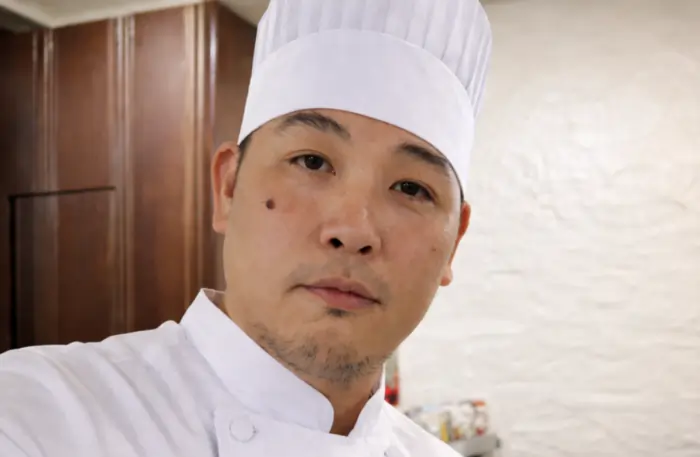
Chef Juan Gadi brings the heart of Filipino hospitality to Ubud, Bali. As an Executive Chef and consultant, he specializes in creating intimate, curated dining experiences that tell a story through every dish. Whether leading the kitchen at Kilig Filipino Warung or hosting a private villa dinner, Chef Juan’s approach is defined by warmth, modern technique, and a commitment to culinary excellence.