Filipino Food Traditions Key Takeaways
Filipino Food Traditions are more than recipes—they are a living expression of community, respect, and generosity.
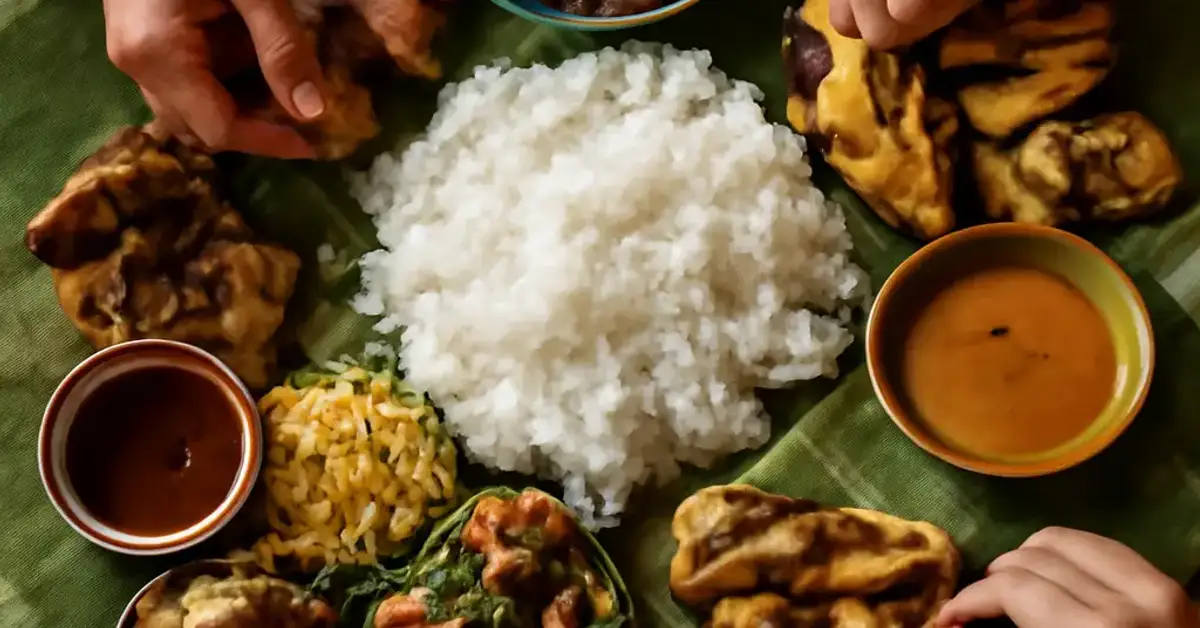
- Filipino Food Traditions center on shared meals like kamayan (hand-eating feasts) where everyone eats from a communal table.
- Hospitality is sacred: guests are always offered food, often the best portion, as a sign of genuine welcome.
- Festivals and family gatherings revolve around abundant food, from lechon to bibingka, reflecting the Filipino value of togetherness.
Why Filipino Food Traditions Matters for Travelers
When you step into a Filipino home, the first words you will likely hear are “Kain na tayo!” (Let’s eat!). This invitation is an instant doorway into a culture where food is love, community, and identity rolled into one. For travelers, understanding Filipino Food Traditions turns a vacation into a rich, memorable journey through the archipelago’s soul. For a related guide, see 10 Filipino Family Food Traditions Seen in Bali.
Filipino cuisine reflects centuries of trade, colonization, and local innovation—Chinese noodles, Spanish stews, Malay coconut dishes, and indigenous cooking methods all merge on one plate. But the traditions behind the food—how it’s prepared, served, and shared—are what truly captivate visitors. This guide walks you through seven essential customs that every traveler should know before their first bite of adobo, lumpia, or halo-halo. For a related guide, see 9 Filipino Food Traditions That Suit Bali Escapes.
Overview of Filipino Food Traditions Every Traveler Should Know
At its core, the overview of Filipino food traditions reveals a culture built on bayanihan (community spirit) and pakikisama (getting along). Meals are rarely solitary affairs. Instead, they are opportunities to strengthen bonds, show respect, and celebrate life’s moments—big and small. For a related guide, see 7 Filipino Food Moments That Enhance Bali Vacations.
Filipino Dining Customs: Respect and Generosity at the Table
Filipino dining customs reflect deep-rooted values. Elders are served first, and it is polite to wait for the host to say “Kain na” before starting. Using your hands (kamayan) is perfectly acceptable in many settings, especially when eating grilled fish, rice, and fresh vegetables. Leaving a small amount of food on your plate signals you are full, while cleaning your plate shows you enjoyed the meal. Spoons and forks are the standard utensils; knives are rarely used because meat is typically cut into bite-sized pieces during cooking.
Communal Dining Philippines: Togetherness on Banana Leaves
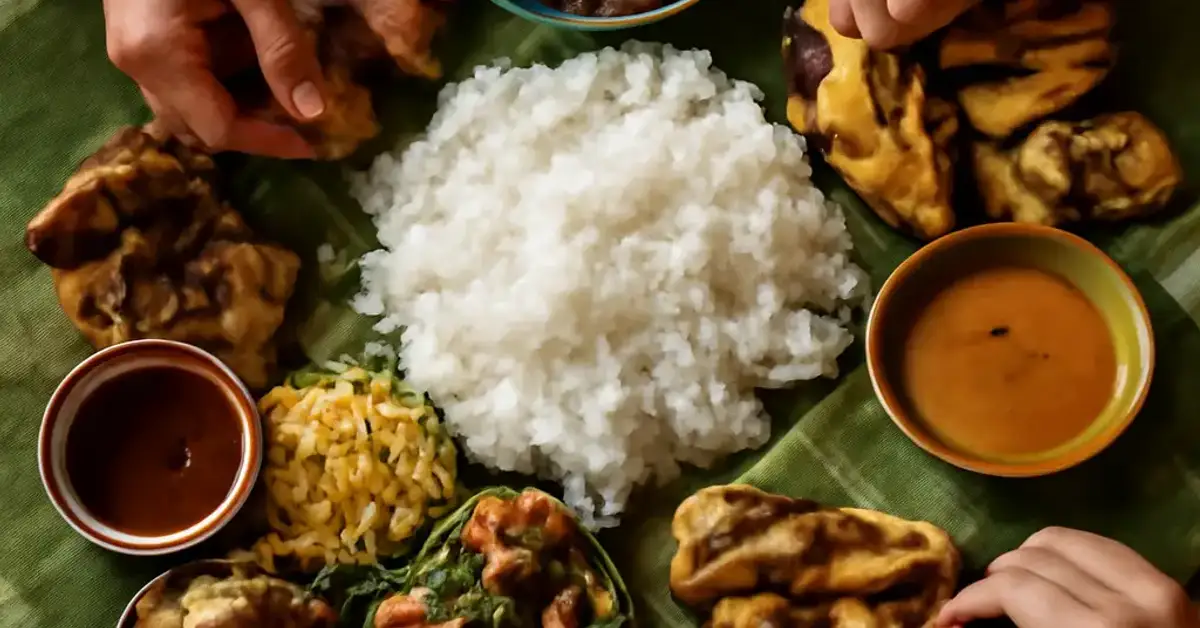
Communal dining Philippines is a visual feast. Picture a long table covered in banana leaves, piled high with crispy lechon, garlic fried rice, grilled eggplant salad, vinegary chicken adobo, and fresh mangoes. Everyone sits around this edible landscape, using their hands to mix flavors and share dishes. This style, called boodle fight (borrowed from military tradition), is now a popular bonding activity in restaurants and homes alike. It breaks down barriers and encourages conversation, laughter, and connection.
Filipino Hospitality Food: The Heart of Every Welcome
Filipino hospitality food is legendary. If a Filipino host invites you for merienda (afternoon snack), expect a spread that could feed a small village—bibingka (rice cake), puto (steamed rice muffins), or pansit (noodles). If you drop by unannounced, you will still be offered something to eat or drink, no matter the hour. Turning down food can be seen as polite the first time, but accepting (even a small portion) is a gesture of respect and appreciation. This tradition, called “pakikitungo,” is a cornerstone of Filipino culture that travelers quickly come to love.
Fiestas and Food in the Philippines: Celebrating Life Abundantly
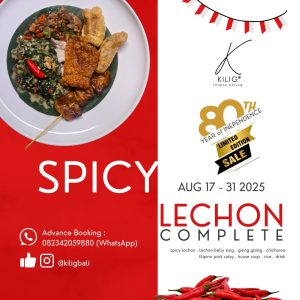
Fiestas and food in the Philippines are inseparable. Every town, barrio, and city holds an annual fiesta honoring its patron saint. These celebrations are marked by elaborate feasts that showcase the best of local cuisine. Lechon (roasted whole pig) is the undisputed star, but you will also find longganisa (local sausages), morcon (stuffed beef roll), and an array of rice cakes and desserts. The fiesta table is never empty; it overflows, symbolizing the community’s gratitude and generosity. Travelers are always welcome to join, often encouraged with a cheerful “Sali ka!” (Join in!).
| Region | Signature Fiesta Dish | Description |
|---|---|---|
| Luzon (Pampanga) | Sisig | Sizzling chopped pork face and ears, seasoned with calamansi and chili |
| Visayas (Cebu) | Lechon Cebu | Crispy-skinned roasted pig, often stuffed with lemongrass and spices |
| Mindanao (Zamboanga) | Curacha | Deep-sea spanner crab cooked in coconut milk and spices |
| Bicol | Laing | Taro leaves simmered in coconut milk with shrimp and chili |
| Ilocos Sur | Pinakbet | Vegetable stew with bitter melon, eggplant, okra, and fermented fish paste |
Regional Influences Shape Filipino Food Traditions
The Philippines’ 7,000-plus islands create a tapestry of regional flavors that define Filipino Food Traditions. In the north, Ilocano cuisine favors bitter and salty notes with bagoong (fermented fish sauce) and pinakbet. Central Luzon is the culinary capital, where sisig, tocino, and crispy pata reign. The Visayas embrace seafood, vinegar-based dishes like kinilaw (local ceviche), and the sweet-savory balance of Cebu’s lechon. Mindanao, influenced by Muslim and Indonesian trade, uses coconut milk, turmeric, and chilies in dishes like piyanggang (grilled chicken with burnt coconut) and tiyula itum (black beef soup). Travelers exploring these regions discover that Filipino Food Traditions are not monolithic—they are a vibrant, evolving mosaic.
Practical Tips for Experiencing Filipino Food Traditions
To fully appreciate Filipino Food Traditions during your trip, keep these insights in mind:
- Learn a few Tagalog phrases: “Salamat” (thank you) and “Masarap!” (delicious!) go a long way.
- Join a kamayan feast: Many restaurants offer this authentic communal dining experience. Don’t worry about the mess—it’s part of the fun.
- Visit a local wet market: Explore stalls of fresh produce, fish, and exotic ingredients like balut and kalamansi.
- Attend a town fiesta: Check local calendars—fiestas are open to all and offer the best home-cooked food.
- Accept food offers graciously: Even if you are not hungry, take a small portion to honor the host’s generosity.
- Try street food safely: Stick to busy stalls with high turnover. Fish balls, isaw (chicken intestines), and kwek-kwek (quail eggs) are popular starting points.
- Respect eating etiquette: Use spoon and fork, wait for the host, and keep your hands clean for kamayan.
Useful Resources
For a deeper dive into Filipino Food Traditions, explore these credible resources:
- New York Times: The Philippines’ Rich Food Culture — A traveler-friendly introduction to regional cuisines and dining customs.
- Culture Trip: 10 Filipino Food Traditions Every Traveler Should Know — Practical guide to the country’s eating habits and festive meals.
Filipino Food Traditions are an open invitation to experience the country’s warmth, creativity, and community spirit. By understanding and respecting these customs, every traveler leaves not just with full stomachs, but with lasting memories of genuine connection.
Frequently Asked Questions About Filipino Food Traditions
What are the most important Filipino food traditions every traveler should know?
The most important customs include kamayan (eating with hands), communal dining (boodle fight), offering food to guests as a sign of hospitality, and sharing meals during fiestas and family gatherings. Respect for elders at the table, such as serving them first, is also a key tradition.
Is it polite to eat with your hands in the Philippines?
Yes, especially when eating grilled food, seafood, and rice. It is called kamayan and is a cherished tradition. Use only your right hand (the left is considered unclean). When eating at a table with utensils, use a spoon and fork.
What is a boodle fight meal?
A boodle fight is a communal dining style where food is laid out on banana leaves on a long table. Everyone eats together using their hands, often standing. It originated in the Philippine military and is now a popular bonding activity in restaurants.
Do Filipinos use chopsticks?
Chopsticks are not widely used in Filipino dining, except in Chinese-Filipino households or restaurants. The standard utensils are a spoon and fork. Knives are rarely used because meat is typically cut into small pieces before cooking.
What is the etiquette for accepting food from a Filipino host?
Always accept food or drink when offered—even a small portion. It is considered rude to refuse outright. You may politely decline once, but if the host insists, accept to show appreciation for their hospitality.
What is the proper way to set a Filipino dining table?
Place the spoon on the right side of the plate and the fork on the left. A glass of water or soda is standard. Rice bowls are common. For kamayan, banana leaves replace plates, and serving bowls are placed in the center.
Are Filipino food traditions influenced by other cultures?
Yes, deeply. Spanish colonization introduced stews (adobo, caldereta), using vinegar and tomatoes. Chinese traders brought noodles (pansit) and spring rolls (lumpia). Malay and Indonesian influences appear in coconut-based dishes, while American colonization popularized canned goods and fast food.
What is the significance of rice in Filipino meals?
Rice is the centerpiece of every Filipino meal. It is typically eaten plain (steamed) and serves as a neutral base for salty, sour, and savory dishes. White rice is most common, but garlic fried rice (sinangag) is a breakfast staple.
What is merienda and when is it eaten?
Merienda is a light afternoon snack (around 3–4 PM) similar to British tea time. Common merienda items include bibingka (rice cake), puto (steamed rice muffins), pansit, and sweet drinks like tsokolate (local hot chocolate). It is also enjoyed late at night after dinner.
How do fiestas shape Filipino food traditions ?
Fiestas are town-wide celebrations honoring patron saints. They revolve around elaborate feasts with signature local dishes. The abundance symbolizes gratitude and generosity. Visitors are always welcome, and sharing food reinforces community bonds.
What is lechon and why is it important?
Lechon is a whole roasted pig, the star of every festive occasion. It has crispy skin, tender meat, and is often served with a liver-based dipping sauce. Lechon is a symbol of celebration and hospitality in Filipino Food Traditions.
Can travelers join a Filipino family meal?
Yes, Filipinos are incredibly welcoming. If you befriend a local or stay in a homestay, you will likely be invited to share a meal. This is a wonderful opportunity to experience authentic home-cooked food and cultural traditions.
What are the most common ingredients in Filipino cooking?
Rice, vinegar, soy sauce, fish sauce (patis), shrimp paste (bagoong), garlic, onions, calamansi (local lime), coconut milk (gata), and fresh vegetables. Pork, chicken, and seafood are the primary proteins.
Is Filipino food spicy?
Generally, Filipino food is not as spicy as Thai or Indian cuisine. However, some regions like Bicol use a lot of chilies and coconut milk. Dishes like sinigang (sour soup) and adobo rely on sour and savory flavors rather than heat.
What is the role of dessert in a Filipino meal?
Desserts are often served after meals or as merienda. Popular sweets include halo-halo (shaved ice with fruits, beans, and leche flan), leche flan, ube halaya (purple yam jam), and turon (fried banana spring roll).
What is the best way to experience Filipino food traditions as a tourist?
Join a kamayan feast, visit a local market, attend a town fiesta, take a cooking class, and eat at carinderias (small family-run eateries). Engaging with locals is the best way to learn the stories behind the food.
Are there vegetarian options in Filipino cuisine?
Yes, many vegetable dishes are naturally vegetarian, such as pinakbet (if made without bagoong), chop-suey, and ginisang munggo (sautéed mung beans). Rice is always vegetarian. However, dinuguan (pork blood stew) and many meat-based dishes contain animal products.
How do Filipinos celebrate birthdays and holidays with food?
Birthdays often feature spaghetti (sweet-style), fried chicken, and lechon. Christmas includes queso de bola (edam cheese), hamon (Christmas ham), and bibingka. New Year’s Eve is marked by a Media Noche feast with 12 round fruits and sticky rice dishes for prosperity.
What is the etiquette for toasting in the Philippines?
Toasting is common during celebrations. Say “Tagay!” when clinking glasses with friends. It is polite to look the person in the eye when clinking. Hold your glass with your right hand and support it with your left if you want to show extra respect to elders.
Why is Filipino food often described as salty and sour?
The combination of vinegar (sour) and fish sauce/shrimp paste (salty) is a hallmark of Filipino cuisine. These flavors were originally used to preserve food in the tropical climate. The balance of sour, salty, and sometimes sweet defines many classic dishes like adobo and sinigang.
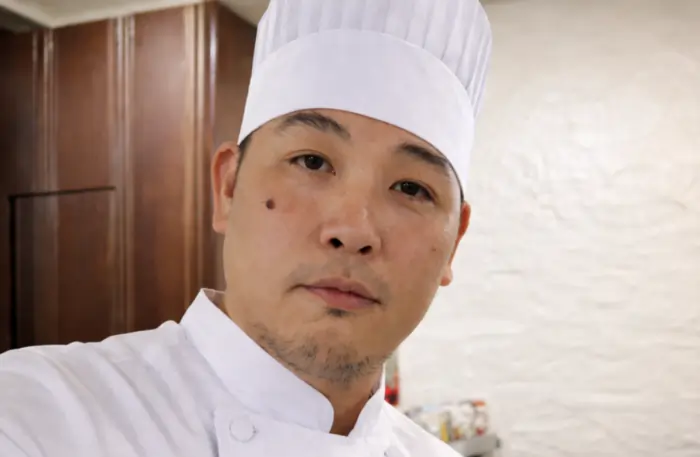
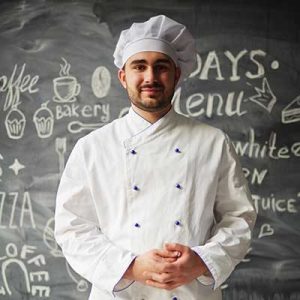
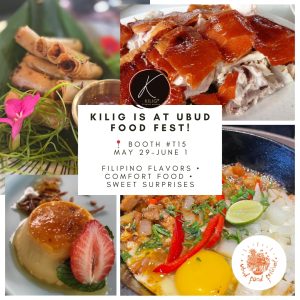
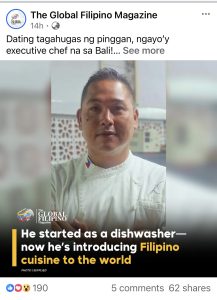
Chef Juan Gadi brings the heart of Filipino hospitality to Ubud, Bali. As an Executive Chef and consultant, he specializes in creating intimate, curated dining experiences that tell a story through every dish. Whether leading the kitchen at Kilig Filipino Warung or hosting a private villa dinner, Chef Juan’s approach is defined by warmth, modern technique, and a commitment to culinary excellence.