
Feeling of Sharing Food With Someone Special Key Takeaways
The feeling of sharing food with someone special is one of the most profound ways humans connect—it blends biology, culture, and emotion into a single, memorable act.
- Sharing meals triggers oxytocin release, deepening trust and closeness—this is the core of the feeling of sharing food with someone special .
- Food becomes a language of care: cooking for someone is one of the oldest expressions of love, turning everyday ingredients into meaningful meals .
- Cultural traditions like communal eating, especially in Filipino food culture , reinforce belonging and strengthen food and love connection across generations.

Why the Feeling of Sharing Food With Someone Special Matters
We have all felt it—that quiet warmth that settles in when you pass a plate to someone you care about. The feeling of sharing food with someone special is not just a romantic notion; it is a biological and psychological reality. From the first communal fire to the modern dinner table, eating together has always been about more than calories. It is how we say “I see you, I trust you, and I want to nourish you.”
As an executive chef working in the heart of Ubud, Bali, I have watched this dynamic play out nightly. Couples leaning closer over a bowl of Kilig’s sinigang. Families passing plates of adobo across a long table, laughter filling the space between bites. Friends sharing lumpia and stories until the candles burn low. The dining together psychology is universal, and yet it feels uniquely personal every time. For a related guide, see Why Kilig Bali Deserves a Spot on Your Ubud Food List.
The Science Behind Shared Meals Bonding
When we eat together, our brains release oxytocin—often called the “bonding hormone” or “love hormone.” This chemical reaction is the same one that strengthens the bond between a mother and child or between romantic partners. The shared meals bonding experience is literally hardwired into our biology. Eating synchronizes us: our movements mirror each other, our heart rates align, and our sense of trust increases. For a related guide, see How Meaningful Meals Bring People Closer Together.
Studies in dining together psychology show that people who share meals regularly report higher levels of happiness and relationship satisfaction. This is not a coincidence. When we eat with someone, we are vulnerable—chewing, swallowing, tasting—and that vulnerability invites closeness. The social bonding food provides acts as a catalyst, turning an ordinary dinner into a foundation for lasting connection.
What Emotions Are Connected to Shared Meals?
Emotional eating experiences range from comfort and nostalgia to excitement and gratitude. A dish like your grandmother’s Pancit can evoke a flood of childhood memories, while a carefully plated dessert on a date night can spark joy and anticipation. The food and relationships dynamic is emotional by nature because food is tied to our earliest experiences of being cared for.
In my work at Kilig Filipino Warung, I see guests experience a range of emotions when they taste dishes that remind them of home. One guest might tear up over a spoonful of adobo; another might laugh with delight at a new flavor. These emotional eating experiences are what make dining together unforgettable.
How Shared Meals Strengthen Relationships
Think about your most cherished memories with loved ones. Chances are, many of them involve food. A birthday dinner, a holiday feast, a spontaneous picnic. The feeling of sharing food with someone special becomes a memory anchor—a tangible moment you can return to again and again. The act of preparing and sharing food is one of the most powerful relationship bonding activities we have.
When you cook for someone, you are giving them your time, attention, and intention. That is why meaningful meals feel so significant. The ingredients themselves become symbols of care: the pinch of salt added with thought, the garnish placed with precision, the dish served at the perfect temperature. These small gestures communicate love more clearly than words ever could.
The Role of Hospitality and Food
In Filipino culture, hospitality is everything. The phrase “Kain tayo!” (Let’s eat!) is an invitation that goes beyond food—it is an invitation into someone’s life. Hospitality and food are inseparable. When I host a private villa dinner in Bali, I bring that same philosophy: every guest is family, and every dish is an act of welcome. The communal eating traditions of the Philippines, where dishes are placed in the center of the table for everyone to share, create a natural sense of unity and belonging. For a related guide, see 10 Filipino Family Food Traditions Seen in Bali.
Romantic Meals and Emotional Intimacy
Romantic meals are memorable not just because of the food, but because of the presence. When two people sit across from each other, sharing a carefully prepared meal, the world outside fades. The conversation deepens. Eye contact lingers. The food and love connection becomes palpable. I have designed countless romantic dinners at private villas in Ubud, and the formula is always the same: intentional food + undivided attention = emotional intimacy.
The feeling of sharing food with someone special in a romantic context is amplified by the atmosphere—candlelight, soft music, the aroma of a dish that took hours to perfect. But the real magic is in the act of feeding each other, whether literally or symbolically. It is an ancient gesture of trust and affection.
Why Do Couples Bond Over Eating Together?
Couples bond over eating together because it creates a shared experience that requires cooperation and presence. Deciding what to eat, cooking together, and then enjoying the meal creates a rhythm of teamwork. The dining together psychology explains that sharing food releases dopamine and oxytocin simultaneously, reinforcing feelings of pleasure and connection. It is no wonder that date nights often revolve around dining.
Cultural Traditions and Family Dining Culture
Across the globe, family dining culture takes many forms, but the emotional outcome is the same: belonging. In my own Filipino heritage, communal eating traditions are the heartbeat of family life. Every Sunday, extended families gather around a table laden with adobo, sinigang, lechon, and Pancit. The meal stretches for hours, filled with stories, arguments, laughter, and reconciliation. These meaningful meals build an emotional safety net that holds families together through good times and bad.
When I cook for guests in Bali, I bring this tradition to the table. I watch as strangers become friends over a shared bowl of kinilaw, or as a quiet couple opens up to each other over a plate of crispy pata. The food and love connection transcends culture—it is a universal language.
Comfort Foods and Emotional Ties
Comfort foods like Adobo or Pancit are more than just recipes—they are emotional anchors. The emotional eating experiences tied to these dishes are powerful because they are tied to memory. A single bite can transport you back to your grandmother’s kitchen, to a childhood birthday, or to a moment of healing after a difficult day. The eating together benefits of comfort food are amplified when shared, because the person across the table becomes part of that memory.
Useful Resources
For more on the psychology of shared meals and cultural dining traditions, explore these resources:
- The Psychology of Eating Together – Psychology Today
- How Sharing a Meal Builds Community and Trust – NPR
Frequently Asked Questions About Feeling of Sharing Food With Someone Special
Why does sharing food with someone special feel meaningful?
Sharing food taps into our primal need for connection. The feeling of sharing food with someone special feels meaningful because it combines nourishment with trust, care, and shared experience, all of which strengthen emotional bonds.
What emotions are connected to shared meals?
Emotional eating experiences connected to shared meals include joy, gratitude, nostalgia, comfort, and love. The presence of another person amplifies these emotions, making the meal memorable.
How does food strengthen relationships?
Food and relationships are linked through acts of care and shared rituals. Preparing and eating food together creates cooperation, vulnerability, and positive associations that deepen trust and affection.
Why do couples bond over eating together?
Couples bond over eating together because the dining together psychology involves synchronization of movements and hormone release, especially oxytocin, which promotes closeness and emotional intimacy.
What is the psychology behind shared dining experiences?
The dining together psychology shows that eating together reduces stress, increases trust, and enhances communication. Shared meals create a safe space for connection and bonding.
How does eating together affect emotional connection?
Eating together affects emotional connection food dynamics by releasing oxytocin and dopamine, which foster feelings of love, trust, and happiness. This makes the relationship feel closer and more secure.
Why are romantic meals more memorable?
Romantic meals are more memorable because they combine sensory pleasure—taste, aroma, ambiance—with emotional presence and focus, creating a vivid, lasting experience.
How does culture influence shared eating traditions?
Culture shapes communal eating traditions like family-style meals, which naturally encourage sharing and conversation, reinforcing social bonds and a sense of belonging.
What makes food a symbol of love and care?
The food and love connection is built on the act of nourishing another person. When food is prepared with intention, it becomes a tangible expression of affection and thoughtfulness.
How do shared meals improve relationships?
Shared meals improve relationships by providing a regular opportunity for connection, conversation, and shared joy. The eating together benefits include reduced conflict and increased empathy.
Why do people prefer eating with others instead of alone?
People prefer eating with others because social bonding food experiences trigger positive emotions and reduce loneliness. Eating together is a deeply ingrained social ritual that satisfies our need for belonging.
What role does food play in social bonding?
Social bonding food plays a central role in human relationships by creating shared rituals, fostering cooperation, and providing a sensory experience that cements memories and connections.
How does hospitality relate to sharing food?
Hospitality and food are inseparable in many cultures. Offering food is a universal gesture of welcome and generosity, and it sets the stage for deepening relationships.
Why are family meals important for emotional connection?
Family dining culture provides a regular anchor for connection. Family meals create consistency, open communication, and shared memories that strengthen emotional ties across generations.
How do shared dining experiences create lasting memories?
Meaningful meals create lasting memories because they combine sensory input—taste, smell, sight—with emotional presence, making the moment vivid and easy to recall later.
What is the best way to create a meaningful shared meal?
Focus on intention: choose a dish that matters to you or your guest, set the table with care, and be fully present. The feeling of sharing food with someone special grows from genuine attention.
Can sharing food help repair a strained relationship?
Yes, sharing a meal can lower defenses and open the door to honest conversation. The food and love connection offers a neutral, nurturing space that can ease tension and rebuild trust.
Why is Filipino food culture so community-focused?
Filipino food culture emphasizes communal eating traditions because the culture values bayanihan (community spirit) and family above all. Meals are a celebration of togetherness.
What dishes are best for sharing with someone special?
Dishes that are meant to be passed, dipped, or scooped—like Pancit, adobo, lumpia, or a shared dessert—naturally encourage interaction and the feeling of sharing food with someone special.
How can I make a simple meal feel special?
Focus on presentation, ambiance, and presence. Light a candle, use your best plates, and give your full attention. The emotional eating experiences come from the intention, not the complexity.
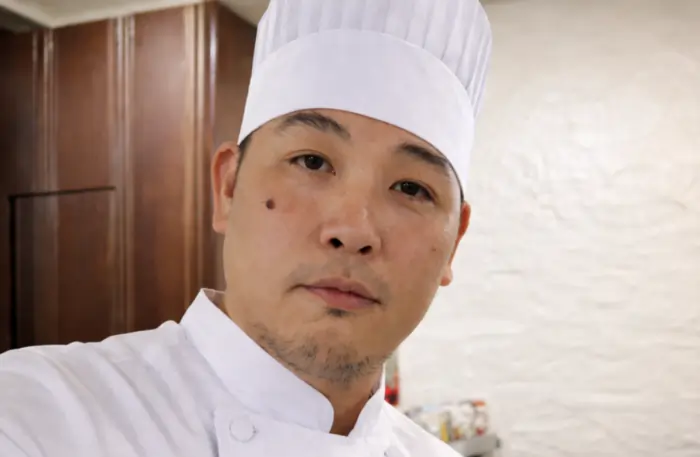
Chef Juan Gadi brings the heart of Filipino hospitality to Ubud, Bali. As an Executive Chef and consultant, he specializes in creating intimate, curated dining experiences that tell a story through every dish. Whether leading the kitchen at Kilig Filipino Warung or hosting a private villa dinner, Chef Juan’s approach is defined by warmth, modern technique, and a commitment to culinary excellence.