

Why Travelers Remember Feelings More Than Places Key Takeaways
Science and experience agree: why travelers remember feelings more than places comes down to how the brain encodes emotion and sensory detail over visual landmarks.
- Why travelers remember feelings more than places is rooted in the brain’s prioritization of emotional and sensory data over static scenery.
- Emotional travel experiences (shared meals, unexpected kindness, nostalgic scents) create deeper neural imprints than iconic viewpoints.
- Practical strategies — from embracing novelty to journaling — help you both create and preserve meaningful travel moments for life.

The Dish That Unlocked a Decade
I was standing over a smoking wok in my Ubud kitchen, the sharp sweetness of caramelizing palm sugar hitting my nose, when it happened. I was suddenly 12 years old again, barefoot in my grandmother’s backyard in Pampanga, watching her scrape the same sugar from a clay pot. The smell, the heat, the way my fingers tingled with anticipation — the emotional travel experiences of childhood flooded back, stronger than any photograph in my phone. That moment confirmed everything I believe about travel memories psychology: the brain does not store destinations as crisp images. It stores feelings.
This is not poetic license. It is neuroscience. And it is the reason I build every menu at Kilig Filipino Warung and every private villa dinner around one goal: making people feel something they will never forget.
How the Brain Encodes Why Travelers Remember Feelings More Than Places
The memory and emotion brain connection is orchestrated by the amygdala, a small almond-shaped region that tags experiences with emotional significance before the hippocampus even begins to file the details. When you taste something unfamiliar, laugh with a stranger, or feel awe at a sunset, the amygdala sends a signal: save this. The stronger the emotion, the more vivid the encoding.
Why travelers remember feelings more than places becomes clear when we look at tourism psychology research. Visual memories of landmarks fade or become interchangeable — think of the hundreds of identical church bell towers in Europe. But the feeling of tasting durian for the first time, the shock of a monsoon rain hitting your skin, the warmth of a host who invited you into their home — those persist because they are tied to emotion and novelty.
The Novelty Factor in Unforgettable Trips
The brain is wired to pay attention to newness. Unforgettable trips are rarely those spent doing familiar things. Novelty triggers dopamine release, which enhances memory consolidation. That is why a dish you have never tasted, a spice you cannot name, or a cooking technique you have never seen can become the anchor of a whole journey. In my kitchen, I see it every night: guests who come for the food leave with a story about the person who cooked it, not just the plate.
Sensory Memory Travel: Smells, Sounds, and the Taste of a Place
Sensory memory travel is the most direct route to recall. The olfactory bulb — which processes smell — sits right next to the amygdala and hippocampus. That is why the scent of grilled fish can transport you to a beach in Thailand before you even picture the turquoise water. When I cook, I think about nostalgia travel. I build dishes that make Balinese guests remember their grandmother’s lawar and Filipino diners recall the merienda table of their childhood.
Sound works the same way. The crackle of a street-side lechon skin, the rhythm of a mortar and pestle crushing lemongrass, the hum of a night market — these auditory cues unlock meaningful travel moments that visual memory alone cannot. The brain stores these as memories that feel alive, not like a photograph on a wall.
Why Emotional Tourism Overpowers Scenic Tourism
Emotional tourism — trips driven by human connection, personal growth, or cultural immersion — generates recall that lasts for decades. Meanwhile, a purely scenic trip (think: bus tour, photo stop, bus tour) is often forgotten within months. The reason lies in travel and emotion connection studies from the field of psychology of tourism. Scene-only travel produces passive or low-arousal states. Emotional travel involves active engagement: learning, laughing, overcoming discomfort, making a friend. These require the brain to work, which means the memory sticks.
Shared Travel Experiences and the Culture of Memory
The most potent shared travel experiences are often the simplest ones. I have seen groups of strangers become friends over a family-style kamayan feast, hands reaching into the same banana leaf, laughing at the mess. Cultural travel experiences that involve participation — cooking alongside a local chef, learning a folk dance, bargaining at a market — leave neural traces that solo sightseeing cannot match.
Why do shared travel moments become lasting memories? Because emotions are amplified by social presence. The brain’s mirror neuron system activates empathy and shared joy, strengthening the encoding for everyone involved. When you travel with someone and share a memorable journey together, the memory becomes layered: your feeling, their reaction, the collective energy. That is why I encourage guests to bring loved ones to my dining table. Food tastes better when you are sharing the wonder — and you are far more likely to remember it. For a related guide, see How Beautiful Dining Moments Create Lasting Emotions.
How Relationships Shape Travel Memories and Create Stories
Travel storytelling is born from relational moments. The guide who told you about his village. The stranger who shared her umbrella in a downpour. The grandmother who taught you to fold lumpia. These relationships become the spine of the story you tell later. They answer the question: why do certain trips stay in your mind for years? Because you were not just a tourist — you were a temporary part of someone else’s life.
Practical Ways to Create and Preserve Meaningful Travel Moments
Understanding why travelers remember feelings more than places is powerful knowledge. Here is how to use it:
1. Seek Emotional Encounters Over Photo Opportunities
Before you book an activity, ask: Will this make me feel something? Choose a cooking class over a bus tour. Volunteer for a morning. Attend a local festival. The emotional high produces better neural encoding.
2. Use Sensory Anchors
Buy a spice you have never tried. Learn three words in the local language. Let the sounds and smells of a place wash over you without reaching for your phone. These cues will become keys that unlock the memory later.
3. Journal the Feeling, Not the Itinerary
Write down how you felt during the day, not what time you arrived. This reinforces the travel and emotion connection in your brain and makes recall stronger.
4. Travel with Intention to Share
Plan trips with loved ones or join group activities where connection is built-in. Shared travel experiences have a multiplier effect on memory strength.
5. Embrace Novelty — Especially in Food
Try dishes that intimidate you. Let the chef choose. Nostalgia travel is beautiful, but new flavors create new memories. Every time I introduce a Filipino ingredient to a Balinese guest — like bagoong or calamansi — I see the moment their brain opens a new memory file.
Why Every Traveler Should Care About This
I have watched people scroll through hundreds of photos on their phone and realize they barely remember the views. But they remember the taste of the soup that cured their cold in a homestay, the sound of a vendor singing, the feeling of someone’s hand on their shoulder when they said welcome. That is why travelers remember feelings more than places. It is not a flaw of memory — it is its highest function. Feelings are the true souvenirs. They do not fade, they do not get deleted, and they can be evoked with a single scent or a single bite.
As an Executive Chef in Ubud, my job is not to serve food. It is to serve memorable journeys on a plate. Every dish at Kilig Filipino Warung is a love letter to the idea that taste, smell, and shared laughter create cultural travel experiences no camera can capture. When you leave my table, you will not remember every garnish. But you will remember how you felt. And that is the meal that lasts. For a related guide, see 11 Ways Food Creates Emotional Travel Memories.
Useful Resources
To dive deeper into the psychology of tourism and how emotion shapes memory, explore these resources:
- Psychology Today: Memory and Emotion — A comprehensive overview of how the brain encodes, stores, and retrieves emotional memories.
- International Society of Tourism Psychology — Academic research on memory, place attachment, and emotional travel experiences.
Frequently Asked Questions About Why Travelers Remember Feelings More Than Places
Why do travelers remember emotions more than destinations?
Because the amygdala, which processes emotion, tags experiences as important before the hippocampus stores them. Emotional events get priority encoding, making feelings more retrievable than neutral visual details.
How does memory work during travel experiences?
Travel memories are formed through a process called consolidation, where the hippocampus integrates sensory inputs (smell, sound, touch) with emotional tags from the amygdala. Novelty and emotion strengthen this process.
What makes travel memories so emotional?
Travel is rich in novelty, sensory input, and human connection — all of which trigger strong emotional responses. The brain prioritizes these high-arousal moments for long-term storage.
Why are feelings stronger than visuals in memory recall?
Visual memory fades quickly because the brain does not attach survival value to static images. Feelings, however, are linked to behavioral responses and social bonding, making them more durable.
How does the brain store travel experiences?
The brain stores travel experiences as distributed networks: visual details in the occipital lobe, sounds in the temporal lobe, and emotions in the limbic system. Retrieval is strongest when a sensory cue activates the emotional component.
Why do some trips feel unforgettable?
Trips that involve intense emotion — joy, awe, surprise, even discomfort — create stronger neural connections. High novelty and social connection further cement them as unforgettable.
What role do emotions play in tourism memories?
Emotions act as a filter and amplifier. They determine which moments are stored and how vividly they are recalled. Positive emotions like wonder or gratitude make memories feel richer and more meaningful.
How does novelty affect memory formation?
Novelty triggers dopamine release in the brain, which enhances attention and memory consolidation. New experiences — especially new tastes, sounds, or social settings — are encoded more deeply.
Why do people remember experiences instead of details?
The brain uses gist-based memory: it stores the emotional essence of an experience rather than a perfect record of details. This is an evolutionary efficiency — feelings guide future behavior more reliably than exact facts.
How do shared travel moments become lasting memories?
Shared experiences activate the brain’s mirror neuron system, which amplifies emotional resonance. Social bonding releases oxytocin, further strengthening the memory trace for all participants.
Why do smells and sounds trigger travel memories?
The olfactory bulb and auditory cortex have direct connections to the amygdala and hippocampus, bypassing the thalamus. This is why a smell or sound can instantly bring back a powerful feeling.
How does culture influence memory of places?
Cultural immersion activates deeper encoding because it requires active learning and emotional adaptation. Participating in rituals, tasting local food, or learning customs creates layered, meaningful memories.
What makes emotional experiences more memorable than scenery?
Scenery is passive and often low-arousal. Emotional experiences involve interaction, surprise, and personal meaning — all of which recruit more brain regions and produce denser memory networks.
How do relationships shape travel memories?
Relationships add a social-emotional layer to memories. The brain stores not just the event but the person’s reactions, conversations, and shared laughter, making the memory multidimensional.
Why do certain trips stay in your mind for years?
Trips that combined emotion, novelty, sensory richness, and human connection create what neuroscientists call flashbulb memories — vivid, detailed, and long-lasting, even if the destination itself is ordinary.
Can food really trigger travel memories?
Yes. Taste and smell are the most potent memory triggers because they connect directly to emotional brain centers. A single bite can unlock a full travel scene with remarkable clarity.
What is the best way to preserve travel memories?
Journal the emotions you felt, collect sensory souvenirs (spices, fabrics, music), and share your stories aloud. These actions reinforce the emotional encoding and make recall easier over time.
How can I create more memorable travel experiences?
Prioritize activities that engage your senses and emotions: cooking classes, homestays, volunteering, or meeting locals. Avoid passive tours. Let yourself be surprised and vulnerable.
Why do some people forget entire trips?
If a trip lacked emotional highs, novelty, or deep sensory engagement, the brain treats it as low-priority data and may not consolidate it into long-term memory. Routine travel often fades.
How does nostalgia travel affect memory?
Nostalgia travel reactivates old emotional networks, strengthening them and sometimes creating new associations. Returning to a place with a different emotional state can deepen or transform the original memory.
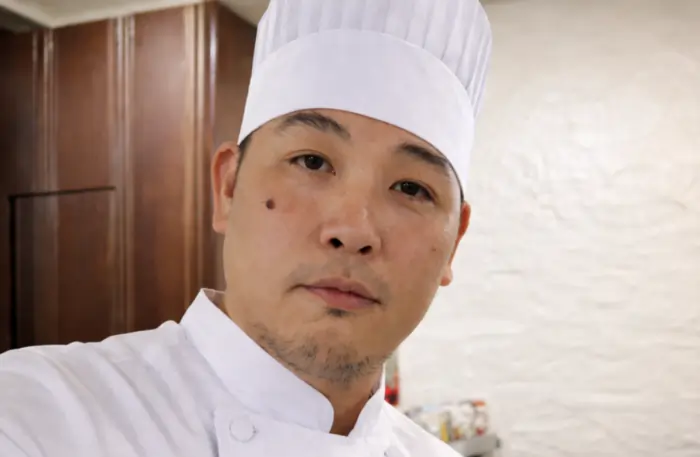
Chef Juan Gadi brings the heart of Filipino hospitality to Ubud, Bali. As an Executive Chef and consultant, he specializes in creating intimate, curated dining experiences that tell a story through every dish. Whether leading the kitchen at Kilig Filipino Warung or hosting a private villa dinner, Chef Juan’s approach is defined by warmth, modern technique, and a commitment to culinary excellence.