

Small Details That Make Dinners Feel Special Key Takeaways
In my years as a chef and hospitality consultant in Ubud, I’ve seen that the most beloved dinners are built on layers of intentional detail.
- Small details that make dinners feel special include lighting, table setting, music, food presentation, and hospitality gestures that engage all five senses.
- Psychological research shows that atmosphere, sound, and visual beauty directly influence how we taste food and remember a meal.
- Anyone can elevate a home dinner using simple, intentional techniques—no luxury budget required.

What Makes a Dinner Truly Memorable? Understanding the Psychology Behind Small Details That Make Dinners Feel Special
We’ve all had that one meal that stays with us. Maybe it was a beachside dinner in Bali with the waves as your soundtrack, or a quiet home-cooked meal where the host remembered your favorite wine. The emotional dining experience is rarely about the cost of ingredients. It’s about the dining atmosphere psychology—how the environment shapes our emotions and deepens our connection to the food and the people around us. When we talk about small details that make dinners feel special, we are really talking about designing a moment that honors both the meal and the guest. For a related guide, see 12 Small Dining Details That Create Kilig Moments.
In my years as a chef and hospitality consultant in Ubud, I’ve seen that the most beloved dinners are built on layers of intentional detail. These hospitality details signal to your guests that they are cared for. They slow down time and create an intimate meal experience. Whether you are planning a romantic dinner setup for an anniversary or a home dinner ideas gathering for friends, the same principles apply. Let’s explore the twelve most powerful details you can start using tonight.
1. Lighting Sets the Emotional Temperature: The Power of Candlelight Dinner Atmosphere
Few things transform a space faster than light. Harsh overhead lights create a clinical, rushed feeling. Warm, dim lighting—especially candlelight—signals relaxation, intimacy, and safety. The dinner mood lighting you choose directly affects heart rate and mood. Studies in dining atmosphere design show that warm light makes food appear more appetizing and encourages people to eat more slowly and talk more openly.
For a romantic dinner atmosphere, place candles at different heights on the table. Use a mix of pillar candles and tea lights. If you are outdoors, a single string of warm fairy lights can work wonders. The key is to layer light sources and avoid any bulb above 2700 Kelvin. Your guests will feel it immediately—shoulders drop, voices soften, and the meal becomes a ceremony.
2. The Table Is Your Stage: Table Setting Ideas That Signal Care
A table setting aesthetics isn’t about perfection—it’s about intention. Even a simple dinner becomes an event when the table is set with thought. Use a tablecloth or runner to define the space. Fold napkins with a simple, elegant crease. Place a small seasonal centerpiece—a sprig of rosemary in a ceramic vase, a single flower, or a few citrus slices. These table setting ideas tell your guests, “You are worth this effort.”
For home dinner ideas, you don’t need expensive china. Mixing textures—linen napkins, wooden boards, ceramic plates—creates a rich, curated look. The visual harmony of the table is one of the most overlooked hospitality details. When the table is beautiful, guests feel honored before they even taste the food.
3. Curating the Soundscape: Music for Dinner Mood
Sound is a powerful but often forgotten element of the sensory food experience. The wrong music can make a dinner feel chaotic or sterile. The right music and dining ambiance can elevate the entire evening. Studies in restaurant ambiance design reveal that slower tempo music encourages longer, more relaxed meals and higher spending in restaurants.
For a romantic dinner setup, choose acoustic instrumental music—soft jazz, classical guitar, or ambient world music. The volume should be low enough that conversation remains effortless. For a lively family dinner, choose upbeat but unobtrusive tracks. Avoid songs with strong emotional memories attached to other people, unless you want to invite that specific memory into the room. The music for dinner mood is the invisible host of the evening.
4. First Bite Tease: Food Plating Presentation as a Promise
Before any food touches your guests’ lips, their eyes have already taken the first bite. Aesthetic food presentation signals the care and quality of the meal. Food presentation impact is well-documented: beautifully plated food is perceived as tastier and more satisfying. You don’t need to be a chef to plate well. Simple culinary presentation techniques—wiping the rim of the plate, using a squeeze bottle for sauce, stacking ingredients rather than scattering them—can instantly elevate your dish.
For special dinner ideas, focus on color contrast and negative space. A bright green herb oil on a white plate, or a golden sear on a piece of fish against a dark slate board, creates visual drama. These small details that make dinners feel special communicate that every component matters.
5. Scent as a Welcome: Creating an Emotional Dining Experience
Smell is the most direct route to memory and emotion. Before a guest sits down, the scent of the room sets the stage. A clean, inviting aroma—slightly herbal, slightly warm—prepares the palate. Avoid competing smells like strong air fresheners or burnt cooking oil. Instead, let the aroma of the cooking itself become part of the emotional dining experience.
I often place a small bundle of lemongrass or pandan leaves in the entrance of my dinner space in Ubud. This subtle sensory dining enhancement signals that a unique, personal experience awaits. The food and emotion connection begins in the nose. When the scent of the meal greets guests as they arrive, they feel anticipated and welcomed.
6. Personal Hospitality: Guest Experience Tips That Build Connection
True hospitality is not about formality—it is about seeing your guest. One of the most powerful hospitality details is the personal touch: remembering a guest’s dietary preference without being reminded, offering a warm towel before a spicy meal, or serving a small amuse-bouche that reflects their taste. These emotional hospitality moments are the backbone of hospitality experience design.
As Chef Juan Gadi, I always greet my guests at the door by name. I ask about their day before I talk about the food. I listen. This simple act of guest experience tips shifts the evening from a transaction to a relationship. Whether you are a restaurant owner or a home cook, the single most important ingredient is genuine attention.
7. The Ritual of the First Pour: Romantic Meal Setup and Shared Gestures
How a meal begins matters. The first pour of water, wine, or tea is a gesture of care. Offering the first glass with both hands, or pouring for your guest before yourself, creates a rhythm of generosity. For a romantic meal setup, this is especially powerful. It signals that the evening is about giving, not taking.
These shared dining experience rituals—like waiting for everyone to be served before eating, or making the first toast—create a sense of unity. They slow down the pace and allow gratitude to surface. In my private villa dinners, I always begin by thanking my guests for their presence. That moment of pause is one of the small details that make dinners feel special and stay in memory. For a related guide, see 12 Catering Details Guests Always Remember Most.
8. Temperature and Texture Contrast: Food Experience Enhancement Through Technique
Great dinners engage the palate through contrast. A warm soup served in a cold bowl, or a crisp cracker paired with a silky mousse, creates a sensory thrill. Food experience enhancement is often a matter of engineering contrasts: hot and cold, crunchy and creamy, acidic and fatty. These contrasts prevent palate fatigue and keep the meal exciting.
For dinner presentation that excites, think about the texture of each component. A sprinkle of flaky salt adds a burst of crunch. A drizzle of olive oil adds silkiness. These dining ambiance tips cross over from visual to tactile pleasure, making the sensory dining experience complete.
9. Memory Triggers: Why Memorable Meals Include Storytelling
The food itself can be a storyteller. When I serve a dish inspired by my grandmother’s kitchen in the Philippines, I share that story with my guests. I tell them about the smell of the firewood, the sound of the river, the laughter around the table. This storytelling weaves the food and emotion connection directly into the present moment.
Psychologists refer to this as memorable meal psychology: we remember events that are emotionally tagged. When you serve a special dinner ideas dish, give it context. Tell your guests why you chose it, where you learned it, or how it reminds you of a cherished travel memory. These travel dining memories become shared treasures. The dinner becomes more than food—it becomes a story they will tell others.
10. The Power of Silence and Pause: Intimate Meal Experiences Without Rush
In our fast world, lingering is a luxury. One of the most underestimated intimate meal experiences is the gift of time. Do not rush the courses. Leave space between bites. Allow comfortable silence. This creates a dining atmosphere design that feels unhurried and generous.
For a romantic dinner setup or a meaningful family gathering, consider a set menu that naturally paces the evening. Serve a small appetizer, then clear the plates. Wait ten minutes before the main course. This rhythm gives guests time to connect. The dinner aesthetics of pacing—the breathing room—is one of the most luxurious gifts you can offer.
11. Small Surprises: Fine Dining Details That Delight Without Warning
Unexpected moments create the strongest memories. A small amuse-bouche before the meal, a handwritten note on the napkin, a tiny dessert with a candle—these fine dining details surprise the guest and show that you thought ahead. Surprise triggers dopamine, making the experience feel special and personal.
In my work, I often include a pre-dinner palate cleanser—a ginger and calamansi sorbet—served in a mini ceramic cup. This simple gesture turns the home dinner ideas into a curated event. For restaurant owners and event planners, these lifestyle dining experiences are what generate repeat visits and word-of-mouth praise. A surprise does not need to be expensive. It just needs to be thoughtful.
12. The Closing Blessing: Ending the Meal with Gratitude
How a dinner ends is as important as how it begins. After the last plate is cleared, a moment of thanks—from the host to the guests, or from the chef to the table—seals the experience. This emotional dining experience finale anchors the evening in gratitude and connection.
I always walk my guests to the door, thank them by name, and invite them to return. This act of hospitality experience design closes the loop. The small details that make dinners feel special end with a gesture that says, “I am honored you were here.” For any host, chef, or hospitality professional, this last moment is non-negotiable.
Useful Resources
For deeper insight into the psychology of dining ambiance and emotional food connections, explore these trusted sources:
- ScienceDirect – Atmosphere and Eating Behavior – Academic overview of how environmental cues influence food intake and enjoyment.
- BBC Future – How to Enjoy Food More – Practical advice on sensory eating and the science behind mindful dining.
Frequently Asked Questions About Small Details That Make Dinners Feel Special
Small details that make dinners feel special are not about perfection—they are about intention. Whether you are a home cook preparing a weeknight meal, a hospitality professional designing a guest experience, or a couple planning a romantic dinner setup, the same truth applies: the smallest gesture, the softest light, the warmest welcome can transform a meal into a memory. Tonight, choose one detail from this list and give it your full attention. Your guests will feel the difference. And you will too.
Frequently Asked Questions About Small Details That Make Dinners Feel Special
What small details make dinners feel special?
Thoughtful lighting, a curated table setting, low-volume music, food plating presentation, personal welcome gestures, scent, pacing, and a closing gratitude moment are the most impactful small details that make dinners feel special.
How does atmosphere affect dining experiences?
Atmosphere influences perception of taste, pace of eating, emotional openness, and memory retention. A well-designed dining atmosphere design can make a simple meal feel luxurious and intimate.
Why do people remember special meals?
Memories are tied to emotion and sensory detail. Meals that engage sight, sound, smell, touch, and taste, and that include meaningful human connection, create stronger, longer-lasting memory traces—this is the core of memorable meal psychology.
What makes a dinner feel romantic or meaningful?
Intimacy comes from attention to detail: warm lighting, personal music, unhurried pacing, eye contact, and small gestures like a handwritten note or a shared toast. These are the hallmarks of a romantic dinner setup.
How does lighting change the dining mood?
Warm, dim lighting relaxes the nervous system and makes food appear richer. It encourages slower eating and deeper conversation. Dinner mood lighting is one of the fastest ways to transform a space.
What role does presentation play in food experience?
Presentation sets expectations and primes the brain for flavor. A beautifully arranged plate signals care and quality, enhancing the overall sensory food experience.
How do sounds and music affect dinner ambiance?
Sound influences eating speed, mood, and perceived taste. Soft, slow music encourages relaxation and connection. Upbeat or loud music can rush the meal. Music and dining ambiance is a powerful but subtle tool.
Why do shared meals feel more emotional with small touches?
Small touches signal thoughtfulness and care. They make guests feel seen and valued, deepening the emotional bond between people. These hospitality details turn a meal into a relationship.
What table settings make dining more special?
Natural materials (linen, wood, ceramic), layered lighting (candles + soft lamp), fresh greenery, and intentional spacing of place settings all contribute to a table setting aesthetics that elevates the meal.
How does hospitality improve dining experiences?
Hospitality makes guests feel safe, welcome, and attended to. It includes verbal welcome, remembering preferences, and warm farewells. Guest experience tips like these are the foundation of hospitality experience design.
Why do simple meals feel luxurious sometimes?
Simplicity becomes luxurious when executed with precision and intention. A perfectly cooked egg on good bread with fine salt can feel decadent if the setting, company, and presentation are elevated. This is the magic of sensory dining.
What sensory details enhance food enjoyment?
Visual beauty of the plate, ambient sound, room scent, temperature contrasts, and tactile feel of tableware all contribute. These are the key elements of sensory dining enhancement.
How do restaurants create memorable dining moments?
Through intentional restaurant ambiance design, surprise courses, warm service, personal storytelling, and attention to the guest’s comfort and preferences. The best fine dining details are invisible until they’re missed.
What makes home dinners feel special?
The same principles that make fine dining memorable apply at home: lighting, table setting, pacing, personal welcome, and a moment of gratitude. The home dinner ideas that succeed are the ones built on emotional connection.
How do small gestures during meals create lasting memories?
Gestures like filling a glass without being asked, lighting a candle just for the guest, or offering a small take-home treat create feelings of being valued. These emotional hospitality moments become story-worthy memories.
What is the best lighting for a romantic dinner?
Warm candles, dimmable lamps, and fairy lights at eye level or below create a flattering, intimate glow. Avoid direct overhead lights. A candlelight dinner atmosphere is the gold standard.
Can tableware affect how food tastes?
Yes. Weight, color, and texture of plates and utensils influence perception of taste and quality. Heavier plates feel more luxurious. White plates enhance color contrast. This is a key principle of table setting aesthetics.
What is the role of scent in a dining experience?
Scent triggers memory and appetite. A clean, aromatic room—from cooking smells or a subtle natural scent—prepares the guest emotionally and physically. Scent is a foundational part of emotional dining experience.
How does a chef’s personal story affect the meal?
Hearing the story behind a dish creates context and emotional resonance. It connects the guest to the culture, the chef, and the ingredients. This is the heart of food and emotion connection in fine dining.
What is the most important small detail for a memorable dinner?
Presence. The host or chef being fully present—without hurry or distraction—is the single most powerful detail. It makes everything else feel genuine. That is the true meaning of hospitality details.
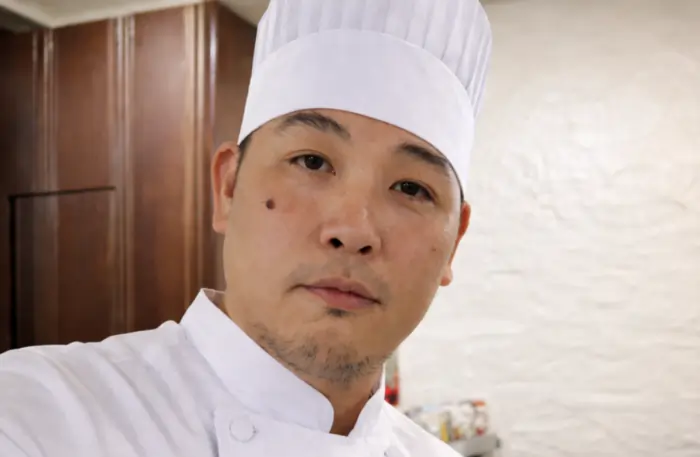
Chef Juan Gadi brings the heart of Filipino hospitality to Ubud, Bali. As an Executive Chef and consultant, he specializes in creating intimate, curated dining experiences that tell a story through every dish. Whether leading the kitchen at Kilig Filipino Warung or hosting a private villa dinner, Chef Juan’s approach is defined by warmth, modern technique, and a commitment to culinary excellence.