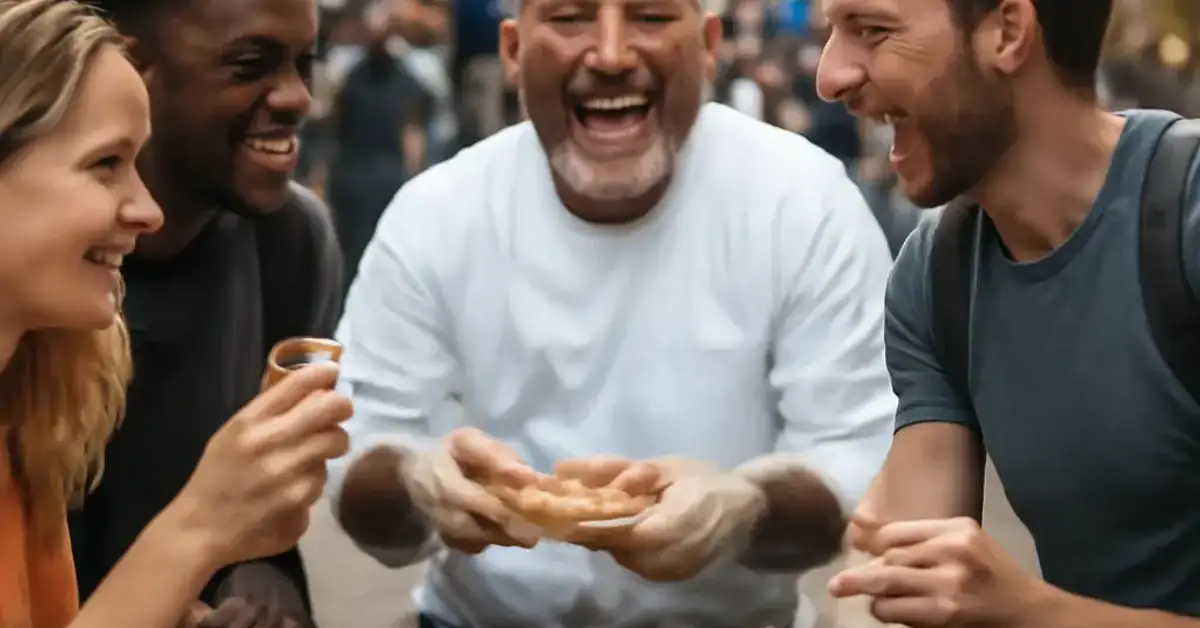
Heartwarming Food Moments Travelers Never Forget Key Takeaways
Travel has a way of etching meals into memory—not because of Michelin stars, but because of the people, the place, and the story behind the dish.
- Heartwarming food moments travelers never forget are rooted in genuine human connection, not fancy décor.
- Simple, locally prepared meals often create the deepest emotional dining travel memories .
- Shared meals with strangers can become lifelong bonds, proving that food is the universal language of hospitality.
What Makes a Food Moment Truly Unforgettable for Travelers?
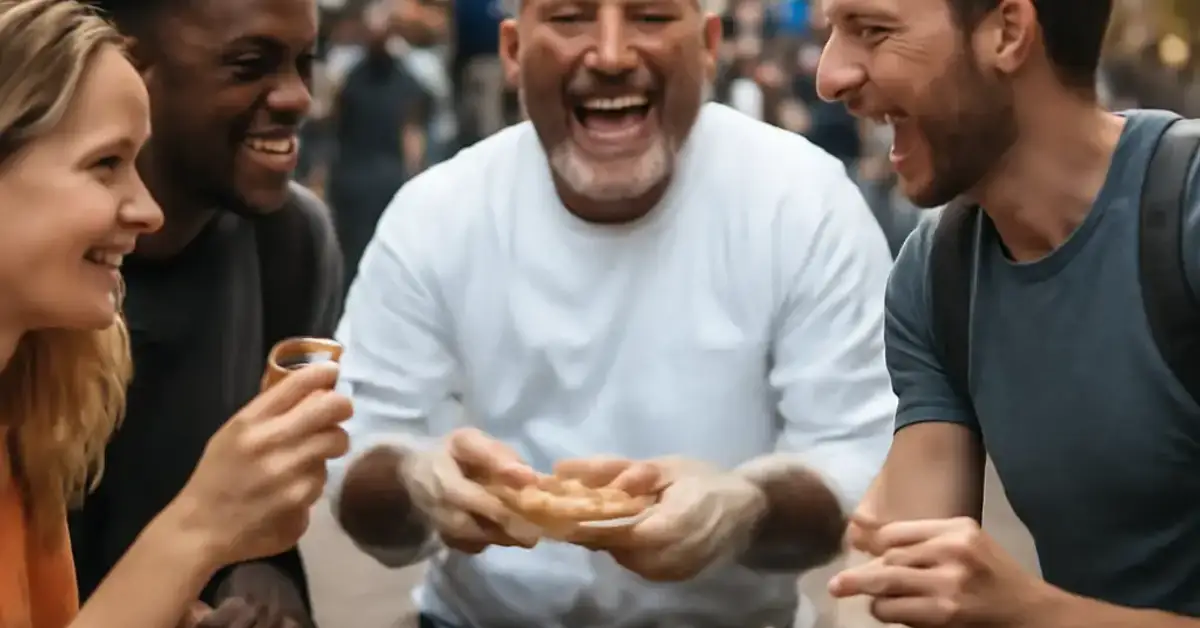
Ask any seasoned traveler about the meal that changed them, and they rarely mention a white-tablecloth restaurant. Instead, they recall a smoky street stall, a home kitchen filled with laughter, or a bowl of noodles shared under a flickering bulb. These heartwarming food moments travelers never forget happen when travel food experiences transcend mere sustenance and become emotional anchors.
Research in food tourism psychology shows that our brains encode memories more vividly when multiple senses engage simultaneously—the sizzle of oil, the aroma of unfamiliar spices, the warmth of a host’s hand offering a plate. Chef Juan Gadi, who brings Filipino hospitality to Ubud, Bali, explains it simply: “When you eat with your hands in a stranger’s home, you’re not just tasting food. You’re tasting trust.”
Street Food Encounters That Turn Into Lasting Memories
The Smile Behind the Smoke: A Bangkok Night Market
I still remember the woman who grilled skewers of satay near Khao San Road. She spoke no English, I spoke no Thai. Yet she gestured for me to sit on a plastic stool, drizzled a secret peanut sauce over the chicken, and watched my eyes light up. She laughed, wiped a smear of sauce from my chin with her apron, and refilled my glass of iced tea without being asked. That moment—an unspoken exchange of kindness—is one of the heartwarming food moments travelers never forget.
Street food experiences like these offer more than flavor. They offer a window into daily life. The vendor’s pride, the neighborhood chatter, the shared understanding that this meal is a gift—not just a transaction. For travelers, these encounters shape cultural food tourism at its most authentic.
A Taco Stand in Mexico City and the Lesson of Trust
Standing in line at a taquería in Roma Norte, I watched the chef char tortillas over an open flame. He saw me hesitate before my first bite of lengua (beef tongue). Without a word, he prepared a small sample, placed it in a fresh tortilla, and nodded encouragingly. That single gesture—trust offered freely—transformed my meal into a meaningful travel food memory I still carry.
Local cuisine travel often requires vulnerability. You try something unknown, and the cook becomes your guide. These shared moments dissolve the barrier between tourist and local, creating social bonding through food that lasts far beyond the trip.
Home-Cooked Meals That Feel Like Belonging
Learning Adobo in a Filipino Kitchen
Nothing captures emotional dining travel memories quite like being welcomed into someone’s home kitchen. In a small village outside Manila, a grandmother named Lola Maria taught me her family’s adobo recipe. She spoke in Tagalog, using hand gestures to show how much soy sauce, vinegar, and garlic. When I clumsily chopped the onions, she gently guided my hand, laughing softly.
Her kitchen smelled of garlic and childhood. We ate standing up, spooning rice and pork directly from the pan. There were no plates, no forks—just hands, laughter, and a profound sense of belonging. That evening became one of the most heartwarming food moments travelers never forget because it wasn’t about the food alone. It was about being invited into a family’s rhythm.
Chef Juan Gadi often reflects on such moments: “In Filipino culture, food is how we say ‘you are family.’ When a stranger sits at your table and eats with their hands, you are no longer a stranger.” This philosophy is central to local hospitality experiences that define culinary travel experiences in Southeast Asia.
Pasta in a Tuscan Farmhouse: A Meal That Took All Day
On a hillside in Tuscany, a farmer’s wife invited me to help make pappardelle from scratch. We spent the afternoon rolling dough, picking basil from the garden, and listening to her stories of the war years. By the time we sat down to eat, the sun had set, and the table was lit by a single candle.
That meal—simple pasta with tomato sauce—was the best I’ve ever eaten. Why? Because authentic food experiences are built on time, effort, and shared presence. The noodles carried the memory of her hands, the sauce tasted of the soil she tended. This is the essence of travel dining stories that become food and culture travel treasures.
Shared Meals That Create Instant Bonds Between Strangers
Momo in a Tibetan Monastery Kitchen
High in the mountains of Himachal Pradesh, I joined a group of monks preparing momos (dumplings) for a festival. We sat cross-legged on the kitchen floor, folding dough into half-moons. Nobody asked where I came from or why I was there. They simply handed me a rolling pin and smiled.
As we ate together in silence, the steam from the dumplings fogging the tiny windows, I felt a connection deeper than language could express. That shared meal remains one of the unforgettable meals travel stories I tell most often—not because of the food, but because of the quiet acceptance.
Shared travel meals like this remind us that social bonding through food doesn’t require common language. It requires only a willingness to sit, eat, and be present.
A Campfire Dinner in the Sahara
In the dunes of Morocco, my Berber guides prepared a tagine over a fire. The stars reflected in the brass pot, and the wind carried the scent of cumin and lamb. As we passed a single plate around the circle, each person eating with the same piece of bread, the barriers of nationality dissolved.
One guide, a man in his sixties who had never left his village, said: “The desert teaches you that sharing food is the only wealth that matters.” That night, sitting in the cold sand with strangers who became friends, I understood why hospitality experiences abroad are often the most profound part of any journey.
The Emotional Psychology Behind Travel Food Memories
Why do these moments linger for decades? Emotional travel psychology offers clues. Our brains tag memories with emotional significance, and the multisensory nature of eating—taste, smell, touch, sound, sight—creates a dense network of neural connections. When a travel food experience also involves positive human interaction, the memory becomes even stronger.
Chef Juan Gadi’s work at Kilig Filipino Warung in Ubud is built on this principle: “I want guests to taste the story of my culture. When they bite into a crispy pata or a bowl of sinigang, I want them to feel the warmth of a Filipino Sunday lunch. That’s what makes sensory travel dining unforgettable.”
Food tourism psychology research confirms that travelers who engage in hands-on food experiences—cooking classes, market tours, home meals—report higher levels of satisfaction and memory retention than those who only dine in restaurants. The act of participating, of being welcomed into someone’s life, is what turns a meal into a memorable travel encounter.
Hospitality That Transforms a Meal Into a Lifelong Memory
A Vietnamese Granny’s Phở on Train Street
Train Street in Hanoi is famous for its narrow alley where trains pass inches from doorways. But what I remember most is the old woman who waved me into her tiny home as a train approached. She served phở at a plastic table, gesturing for me to slurp loudly. When the train roared past, rattling the bowls, she didn’t flinch. She just smiled and topped off my broth.
That gesture of hospitality—serving someone with total, unflappable warmth in the midst of chaos—is a hallmark of hospitality experiences abroad. It embodies the local hospitality experiences that turn ordinary meals into travel lifestyle moments.
A Moroccan Tea Ceremony That Slowed Down Time
In Marrakech, a shopkeeper invited me for mint tea after I bought a small pouch of saffron. He poured the tea from high above the glass, creating a foamy top, and explained that the height of the pour represents the height of respect. We sat for an hour, sipping and talking about our families, even though I was a stranger he’d never see again.
That destination dining experience was never about the tea. It was about being seen as a person, not a customer. These travel dining stories remind us that authentic cuisine experiences are always rooted in genuine human connection.
The Power of Simple Meals Over Gourmet Dinners
Travelers often chase Michelin stars, but the most heartwarming food moments travelers never forget are usually the simplest. A boiled egg shared on a train in Sri Lanka. A slice of watermelon from a street vendor in Ghana. A piece of bread dipped in olive oil at a Sicilian farmstand.
Why? Because simple meals strip away pretense. There is no menu to interpret, no dress code to obey. There is only the act of eating together. These meaningful travel meals don’t require expensive ingredients—they require presence and generosity.
Food exploration journeys that prioritize simplicity often yield the richest emotional returns. Chef Juan Gadi notes, “At my private villa dinners in Ubud, I serve complex dishes, but guests always remember the moment I sat down with them to eat a simple bowl of arroz caldo. That’s when the walls come down.”
How Culture Shapes the Way We Remember Food
Cultural immersion dining is not just about trying new flavors—it’s about understanding the rituals that surround them. In Japan, a bowl of ramen is eaten quickly, in respectful silence, to honor the chef’s work. In Ethiopia, injera is shared from a single basket, and feeding someone with your hand is a sign of affection. In the Philippines, kamayan (eating with hands) is a celebration of community.
When travelers participate in these customs, they create cultural food experiences that are imprinted not just on the palate, but on the heart. The ritual itself becomes part of the food and memory connection.
Sensory food memories are strongest when they involve touch—the sticky rice on your fingers, the warmth of the bowl, the clinking of glasses. These physical sensations anchor the moment in the body, making the memory feel visceral even years later. For a related guide, see How Beautiful Dining Moments Create Lasting Emotions.
Sensory Details That Create Lifetime Food Memories
Consider the sensory tapestry of a typical heartwarming food moment: the hiss of a wok, the crunch of a fresh spring roll, the coolness of coconut water on a hot day, the laughter of the person cooking next to you. Sensory travel dining engages all five senses, and the more senses involved, the richer the memory.
Travel food memories are stored in the brain’s insula and orbitofrontal cortex, areas that process taste, smell, and emotion simultaneously. This is why a single whiff of lemongrass can transport you back to a Bangkok market ten years later. The scent is a time machine.
Chef Juan Gadi designs his tasting menus with this in mind: “I want each course to tell a story. The crackle of lechon skin, the bright sourness of calamansi, the earthy aroma of burnt coconut—these are not just flavors. They are postcards from my homeland.”
How Storytelling Connects With Travel Food Experiences
Travel storytelling food is how we keep these moments alive. We recount the street vendor who gave us an extra skewer, the grandmother who taught us her secret recipe, the stranger who shared his only bottle of water with a meal. These stories become part of our personal narrative, shaping not just how we remember the trip, but how we see ourselves.
When you tell a story about a meal, you invite the listener to taste it with you. That’s the power of emotional tourism experiences—they are not solitary. They are meant to be shared, passed on, and savored again through words.
Global cuisine memories are rarely just about the food. They are about the people who prepared it, the place where it was served, and the version of yourself that existed in that moment—curious, open, and hungry for connection.
Useful Resources
For deeper insights into food tourism psychology and cultural food tourism, explore these trusted sources:
- World Food Travel Association – Research and resources on culinary tourism trends.
- National Geographic Travel: Food – Stories and guides on authentic food experiences around the globe.
Frequently Asked Questions About Heartwarming Food Moments Travelers Never Forget
What are heartwarming food moments travelers remember?
Travelers often remember meals where genuine human connection played a central role—sharing a home-cooked meal with a local family, receiving unexpected generosity from a street vendor, or learning a family recipe from a grandmother. These heartwarming food moments travelers never forget are defined by warmth, hospitality, and cultural exchange rather than fancy surroundings.
Why do travel food experiences feel emotional?
Travel food experiences feel emotional because they engage multiple senses while often coinciding with moments of vulnerability—being in an unfamiliar place, trying something new, or sharing a meal with a stranger. The brain encodes these multisensory, emotionally charged events more deeply, creating vivid emotional dining travel memories.
How does local food create lasting memories?
Local food creates lasting memories by connecting travelers to a place’s identity and people. Eating a family recipe passed down for generations or tasting a regional specialty prepared by a local chef provides authentic food experiences that feel personal and meaningful, forming food and memory connection.
What makes street food experiences unforgettable?
Street food experiences are unforgettable because they combine bold flavors with spontaneous human interaction. The open-air setting, the vendor’s pride, and the shared pleasure of eating in public create a sense of authenticity and community that is hard to replicate in formal dining settings. For a related guide, see Why Meaningful Conversations Happen Around Food.
Why do shared meals during travel feel special?
Shared meals during travel feel special because they foster social bonding through food. Breaking bread with strangers breaks down barriers, creates a sense of belonging, and often leads to memorable travel encounters that transcend linguistic and cultural differences.
How does culture influence food memories?
Culture influences food memories by dictating the rituals, ingredients, and social contexts around eating. Participating in a traditional tea ceremony or a kamayan feast offers cultural immersion dining experiences that embed the meal in a deeper narrative, making it more memorable than a simple dish.
What are examples of emotional food experiences while traveling?
Examples include being invited into a local home for a family dinner, receiving a free meal from a street vendor who notices your hesitation, or cooking with villagers using time-honored techniques. These emotional dining travel moments are rich with kindness and cultural exchange.
How does hospitality affect travel dining memories?
Hospitality transforms a meal from a transaction into a gift. When a host goes out of their way to make you feel welcome—explaining a dish, adjusting seasoning, or simply smiling—it creates hospitality experiences abroad that become the emotional core of the memory.
Why do tourists remember simple meals more than fancy restaurants?
Simple meals often carry more emotional weight because they feel authentic and unscripted. Without the formality of a fine-dining setting, the focus shifts to the human exchange, the flavor, and the moment itself, creating meaningful travel food memories that linger.
How do sensory details create food memories during trips?
Sensory food memories are created when multiple senses—smell, taste, touch, sound, sight—are activated simultaneously. The sizzle of a grill, the warmth of a hand-rolled tortilla, the scent of lemongrass—these details anchor the experience in your body, making it vivid and durable.
What makes local dishes so memorable for travelers?
Local dishes are memorable because they taste of a specific place and story. When you know that the fish was caught that morning, the herbs were picked from the garden, or the recipe has been in the family for generations, the dish becomes a destination food experience that nourishes more than the body.
How do strangers sharing food create bonding moments?
Sharing food with strangers creates a temporary community built on generosity and trust. The act of offering or receiving food is universally understood as a gesture of goodwill, which fosters rapid social bonding through food and often leads to lasting friendships.
Why do travel meals feel more meaningful?
Travel meals feel more meaningful because they break routine and require openness. The effort to find a local spot, the risk of trying something unknown, the reward of a surprising flavor—all combine to create food exploration journeys that feel like personal victories.
How does storytelling connect with travel food experiences ?
Travel storytelling food connects by allowing us to relive and share the emotional core of a meal. When we tell the story of the vendor who taught us to eat with our hands or the grandmother who shared her recipe, we invite others into that moment, keeping the memory alive.
What role does emotion play in food tourism memories?
Emotion is the glue that binds the sensory details of a meal into a lasting memory. Joy, surprise, gratitude, or nostalgia amplifies the neural encoding of the experience, making emotional tourism experiences some of the most cherished souvenirs a traveler can bring home.
Are street food vendors usually friendly to tourists?
Many street food vendors are warm and welcoming to tourists, often going out of their way to explain dishes, adjust spice levels, or offer samples. This everyday generosity is a key reason why street food culture travel produces so many heartwarming moments.
What should I do if a local invites me to eat at their home?
Accept the invitation with gratitude and an open heart. Bring a small gift or offer to help with preparation. Participating in a home-cooked meal is one of the most authentic food experiences available, and your willingness to engage shows respect for their culture.
Can food memories change how I feel about a destination?
Absolutely. A powerful food experience can transform a destination from a place you visited to a place you love. The warmth of a shared meal often becomes the emotional anchor for an entire trip, influencing your overall perception and desire to return.
Why do I cry when I talk about certain travel meals?
Tears often surface because the meal was not just food—it was a moment of profound connection, kindness, or cultural immersion. The memory of being welcomed so fully can trigger an emotional release, reminding you of the shared humanity that makes emotional travel moments so powerful.
How can I create more heartwarming food moments on my trips?
Be curious, humble, and open. Eat where locals eat, accept invitations, ask questions, and show genuine appreciation. The heartwarming food moments travelers never forget almost always come from stepping outside your comfort zone and saying yes to the unexpected.
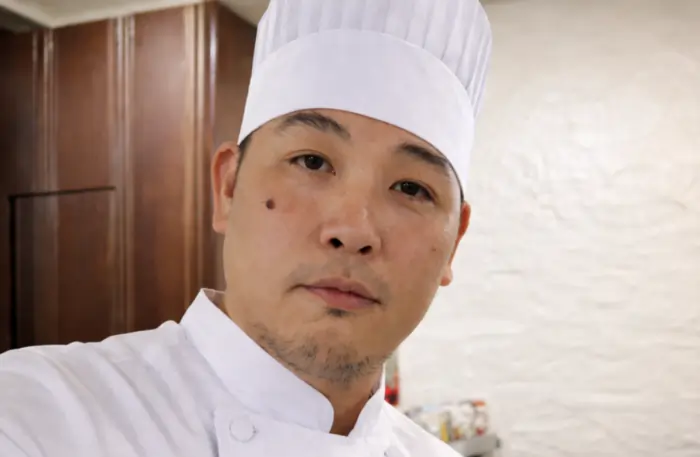
Chef Juan Gadi brings the heart of Filipino hospitality to Ubud, Bali. As an Executive Chef and consultant, he specializes in creating intimate, curated dining experiences that tell a story through every dish. Whether leading the kitchen at Kilig Filipino Warung or hosting a private villa dinner, Chef Juan’s approach is defined by warmth, modern technique, and a commitment to culinary excellence.