Ways Food Creates Lasting Travel Memories Key Takeaways
I still remember the first time I bit into a lumpia fresh off the frying cart in Manila — the crunch, the vinegar kick, the warmth of the crowd around me.
- The 8 ways food creates lasting travel memories include sensory immersion, cultural storytelling, shared meals, and the art of street food discovery.
- Understanding food tourism experiences and emotional travel experiences through food helps travelers, bloggers, and hospitality professionals design more meaningful trips.
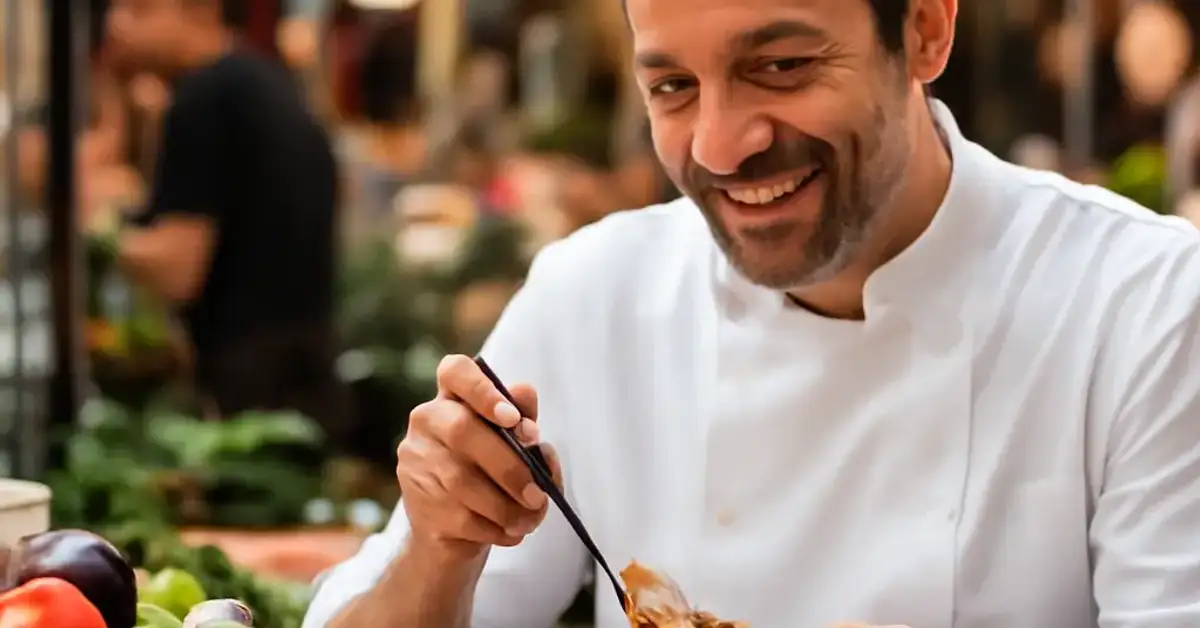
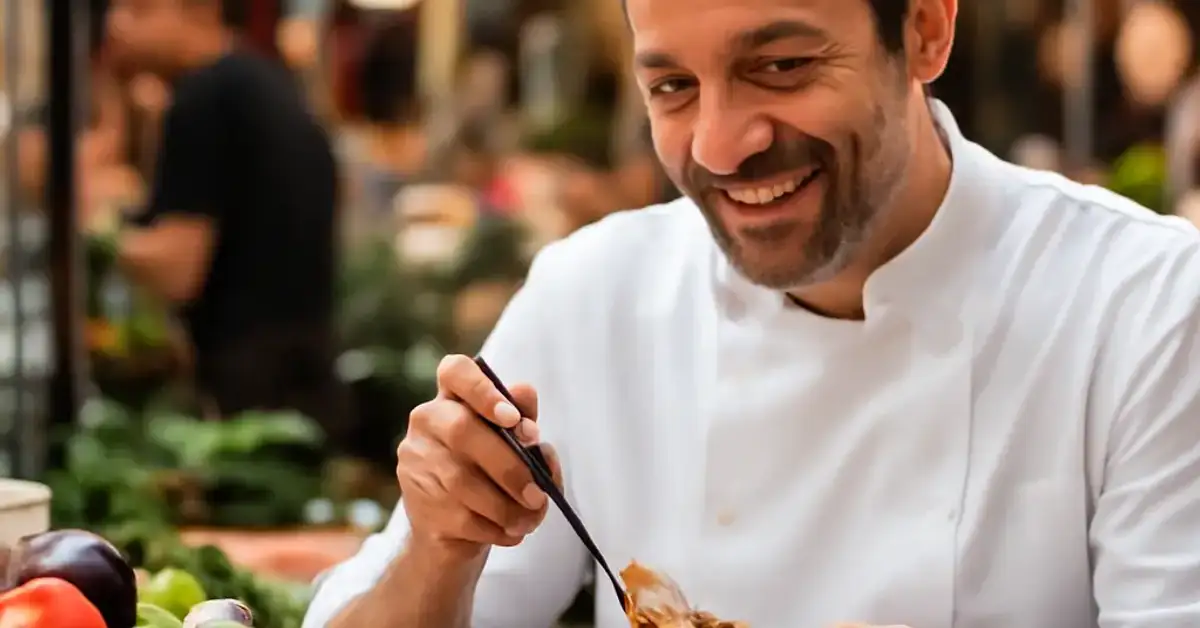
- Through expert insights from Chef Juan Gadi of Ubud, Bali, you will learn how authentic dining experiences and culinary storytelling in tourism turn ordinary meals into unforgettable highlights.
What Makes 8 Ways Food Creates Lasting Travel Memories So Powerful?
I still remember the first time I bit into a lumpia fresh off the frying cart in Manila — the crunch, the vinegar kick, the warmth of the crowd around me. That single moment flavored my entire understanding of the Philippines. As an Executive Chef now living in Ubud, Bali, I have seen how food tourism experiences transform casual tourists into lifelong wanderers. But why does food stick with us so intensely?
Science calls it culinary memory psychology. Our brain’s hippocampus and amygdala — the centers for memory and emotion — are triggered directly by taste and smell. A specific spice blend or the sound of a sizzling wok can yank you back years in an instant. When we travel, every meal is a multisensory event: the unfamiliar aroma of a market, the sight of colorful produce, the texture of hand-rolled flatbread, the laughter of strangers who become friends. These emotional travel experiences through food are chemically bonded to joy, surprise, and discovery.
For travel bloggers, hospitality professionals, and digital nomads, understanding this mechanism is gold. It means you can deliberately craft moments that readers and guests will remember forever. The eight approaches below combine sensory travel experiences with actionable tips — whether you are writing a blog post, designing a villa dinner, or planning your next destination cuisine exploration.
1. Immerse in Cultural Dining Experiences Abroad Through Home Hospitality
There is cultural dining experiences abroad, and then there is eating inside someone’s home. When a local grandmother invites you to her kitchen and teaches you to pound curry paste in a mortar, the memory is not just about the food — it is about trust, time, and tradition. These immersive food experiences are the gold standard of cultural identity through food.
How Home Dining Deepens Travel Storytelling Through Cuisine
In my work at Kilig Filipino Warung in Ubud, I often ask guests about their most powerful food memory. Almost always, the answer involves a personal invitation: a stranger’s kitchen, a family-run warung, a farm visit. Those moments carry hospitality and food memory connection at its purest because the host shares more than a recipe — they share a piece of their life. For travel storytelling through cuisine, nothing beats the narrative of sitting at a communal table with three generations of a family while the matriarch explains why she uses coconut cream instead of milk. For a related guide, see 10 Travel Moments That Feel More Meaningful Around Food (+ Chef Insights).
Practical Tips for Finding Home Dining Opportunities
- Use platforms like EatWith or Traveling Spoon to book home meals with verified local hosts.
- Search for cooking classes that include a market tour followed by a meal in the instructor’s home.
- Ask your hotel concierge or homestay host if they know families who welcome guests for dinner.
- Offer to help with preparation — the act of chopping or stirring together builds instant connection.
2. Let Street Food Culture Impact Take You Off the Beaten Path
Some of the most authentic dining experiences of my life happened on plastic stools at a Bangkok soi, eating pad thai wrapped in banana leaves. The street food culture impact on memory is huge because it strips away formality. There is no menu to hide behind, no wine list to decode — just food, noise, and human interaction. For a related guide, see 7 Intimate Food Experiences Travelers Always Remember: Unforgettable Private Dining Journeys.
Why Street Food is a Sensory Travel Experience
Street food engages all five senses at once. The hiss of a griddle, the smoke that stings your eyes, the haggling in a language you barely understand, the first taste of a flavor you have never encountered. These raw sensory travel experiences are exactly what culinary memory psychology calls “flashbulb memories” — highly detailed snapshots that feel vivid even years later. For food memory triggers in travel, the chaotic, unpolished nature of street food is far more potent than a white-tablecloth dinner.
Street Food Safety and Discovery Tips
- Look for stalls with long queues of local customers — that is the universal sign of quality and freshness.
- Arrive early when ingredients are at their peak and the crowd is manageable.
- Bring small bills and learn how to say “no spice” or “with less sugar” in the local language.
- Photograph the stall and the vendor first, then eat — it shows respect and opens conversation.
3. Savor Shared Meals and Bonding While Traveling as a Memory Multiplier
Food eaten alone can be delicious, but shared meals and bonding while traveling create a different category of memory. The laughter, the shared discovery, the spontaneous toast — these moments are the foundation of experiential tourism dining.
The Neuroscience of Eating Together
Research in food memory psychology shows that eating with others increases the release of oxytocin and dopamine, making the entire experience feel more positive and memorable. When you travel with strangers who become friends over a bowl of ramen, the food becomes the backdrop to a human story. I have seen this in my own private villa dinners in Ubud: guests who began the evening as acquaintances hug goodbye like old friends, bonded by a shared narrative that started with one course and ended with dessert.
How to Facilitate Bonding While Traveling Through Meals
- Join a food tour with a small group — the combination of walking, eating, and talking builds rapport quickly.
- Host a dinner at your Airbnb or villa and ask each guest to bring a dish from their own culture.
- Choose restaurants with communal seating, such as izakayas or tapas bars, where conversation comes naturally.
- End the meal with a shared dessert or digestif — that final course often sparks the deepest conversations.
4. Explore Local Food Discovery Journeys Through Market Walks
A local food discovery journey should not start at a restaurant — it should start at a market. Wet markets, morning bazaars, and floating markets are the beating heart of destination food culture. Walking through the aisles, you learn what people actually eat, what is in season, and how ingredients are traded with pride.
Markets as Gastronomic Tourism Insights
When I lead market tours for guests in Ubud, I always stop at the spice stall first. I ask them to smell, crush, and taste raw turmeric, black pepper, and cloves. That sensory travel experience rebuilds their understanding of flavor. Suddenly, a dish like rendang is no longer just a menu item — it is a story of heat, patience, and layering. For gastronomic tourism insights, markets offer the raw data of a cuisine before it is transformed by fire.
How to Turn a Market Visit Into a Memorable Vacation Dining Moment
- Visit early (6 a.m. to 8 a.m.) when vendors are setting up and the energy is electric.
- Buy one ingredient you have never seen before and ask the vendor how to cook it.
- Take notes or photos of what you buy, then find a nearby cooking class to prepare the same ingredients.
- Interview a vendor about their favorite childhood dish — that personal story becomes a travel memory staple.
5. Engage with Hospitality and Food Memory Connection at Its Deepest
Hospitality is not just service — it is an emotional transaction. When a chef, server, or host treats you with genuine warmth, the meal becomes a hospitality and food memory connection that lingers. In my own kitchen at Kilig Filipino Warung, I train my team to remember one detail per guest: a name, a preference, a story. That small gesture transforms a plate of food into a monument of care.
What Sensory Branding in Hospitality Teaches Us
Hotels and resorts invest heavily in sensory branding in hospitality — the signature scent at check-in, the playlist in the lobby, the welcome drink’s color and temperature. These cues are designed to build emotional travel experiences through food and overall atmosphere. As a consultant, I advise properties to design a “food memory signature” — one dish or drink that becomes synonymous with the stay. For example, a mango and calamansi welcome drink that travelers post about for years.
How Hospitality Professionals Can Create Lasting Food Memories
- Train staff to tell the story behind each dish — origin of the recipe, personal connection of the chef.
- Offer a surprise amuse-bouche that changes daily and reflects a local ingredient.
- Create a “memory card” with the guest’s name and the date of their meal to place at the table.
- Follow up after the trip with a digital recipe booklet featuring dishes they enjoyed.
6. Use Culinary Storytelling in Tourism to Give Every Dish a Narrative
Food without a story is just fuel. But culinary storytelling in tourism turns a plate into a portal. When I serve adobo at a villa dinner, I do not just describe the ingredients — I talk about the Filipino women who carried this recipe across oceans, the vinegar that preserved food for long sea voyages, the soy sauce that arrived with Chinese traders. Suddenly, the dish is a history lesson, a geography class, and a family reunion on a single plate.
The Components of Powerful Travel Storytelling Through Cuisine
- Origin: Where did the dish come from? Who invented it and why?
- Ingredient journey: How do the key ingredients connect to the local landscape?
- Ritual: Is there a specific way the dish is traditionally eaten, shared, or celebrated?
- Emotion: What memory does the chef or host associate with this dish?
Bloggers and content creators can apply the same structure to their posts. Instead of describing a restaurant’s ambiance, recount the story the owner told you about the first time they cooked the signature dish. That narrative is what Google rewards and what readers share.
7. Practice Global Cuisine Exploration With an Open Palate
Global cuisine exploration is not about eating the most exotic things — it is about approaching every meal with a beginner’s mind. The moment you think you understand a cuisine, you close yourself off to surprise. And surprise is the foundation of food and emotion connection.
How to Eat Like a Culinary Explorer
- Say “yes” to at least one dish you cannot identify on the menu.
- Order family-style so you can taste multiple flavors in one meal.
- Pair unfamiliar food with local drinks — sake with miso, tuak with grilled fish, soju with kimchi jjigae.
- Write down impressions immediately after eating, while the sensory details are still fresh.
For travel lifestyle experiences, this approach turns every day into a field study. Instead of checking “eat local food” off a list, you build a personal library of tastes, textures, and stories that fuel your writing, photography, and conversations for years.
8. Document Your Food Travel Memories for Lifelong Recall
The final way to ensure food creates lasting travel memories is to capture them with intention. Simple snapshots get buried in your camera roll. But a food travel memories journal that combines a photo, a recipe scribble, a ticket stub, and a one-sentence emotion will bring you back to that moment instantly.
Tools and Techniques for Memory Preservation
- Use a dedicated notebook or app (Day One, Notion) to log each memorable meal with date, location, dish name, and a “taste note” that describes the dominant flavor.
- Record a 60-second voice memo right after the meal describing the atmosphere and your feeling.
- Collect physical artifacts: a stamped paper napkin, a spice packet, a handwritten menu card.
- Create a “food map” of your trip — pin each meal on Google Maps with a short caption.
When you later write about your travel dining experiences, these documents become your richest source material. They are also wonderful gifts for travel followers and clients.
Useful Resources
For further reading on gastronomic tourism insights and culinary memory psychology, explore these credible sources:
- World Food Travel Association — Industry research, reports, and best practices on food tourism and destination cuisine.
- ScienceDirect: Food Memory and the Brain — Peer-reviewed studies on how taste, smell, and emotion encode long-term food memories.
Frequently Asked Questions About 8 Ways Food Creates Lasting Travel Memories
What is culinary memory psychology ?
Culinary memory psychology is the study of how taste, smell, and cultural context create strong, emotionally charged food memories that can last a lifetime.
How does street food create memorable travel experiences?
Street food immerses travelers in the local environment with intense sensory stimuli — sounds, aromas, textures, and social interaction — which triggers powerful, detailed recollections.
What are the best food tourism experiences for memory-making?
Home dining, market tours, cooking classes, and street food walks are among the most effective for creating lasting memories because they combine learning, interaction, and authenticity.
Can food really shape how we remember a destination?
Yes — studies show that food experiences are among the most vividly recalled travel moments because they engage multiple senses and often involve emotional connections.
What role does hospitality play in food memory?
Warm, personalized hospitality amplifies the emotional impact of a meal, turning a dish into a memory of kindness, attention, and human connection.
How can travel bloggers use food storytelling?
Bloggers can weave a dish’s origin, preparation, and personal anecdote into a narrative that feels like a mini-documentary, increasing reader engagement and shareability.
What are the best practices for documenting travel meals?
Record the dish name, location, date, dominant flavor, and a short emotional note. Use a dedicated app or notebook, and collect physical mementos like napkins or spice packets.
How does shared dining affect memory retention?
Eating with others releases oxytocin and dopamine, making the experience more positive and memorable than eating alone, according to food memory psychology.
What is sensory branding in hospitality ?
Sensory branding uses cues like a signature scent, ambient music, and a welcome drink’s taste and color to create a cohesive, memorable brand experience tied to food.
How can I find authentic dining experiences abroad?
Use platforms like EatWith, ask locals at homestays or markets, and look for cooking classes that include home meals. Avoid tourist-heavy streets with identical menus.
Why do some food memories fade while others stay forever?
Memories tied to strong emotions, novelty, and multisensory input are encoded more deeply. Routine meals fade, while surprising, emotional, or deeply sensory meals persist.
How does global cuisine exploration help travelers?
Exploring global cuisines with an open palate builds cultural understanding, flexes your taste adaptability, and creates a personal library of unforgettable flavor experiences.
What are the most common mistakes in food travel memory creation?
Relying only on restaurant reviews, eating at familiar chain restaurants, rushing meals, and failing to document the experience are the top pitfalls that weaken memory formation.
Can food memories affect future travel decisions?
Absolutely — positive food memories are a primary driver for return visits and recommendations. They directly influence destination loyalty and repeat tourism.
How do chefs create memorable food experiences for travelers?
Chefs use storytelling, local ingredients, surprise elements, and personalized touches like handwritten menus or custom garnishes to turn meals into signature moments.
What is the link between food tourism and cultural identity?
Food tourism allows travelers to experience cultural identity directly through ingredients, preparation methods, and the rituals of eating together, deepening cross-cultural understanding.
How can digital nomads leverage food travel memories for content?
They can create recipe posts, video journals, photo essays, or local food guides that blend personal narrative with practical tips, appealing to experience-hungry audiences.
What are the best destinations for immersive food experiences ?
Japan (tsukiji market), Thailand (street food in Bangkok), Italy (Tuscan home cooking), Mexico (Oaxaca mole workshops), and Bali (rice field-to-plate tours) are top choices.
How does Chef Juan Gadi create lasting food memories in Ubud?
Chef Juan combines Filipino hospitality with Balinese ingredients at Kilig Filipino Warung and private villa dinners, using storytelling, warmth, and seasonal local produce.
What is the science behind the smell-travel memory connection?
Olfactory nerves connect directly to the amygdala and hippocampus, meaning smells bypass logical processing and hit emotional and memory centers instantly — more powerfully than sight or sound.
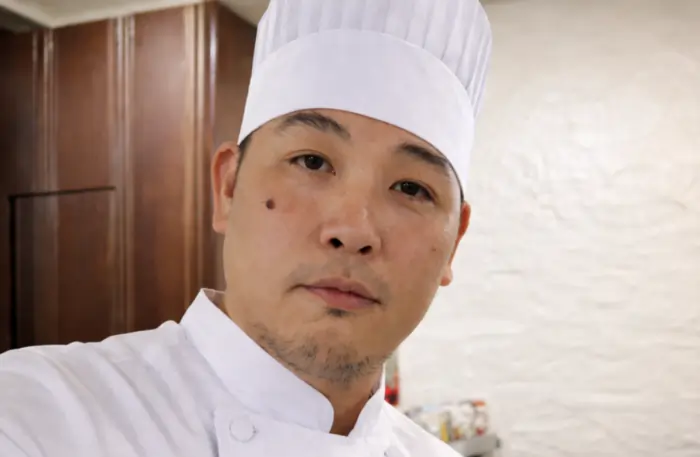
Chef Juan Gadi brings the heart of Filipino hospitality to Ubud, Bali. As an Executive Chef and consultant, he specializes in creating intimate, curated dining experiences that tell a story through every dish. Whether leading the kitchen at Kilig Filipino Warung or hosting a private villa dinner, Chef Juan’s approach is defined by warmth, modern technique, and a commitment to culinary excellence.