Event Dining Trends Shaping Bali Celebrations Key Takeaways
From luxe villa dinners to beachfront receptions, the event dining trends shaping Bali celebrations in 2025 reflect a profound shift toward personalized, immersive, and sustainable experiences.
- The demand for experiential dining in destination weddings and private events is driving a wave of creativity across Bali’s catering scene.
- Farm-to-table practices and locally sourced ingredients are becoming non-negotiable for premium events.
- Interactive food stations , private chef experiences, and visually curated displays are redefining guest engagement.
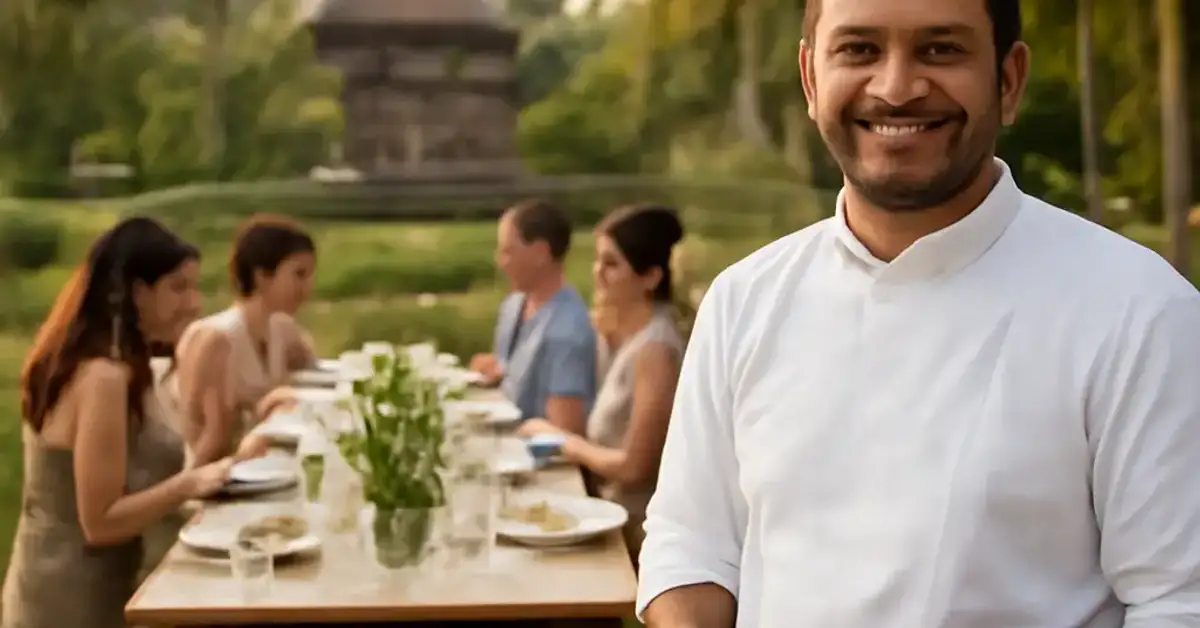
The Rise of Experiential Dining in Destination Weddings and Private Events
Bali has long been a magnet for destination weddings, but the expectations around food have evolved dramatically. Today’s couples and private event hosts are no longer satisfied with a standard plated dinner. They want a journey. This is where experiential dining Bali steps in—transforming a meal into a multi-sensory narrative. As an executive chef working in Ubud, I’ve seen firsthand how storytelling through ingredients and presentation can elevate an event from ordinary to unforgettable.
Immersive Culinary Experiences: Combining Food, Storytelling, and Atmosphere
The rise of immersive culinary experiences that combine food, storytelling, and atmosphere is perhaps the most significant shift in Bali’s event landscape. Imagine a wedding reception where each course is introduced with a story about the local farmers who grew the produce, paired with traditional gamelan music and the scent of frangipani in the air. This trend taps into guests’ desire for connection—not just to the food, but to the place and the people behind it. For a related guide, see 11 Event Menu Trends Guests Are Loving Right Now.
For event planners and wedding organizers, this means moving beyond menu planning into the realm of experience design. Think about how the lighting, the tableware, and even the pacing of service can reinforce the narrative. When a couple’s love story is woven into the culinary journey, guests leave with more than a full stomach—they leave with a memory.
Farm-to-Table Dining: Fresh Local Balinese Ingredients Take Center Stage
One of the most welcome developments in Bali dining trends is the increasing popularity of farm-to-table dining using fresh local Balinese ingredients. Bali’s volcanic soil and tropical climate produce an astonishing array of ingredients, from heirloom tomatoes and purple yams to candle nuts and snake fruit. Farm to table Bali isn’t just a marketing term here; it’s a philosophy that supports local agriculture and delivers unparalleled freshness.
For catering businesses, this trend requires building strong relationships with local farmers and foragers. I source many of my ingredients from small cooperatives in the Gianyar regency, which gives me access to produce that’s harvested within hours of being served. The result is a depth of flavor that imported goods simply cannot match. Seasonal ingredients Bali change rapidly, so menus must be agile and responsive to what nature provides.
Interactive Food Stations and Live Cooking Experiences
Another pillar of modern event dining is the interactive food stations and live cooking experiences enhancing guest engagement. These stations break down the barrier between chef and guest, turning meal service into entertainment. A gourmet catering Bali team might set up a station where guests can watch their satay being grilled over coconut husks, or a raw bar where a chef shaves fresh sea urchin to order.
For hospitality professionals, the key is to choose interactive stations that align with the event’s theme and flow. A sunset cocktail hour might feature a ceviche station, while a late-night party could benefit from a make-your-own martabak bar. The interactive food stations approach also allows guests to control portion sizes and dietary preferences, which is a major plus for wellness-focused attendees.
Personalized and Curated Menus: The Shift Toward Guest-Centric Hospitality
There is a noticeable shift toward personalized and curated menus tailored to guest preferences. Gone are the days of one-size-fits-all banquet menus. Today’s event hosts are asking for menus that reflect the couple’s or host’s personal tastes, cultural heritage, and even dietary philosophies. This is where my Filipino heritage often comes into play—infusing a wedding dinner with adobo-inspired canapés or a dessert course featuring ube halaya.
For destination wedding couples and private event hosts, the consultation process is critical. I spend time understanding not just what they like to eat, but what stories they want to tell. This might mean recreating the dish they ate on their first date in Ubud, or designing a tasting menu that highlights the regions of Indonesia they visited together.
Plant-Based and Wellness-Focused Catering: A Growing Priority
The expansion of plant-based and wellness-focused catering options in Bali events mirrors a global shift toward conscious eating. Bali has long been a wellness destination, and event menus are now reflecting that ethos. Guests are increasingly requesting vegan, gluten-free, and raw food options—not as an afterthought, but as a deliberate culinary choice. Wellness catering Bali is about more than just removing animal products; it’s about using ingredients that nourish and energize, such as moringa, turmeric, coconut, and locally foraged greens.
For event planners and wedding organizers, offering a robust plant-based menu is no longer optional. It’s a mark of quality and consideration. I’ve seen events where the vegan tasting menu became the highlight of the evening, even for meat-eaters. The secret is to treat plant-based ingredients with the same respect and technique as any premium protein.
Visual Feasts: Luxury Grazing Tables and Social Media-Friendly Displays
In an era where every guest is a potential content creator, the visual appeal of food has never been more important. Luxury grazing tables and visually curated food displays for social media appeal are now standard at high-end Bali events. These are not your average cheese boards. Think cascading displays of tropical fruits, edible flowers, artisan cheeses, and handcrafted crackers, arranged with the precision of a floral installation. Grazing tables Bali have become an art form in their own right.
For luxury travelers and lifestyle bloggers, these displays are irresistible photo opportunities. For catering businesses, this means investing in presentation skills and understanding color theory, height variation, and texture. A well-executed grazing table can set the tone for the entire event and generate significant organic social media exposure.
Fusion Cuisine: Blending Balinese Flavors with International Culinary Styles
Bali’s culinary identity has always been a melting pot, and this is reflected in the fusion cuisine blending Balinese flavors with international culinary styles. This trend is particularly exciting for chefs because it allows for endless creativity. Imagine a Balinese-style rendang served as a filling for Japanese gyoza, or a traditional nasi campur reinterpreted as a deconstructed salad with French vinaigrette. Fusion cuisine Bali is about honoring local ingredients while embracing global techniques.
For restaurant owners and tourism marketers, promoting fusion concepts can differentiate an event’s catering from competitors. It appeals to international palates while still offering a sense of discovery. I often use this approach in my private chef menus, combining the comfort of familiar forms with the thrill of new flavors.
Signature Venues and Experiences: Sunset Dining, Beachfront Events, and Cultural Concepts
Few things are more iconic to Bali than watching the sun dip below the Indian Ocean. Unsurprisingly, sunset dining and beachfront event experiences as a signature trend continue to dominate the luxury event space. Sunset dining Bali isn’t just a time slot—it’s a production. It involves carefully timing courses, using reflective tableware to catch the golden hour light, and pairing the menu with cocktails that mirror the colors of the sky.
Beyond the beach, there is a growing interest in cultural dining concepts that highlight Balinese traditions and heritage. This could mean hosting a feast in a traditional joglo pavilion, serving food on woven bamboo plates (besek), or incorporating a Balinese blessing ceremony into the meal. For destination wedding couples, these cultural elements add authenticity and depth to their celebration.
Sustainability and Eco-Friendly Practices: A Responsibility, Not a Trend
While some trends come and go, the emphasis on sustainable and eco-friendly catering practices in island celebrations is here to stay. Bali’s fragile ecosystem demands that we, as hospitality professionals, take responsibility. This means eliminating single-use plastics, composting food waste, sourcing from local fisheries that practice sustainable catch methods, and using biodegradable serving ware. Sustainable catering Bali is about making choices that have a positive impact on the island’s future.
For event planners and catering businesses, communicating these efforts to clients is crucial. Guests appreciate knowing that their celebration is not contributing to environmental harm. Transparency in sourcing and waste management builds trust and aligns with the values of many modern travelers.
Private Chef Experiences and Intimate Luxury Dining
The private chef experiences in villas and resorts for intimate gatherings segment has exploded in popularity. I’ve seen this firsthand in my own practice. Couples celebrating their anniversary, families reuniting, or corporate retreats seeking a team-building activity are all turning to private chefs. The appeal is the exclusivity and the undivided attention. A private chef Bali experience allows for a level of customization and intimacy that is impossible in a restaurant setting.
For hospitality professionals, this trend represents a significant revenue opportunity. Villa management companies and luxury resort concierges are actively seeking chefs who can deliver these experiences. The key is to offer a genuine interaction—perhaps inviting guests into the kitchen to help prepare a dish, or sharing the story behind each ingredient as it’s served.
Grazing Tables and Tropical Aesthetics: The Instagram Factor
We’ve already touched on grazing tables, but it’s worth noting the integration of floral and tropical aesthetics in food presentation and styling. This is more than just decoration; it’s a strategic approach to storytelling. Edible flowers like butterfly pea blossoms, marigolds, and orchid petals are used to add color and visual interest. Tropical leaves like banana and monstera serve as natural serving platters. The result is a table that looks like a living, edible garden.
Beverage Pairing Experiences: Tropical Cocktails and Artisan Drinks
The growth of beverage pairing experiences including tropical cocktails and artisan drinks is a natural companion to the food trends. Bali’s mixologists are crafting cocktails that use local spirits like arak and brem, paired with fresh tropical juices and herbs. A tropical cocktails Bali program might feature a welcome drink of lemongrass and ginger-infused vodka, followed by a wine pairing that highlights local Indonesian wines. Non-alcoholic options are also elevated, with kombuchas, cold-pressed juices, and herbal tonics gaining popularity.
Moving Away from Traditional Banquet Styles
There is a clear demand for intimate and smaller-scale luxury dining setups over traditional banquet styles. Large round tables with identical centerpieces are being replaced by long family-style tables, lounge seating, and chef’s table experiences. This creates a more social atmosphere and allows for better interaction between guests. For corporate event planners, this shift also facilitates networking and conversation.
Useful Resources
For further reading on Bali’s culinary scene and event planning best practices, explore these resources: The Bali Dining Guide at NOW! Bali offers an excellent overview of the island’s top restaurants and food trends. Additionally, Bali Discovery’s dining section provides insights into local cuisine and cultural food traditions.
Frequently Asked Questions About Event Dining Trends Shaping Bali Celebrations
What are the main event dining trends shaping Bali celebrations in 2025?
The key trends include experiential and immersive dining, farm-to-table menus using local ingredients, interactive food stations, personalized and curated menus, plant-based and wellness-focused catering, luxury grazing tables, fusion cuisine, sunset beachfront experiences, sustainable practices, and private chef services. For a related guide, see 8 Catering Approaches for Modern Destination Events.
How can I incorporate Balinese cultural elements into my event menu?
Work with a chef who understands Balinese cuisine. Use traditional ingredients like basa genep (a spice paste), coconut, and local seafood. Present food on woven bamboo plates (besek) and consider including a blessing ceremony or a story about the dish’s origin.
What is experiential dining in the context of Bali weddings?
Experiential dining Bali refers to creating a multi-sensory meal that combines food, storytelling, music, and atmosphere. It’s designed to engage guests emotionally and intellectually, often by weaving the couple’s story or Balinese traditions into the culinary journey.
Why is farm-to-table important for events in Bali?
Farm to table Bali supports local farmers, reduces food miles, and ensures the freshest possible ingredients. It also aligns with the island’s sustainable ethos and offers guests a genuine taste of the region’s agricultural bounty.
What are some examples of interactive food stations for a Bali event?
Popular interactive food stations include a grilled satay station over an open flame, a fresh ceviche or poke bar, a make-your-own martabak or popiah station, and a live noodle-pulling or pasta-making counter.
Are there enough plant-based catering options in Bali?
Yes, the expansion of plant-based and wellness-focused catering options in Bali events means there are now abundant choices. Local ingredients like jackfruit, tempeh, moringa, and an array of tropical vegetables make creating delicious plant-based menus easy and rewarding.
How can I make my event’s food more Instagram-worthy?
Invest in luxury grazing tables and visually curated food displays. Use edible flowers, tropical leaves, and colorful fruits. Consider the lighting and the backdrop. A visually stunning spread is almost guaranteed to be shared on social media.
What is fusion cuisine, and how does it work in Bali?
Fusion cuisine Bali blends traditional Balinese and Indonesian flavors with international cooking techniques. For example, a classic nasi goreng might be served as a risotto, or rendang could be used as a filling for a taco. This trend appeals to diverse palates while celebrating local taste.
Is sunset dining a separate trend from beachfront events?
While they often overlap, sunset dining and beachfront event experiences as a signature trend can also be separate. Sunset dining can happen at clifftop restaurants, rice terrace venues, or private rooftops. The focus is on timing and the play of natural light with the meal.
How do sustainable catering practices work in Bali?
Sustainable catering Bali involves using seasonal, local ingredients, avoiding single-use plastics, composting organic waste, donating leftover food, and using reusable or biodegradable serving ware. Many caterers now offset their carbon footprint as well.
What is a private chef experience in Bali like?
A private chef Bali experience is an intimate, fully personalized dining service held in a villa, resort, or private residence. The chef designs the menu based on your preferences, often incorporates local ingredients, and may share cooking stories or involve you in the preparation.
Can I have a culturally themed dinner without being disrespectful?
Yes, cultural dining concepts that highlight Balinese traditions and heritage can be done respectfully by collaborating with local chefs, cultural advisors, and artisans. The key is authenticity and a genuine desire to honor the culture, not appropriate it.
What are the best seasonal ingredients in Bali for events?
Seasonal ingredients Bali include mangosteen, rambutan, and durian in the wet season; and tomatoes, chilies, and greens in the dry season. Local seafood is always a highlight. A chef who knows the seasonality will design the best menu.
How do I choose between a buffet and a plated dinner for my Bali event?
Consider your guests and the atmosphere. Plated dinners offer elegance and control, while heavy hors d’oeuvres or grazing tables encourage mingling. The demand for intimate and smaller-scale luxury dining setups over traditional banquet styles often favors curated stations or family-style service.
What are tropical cocktails typically made with in Bali?
Tropical cocktails Bali commonly feature local arak, vodka or rum, fresh fruit juices like pineapple, passion fruit, or lime, along with herbs such as lemongrass, basil, or mint. Artisan tonics and small-batch mixers are also popular.
How important is social media for event dining in Bali?
Extremely important. The influence of social media on visually driven event dining trends cannot be overstated. Stunning food presentations, unique venues, and photo-worthy setups are key marketing tools for event planners, venues, and caterers alike.
What is a grazing table, and why is it popular in Bali?
A grazing table is a large, artfully arranged display of finger foods, cheeses, fruits, and snacks. It’s popular in Bali because it’s visually stunning, encourages interaction, and can be customized with tropical and local ingredients.
How can I ensure my event menu is inclusive of dietary restrictions?
Work with a chef who specializes in wellness catering Bali and has experience with allergies and dietary preferences. Pre-event questionnaires and personalized menu cards at the table help ensure every guest feels accommodated and valued.
What is the future of event dining in Bali?
The future outlook of experiential and destination-driven event dining in Bali points toward even greater personalization, deeper integration of technology like augmented reality menus, and a continued emphasis on sustainability and cultural authenticity.
How can I start working with a chef like Chef Juan Gadi for my event?
Reach out directly through professional networks or social media to discuss your vision. Sharing your event details, guest count, and dietary preferences allows the chef to propose a tailored concept that aligns with the event dining trends shaping Bali celebrations.
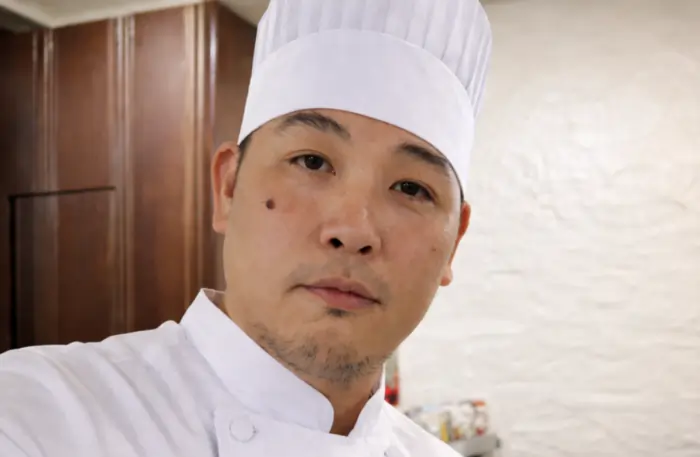
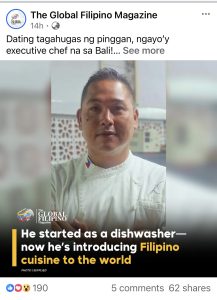
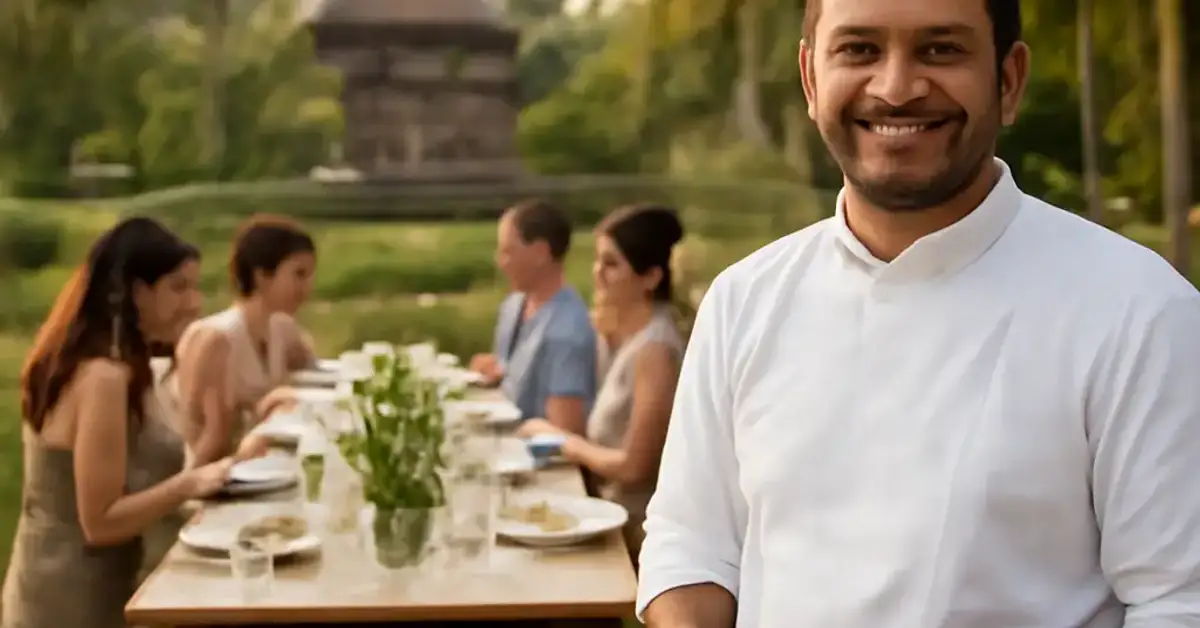
Chef Juan Gadi brings the heart of Filipino hospitality to Ubud, Bali. As an Executive Chef and consultant, he specializes in creating intimate, curated dining experiences that tell a story through every dish. Whether leading the kitchen at Kilig Filipino Warung or hosting a private villa dinner, Chef Juan’s approach is defined by warmth, modern technique, and a commitment to culinary excellence.