Cultural Meaning Behind Everyday Filipino Meals Key Takeaways
Everyday Filipino meals are far more than daily sustenance—they are a profound expression of family unity, hospitality, and resourcefulness that has been shaped by centuries of history and regional diversity.
- The cultural meaning behind everyday Filipino meals is rooted in values of Filipino family meals , sharing, and communal bonds.
- Rice serves as a sacred staple and symbol of life within the broader rice culture Philippines , while ulam and rice define the structure of every meal.
- From street food Philippines to karinderya meals , simplicity and accessibility reflect a resilient and inclusive food identity.
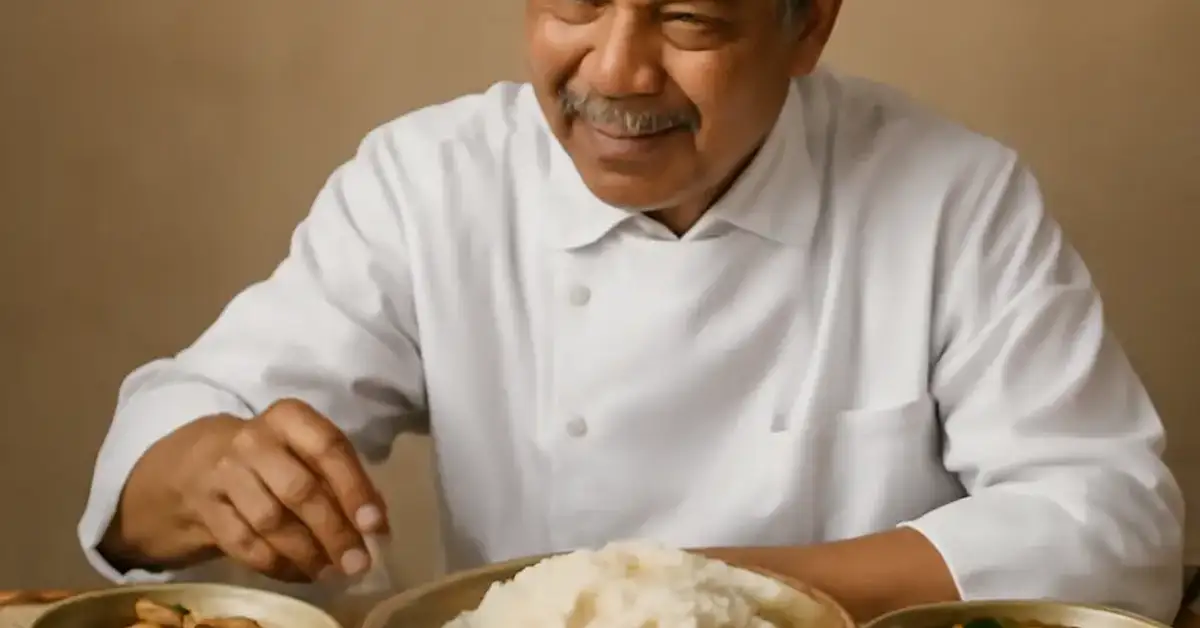
What Readers Should Know About the Cultural Meaning Behind Everyday Filipino Meals
In the Philippines, the table is never just a place to eat—it is a stage for relationships. Every spoonful of sinigang, every bite of adobo, and every grain of rice carries a story of family, history, and place. As Chef Juan Gadi reflects, “When I cook a meal for guests in Ubud, I am not just feeding them; I am inviting them into the Filipino home. That warmth is our greatest ingredient.”
To grasp the cultural meaning behind everyday Filipino meals, one must look beyond ingredients and recipes. It requires examining how daily meals reflect values such as hospitality, respect for elders, and the joy of sharing. This article explores seven key insights that reveal how everyday Filipino food serves as a living archive of culture and connection.
1. Rice Culture Philippines: The Sacred Grain of Life
Rice culture Philippines is the bedrock of every meal. Rice is not merely a side dish; it is the centerpiece, the anchor, and the symbol of life itself. The Filipino word kanin (cooked rice) is synonymous with food in a general sense. When a mother asks, “Kumain ka na ba?” (Have you eaten?), she is inquiring if you have had rice.
The Symbolism of the Rice Bowl
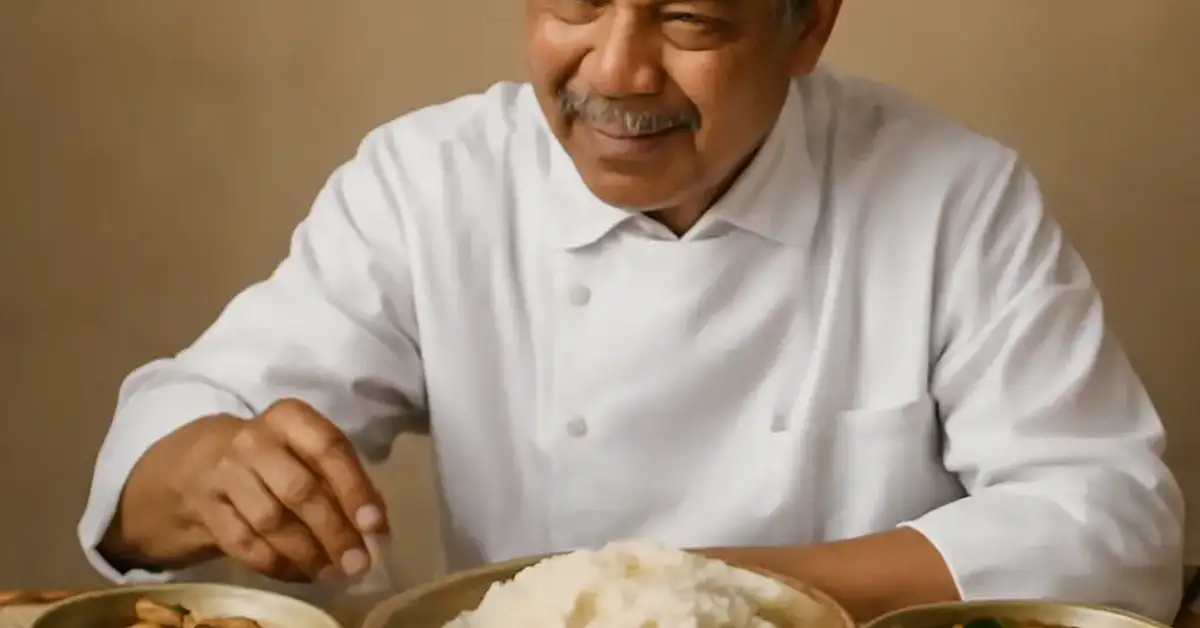
In Filipino households, the rice bowl represents food symbolism Philippines at its most elemental. It signifies abundance, sustenance, and the daily blessing of a full table. During meals, elders are served first, and their rice is often placed in the center of the table as a gesture of honor. This practice reinforces respect and hierarchy within the family structure.
Regional Varieties and Preparation
The regional Filipino cuisine landscape offers diverse rice traditions. In the north, dinengdeng is paired with steamed rice, while in the south, piyaya and other local treats complement sticky rice varieties. Brown rice, red rice, and the fragrant jasmine rice each have their place, but the act of cooking rice—whether in a traditional clay pot or a modern rice cooker—remains a daily ritual of care.
2. Ulam and Rice: The Perfect Pairing of Community
The relationship between ulam and rice is the defining feature of the Filipino plate. Ulam refers to the main dish that accompanies rice—anything from a rich adobo to a simple fried fish. But the cultural meaning goes deeper: ulam is designed to be shared.
The Concept of Shared Dishes
Unlike Western meals where each person has a portioned plate, Filipino meals are served family-style. Bowls of ulam sit in the center, and everyone reaches in, using their hands or spoons. This practice reinforces an egalitarian spirit and encourages conversation. According to Chef Juan Gadi, “The goal is to create a salu-salo culture where no one eats alone. That is the heartbeat of our food.”
Ulam as a Reflection of Resourcefulness
Everyday ulam dishes like ginisang munggo (sautéed mung beans) or tortang talong (eggplant omelet) are born from cultural food practices that prioritize making the most of available ingredients. This resourcefulness is a hallmark of Filipino home cooking, where leftovers are repurposed creatively, and a single chicken can stretch across three meals.
3. Salu-Salo Culture: The Heartbeat of Filipino Dining
Salu-salo culture is the Filipino term for communal dining. It literally translates to “eating together” and embodies the spirit of Filipino family meals. The table becomes a stage for storytelling, laughter, and emotional bonding.
Strengthening Relationships Through Shared Meals
In the Philippines, no celebration is complete without a salu-salo. Whether it is a simple weekday dinner or a fiesta, the act of gathering around food is sacred. Studies in cultural anthropology food show that shared meals strengthen social ties and foster a sense of belonging. In Filipino culture, this is particularly pronounced because meals are unhurried and inclusive.
Home-Cooked Meals as Acts of Love
Home-cooked meals Philippines are the ultimate expression of care. A mother waking early to cook arroz caldo for a sick child, or a grandmother preparing kare-kare for a family reunion, these acts are deeply emotional. Chef Juan Gadi notes, “When I cook a private villa dinner, I pour the same love my grandmother poured into her kitchen. That connection between food and feeling is what guests remember.”
4. Street Food Philippines and Karinderya Meals: Accessible Identity
Street food Philippines and karinderya meals are the most democratic expressions of Filipino food culture. From the sizzling isaw (chicken intestines) to the humble turon (banana spring roll), these foods are affordable, quick, and deeply flavorful.
Everyday Food as Cultural Leveler
A karinderya is a small, family-run eatery serving home-style dishes. It is where a construction worker and a businessman can sit side by side, eating the same adobo. This accessibility is key to Filipino food identity. It demonstrates that good food is not exclusive to high-end restaurants; it belongs to everyone.
Representation of Regional Diversity
Regional Filipino cuisine shines brightly on the streets. In Ilocos, you will find pinakbet; in Pampanga, sisig; and in Bicol, laing. Street vendors and karinderya owners are custodians of local flavors, passing down recipes that cannot be found in any cookbook. This grassroots level of cooking keeps Filipino food identity alive and evolving.
5. How Everyday Meals Reflect Regional Diversity and Local Ingredients
The Philippines is an archipelago of over 7,600 islands, and its cuisine reflects this diversity. Everyday Filipino meals are a canvas on which each region paints its character using local ingredients.
Regional Flavors in Daily Life
In the Visayas, meals are often lighter, featuring seafood and sour broths. In Mindanao, the influence of Muslim and Malay cultures introduces ingredients like coconut milk and turmeric. The Cordillera region uses root crops and wild vegetables. These differences are not just culinary—they are markers of identity and pride. Understanding the cultural meaning behind everyday Filipino meals means appreciating this mosaic of flavors.
The Role of Terroir in Filipino Cooking
Local ingredients dictate the rhythm of daily cooking. Mangoes, tamarind, calamansi, and coconut are not just flavors; they are part of the landscape. Filipino lifestyle food is seasonal and responsive to the environment. This connection to the land is a core value, teaching respect for nature and the importance of sustainable practices.
6. Influence of History and Cultural Exchange on Filipino Dishes
Filipino cuisine is a testament to centuries of cultural exchange. Malay, Chinese, Spanish, and American influences have all left their mark on everyday Filipino food. Understanding this history enriches the cultural meaning behind everyday Filipino meals.
Colonial Legacies on the Plate
Chinese traders introduced noodles (pancit), soy sauce, and dumplings. The Spanish brought stews like puchero and the tradition of merienda (afternoon snacks). Americans popularized canned goods and the use of SPAM. These ingredients and techniques were adapted and transformed into something uniquely Filipino. For example, adobo—often called the national dish—uses vinegar and soy sauce (Chinese influence) but employs a native Filipino method of braising.
Adaptation and Resilience
Cultural food practices show that Filipinos are masters of adaptation. During times of scarcity, they learned to preserve food through curing and fermentation. Dishes like daing na bangus (salted milkfish) or burong isda (fermented rice and fish) are everyday staples born from necessity but celebrated for their taste. This resilience is a key part of Filipino dining traditions.
7. Modern Influences, Migration, and the Future of Filipino Eating Habits
As families migrate and urbanize, Filipino eating habits are changing. Yet the core values of sharing and warmth remain resilient.
Urbanization and the Evolution of Meals
In cities like Manila, busy lifestyles have given rise to everyday Filipino food that is faster and more convenient. Fast-food chains offer Filipino-style meals, and delivery services make ulam and rice accessible anywhere. However, the salu-salo culture persists. Even in a tiny condo, families find ways to share a communal meal, often using video calls to connect with loved ones abroad.
Migration and the Global Diaspora
Filipinos abroad long for Filipino comfort food. Dishes like sinigang or bulalo evoke nostalgia and emotional comfort. Filipino comfort food is a bridge to home, offering solace in foreign lands. Chef Juan Gadi understands this deeply: “When I cook Filipino food in Bali, I am not just serving a dish—I am serving a memory. That is the power of our cuisine.”
How Filipino Family Meals Strengthen Bonds and Teach Values
Filipino family meals are a daily classroom where values are taught and reinforced. From a young age, children learn to wait for elders to start eating, to share food, and to express gratitude.
Respect for Elders at the Table
Filipino dining traditions include specific rituals: the po and opo (respectful terms) are used when addressing elders, and the best portions of food are offered to them. This practice, known as pagmamano (blessing of the hand), often happens before and after meals. These small acts reinforce the family hierarchy and the importance of respect. For a related guide, see How Filipino Family Traditions Live On Around the Dining Table.
The Role of Breakfast, Lunch, and Dinner Routines
Daily meal routines are anchors for family structure. Breakfast might be a quick silog (rice, egg, and meat), but it is a moment to connect before the day begins. Lunch is often a shared affair, especially on weekends. Dinner is the most important meal, where the family reconvenes to share stories and support. These routines are central to Filipino lifestyle food and social interaction.
Food Preparation as an Act of Care in Filipino Households
Cooking in the Philippines is never just a chore; it is an act of love. Filipino home cooking is often done by mothers, grandmothers, and eldest daughters, who pour their emotions into every dish.
The Emotional Weight of Cooking
When a loved one is sick, a family member will cook lugaw (rice porridge) or caldo. When a child returns home from abroad, a feast is prepared. This emotional investment is what makes home-cooked meals Philippines so special. The preparation itself becomes a language of care that transcends words.
Resourcefulness in Daily Cooking
Cultural food practices highlight the Filipino knack for diskarte—creative resourcefulness. Leftovers are transformed: adobo becomes adobo flakes, and day-old rice becomes sinangag (garlic fried rice). This not only reduces waste but also reinforces a sharing culture where nothing is wasted and portions are always divided generously.
Useful Resources
For readers interested in exploring deeper aspects of Filipino food culture, the following resources provide authoritative perspectives:
- National Commission for Culture and the Arts: Philippine Food Culture — A comprehensive overview of the historical and cultural context of Filipino cuisine.
- Food and Wine: The Traditions That Define Filipino Food Culture — An engaging article that explores modern and traditional aspects of Filipino dining.
Frequently Asked Questions About Cultural Meaning Behind Everyday Filipino Meals
What is the meaning of everyday Filipino meals?
Everyday Filipino meals are a reflection of core cultural values such as family unity, hospitality, and sharing. They are not just about sustenance but serve as daily rituals that strengthen social bonds and express care.
Why is rice important in Filipino culture?
Rice is considered a sacred staple and a symbol of life and nourishment in Filipino culture. It is the centerpiece of every meal, and the act of eating rice is intertwined with daily life, hospitality, and gratitude for abundance.
What is ulam in Filipino food?
Ulam refers to the main dish that accompanies rice. It can be any protein or vegetable-based dish, such as adobo, sinigang, or fried fish. Ulam is designed to be shared, reinforcing communal eating practices.
How do Filipino families eat together?
Filipino families typically eat together around a table with dishes placed in the center. This family-style dining, known as salu-salo culture, encourages sharing, conversation, and bonding. Meals are often unhurried and include all family members. For a related guide, see Why Filipino Hospitality Is Often Expressed Through Food.
What does salu-salo mean?
Salu-salo is a Filipino term that means “eating together.” It represents the communal spirit of Filipino dining, where meals are shared among family and friends, fostering a sense of belonging and togetherness.
How does Filipino food reflect culture?
Filipino food reflects culture through its emphasis on sharing, hospitality, and resourcefulness. The use of local ingredients, regional variations, and historical influences also tells the story of the archipelago’s diverse heritage and adaptive spirit.
Why are home-cooked meals important in the Philippines?
Home-cooked meals are important because they are acts of love and care. They are often prepared by family members and carry emotional weight, serving as a way to nurture, celebrate, and connect with loved ones.
What role does sharing play in Filipino dining?
Sharing is fundamental to Filipino dining. Dishes are served family-style, and everyone is encouraged to take portions from shared bowls. This practice reduces waste, promotes generosity, and strengthens communal bonds.
How does street food represent Filipino identity?
Street food represents Filipino identity by showcasing the country’s resourcefulness, creativity, and inclusive nature. It is affordable, accessible, and deeply rooted in local traditions, reflecting the everyday life and cultural diversity of the people.
How are Filipino eating habits changing today?
Filipino eating habits are evolving due to urbanization, migration, and globalization. There is a rise in convenience foods and international influences, but traditional values of sharing and family meals remain strong, even adapting through new forms like virtual dining.
What are typical examples of Filipino comfort food ?
Typical Filipino comfort foods include sinigang (sour soup), arroz caldo (rice porridge), bulalo (beef marrow stew), and champorado (chocolate rice porridge). These dishes evoke nostalgia and provide emotional solace.
How does the concept of ‘salu-salo’ strengthen community bonds?
The concept of salu-salo strengthens community bonds by creating a shared experience where individuals connect over food. It encourages open communication, mutual respect, and a sense of belonging within a group.
What is the significance of leftovers in Filipino culture?
Leftovers are significant because they reflect a culture of minimizing waste and promoting sharing. They are often repurposed into new dishes, demonstrating resourcefulness and a commitment to valuing food and resources.
How do religious and cultural practices influence Filipino eating habits?
Religious and cultural practices influence eating habits through fasting during Lent, feasting during fiestas, and saying prayers before meals. These practices reinforce gratitude, community, and spiritual connection through food.
What is the role of ‘karinderya’ in Filipino society?
A karinderya is a small, family-run eatery that serves affordable, home-style meals. It plays a key role in making Filipino food accessible to everyone and preserving local culinary traditions across communities.
How does migration affect traditional Filipino meal patterns?
Migration leads to the adaptation of recipes to available ingredients abroad and the fusion of Filipino flavors with local cuisines. However, it also strengthens the desire to preserve traditional dishes as a way to maintain cultural identity.
What is ‘ Filipino food identity ‘?
Filipino food identity is the collective culinary heritage that includes indigenous ingredients, historical influences, and communal eating practices. It is a dynamic concept that evolves while staying rooted in values of sharing and hospitality.
How do regional flavors shape daily meal variations?
Regional flavors shape daily meals by dictating the use of local ingredients like coconut in Bicol, seafood in coastal areas, and root crops in the highlands. These variations create a rich tapestry of dishes that celebrate local identity.
How do everyday meals act as a bridge between tradition and modern lifestyle?
Everyday meals act as a bridge by incorporating time-honored recipes and cooking methods while adapting to modern conveniences like faster cooking techniques or fusion flavors. This balance honors the past while meeting contemporary needs.
What is the overall understanding of everyday Filipino meals as a reflection of identity?
The overall understanding is that everyday Filipino meals are a mirror of the nation’s soul, reflecting values of community, resilience, and joy. They are living traditions that connect individuals to their heritage and to each other.
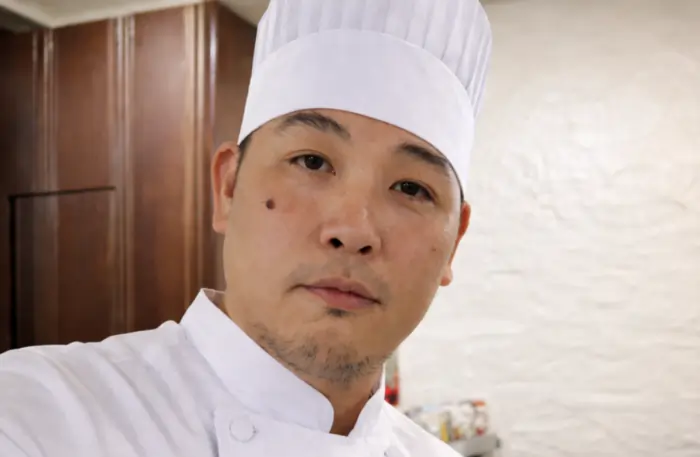
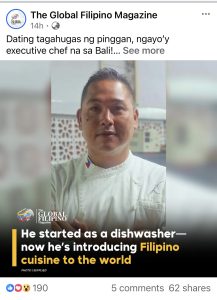
Chef Juan Gadi brings the heart of Filipino hospitality to Ubud, Bali. As an Executive Chef and consultant, he specializes in creating intimate, curated dining experiences that tell a story through every dish. Whether leading the kitchen at Kilig Filipino Warung or hosting a private villa dinner, Chef Juan’s approach is defined by warmth, modern technique, and a commitment to culinary excellence.