Overseas Filipinos Keep Food Traditions Alive Key Takeaways
Filipino migrants and their families carry the tastes of home across continents, transforming foreign kitchens into extensions of the Philippine archipelago.
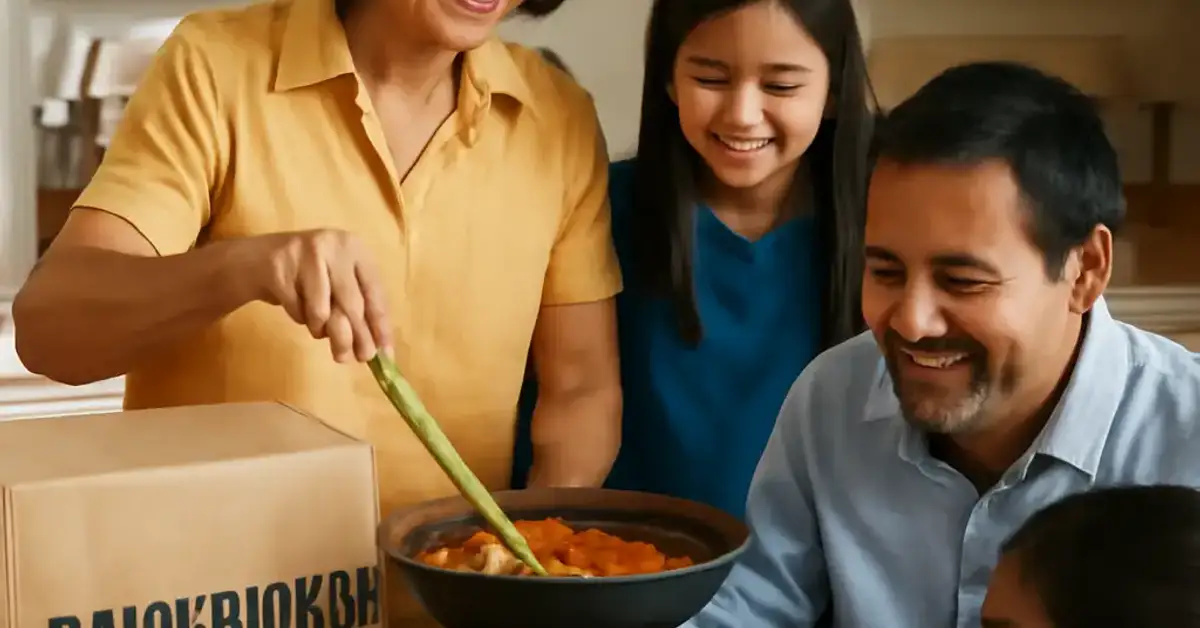
- Overseas Filipinos keep food traditions alive by sending and receiving balikbayan boxes filled with pantry staples and specialty items.
- Community gatherings, church events, and Filipino festivals abroad recreate the festive spirit of fiestas through shared cooking and eating.
- Restaurants and social media networks serve as cultural anchors, adapting classic dishes while safeguarding the core flavors of Filipino food abroad .
The Heartbeat of Home: Understanding the Filipino Diaspora Food
When I first stepped into a commercial kitchen in Ubud, I realized how powerful a single spoonful of sinigang could be. For an OFW halfway around the world, that sour, savory broth doesn’t just nourish the body—it heals the spirit. This is the essence of how overseas Filipinos keep food traditions alive despite time zones, language barriers, and unfamiliar supermarket aisles.
The Filipino diaspora food story is one of resilience and creativity. From Toronto to Tokyo, Manila to Milan, every pot of rice cooked abroad carries the memory of lola’s hands. And in every pinch of patis or dash of calamansi, there is an unspoken promise: we will not forget where we came from.
The Balikbayan Box as a Culinary Lifeline
No other tradition underscores the significance of remittances and balikbayan boxes in bringing Filipino food products overseas quite like the annual shipment of care packages. Inside each cardboard box, families back home send balikbayan box food: cans of corned beef, packs of sinigang mix, bottles of banana ketchup, dried fish, and the coveted ube halaya. These shipments are not just logistics—they are love letters sealed in tape and cardboard.
Remittances That Taste Like Home
For many OFWs, part of every paycheck goes toward stocking a balikbayan box food supply. This act of sending home—or receiving from home—ensures that overseas Filipinos cuisine remains authentic even when fresh talong or kangkong is unavailable. The box becomes a pantry of nostalgia, turning a foreign apartment into a familiar kitchen.
What Goes Inside the Box
A typical balikbayan box might hold packs of Mama Sita’s seasoning, bottles of Datu Puti vinegar, cans of evaporated milk for desserts, and vacuum-sealed tocino or longganisa. Each item is a thread connecting the migrant to the home cooking Philippines they left behind.
Recreating Home-Style Dishes with Local Ingredients
One of the most beautiful aspects of how Filipino migrants recreate home-style dishes using locally available ingredients is the creativity it demands. In countries where fresh malunggay leaves or gabi leaves are rare, Filipino cooks become expert improvisers. Swiss chard stands in for pechay; kale gets a quick blanch and becomes a substitute for kangkong. Immigrant food traditions are not rigid—they bend, adapt, and survive.
The Art of Ingredient Substitution
In Australia, a Filipino cook might use lemon myrtle to approximate the sourness of sampalok. In Canada, they might roast local squash and mash it with coconut milk to mimic ginataang kalabasa. This role of scarcity and creativity in ingredient substitution abroad does not diminish Filipino cuisine—it expands it.
Regional Dishes Go Global
Beyond adobo and lumpia, the influence of regional Filipino dishes in diaspora identity formation grows stronger every year. Ilocanos abroad make pinakbet with whatever vegetables are in season. Visayans cook batchoy using local pork bones and spices. These regional varieties remind us that cultural heritage food is never monolithic—it is as diverse as the islands themselves.
Family Gatherings Centered Around Shared Cooking
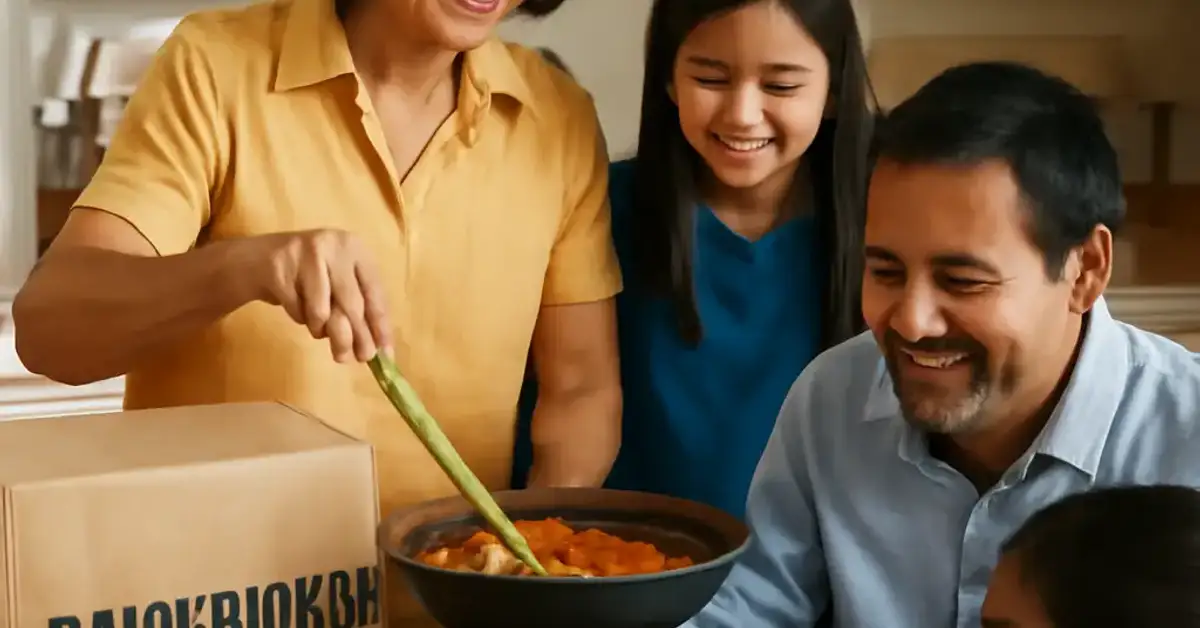
How family gatherings abroad center around Filipino meals and shared cooking is a story I see unfold every weekend in Bali. When overseas Filipinos gather, the kitchen becomes the heart of the home. Uncles man the grill, aunties chop vegetables on every available surface, and children are given small tasks—peeling garlic, washing rice. This collective effort is not just efficient; it is sacred.
The Sunday Lunch Tradition
In many diaspora households, Sunday lunch is the non-negotiable rhythm of the week. OFW food culture revolves around this meal: a table heavy with rice, pancit, lechon kawali, and a bowl of sinigang. The act of cooking together keeps cultural preservation alive because it embeds flavors into muscle memory.
Reducing Homesickness One Plate at a Time
For many migrants, how food helps reduce homesickness and strengthen cultural pride is tangible. There is something profoundly comforting about the smell of garlic frying in oil—it transcends geography. A bowl of arroz caldo on a cold London morning can feel like a hug from Manila.
Passing Down Recipes to Second-Generation Children
The importance of passing down recipes to second-generation Filipino children cannot be overstated. These recipes are oral histories. When a mother teaches her child how to make chicken adobo—how to brown the meat, when to add the vinegar, why you must never stir immediately—she is also teaching patience, resourcefulness, and identity.
Intergenerational Cooking in Migrant Families
I have watched second-generation kids in my kitchen in Ubud ask their grandmothers for the secret to perfect leche flan. These moments of intergenerational cooking are crucial. They ensure that even if a child speaks English or German with a foreign accent, they can still taste their heritage.
Preserving Language Through Food
The importance of cooking as a way to preserve language, memory, and heritage is often underestimated. When a grandmother names ingredients in Tagalog or Ilocano while cooking, the language lives. “Kunin mo ang kawali,” she says, and the child learns that a wok-like pan has a name in their mother tongue.
Community Events, Fiestas, and Cultural Celebrations
Influence of community events, fiestas, and cultural celebrations in preserving cuisine extends far beyond the feast day itself. Across the globe, Filipino communities organize Santacruzan processions, Flores de Mayo, and town fiestas that are as much about food as they are about faith.
Church Groups and Food-Centered Events
The role of church groups and community organizations in organizing food-centered events is vital. In cities like Dubai, Los Angeles, and Rome, Filipino churches host fundraisers where parishioners sell homemade kakanin, dinuguan, and puto. These events become weekly food fairs that anchor the community.
Filipino Festivals Abroad
From Barrio Fiesta in London to Pasko sa Seattle, Filipino festivals abroad spotlight Filipino diaspora food on a grand stage. Cooking competitions, lechon roasts, and boodle fights draw thousands. These gatherings reinforce cultural identity food and invite non-Filipinos to taste our heritage.
Restaurants as Cultural Anchors
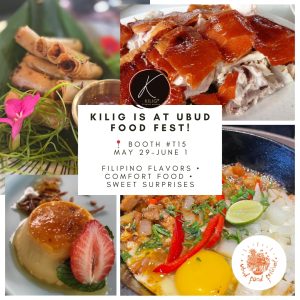
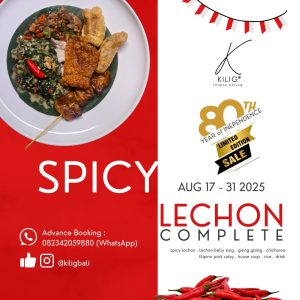
How Filipino restaurants abroad serve as cultural anchors for identity and belonging is a phenomenon I live daily. At Kilig Filipino Warung in Ubud, I see diners who have not eaten sinigang in years. They sit down, take a spoonful, and some even cry. A restaurant can be a sanctuary.
Beyond the Menu
Filipino restaurants overseas do more than serve meals—they become community hubs. They host karaoke nights, sell rare ingredients from the Philippines, and employ OFWs who bring their culinary expertise. These establishments are living museums of overseas Filipinos cuisine.
Fusion That Honors the Original
There is a difference between fusion that erases identity and fusion that celebrates it. The importance of adaptation and fusion while maintaining core traditional flavors is a delicate balance. A sisig taco or adobo-flavored ramen can be brilliant if the cook understands the soul of the original dish. Fusion Filipino cuisine done right pays homage, not disrespect.
Social Media and Online Cooking Communities
The role of social media and online communities in sharing recipes and cooking techniques has revolutionized how overseas Filipinos connect. Facebook groups like “Filipino Foodies Worldwide” or “OFW Recipes Abroad” have millions of members who post step-by-step guides, emergency substitutions, and nostalgic stories.
YouTube and TikTok Kitchens
Second-generation cooks film themselves replicating their grandmother’s recipes. These videos are watched by Filipino diaspora food lovers from Jakarta to Vancouver. The comments section fills with tips on how to cook Filipino dishes abroad—using Japanese mayonnaise instead of Lady’s Choice, or substituting kale for pechay.
Digital Recipe Preservation
Filipino recipes abroad are now being cataloged digitally, ensuring they survive even if the oral tradition fades. Blogs and YouTube channels serve as modern recipe books, complete with conversion tables for metric and imperial measurements. This digital turn accelerates cultural preservation while keeping the community connected.
How Filipino Cuisine Evolves in Multicultural Environments
The question how Filipino cuisine evolves in multicultural environments while staying recognizable fascinates me. In Malaysia, Filipino cooks might add sambal to their adobo. In Spain, they trade bagoong for anchovy-based sauces. Yet the dish remains unmistakably Filipino because the technique—the slow braise, the balance of sour and salty—does not change.
Staying Recognizable Through Core Flavors
Asian markets Filipino food sections play a key role here. They stock the essentials: patis, bagoong, sinigang packets, and frozen ube. Even in a foreign land, these products allow a cook to stay anchored to the home cooking Philippines that defines their palate.
Sustaining Traditions Through Grocery Stores
The role of Filipino grocery stores and Asian markets in sustaining food traditions cannot be ignored. These small shops are more than commercial spaces—they are community bulletin boards, news centers, and comfort zones. Shop owners often know what province you are from by the brand of bagoong you buy.
Practical Tips for Overseas Filipinos Keeping Traditions Alive
Whether you are a newly arrived OFW or a second-generation Filipino trying to reconnect, here are actionable steps to maintain your culinary heritage:
- Start with staples. Keep your pantry stocked with basic Filipino ingredients: soy sauce, vinegar, garlic, black pepper, and bay leaves.
- Join a local Filipino community group. Many cities have Facebook pages or church groups that organize palengke-style markets.
- Cook with your children. Make adobo or sinigang together every Sunday. Let them smell, taste, and touch each ingredient.
- Adapt, but document. Keep a small notebook of substitutions that work in your region. Share them online.
- Visit Filipino restaurants abroad. Support these establishments—they are the frontline of cultural preservation.
Useful Resources
For further reading on how overseas Filipinos keep food traditions alive, explore these trusted sources:
- Seattle Philippine Festivals: Celebrating Heritage Through Food — A community-driven event that showcases Filipino festivals abroad and traditional cooking demos.
- ScienceDirect Overview of the Filipino Diaspora Food — Academic insights into how Filipino diaspora food adapts and preserves identity across continents.
Conclusion: A Living Link Between Homeland and Diaspora
The overall significance of Filipino food as a living link between homeland and diaspora identity is immense. Every bowl of sinigang cooked in a foreign kitchen, every lumpia wrapper rolled by small hands, every balikbayan box food shipment received with tears—all of these actions affirm that Overseas Filipinos Keep Food Traditions Alive not because they must, but because they want to. Food is the language we all speak. Let’s keep cooking, keep sharing, and keep our heritage warm on every stove in the world.
Frequently Asked Questions About Overseas Filipinos Keep Food Traditions Alive
How do overseas Filipinos preserve food traditions?
Overseas Filipinos preserve food traditions through balikbayan boxes, recreating recipes with local ingredients, hosting family feasts, and passing down cooking knowledge to children. They also rely on Filipino grocery stores abroad and online communities to source authentic ingredients and share techniques. For a related guide, see The Importance of Elders in Preserving Filipino Food Traditions: 7 Timeless Lessons.
Why is Filipino food important for OFWs?
Filipino food is a direct channel to cultural identity food and emotional comfort. For OFWs, a familiar taste reduces homesickness and reinforces pride in diaspora identity. It is often the first and most powerful way they feel connected to home.
How do Filipinos cook abroad?
Filipinos abroad cook by adapting traditional recipes to available ingredients. They use local meats and vegetables, substitute tropical produce with regional alternatives, and rely on Asian markets Filipino food sections for essentials like bagoong and sinigang mixes.
What foods do Filipinos miss overseas?
Commonly missed foods include fresh tropical fruits like mango and rambutan, authentic home cooking Philippines staples such as crispy lechon, sinigang with fresh sampalok, and sweets like ube halaya and halo-halo. Many OFWs request these in balikbayan boxes.
How do Filipino communities stay connected through food?
Filipino communities stay connected by organizing potlucks, church fundraisers, and Filipino community events centered around shared cooking. Social media groups also enable members to swap Filipino recipes abroad and plan communal meals. For a related guide, see Understanding Bayanihan Through Shared Meals and Gatherings.
What is the role of Filipino restaurants abroad?
Filipino restaurants overseas serve as cultural anchors by offering authentic dishes, hosting community events, and providing a space for food nostalgia. They also introduce Filipino cuisine to non-Filipinos, expanding the reach of overseas Filipinos cuisine.
How do diaspora families pass down recipes?
Diaspora families pass down recipes through hands-on intergenerational cooking sessions, written family cookbooks, and video recordings. Grandmothers and mothers teach children the sensory cues—the smell of garlic browning, the feel of dough—that written recipes cannot capture.
How do Filipinos adapt recipes overseas?
Filipinos adapt recipes by substituting hard-to-find ingredients with local equivalents. For example, kale for kangkong, lemon juice for calamansi, or local fish for bangus. This role of scarcity and creativity in ingredient substitution abroad keeps the dish familiar while embracing local availability.
Why is food important for cultural identity abroad?
Food acts as a tangible link to cultural heritage food. For overseas Filipinos, cooking and eating traditional meals reinforces diaspora identity and preserves the language, stories, and rituals associated with each dish.
How does Filipino cuisine evolve in other countries?
Filipino cuisine evolves through fusion Filipino cuisine that blends local techniques with traditional flavors. It introduces new ingredients without losing the core sour, salty, and savory balance. Cultural preservation happens when evolution respects the original foundation.
What are balikbayan boxes and why are they important?
Balikbayan boxes are care packages sent from the Philippines to loved ones abroad. They contain balikbayan box food such as seasoning mixes, canned goods, and snacks. They are crucial because they provide authentic ingredients that are unavailable or expensive overseas.
Do Filipino grocery stores abroad sell authentic ingredients?
Yes, Filipino grocery stores abroad and Asian markets stock authentic products like Datu Puti vinegar, Mama Sita’s mixes, dried fish, and frozen ube. They are essential for sustaining food traditions among the diaspora.
How do church groups help preserve Filipino cuisine?
Church groups and community organizations organize food-centered events such as fundraisers, fiestas, and holiday celebrations. These events feature home cooking Philippines traditions and serve as gathering points for cultural preservation.
What is the influence of regional dishes on diaspora identity ?
The influence of regional Filipino dishes in diaspora identity formation is strong because migrants often identify first with their province or region. Dishes like Ilocano pinakbet or Visayan humba allow them to celebrate specific heritage within the larger Filipino diaspora food narrative.
How does cooking preserve language and memory?
Cooking preserves language and memory by using native terms for ingredients, techniques, and utensils. The importance of cooking as a way to preserve language, memory, and heritage is seen when children learn words like “kawali,” “sandok,” and “pamatay apoy” while cooking with elders.
What is the emotional comfort role of food for OFWs?
For OFWs, food nostalgia is a powerful emotion. Familiar smells and tastes reduce anxiety, combat loneliness, and provide a sense of belonging. How food becomes a form of emotional comfort and nostalgia for overseas workers is a core reason food traditions survive.
How can second-generation Filipinos reconnect with their culinary roots?
Second-generation Filipinos can reconnect by cooking with relatives, visiting Filipino restaurants abroad, following online Filipino recipes abroad channels, and attending Filipino community events where traditional food is central.
Are Filipino festivals abroad food-centric?
Absolutely. Filipino festivals abroad like Barrio Fiesta in London or Pasko in Seattle feature live cooking demos, lechon roasting, tasting booths, and competitions. They are major platforms for cultural heritage food promotion and community bonding.
What is the significance of social media for diaspora cooking?
Social media groups and platforms enable the role of social media and online communities in sharing recipes and cooking techniques. They allow real-time problem-solving, digital recipe archiving, and emotional support for overseas Filipinos cuisine practitioners.
How does fusion Filipino cuisine honor tradition?
Fusion Filipino cuisine honors tradition when it preserves the dish’s core identity—the balance of sour, salty, and savory—while incorporating local or modern elements. Chefs like myself emphasize that innovation should never erase the original soul of the recipe.
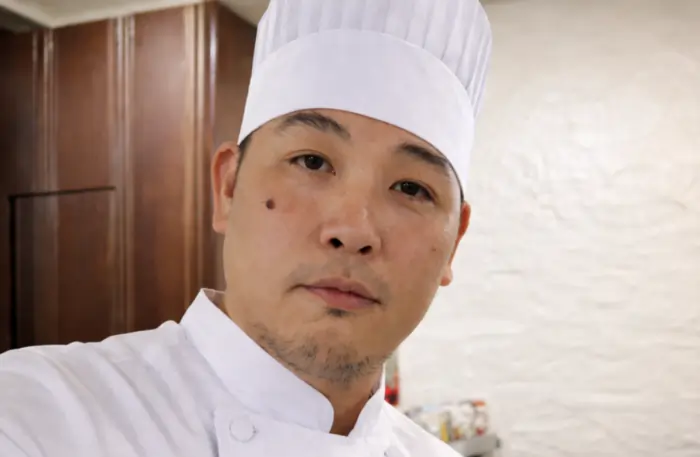
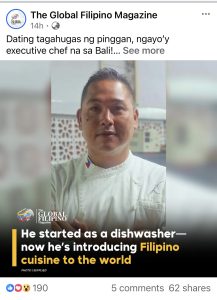
Chef Juan Gadi brings the heart of Filipino hospitality to Ubud, Bali. As an Executive Chef and consultant, he specializes in creating intimate, curated dining experiences that tell a story through every dish. Whether leading the kitchen at Kilig Filipino Warung or hosting a private villa dinner, Chef Juan’s approach is defined by warmth, modern technique, and a commitment to culinary excellence.