
Filipino Culture Continues to Influence Global Food Trends Key Takeaways
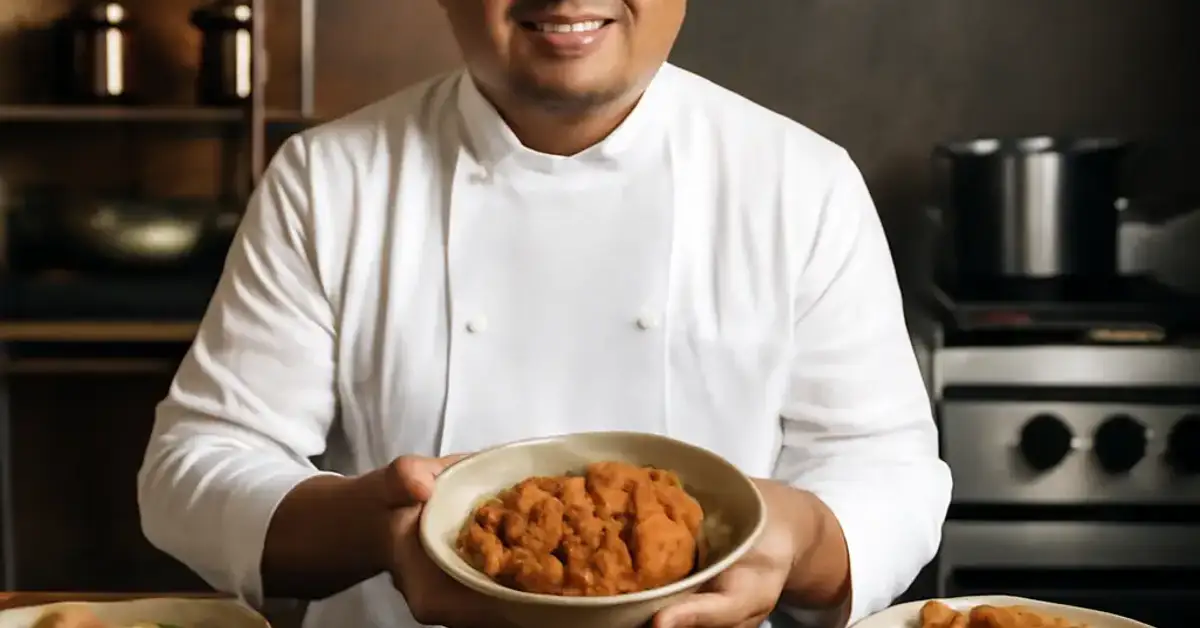
Filipino cuisine is no longer a hidden gem — it is a rising force reshaping menus from fine dining in New York to street food stalls in Bangkok.
- Filipino culture continues to influence global food trends through its signature sour, salty, and umami flavor combinations that appeal to modern palates.
- Diaspora chefs and social media have accelerated the visibility of Filipino comfort foods like adobo, sinigang, and lechon on international platforms.
- Filipino hospitality values — warm, communal, and story-driven — are setting new standards for experiential dining worldwide.
What Makes Filipino Flavors Uniquely Positioned for Global Palates
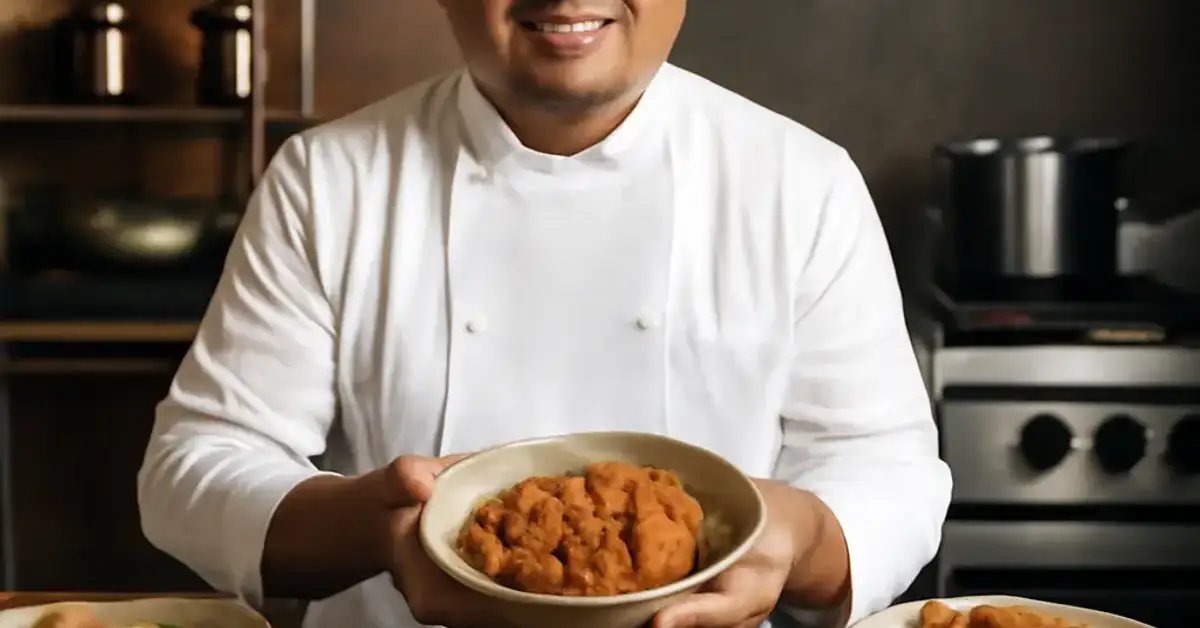
The question what makes Filipino flavors unique lies at the heart of why Filipino culture continues to influence global food trends. Filipino cuisine is defined by a fearless layering of sour, salty, umami, and sometimes sweet notes. Unlike other Southeast Asian cuisines that rely heavily on spice heat, Filipino cooking emphasizes a bright acidity from ingredients like calamansi, tamarind, and vinegar, balanced by the depth of fish sauce (patis) and fermented shrimp paste (bagoong). This flavor architecture is incredibly versatile — it can elevate a simple bowl of rice or transform a slow-braised pork belly into a globally recognized dish. For a related guide, see Why Filipino Breakfast Culture Deserves Global Attention.
Chef Juan Gadi, who leads the kitchen at Kilig Filipino Warung in Ubud, explains that this boldness is not an accident but a reflection of the archipelago’s history of trade and agriculture. “Our flavors tell the story of our islands — tropical, abundant, and meant to be shared. When global diners taste that honesty, they connect with it immediately.” This connection is a key reason for the rising global recognition of Filipino cuisine in international dining scenes. The importance of bold flavor profiles such as sour, salty, and umami in shaping modern global taste preferences cannot be overstated; chefs worldwide are adopting these profiles to create dishes that are memorable and crave-worthy.
The Role of Sour and Umami in Modern Menus
In an era where global culinary trends are moving away from one-dimensional flavors, Filipino cuisine offers a sophisticated alternative. The sourness of sinigang — a tamarind-based soup — provides a refreshing counterpoint to rich proteins, while the salty-umami punch of adobo’s soy-vinegar marinade creates a deep savoriness that appeals to the same taste receptors that love Parmesan and miso. As a result, adobo international popularity has surged, with versions popping up on menus from London to Tokyo. This demonstrates how Filipino cuisine global influence is expanding beyond niche ethnic restaurants into mainstream dining.
How Adobo and Sinigang Are Reshaping Comfort Food Categories
The influence of Filipino comfort foods like adobo, sinigang, and lechon on global menus is a testament to their universal appeal. These dishes are not just food — they are edible nostalgia. Adobo, with its tender meat simmered in a tangy soy-vinegar sauce, has become a poster child for comfort food trends. Similarly, sinigang offers a soothing, tangy broth that feels both nourishing and exciting. Lechon, the iconic roasted pig with crispy skin and juicy meat, has become a centerpiece for celebrations worldwide, often featured in food festivals and pop-ups that celebrate cultural cuisine influence.
Chef Juan notes that these dishes transcend their origins because they fulfill a fundamental human need for warmth and satisfaction. “When I serve adobo at a private villa dinner in Bali, guests don’t need to know the history of the Philippines to love it. They just know it makes them feel good.” This emotional resonance is why Filipino food culture is increasingly integrated into the evolution of global comfort food. The importance of authenticity and heritage in global Filipino food branding ensures that while the dishes may be adapted, their soul remains intact.
Filipino Fusion Cuisine: A New Language in Multicultural Kitchens
One of the most exciting developments in culinary globalization is the rise of Filipino fusion cuisine emerging in multicultural restaurants worldwide. Chefs are experimenting with Filipino flavors in unexpected contexts — adobo tacos in Los Angeles, sinigang ramen in Manila, and lechon kawali (crispy fried pork belly) served alongside kimchi in Seoul. This fusion is not about dilution but about conversation. It asks: what happens when you combine the sour of sinigang with the richness of French butter? Or when you use bagoong as a finishing salt in Italian pasta?
This trend speaks directly to how Filipino cuisine is evolving in international restaurants. The role of diaspora chefs in introducing Filipino flavors to global audiences is critical here. They act as cultural translators, adapting traditional techniques for new contexts while preserving the core identity. Chef Juan Gadi exemplifies this balance. At Kilig Filipino Warung, he marries traditional Filipino cooking techniques such as slow stewing, grilling, and souring with modern plating and locally sourced Bali ingredients. The result is a menu that feels both deeply rooted and refreshingly new — a perfect model for how Filipino chefs impact global cuisine with both skill and soul. For a related guide, see How Traditional Filipino Cooking Inspires Modern Dining in Bali.
Street Food Goes Global: The Rise of Filipino Street Food
The increasing popularity of street food-inspired dining concepts influenced by Filipino culture is another powerful wave. Filipino street food — from skewered pork barbecue to fried lumpia (spring rolls) and sweet halo-halo — has become a favorite at night markets, food trucks, and fast-casual chains outside the Philippines. This segment of the market is booming because it aligns with the global demand for affordable, quick, and flavorful meals. The integration of Filipino flavors in fast-casual and street food chains is now a strategic move for brands looking to differentiate themselves.
Chef Juan observes that street food is often the first point of contact for many international diners. “Street food is honest. There’s no pretense. When someone bites into a perfectly grilled pork stick dipped in spiced vinegar, they get an immediate, unfiltered taste of the Philippines.” This accessibility has helped fuel global gastronomy interest and is a major reason why is Filipino food becoming popular worldwide. The role of pop-up restaurants and food festivals in spreading Filipino cuisine globally cannot be ignored either; these events provide low-risk, high-impact platforms for chefs to showcase their heritage.
The Heart of the Table: Communal Dining and Hospitality
Beyond the ingredients and techniques, Filipino culture continues to influence global food trends through its deep-rooted emphasis on community. The importance of communal dining and shared meals in shaping modern social dining trends is reflected in the Filipino tradition of “boodle fight” — a military-style feast where food is spread on banana leaves and eaten with hands. This interactive, egalitarian style of eating is now emulated by restaurants worldwide seeking to create memorable group experiences.
Equally important is the influence of Filipino hospitality values on global restaurant service culture. In the Philippines, hospitality (or “pakikipagkapwa-tao”) is not a job — it is a genuine warmth and generosity extended to guests. This translates into service that is attentive without being intrusive, personal without being familiar. Chef Juan Gadi, who brings this ethos to his work in Bali, explains: “We call it ‘malasakit’ — a caring that goes beyond obligation. It’s about making every guest feel like they are dining in our home.” As the global restaurant industry increasingly prioritizes experience over transaction, this Filipino approach offers a powerful template.
Food Storytelling and Experiential Dining
The role of storytelling in Filipino cuisine contributing to experiential dining trends is particularly relevant for cultural researchers and hospitality professionals. Every Filipino dish carries a narrative — of family recipes passed down through generations, of regional ingredients harvested from volcanic soil, of feasts that mark life’s milestones. Chefs like Juan Gadi are weaving these stories into their menus, creating experiences that educate and delight simultaneously. This trend aligns with the broader food storytelling movement, where diners seek not just a meal but a deeper connection to a place and its people.
Tropical Abundance: Ingredients That Inspire Global Menus
The influence of tropical and island ingredients from Filipino cuisine on global menus is profound. Filipino cooking makes expert use of ingredients like coconut (in various forms: milk, cream, oil), tubers (ube, purple yam; cassava), tropical fruits (mango, calamansi, banana heart), and seafood from its vast archipelago. These ingredients are not only delicious but also resonating with global trends toward plant-forward eating, whole foods, and exotic produce. The growing demand for Southeast Asian flavors in international food markets has put the Philippines in the spotlight, alongside its neighbors Thailand and Vietnam.
Filipino desserts are a prime example. Ube, with its vibrant purple hue and nutty-sweet flavor, has become a darling of global café and bakery trends, appearing in everything from lattes to cheesecakes to doughnuts. Halo-halo, a shaved ice dessert layered with fruits, jellies, and ice cream, is inspiring new dessert concepts that emphasize texture and color. This demonstrates how Filipino cuisine contributes to the evolution of global comfort food categories by offering both novelty and familiarity. The influence of regional diversity in Philippine cuisine on global culinary creativity is equally significant — from the coconut-rich dishes of Bicol to the grilled seafood of the Visayas, Filipino regional cuisines provide a rich palette for food innovation.
Social Media as a Catalyst for Global Visibility
No discussion of modern food trends is complete without examining the importance of social media in amplifying Filipino food visibility worldwide. Platforms like Instagram, TikTok, and YouTube have been instrumental in introducing Filipino dishes to a global audience. Food bloggers and home cooks share videos of making adobo, the cracking skin of lechon, and the colorful layers of halo-halo. Visually striking dishes perform exceptionally well in the attention economy, and Filipino cuisine delivers on this front abundantly.
This digital exposure directly addresses the question what role does social media play in Filipino food popularity. It creates a virtuous cycle: increased visibility drives curiosity, which leads to restaurant visits, which generates more content. Chef Juan Gadi acknowledges that social media has helped him connect with diners who arrive at Kilig already eager to try dishes they first encountered online. “They come with a sense of discovery. They’ve seen the adobo on a reel, and now they want to taste it. That’s powerful.”
Diaspora Chefs: Ambassadors of Flavor and Heritage
The role of diaspora chefs in introducing Filipino flavors to global audiences is arguably the most critical factor in this movement. Chefs of Filipino heritage working in kitchens around the world are not just cooking — they are pioneering a culinary identity. They bring technical mastery from international training while drawing on childhood memories and family recipes. This dual perspective allows them to innovate while respecting tradition. Notable figures like Claude Tayag, Margarita Forés (who brought Filipino fine dining to global attention), and a new generation including Chef Juan Gadi are proving that Filipino food belongs in the upper echelons of global gastronomy.
These diaspora chefs also answer the question how do Filipino chefs impact global cuisine. They bring distinct techniques — the art of slow stewing, the precision of grilling over live coals, the bold use of souring agents — and integrate them into the broader culinary conversation. Chef Juan Gadi’s work in Bali is a microcosm of this trend. By combining his Filipino heritage with Indonesian ingredients and international techniques, he creates dishes that are at once familiar and surprising, advancing how Filipino cuisine is evolving in international restaurants.
Fine Dining with Soul: Redefining Luxury Through Authenticity
The how Filipino chefs are redefining fine dining with cultural authenticity and innovation trend is reshaping what luxury dining can mean. Traditionally, fine dining was synonymous with European techniques and ingredients. Today, there is a growing appreciation for cuisines that tell a specific, grounded story. Filipino fine dining restaurants and events — from intimate villa dinners hosted by Chef Juan Gadi to tasting menus in Manila and New York — are proving that luxury can be found in the humble tamarind, the humble banana leaf, and the tradition of sharing.
This movement is also visible in the increasing integration of Filipino flavors in fast-casual and street food chains, where quality and authenticity are now expected even at lower price points. The importance of authenticity and heritage in global Filipino food branding ensures that even as Filipino food scales, it maintains its soul. The question how does Filipino cuisine influence global food trends finds its most profound answer here: it offers a model for how a cuisine can achieve global relevance without losing its local heart.
Useful Resources
To explore the topics discussed in this article further, consider these resources:
- The New York Times: How Filipino Food Is Finally Getting Its Due — A feature on the rise of Filipino cuisine in the U.S. and beyond.
- Saveur: The Global Influence of Filipino Cuisine — An in-depth look at how Filipino flavors are permeating international food culture.
Frequently Asked Questions About Filipino Culture Continues to Influence Global Food Trends
How does Filipino cuisine influence global food trends ?
Filipino cuisine influences global food trends through its bold flavor profiles—sour, salty, umami—that appeal to modern palates, its comfort food appeal, and its integration into fusion and street food concepts worldwide.
Why is Filipino food becoming popular worldwide ?
Filipino food is gaining global popularity due to its unique and approachable flavors, the efforts of diaspora chefs, social media exposure, and a growing interest in Southeast Asian cuisine among international diners.
What Filipino dishes are known internationally ?
Internationally known Filipino dishes include adobo (braised meat in soy-vinegar), sinigang (sour tamarind soup), lechon (roasted pig), lumpia (spring rolls), and halo-halo (shaved ice dessert).
How do Filipino chefs impact global cuisine ?
Filipino chefs impact global cuisine by introducing traditional cooking techniques like slow stewing and souring, creating fusion dishes that bridge cultures, and redefining fine dining with authenticity and storytelling.
What makes Filipino flavors unique ?
Filipino flavors are unique for their balanced use of sour (calamansi, tamarind, vinegar), salty (fish sauce, patis), and umami (bagoong, soy sauce), rarely relying on spicy heat like other Southeast Asian cuisines.
How is adobo influencing global menus ?
Adobo is influencing global menus as a versatile, umami-rich dish that adapts well to different proteins and presentations, from casual bowls to fine dining plates, often featured in fusion and comfort food concepts.
Why is Southeast Asian food trending globally ?
Southeast Asian food is trending because of its fresh, bold flavors, use of tropical ingredients, and alignment with health and wellness trends, along with increased travel and media exposure.
How does diaspora help spread Filipino cuisine ?
The Filipino diaspora spreads cuisine by opening restaurants, hosting pop-ups, participating in food festivals, and sharing recipes online, acting as cultural ambassadors who introduce global audiences to authentic flavors.
What role does social media play in Filipino food popularity ?
Social media amplifies Filipino food visibility through visually appealing content—adobo, lechon, halo-halo—that drives curiosity, restaurant visits, and user-generated sharing, creating a viral cycle of discovery.
How is Filipino cuisine evolving in international restaurants ?
Filipino cuisine in international restaurants is evolving through fusion adaptations, upscale presentations, and incorporation of local ingredients while maintaining core flavors, with chefs like Juan Gadi leading innovation.
What are the key flavor profiles in Filipino cooking?
Key flavor profiles in Filipino cooking are sour (from tamarind, calamansi, vinegar), salty (from fish sauce, salt), and umami (from bagoong, soy sauce), often balanced with sweetness and subtle bitterness.
How does Filipino hospitality differ from other cultures?
Filipino hospitality is characterized by genuine warmth, generosity, and a communal spirit known as ‘malasakit,’ prioritizing the guest’s comfort and experience above all, often seen in ‘boodle fight’ dining.
What is ‘boodle fight’ and why is it popular?
‘Boodle fight’ is a communal dining style where food is spread on banana leaves for hands-on eating, popular for its interactive and social nature, now inspiring modern group dining concepts globally.
What tropical ingredients are central to Filipino cuisine?
Central tropical ingredients include coconut (milk, cream, oil), ube (purple yam), calamansi, mango, tamarind, banana blossom, and various seafood, celebrated for their freshness and versatility.
How is Filipino street food influencing global food culture?
Filipino street food like barbecue skewers, lumpia, and iskrambol (shaved ice) influences global food culture by inspiring fast-casual concepts and food truck menus that offer bold, affordable, and portable flavors.
What is the role of storytelling in Filipino cuisine?
Storytelling in Filipino cuisine creates experiential dining by sharing narratives of family, region, and history through dishes, enhancing guest engagement and deepening appreciation for the culture.
How are Filipino desserts gaining global attention?
Filipino desserts like ube halaya, halo-halo, and leche flan gain global attention through their vibrant colors, unique textures, and adaptation into café trends like ube lattes and doughnuts.
What cooking techniques are distinctive to Filipino food?
Distinctive techniques include adobo (slow stewing in vinegar and soy), inihaw (grilling over charcoal), sinigang (souring with tamarind), and ginataan (cooking in coconut milk), each imparting deep flavor.
How do pop-ups and food festivals help Filipino cuisine?
Pop-ups and food festivals provide low-risk platforms for chefs to introduce Filipino dishes to new audiences, generate buzz, and build demand that leads to permanent restaurant openings and brand growth.
What is the future of Filipino cuisine in global gastronomy ?
The future of Filipino cuisine is bright, with increasing fine dining representation, mainstream fast-casual integration, and continued innovation by diaspora chefs, positioning it as a major force in global culinary trends.
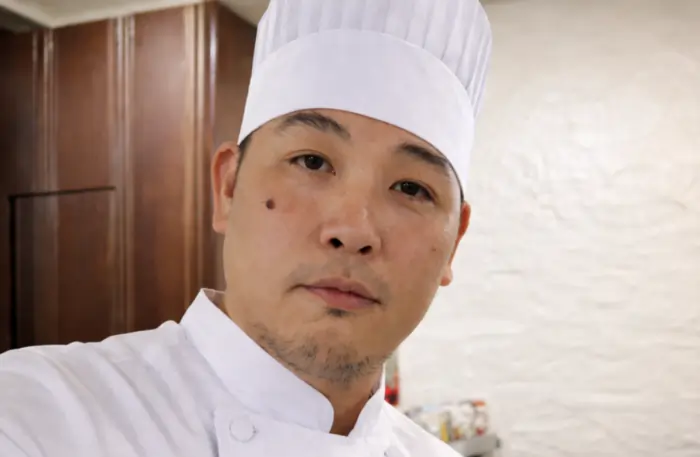
Chef Juan Gadi brings the heart of Filipino hospitality to Ubud, Bali. As an Executive Chef and consultant, he specializes in creating intimate, curated dining experiences that tell a story through every dish. Whether leading the kitchen at Kilig Filipino Warung or hosting a private villa dinner, Chef Juan’s approach is defined by warmth, modern technique, and a commitment to culinary excellence.