
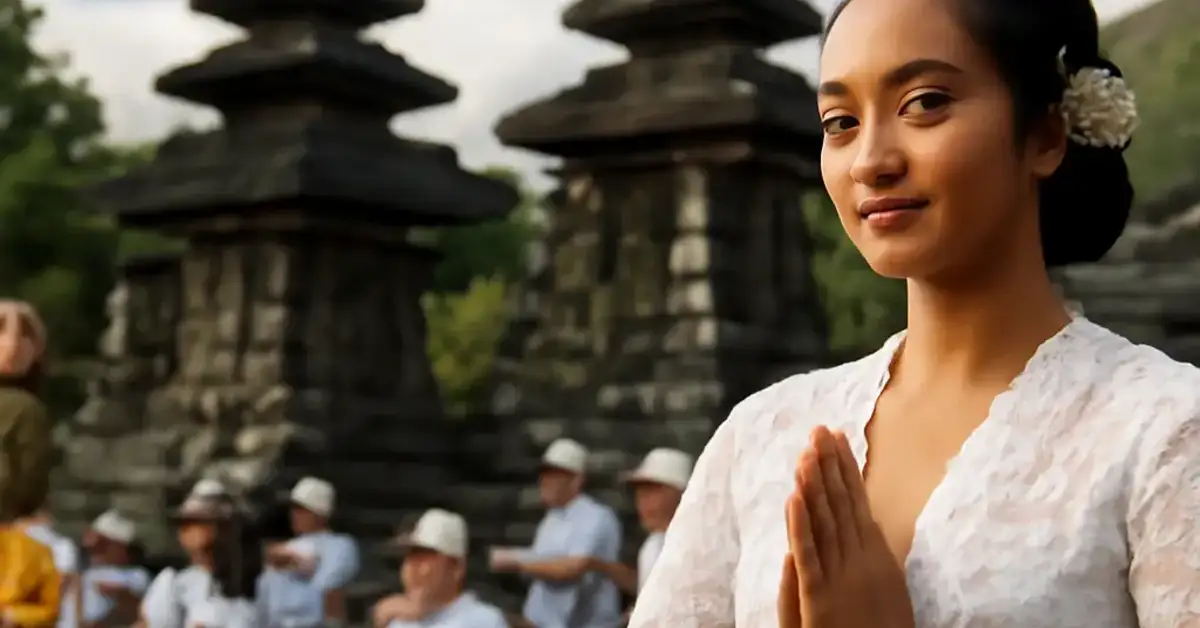
Bali Balances Tourism With Cultural Preservation Key Takeaways
Bali is a world-famous destination where millions of visitors flock each year to experience its temples, rice terraces, and vibrant arts.
- Bali Balances Tourism With Cultural Preservation by enforcing zoning laws, limiting hotel construction in sacred areas, and requiring all tourism businesses to contribute to cultural heritage in Bali initiatives.
- Protecting Balinese culture relies on local communities who actively govern temple rituals, perform traditional arts , and operate community based tourism Bali projects that share authentic village life.
- Sustainable tourism in Bali succeeds when visitors choose responsible travel practices such as dressing modestly at temples, hiring local guides, and attending cultural festivals that directly fund heritage conservation .
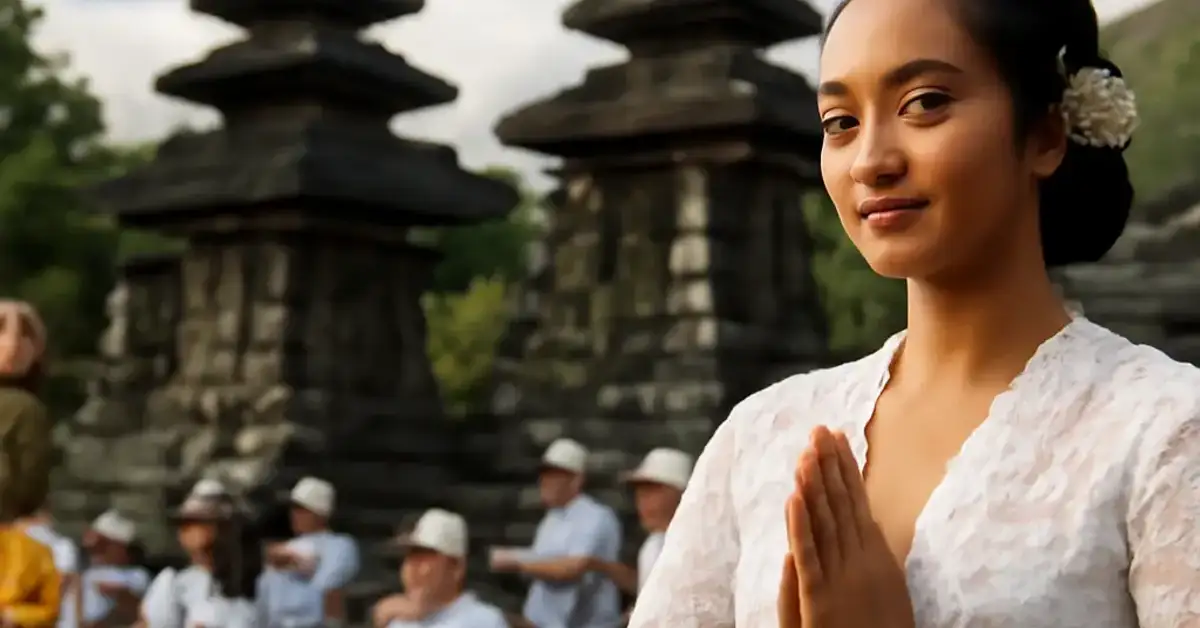
Why Bali Balances Tourism With Cultural Preservation Matters for Every Visitor
When I first arrived in Ubud over a decade ago, I was struck by the daily rhythm of temple ceremonies performed beside busy tourist streets. The women still carried offerings on their heads, the air smelled of incense, and every driver — whether carrying a passenger or not — paused at a shrine to bless their vehicle. That balance between a living culture and a global tourism machine is not accidental. Bali tourism management has evolved over decades through a blend of government regulation, religious devotion, and grassroots determination. For a related guide, see Exploring Bali Through Its Morning Rituals and Daily Life.
The stakes are high. Bali receives more than six million visitors a year, and unchecked growth can easily erode the Balinese cultural identity that defines the island. Yet because preserving local traditions is embedded in the Balinese Hindu philosophy of Tri Hita Karana — harmony between people, nature, and the divine — the island has invented creative guardrails that let tourism thrive without destroying its soul. For a related guide, see How Ubud Became a Global Hub for Creative Travelers.
As an executive chef who left the Philippines to open Kilig Filipino Warung in Ubud, I have seen firsthand how a destination can welcome the world while keeping its Balinese values intact. Every morning, my team and I source local ingredients from farmers who still tend their land according to traditional subak irrigation systems. That is sustainable tourism in Bali in action — not a marketing slogan, but a daily practice.
The Core Strategy: Balancing Tourism and Tradition Through Community Ownership
One of the most powerful tools for protecting Balinese culture is the banjar, or traditional village council. Every decision about land use, event permits, and business licensing in a Balinese village must be approved by the banjar. This grassroots governance ensures that local communities have the final say in how tourism develops in their own neighbourhoods.
How the Banjar System Preserves Cultural Heritage in Bali
Unlike other tourist destinations where outside investors can buy land and build without local consent, Bali’s banjar system forces developers to negotiate directly with residents. Many villages have passed strict regulations: no buildings taller than a coconut tree, no loud music after 10 p.m., and mandatory contributions to temple maintenance from every tourism-related business. This is the backbone of Bali cultural preservation — a legal and social structure that puts tradition first.
Community Based Tourism Bali in Action
Villages like Penglipuran, Tenganan, and Trunyan are model examples. Visitors pay an entry fee that goes directly to the village cooperative, which funds heritage conservation, waste management, and scholarships for local children to learn traditional arts. When you stay in a homestay or take a cooking class in one of these villages, you are not just a tourist — you are a participant in community based tourism Bali that sustains the culture.
Why Cultural Preservation Is the Foundation of Sustainable Tourism in Bali
Without Bali cultural preservation, the island’s tourism product would simply be another beach-and-villa destination. The real draw is the cultural heritage in Bali — the thousand-year-old rituals, the gamelan orchestras, the intricate dance stories told at temple festivals. If those traditions fade, so does the reason most travellers visit.
The Economic Logic of Bali Cultural Sustainability
Research from the Bali Tourism Board shows that visitors who attend a temple ceremony or learn about Balinese traditions stay an average of three more days and spend 40 percent more than those who simply lounge by the pool. Balancing tourism and tradition is not just noble — it is profitable. Responsible tourism Bali appeals to high-value travellers who care about authentic experiences and are willing to pay for depth rather than volume.
Tourism Impact on Bali and the Response
The challenges are real: water shortages from intensive resort development, plastic pollution on beaches, and the commodification of sacred rituals. But the response has been equally robust. The provincial government now requires all new hotels to submit a cultural impact assessment alongside their environmental one. Non-compliant businesses can lose their permits. This is a direct example of Bali tourism management that prioritises protecting Balinese culture.
What Measures Help Protect Balinese Traditions from Tourism Pressures
A combination of government policies, religious institutions, and local communities works together to maintain Bali cultural preservation. Below are the most effective measures currently in place.
| Measure | Who Implements It | How It Helps |
|---|---|---|
| Temple entry rules | Village banjar | Requires modest dress, bans photography during ceremonies, limits visitor numbers |
| Building height restriction | Provincial government | Preserves sightlines, prevents skyscraper sprawl near cultural festivals sites |
| Local guide certification | Bali Tourism Office | Ensures guides respect local customs and explain Balinese values accurately |
| Community waste management | Banjar + NGOs | Reduces tourism impact on Bali by keeping villages clean |
| Cultural performance permits | Village authorities | Prevents exploitative shows and ensures artists are paid fairly |
How Local Communities Contribute to Preserving Bali’s Culture
The most important guardians of Balinese cultural identity are the people who live it every day. Local communities across the island have created initiatives that keep traditional arts alive while sharing them with visitors in a respectful way.
Village Cooperatives and Authentic Bali Experiences
In the village of Bedulu, a women’s cooperative runs a daily traditional cooking class where guests learn to make lawar and sate lilit using ingredients from the family garden. The money funds heritage conservation and sends local children to traditional dance school. “We do not perform for tourists,” Ibu Wayan, the cooperative leader, told me. “We invite them into our home. That is different.” This is community based tourism Bali at its finest — a model where the community retains full ownership.
The Role of Temple Ceremonies in Bali Cultural Preservation
Temple ceremonies are not tourist shows. They are religious obligations that reinforce Balinese values of gratitude, community, and devotion. Many temples allow quiet observation, but they strictly limit interference. Visitors are welcome to watch a temple ceremony if they dress respectfully, sit on the ground, and remain silent during prayers. This policy protects Balinese culture by ensuring rituals remain sacred rather than becoming performances.
How Sustainable Tourism Supports Balinese Heritage
Sustainable tourism in Bali is not just about eco-lodges and bamboo architecture. It is a holistic system that funds cultural heritage in Bali while minimising negative tourism impact on Bali.
Eco-Tourism and Cultural Learning Go Hand in Hand
Guests who book a community based tourism Bali stay in a village homestay often learn about sustainable development — how the village manages water, grows food, and maintains its cultural heritage in Bali. These experiences are deeply educational and directly fund heritage conservation projects. For example, the Green School in Sibang Kaja works with local villages to create eco tourism trails that pass through temple ceremonies sites and traditional arts studios, creating income without exploitation.
What Challenges Does Bali Face from Increasing Tourism
No system is perfect. Bali balances tourism with cultural preservation daily, but it faces serious headwinds. Water scarcity is the most pressing issue — luxury resorts consume far more water than villages, and the island’s aquifers are being depleted. Tourism impact on Bali also includes land conversion, where rice paddies are replaced by villas, threatening the subak irrigation system that UNESCO recognises as cultural heritage in Bali.
Another challenge is the commodification of Balinese traditions. Street vendors sell “sacred” items as souvenirs, and some tour operators stage fake temple ceremonies for photo opportunities. The banjar system actively polices these abuses, but enforcement remains uneven.
How Can Travelers Help Protect Local Culture in Bali
Every traveller plays a role in balancing tourism and tradition. Here is a practical checklist for responsible travel in Bali.
- Dress modestly at temples — cover shoulders and knees, wear a sarong.
- Hire local guides certified by the Bali Tourism Board who respect local customs.
- Choose community-run accommodation over large chain resorts.
- Ask permission before photographing people, especially during temple ceremonies.
- Attend cultural festivals organised by villages, not commercial ticket sellers.
- Support traditional arts by buying directly from artisans in village life settings.
- Avoid single-use plastic and patronise businesses that follow sustainable development practices.
- Learn a few words of Bahasa Indonesia or Balinese — it shows respect for Balinese culture.
What Cultural Experiences Can Visitors Enjoy Responsibly
Authentic Bali experiences exist in abundance for travellers who seek them out responsibly. Here are some of the best options.
| Experience | Location | How to Enjoy It Responsibly |
|---|---|---|
| Traditional dance performance | Ubud Palace, village temples | Attend a legitimate village-run show, not a fabricated tourist version |
| Cooking class with local family | Bedulu, Payangan | Book through a village cooperative that pays locals fairly |
| Temple visit during ceremony | Besakih, Tanah Lot, Uluwatu | Observe silently, do not interrupt, donate to the temple fund |
| Rice terrace walk | Tegalalang, Jatiluwih | Hire a local farmer guide, stay on marked paths |
| Silver or batik workshop | Celuk, Gianyar | Take a class from a master artisan who passes down traditional arts |
How Bali Maintains Its Cultural Identity Despite Global Tourism
The secret to Bali’s resilience is that Balinese cultural identity is not a museum piece — it is a living, evolving practice. Bali cultural preservation is not about freezing traditions in time, but about allowing them to adapt while remaining rooted in Balinese values. For example, young Balinese musicians now blend gamelan with electronic beats, but they still honour the sacred melodies passed down through generations.
As Chef Juan Gadi, I see this adaptability every day in my own kitchen. I use modern techniques to prepare Filipino traditional arts dishes, but I source ingredients from Balinese farmers who follow sustainable development methods. That fusion — respecting the past while embracing the present — is exactly how Bali balances tourism with cultural preservation.
The Benefits of Community Based Tourism in Bali
Community based tourism Bali offers measurable advantages for both locals and visitors. It distributes income more evenly, reduces leakage of profits to outside corporations, and strengthens cultural heritage in Bali. A study by the Bali Cultural Agency found that villages with active community tourism projects have 30 percent higher retention of traditional arts among youth compared to villages that rely solely on mass tourism.
Why Travellers Value Authentic Cultural Experiences in Bali
Modern travellers, especially cultural enthusiasts and responsible tourists, are increasingly rejecting generic resort holidays. They want authentic Bali experiences that connect them to village life, temple ceremonies, and local customs. Sustainable tourism in Bali meets this demand while protecting Balinese cultural identity. When you eat at a family-run warung instead of a chain restaurant, you are practising responsible tourism Bali.
How Cultural Festivals Support Heritage Preservation
Cultural festivals are a cornerstone of Bali tourism management. Events like the Ubud Writers and Readers Festival, the Bali Arts Festival, and the Odalan (temple anniversary) celebrations draw global attention to Balinese traditions. These festivals generate revenue that funds heritage conservation, and they provide a platform for local communities to share their culture on their own terms.
Importantly, these events are governed by village authorities who decide what can be filmed, photographed, or commercialised. This ensures that cultural festivals remain authentic and respectful, not exploitative.
What Government and Local Initiatives Protect Balinese Traditions
Several government and community-led programs actively foster Bali cultural preservation.
- Awig-awig (customary law) — Mandates that every village create local regulations that protect cultural heritage in Bali.
- Subak irrigation system protection — UNESCO-supported program that preserves Balinese traditions of cooperative rice farming.
- Bali Clean and Green Initiative — A provincial program that ties business permits to sustainable development and environmental protection.
- Local guide certification — Requires guides to pass a test on Balinese values, cultural heritage in Bali, and responsible travel.
- Temple fund requirement — All tourism businesses must contribute a percentage of revenue to the nearest temple’s maintenance fund.
How Tourism and Cultural Preservation Can Coexist Successfully in Bali
Coexistence requires three ingredients: regulation, education, and shared economic benefit. Bali balances tourism with cultural preservation when all three are present. Regulation — like the banjar’s building codes — prevents overdevelopment. Education — through certified guides and honest village cooperatives — ensures visitors understand Balinese traditions. Shared economic benefit — through community based tourism Bali — means locals have a direct stake in heritage conservation.
As a chef who chose Bali as my home and creative canvas, I see the future of sustainable tourism in Bali as one of deeper connection. Guests who dine at Kilig Filipino Warung are not just eating a meal — they are tasting a story of migration, hospitality, and cultural respect that mirrors Bali’s own journey.
Useful Resources
For travellers and researchers interested in Bali balances tourism with cultural preservation, the following resources provide authoritative information.
- Bali Tourism Board — Official source for Bali tourism management policies, cultural festivals schedules, and responsible tourism Bali guidelines.
- UNESCO — Safeguarding Balinese Cultural Heritage — In-depth coverage of the subak system, temple ceremonies, and cultural heritage in Bali preservation efforts.
Frequently Asked Questions About Bali Balances Tourism With Cultural Preservation
How does Bali balance tourism with cultural preservation?
Bali balances tourism with cultural preservation through a combination of village-level governance called the banjar, government regulations on building height and business permits, and community-based tourism projects that ensure profits stay local. Every tourism development must receive approval from the traditional village council, which prioritises protecting Balinese culture over commercial gain.
Why is cultural preservation important in Bali?
Cultural preservation is important in Bali because the island’s identity, economy, and social fabric are built on Balinese traditions rooted in Hindu philosophy. Without cultural heritage in Bali, the destination loses its unique appeal, and local communities lose the spiritual framework that guides their daily lives.
What measures help protect Balinese traditions from tourism pressures?
Key measures include strict temple entry rules, building height restrictions, local guide certification, community waste management programs, and cultural performance permits issued by village authorities. These tools ensure that tourism growth does not exploit Balinese values or commercialise sacred rituals.
How do local communities contribute to preserving Bali’s culture?
Local communities preserve Bali’s culture by operating village cooperatives that run community based tourism Bali projects, teaching traditional arts to younger generations, and enforcing customary laws that protect cultural heritage in Bali. They also host cultural festivals that share their traditions on their own terms.
What role do temples and ceremonies play in cultural preservation?
Temple ceremonies are the heartbeat of Balinese cultural identity. They reinforce community bonds, transmit Balinese values to younger generations, and provide a tangible connection to history. By limiting tourist interference during rituals, temples ensure these practices remain sacred rather than becoming performances.
How does sustainable tourism support Balinese heritage?
Sustainable tourism in Bali supports Balinese heritage by directing revenue to heritage conservation projects, funding traditional arts education, and promoting eco tourism practices that protect the natural environment that underpins cultural heritage in Bali.
What challenges does Bali face from increasing tourism?
Bali faces water scarcity from resort consumption, land conversion of rice paddies into villas, plastic pollution, and the commodification of sacred rituals. Bali tourism management works to address these through permits, fines, and community-led initiatives, but the scale of tourism growth continues to test the limits of balancing tourism and tradition.
How can travelers help protect local culture in Bali?
Travellers can help by dressing modestly at temples, hiring certified local guides, staying in community-run village life accommodation, asking permission before photographing people, attending authentic cultural festivals, and patronising businesses that follow sustainable development practices.
What cultural experiences can visitors enjoy responsibly?
Visitors can responsibly enjoy traditional dance performances at village temples, cooking classes with local families, silent observation of temple ceremonies, guided walks through rice terraces, and workshops in traditional arts like batik, silver making, and wood carving — all arranged through community-based organisations.
How does Bali maintain its cultural identity despite global tourism?
Bali maintains its cultural identity by keeping Balinese traditions alive through daily practice, village governance, and intergenerational teaching. The island allows culture to evolve — young Balinese blend traditional music with modern genres, for example — while protecting the core values that define Balinese cultural identity.
What are the benefits of community based tourism in Bali?
Community based tourism Bali distributes income evenly, reduces profit leakage to large corporations, strengthens cultural heritage in Bali by funding traditional arts education, and offers travellers authentic Bali experiences that support village life directly. For a related guide, see The Growing Appeal of Slow Travel in Bali.
How do cultural festivals support heritage preservation?
Cultural festivals generate revenue that funds heritage conservation, provide a platform for local communities to showcase traditional arts, and attract global attention to Balinese traditions. Village authorities control programming to ensure festivals remain respectful and authentic.
What government and local initiatives protect Balinese traditions?
Initiatives include the awig-awig customary law system, UNESCO protection of the subak irrigation system, the Bali Clean and Green Initiative for environmental protection, mandatory local guide certification, and a temple fund requirement for all tourism businesses.
Why do travelers value authentic cultural experiences in Bali?
Modern travellers — especially cultural enthusiasts and responsible tourists — value authentic Bali experiences because they offer deeper meaning, genuine connection to local communities, and the chance to learn about Balinese values and village life first-hand.
How can tourism and cultural preservation coexist successfully in Bali?
Coexistence succeeds through three pillars: strong village-level regulation, visitor education, and shared economic benefit. When Bali tourism management enforces rules, travellers learn local customs, and communities earn from sustainable tourism in Bali, the balance holds.
What is the banjar system and how does it protect Balinese culture?
The banjar is the traditional village council that governs land use, event permits, and business licensing. It ensures that local communities have authority over tourism growth, preventing outside developers from exploiting cultural heritage in Bali without community consent.
Are temple ceremonies open to all tourists in Bali?
Many temples allow quiet observation of temple ceremonies if visitors dress modestly, sit on the ground, and remain silent during prayers. However, some rituals are closed to outsiders, and photography is often restricted. Visitors should always ask permission and respect local customs.
How does the subak system relate to cultural preservation in Bali?
The subak is Bali’s traditional cooperative irrigation system, recognised by UNESCO as cultural heritage in Bali. It aligns with Balinese values of mutual cooperation and sustainable development. Protecting the subak preserves both the physical landscape and the Balinese traditions of community farming.
What is the impact of villa and resort construction on Balinese culture?
Unchecked resort construction consumes water, converts rice terraces into developed land, and can displace local communities. Bali tourism management addresses this through building height restrictions, cultural impact assessments, and permit approvals by the banjar.
How can I find community-based tourism experiences in Bali?
Look for village cooperatives online or ask your local guide for recommendations. Reputable platforms like the Bali Tourism Board website and local NGOs list community based tourism Bali operators. Villages like Penglipuran, Tenganan, and Bedulu are excellent starting points.

Chef Juan Gadi brings the heart of Filipino hospitality to Ubud, Bali. As an Executive Chef and consultant, he specializes in creating intimate, curated dining experiences that tell a story through every dish. Whether leading the kitchen at Kilig Filipino Warung or hosting a private villa dinner, Chef Juan’s approach is defined by warmth, modern technique, and a commitment to culinary excellence.