Event Details That Guests Always Remember Key Takeaways
Every event, whether an intimate villa dinner or a corporate gala, lives in the memory of its guests through small, thoughtful touches.
- The Event Details That Guests Always Remember include food presentation, personalized welcome gestures, and seamless service.
- Small details like curated playlists, signature scents, and interactive food stations create lasting emotional impressions.
- Hosts can elevate any occasion by focusing on warmth, storytelling, and the unique personality of their venue and cuisine.
What Makes Event Details That Guests Always Remember So Powerful?
Think back to the best event you ever attended. Chances are, you don’t recall the budget or the number of guests. You remember how you felt—the warmth of the welcome, the taste of a perfectly cooked dish, the surprise of a handwritten note. As Chef Juan Gadi explains, “In Filipino hospitality, every detail is an act of care. When you pour love into the small things, your guests feel it deep in their bones.”
Small event details matter because they signal respect and thoughtfulness. A room with fresh flowers, a menu that accommodates dietary needs, a server who remembers your name—these micro-moments accumulate into a macro-memory. Research in hospitality psychology confirms that people remember experiences based on peak emotional moments and the final impression, not the average. That’s why investing in memorable guest experiences is the most effective strategy for any host. For a related guide, see 11 Dining Details That Elevate Every Guest Experience: Essential Hospitality Tips.
The 9 Event Details That Guests Always Remember
Below are the nine elements that consistently appear in guest feedback and industry studies. Each one is an opportunity to elevate your event from good to unforgettable.
1. The First Sensory Impression
Guests decide how they feel about an event within the first 30 seconds. What they see, hear, and smell sets the tone. Chef Juan recommends using a signature scent—like pandan leaves simmering or fresh lemongrass—to create an immediate sense of place. Soft lighting, curated background music, and a clean entryway all contribute to that first, lasting impression.
2. Genuine Personal Welcome
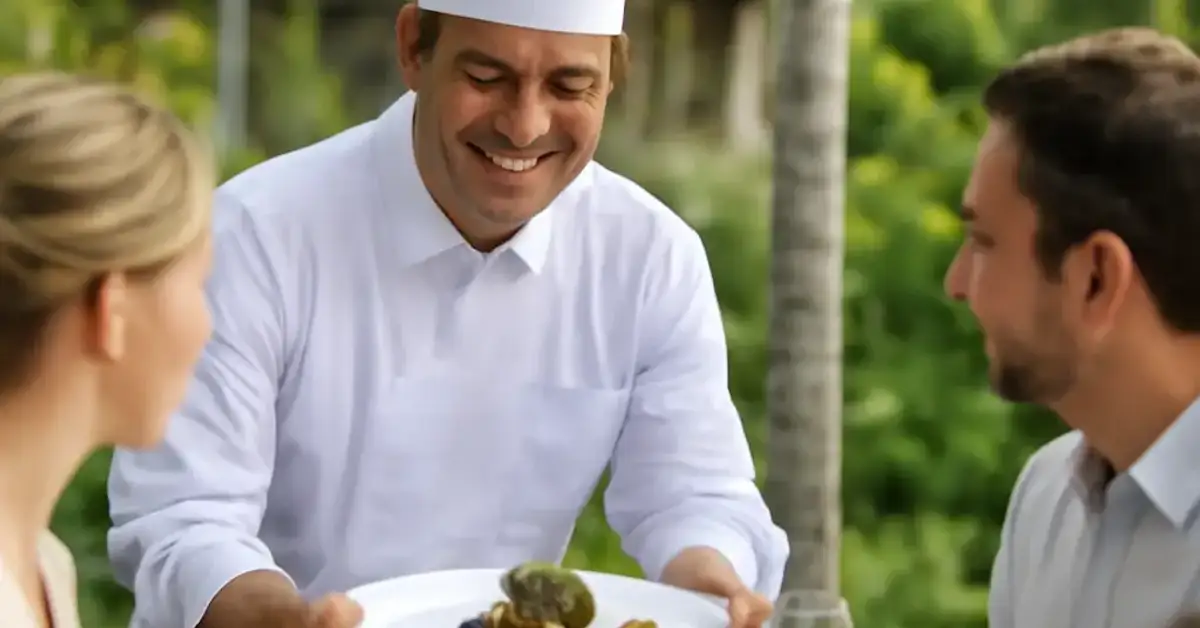
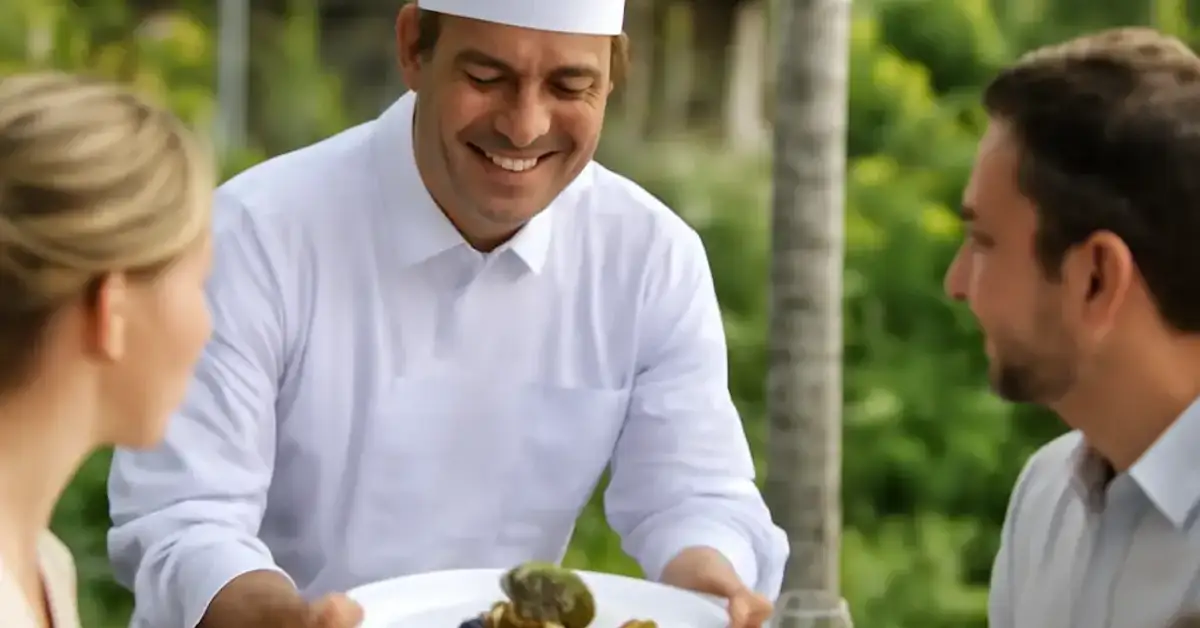
The way you greet each guest tells them they matter. A warm smile, eye contact, and a personal remark (“I’m so glad you made it, Maria—I know you love seafood”) turns a generic arrival into a memorable guest experience. At his Ubud dinners, Chef Juan often greets guests at the door himself, introducing the evening’s story before they even take a seat.
3. Food That Tells a Story
Every dish is an opportunity to communicate. Chef Juan’s Filipino-inspired tasting menus are designed around narrative: the history of adobo, the significance of lumpia, the sweetness of halo-halo as a childhood memory. When food has context, it becomes more than fuel—it becomes conversation. Event Details That Guests Always Remember almost always involve a dish that surprised, delighted, or moved them.
4. Thoughtful Presentation and Plating
We eat with our eyes first. A beautifully plated course—using edible flowers, vibrant sauces, and clean lines—tells guests they are worth the effort. Chef Juan emphasizes that even small bites should look like art. “The visual beauty of a dish shows respect for the ingredient and the person eating it,” he says. This attention to presentation is one of the small event details that has an outsized impact.
5. Personalized Touches That Show You Listen
When a guest mentions a favorite wine or allergy and sees it accommodated, they feel seen. Personalized place cards, custom playlists, or a note about their recent achievement demonstrate that you pay attention. These personalized touches build emotional loyalty and make guests feel valued beyond the evening itself.
6. Entertainment That Engages, Not Distracts
Live acoustic music, a fire dancer between courses, or even a chef’s storytelling interlude can elevate a celebration. The key is relevancy—entertainment should match the mood and setting. At a private villa dinner in Bali, a traditional Balinese dance performance might be more memorable than a loud DJ. The best entertainment options are those that guests can talk about the next day.
7. Seamless Service Flow
Guests remember when things feel effortless. Water glasses refilled without asking, courses arriving at the right temperature, and attentive but not intrusive staff create a sense of well-being. Guest satisfaction often hinges on these behind-the-scenes details. Chef Juan trains his team to anticipate needs before guests even voice them.
8. Décor That Evokes Emotion
Décor elements should reflect the event theme and the host’s personality. Natural materials like bamboo, rattan, and tropical foliage feel at home in Bali. Seasonal flowers, unique table runners, and subtle lighting changes as the evening progresses can transform a space. The goal is to create an atmosphere that feels intentional, not generic.
9. A Memorable Send-Off
The final moment lingers. A small takeaway gift—like a jar of homemade calamansi marmalade or a personalized recipe card—extends the experience. Chef Juan often sends guests home with a box of Filipino cookies as a thank-you. This final gesture ties the evening together and reinforces the emotional connection built during the event.
Why Do Small Event Details Have Such Lasting Impact?
Neuroscience explains it simply: our brains are wired to remember emotionally charged, novel, or unexpected moments. A tiny detail like a handwritten menu or a server remembering your name triggers dopamine and oxytocin—feel-good chemicals that strengthen memory encoding. Small event details act as emotional anchors that make the whole experience feel more meaningful.
How Can Hosts Create Memorable Guest Experiences?
Start by putting yourself in your guest’s shoes. Walk through the event from arrival to departure and ask: What will they see first? What will they taste? What will they talk about tomorrow? Then, infuse each touchpoint with intention. Chef Juan advises, “Host from the heart. When you genuinely care about your guests’ experience, they will feel it. That’s the secret to any memorable event.”
What Role Does Food and Presentation Play in Successful Events?
Food is often the emotional centerpiece of any gathering. A well-prepared meal not only satisfies hunger but creates community and conversation. Presentation matters because it signals quality and care. When Chef Juan plates a dish with precision, he is telling guests, “You are important enough for this effort.” That feeling translates directly into guest satisfaction and positive word-of-mouth.
How Do Personalized Touches Improve Celebrations?
Personalization transforms a standard event into a bespoke experience. It shows that you see your guests as individuals, not just attendees. Whether it’s a custom dietary menu, a toast acknowledging milestones, or a playlist curated for the group, these gestures deepen connections. Personalized touches make people feel like insiders, which is why they are among the most powerful Event Details That Guests Always Remember.
What Entertainment Options Leave Lasting Impressions on Guests?
Interactive entertainment tends to leave the strongest mark. Think cooking demonstrations, wine or sake tastings, live art creation, or even a small cultural performance. Passively watching a performance can be nice, but participating makes the memory stick. For corporate events, a team-building activity that ties into the theme works wonders. For intimate dinners, a chef explaining each course creates engagement.
How Can Event Planners Improve Guest Satisfaction?
Event planners should focus on anticipation and recovery. Anticipation means preparing for every need before it arises—charging stations, coat check, dietary options. Recovery means handling any hiccup gracefully. A sincere apology and a small comp upgrade can turn a negative moment into a positive memory. The best planners also gather post-event feedback and act on it for the next occasion.
What Décor Elements Make an Event Unforgettable?
Lighting is the single most impactful décor element. Dimmable warm lights, candles, or string-lanterns create intimacy. Natural elements like live greenery, wood textures, and water features add organic comfort. Signage that is beautiful and clear (hand-painted menus, welcome boards) also stands out. The overall rule: décor should support the theme, not overwhelm it.
How Do Venues Contribute to Memorable Celebrations?
A venue sets the stage. A space with character—like a cliffside terrace, a lush garden, or a century-old villa—provides built-in atmosphere. But even a blank room can become memorable with creative layout, lighting, and decor. The venue’s staff also plays a crucial role; their warmth and efficiency directly affect guest perception. Chef Juan’s partnerships with boutique villas in Ubud allow him to customize every corner of the experience.
Why Do Thoughtful Event Details Create Lasting Memories?
Thoughtfulness signals love. Guests don’t remember the hours of planning you invested; they remember feeling cared for. Thoughtful details—like a personal welcome, a dish that tells a story, or a parting gift—are emotional bookmarks in their memory. Those details become stories they share with others, which is why Event Details That Guests Always Remember are also the details that market your future events for free.
Useful Resources
- Psychology Today: How Memory Works — A scientific overview of why sensory and emotional details are more likely to be remembered.
- Gather Guide: Event Planning Tips — Practical advice on curating guest-centered events, from invitations to post-event follow-ups.
Frequently Asked Questions About Event Details That Guests Always Remember
What are the most important event details that guests remember?
Guests most often remember the welcome, the food, the service flow, and any personalized touches or surprises. These form the emotional peak of the experience. For a related guide, see Why Guests Remember Exceptional Dining Experiences.
How do I make my event more memorable for guests?
Focus on personalization, sensory details (music, scent, lighting), and interactive food or entertainment experiences. Always end with a thoughtful takeaway.
How important is food presentation at an event?
Extremely important. Beautiful plating signals quality and care, and it makes guests feel valued. It also encourages social sharing and conversation.
Can small details really impact how guests feel?
Absolutely. Small details like a welcome drink, a handwritten menu, or a personalized greeting create emotional connections that make the event feel special and intentional.
What entertainment works best for private dinners?
Interactive entertainment like live cooking stations, acoustic music, or storytelling by the host works beautifully. It keeps the focus on connection rather than distraction.
How do venues affect guest memory?
Unique venues with character (villas, gardens, cliffside terraces) create a strong sense of place, which becomes a memory anchor. The venue’s service team also shapes the experience.
What personalized touches make the biggest impact?
Recognizing a guest’s dietary needs, mentioning a personal milestone, or giving a small gift that reflects their interests. These gestures show genuine care.
How can event planners improve guest satisfaction?
By anticipating needs, training staff to be attentive but not intrusive, and handling any issues with grace and speed. Post-event follow-up also boosts satisfaction.
What décor elements are most memorable?
Lighting is number one—warm, layered, and adjustable. Natural elements like fresh flowers, greenery, and wood also stand out. Unique table settings and signage help too.
Does the scent of a venue matter?
Yes. A signature scent (like fresh herbs, pandan, or jasmine) creates an immediate sensory memory. It’s a subtle but powerful way to set the mood.
How do I choose a theme for my event?
Choose a theme that reflects your personality, the occasion, and the venue. Consistency in color, food, music, and decor makes the theme feel intentional and immersive.
What is a good takeaway gift for guests?
Edible gifts like homemade jam, cookies, or a small bottle of local honey are excellent. They extend the experience and remind guests of the evening.
How do I handle guests with dietary restrictions?
Ask in advance, and never make them feel like a burden. Offer alternatives that are equally creative and delicious. Chef Juan often creates special dishes for restricted diets that are as beautiful as the main menu.
Is it better to have a fixed menu or a buffet?
For small, intimate events, a fixed menu allows for storytelling and curated pairings. Buffets work well for larger, more casual gatherings. Choose based on your guest count and the experience you want to create.
How do I make sure the service flow is smooth?
Rehearse the timeline with your team. Use a briefing sheet, assign roles, and build in buffer time between courses. The best service is invisible to guests.
What music is best for a dinner party?
Choose instrumental or low-vocal music that matches the theme—jazz for classic, gamelan for Balinese, acoustic for modern. Keep the volume low enough to encourage conversation.
How do I make guests feel welcome from the start?
Greet them personally, offer a welcome drink (non-alcoholic options too), and show them to a comfortable waiting area. A warm smile and eye contact are free but priceless.
Should I use a photographer at my event?
Yes, but discreetly. Candid photos capture genuine moments. Make sure the photographer respects the flow of the event and does not intrude on intimate conversations.
How do I create a memorable experience on a small budget?
Focus on what costs little but means much: a handwritten welcome note, a curated playlist, a signature cocktail, and warm hospitality. Personal effort often outshines expensive decor.
Why do guests remember the end of an event most clearly?
Psychology calls it the ‘recency effect’—people recall the final moments vividly. That’s why a sincere thank-you and a parting gift are so important. They seal the emotional memory.
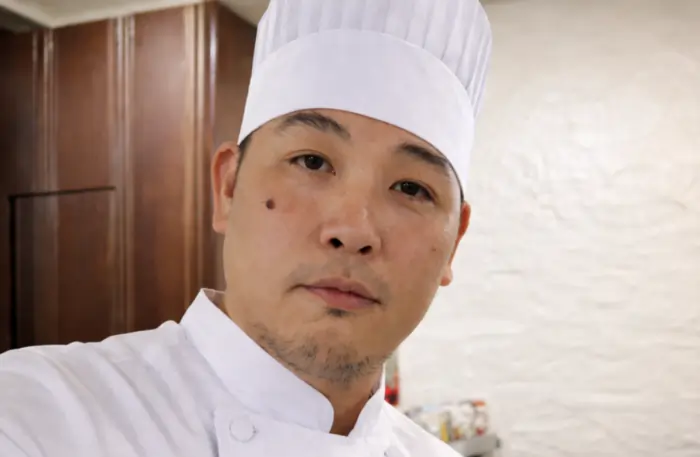
Chef Juan Gadi brings the heart of Filipino hospitality to Ubud, Bali. As an Executive Chef and consultant, he specializes in creating intimate, curated dining experiences that tell a story through every dish. Whether leading the kitchen at Kilig Filipino Warung or hosting a private villa dinner, Chef Juan’s approach is defined by warmth, modern technique, and a commitment to culinary excellence.