
Unexpected Hospitality Can Change a Travel Experience Key Takeaways
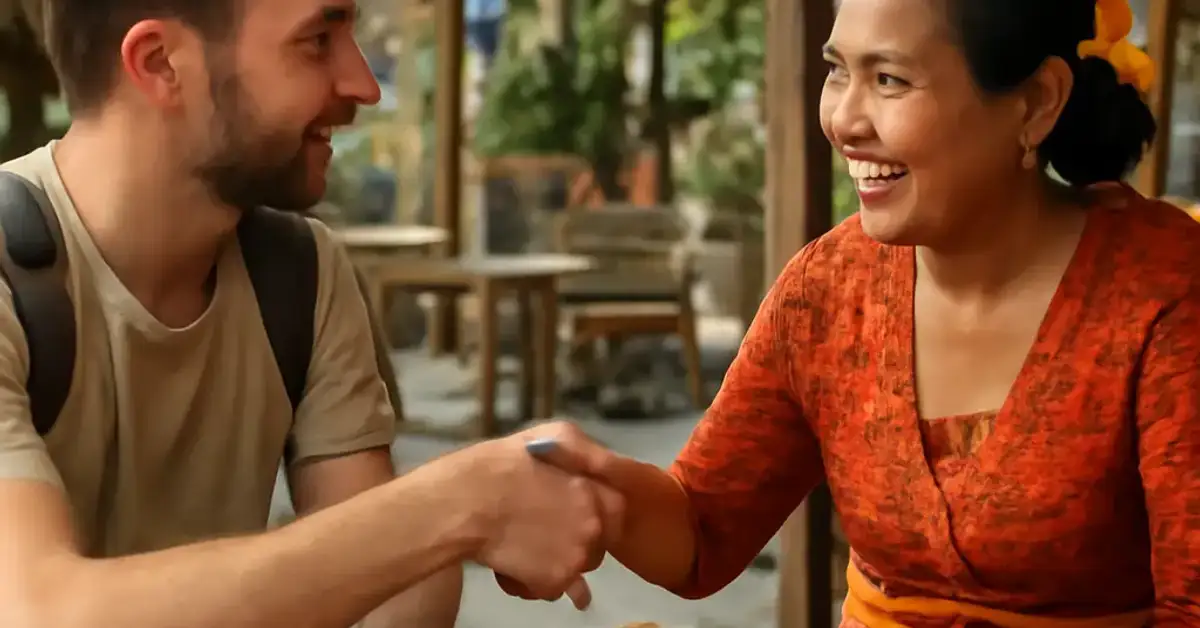
Travel is often measured in sights seen and landmarks checked off a list, but the moments that truly linger are the ones you never planned for.
- Unexpected hospitality can change a travel experience by creating authentic emotional connections that no guidebook can deliver.
- Bali hospitality , rooted in the philosophy of Tri Hita Karana , makes visitors feel like extended family rather than tourists.
- Seeking out local warungs , family owned restaurants , and cooking classes transforms a trip into an immersive travel journey rich with cultural exchange and unforgettable journeys .
What Makes Unexpected Hospitality Can Change a Travel Experience So Powerful?
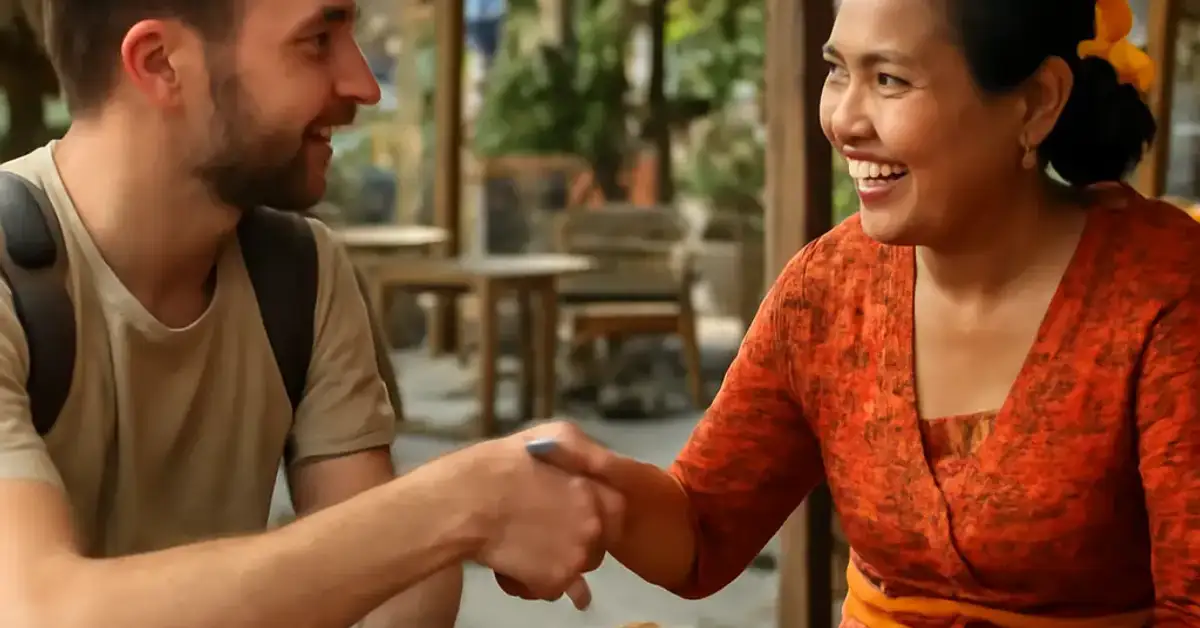
We have all felt it — that split second when a stranger’s kindness catches you off guard. It might be a shopkeeper who refuses payment for a bottle of water because you look tired, or a taxi driver who detours to show you a sunset viewpoint no one else knows about. These moments are not part of any itinerary, and that is exactly why they matter so much.
When unexpected hospitality can change a travel experience, it rewires your relationship with a destination. You stop being an observer and become a participant. Instead of snapping photos from a distance, you are sitting cross-legged on a woven mat, sharing stories over a plate of nasi campur. This shift from passive tourism to active cultural immersion is what separates a forgettable trip from an unforgettable journey.
During my years leading the kitchen at Kilig Filipino Warung in Ubud and hosting private villa dinners, I have watched guests’ faces transform when they taste a dish made with a family recipe passed down through generations. The food is delicious, yes, but the real magic is the story behind it — the warm welcomes and the local traditions that come alive through every bite.
7 Stories of Unexpected Hospitality Can Change a Travel Experience in Bali and Beyond
1. The Warung Owner Who Became a Surrogate Aunt
I will never forget the afternoon I wandered into a tiny family owned restaurant in a back alley of Ubud. The place had no sign, just a single plastic table and the smell of sambal frying. Ibu Made, the owner, saw me hesitating at the doorway and immediately pulled out a chair. Before I could order, she placed a plate of lawar and a bowl of steaming soup in front of me. “You eat,” she said. “You look hungry.”
Over the next three hours, Ibu Made taught me the difference between lawar merah and lawar putih, introduced me to her children, and sent me home with a bag of fresh jackfruit. That afternoon, unexpected hospitality can change a travel experience proved true: I had traveled halfway around the world, and in a tiny kitchen with a woman I had just met, I felt completely at home.
2. A Scooter Ride Through the Rice Terraces
I was about to call a ride-hailing app when a young farmer named Ketut pulled up on his beat-up scooter. “You want to see the hidden rice fields?” he asked with a grin. I hesitated — this was not the kind of transport I had planned. But his eyes were so genuine that I climbed on. Twenty minutes later, we were standing on a ridge overlooking a valley so green it hurt, with no other tourists in sight.
Ketut pointed to his family’s plot and explained the subak irrigation system that has sustained Balinese village life for centuries. That impromptu tour became the highlight of my trip. It was a living reminder that friendly locals and spontaneous local interactions offer the most authentic travel experiences money cannot buy.
3. The Night I Cooked With a Balinese Grandmother
One evening, a guest at a villa I was hosting mentioned she wanted to learn how to make authentic sate lilit. I arranged a cooking class with a local grandmother in her home compound. We ground spices by hand on a stone mortar, wrapped the minced fish around lemongrass stalks, and grilled them over coconut husks.
During the meal, she told us about ceremonies at the village temple and the meaning behind each offering. That night, culinary tourism became something deeper. It became cultural exchange — a bridge between two people who, on paper, had almost nothing in common, yet shared laughter and a love for shared meals.
4. The Gift of a Handwoven Bracelet
A young woman named Dewi was selling local markets crafts at Ubud Market. She spent forty minutes helping me choose a sarong, never once pushing a sale. When I finally picked one, she tied a simple bracelet of palm leaves around my wrist and refused payment.“This is a gift, not a transaction,” she said. “Now you have a story to remember Bali by.”
That small gesture carried more weight than any souvenir I could have purchased. It embodied the soul of Balinese hospitality: generosity without expectation. Those moments of meaningful connections become the memories we hold tightest — the very core of destination travel done right.
5. An Invitation to a Village Ceremony
I was sketching a temple gate in a small village north of Ubud when a man approached and asked if I would like to join his family for a temple ceremony the next morning. I arrived at dawn to find the entire compound buzzing with activity. Women in lace kebaya were arranging towering offerings, and men were preparing the gamelan.
They handed me a sarong and a sash and guided me through the prayers. As I sat on the stone floor, surrounded by incense and chanting, I felt a level of cultural immersion that no organized tour can replicate. Responsible tourism means accepting invitations like this with humility and gratitude — letting the locals guide your experience.
6. A Drink Shared in a Backstreet Warung
Late one night, after a long dinner service, I stopped at a small family owned restaurants warung near the rice fields. The owner, Pak Gede, poured me a glass of tuak — the local palm wine — and sat down across from me. We did not speak much; my Indonesian was shaky and his English was limited. But we toasted to health, to family, and to the simple joy of being alive.
In that quiet corner of Bali, shared meals and a shared drink erased all distance between us. That night, I understood why travel storytelling often revolves around food: because food is the universal language that turns strangers into friends.
7. The Taxi Driver Who Became My Guide
Komang picked me up from the airport with a weary smile and warm personalized service. Over the course of three days, he became my unofficial guide. He showed me hidden waterfalls, introduced me to his cousin who makes silver jewelry, and taught me how to bargain at the art market without offending the sellers.
When I left, he gave me a small wooden carving of a garuda. “Come back,” he said. “My family’s door is open.” That carving sits on my desk today, a daily reminder that unexpected hospitality can change a travel experience and that community tourism thrives not on transactions, but on genuine human warmth.
Why Bali Hospitality Stands Out in Southeast Asian Culture
Balinese hospitality is not a marketing slogan — it is a way of life deeply rooted in local traditions and the Hindu philosophy of Tri Hita Karana, which means the three causes of well-being: harmony with God, harmony among people, and harmony with nature. This principle encourages locals to welcome strangers as guests of the island, not as customers.
In Southeast Asian culture, the concept of “saving face” and prioritizing community over the individual is strong. But in Bali, that manifests as an almost instinctive warmth. A local will stop what they are doing to help you find your way, invite you into their home, or offer you a seat at their table. This is not staged for tourists — it is who they are.
Chef Juan Gadi, a Filipino executive chef who now calls Ubud home, knows this truth firsthand. “When I first arrived in Bali, I was struck by how naturally people offer kindness without expecting anything in return,” he says. “It taught me that hospitality experiences are not just about service — they are about creating a space where people feel seen, valued, and welcome.”
How to Seek Out Authentic Dining and Local Warungs for Deeper Connection
For food travelers and culinary enthusiasts, the path to authentic travel experiences in Bali starts in the local warungs and family owned restaurants tucked away from the tourist crowds. These are the places where Balinese customs come alive through food. For a related guide, see Why Shared Moments Feel More Meaningful in Bali.
What to Look For in a Local Warung
A genuine warung usually has a few key signs: a handwritten menu (often in Indonesian only), the smell of fresh spices, and a steady stream of local customers. If you see a lineup of scooters parked out front at lunchtime, you have found the right spot.
These hidden gems offer dishes that rarely appear on restaurant menus — like lawar (a spiced minced meat and coconut dish), sate lilit (minced fish on lemongrass), and bebek betutu (slow-cooked duck wrapped in banana leaves). Eating at a warung is not just about the food; it is about participating in village life and the daily rhythm of community connections.
The Power of Shared Meals and Cooking Classes
One of the most rewarding ways to experience cultural dining is to join a cooking class in a local home. Unlike commercial classes in the city centers, home-based classes often include a visit to the morning local markets to select fresh ingredients. You will grind your own spice pastes, wrap banana leaf parcels, and sit down to eat the meal you prepared together with your host family.
These food tours inside someone’s kitchen — rather than a formal cooking school — provide the richest cultural exchange. You learn not just recipes, but the stories behind them: which dishes are served at weddings, what foods are offered to the gods, and how a grandmother’s recipe has evolved over generations.
The Lasting Impact of Meaningful Travel Through Local Hospitality
When we travel with the intention of making meaningful connections, our perspective shifts. Instead of ticking off attractions, we start collecting travel memories that have emotional weight. A sunset over the ocean is beautiful, but it fades. A shared laugh over a plate of nasi goreng with a warung owner stays with you.
Local hospitality creates a feedback loop of generosity. When you are treated with kindness, you feel inspired to pay it forward — maybe by writing a glowing review, sending a postcard, or bringing a gift next time you visit. This is responsible tourism in action: building relationships that honor the culture and the people who welcome you.
Chef Juan puts it simply: “The best dishes I have ever cooked were not invented in a kitchen — they were inspired by the openheartedness of the people I met. That is the real ingredient that no recipe can teach.”
Travel Photography and Travel Storytelling: Capturing the Spirit of Hospitality Experiences
Photographers often chase dramatic landscapes, but the most compelling travel photography comes from human moments. A grandmother’s hands shaping rice cakes, a child laughing while chasing chickens in a temple courtyard, the steam rising from a bowl of bakso on a rainy evening — these are the shots that tell the real story of a place.
When you return home, travel storytelling becomes easier because you have more than facts — you have emotion. The story of the farmer who shared his lunch, the artist who taught you to paint batik, the family who sang a farewell song at your departure — those narratives resonate far more than a list of attractions visited.
For travel bloggers and food bloggers, these authentic encounters become the content that connects deeply with readers. Audiences are tired of curated perfection; they crave real stories of authentic experiences and immersion travel.
Practical Tips for Travelers Seeking Cultural Travel and Community Tourism
If you want to experience the kind of unexpected hospitality can change a travel experience, here is how to prepare yourself for serendipity:
- Stay in homestays or small guesthouses run by families. These accommodations are gateways to community tourism because your hosts often invite you to family gatherings, temple ceremonies, or cooking sessions.
- Learn a few words of the local language. A simple “terima kasih” (thank you) or “makan enak” (delicious food) opens doors that no amount of money can unlock.
- Carry small gifts. When visiting a local home or warung, a small offering — fruit from the market, a photo you took of them, or a postcard from your home country — shows respect and gratitude.
- Say yes to spontaneous invitations when it feels safe and comfortable. Some of the best adventures start with a simple “want to join us?”
- Respect local traditions and Balinese customs. Dress modestly when visiting temples, never touch someone’s head (it is considered sacred), and use your right hand for giving and receiving.
- Eat where locals eat — at local warungs, family owned restaurants, and street food stalls. These are the real centers of food travel and culinary tourism.
- Practice responsible tourism: support businesses that employ locals, pay fair prices, and avoid exploitative animal tourism or unethical photo opportunities.
Useful Resources
For further reading on cultural travel and Bali hospitality, explore these credible sources:
- Bali Provincial Tourism Office – Official Culture and Travel Guide — Regional guides, ceremony calendars, and tips for respectful travel.
- Responsible Travel – Indonesia Guide — A resource for understanding responsible tourism and engaging with local communities ethically.
Frequently Asked Questions About Unexpected Hospitality Can Change a Travel Experience
Frequently Asked Questions About Unexpected Hospitality Can Change a Travel Experience
How can unexpected hospitality change a travel experience?
Unexpected hospitality creates a profound emotional connection with a destination and its people. A spontaneous kindness — a shared meal, a guided tour — allows travelers to see a place through local eyes, turning a standard trip into a deeply meaningful travel story. For a related guide, see Why Destination Dining Is Becoming a Luxury Travel Trend.
Why is local hospitality important when traveling?
Local hospitality builds trust and fosters cultural exchange. It transforms visitors from passive observers into active participants in village life and community connections, enriching both the traveler’s experience and the local economy.
What makes Balinese hospitality unique?
Balinese hospitality stems from the Hindu philosophy of Tri Hita Karana, emphasizing harmony among people, nature, and the divine. This cultural foundation makes friendly locals genuinely welcoming, not transactional. Balinese customs prioritize community warmth and generosity over commercial gain.
How do friendly local interactions create lasting travel memories ?
Because local interactions involve real human emotion — laughter, shared meals, storytelling — they imprint more deeply than visual sights. These travel memories become the stories you tell for years, far surpassing any photo album.
How can travelers experience authentic Balinese culture?
To experience authentic travel experiences, stay in homestays, eat at local warungs and family owned restaurants, join cooking classes in private homes, attend local temple ceremonies, and shop at local markets. Avoid overly commercialized tourist zones and seek hidden gems.
Why do family owned restaurants and local warungs offer more meaningful experiences?
Family owned restaurants and local warungs serve recipes passed down through generations. The food is cooked with personal care, and the hosts often share family stories and local traditions, making the meal an authentic dining experience full of cultural exchange.
How do shared meals strengthen cultural connections?
Shared meals create a natural setting for conversation, laughter, and learning. When you eat together, you share more than food — you share stories, customs, and values. This is the heart of food travel and cultural immersion.
What are the benefits of choosing community based travel experiences?
Community tourism ensures that travel dollars go directly to local families, preserving local culture and sustainable tourism. It offers travelers authentic, off-the-beaten-path destination travel while supporting village life and friendly locals.
How can travelers respectfully engage with local communities?
Learn basic local phrases, ask permission before taking photos, dress modestly (especially at temples), never touch someone’s head, and use your right hand for giving and receiving. Support responsible tourism by buying directly from artisans and choosing family owned restaurants.
Why do acts of kindness often become the most memorable part of a trip?
Because kindness is unexpected and deeply personal. A spontaneous gesture — a gift, a meal, a guided tour — breaks the transactional dynamic of travel and creates genuine meaningful connections. These are the unforgettable journeys moments you cherish forever.
What is the difference between cultural tourism and cultural immersion ?
Cultural tourism often involves scheduled visits to cultural sites. Cultural immersion goes deeper — participating in daily life, learning local traditions, sharing meals, and building relationships. The latter is far more transformative.
How can solo travelers experience local hospitality in Bali?
Solo travelers should stay in small homestays, join cooking classes or food tours, eat at local warungs (sit at the counter and chat with the owner), and attend community events. The friendliness of locals in Bali makes solo travel especially welcoming.
What are the best local warungs in Ubud for authentic dining ?
Look for warungs like Warung Biah Biah (traditional Balinese), Warung Makan Bu Rus (home-style Indonesian), and Kilig Filipino Warung for a taste of Chef Juan’s fusion of Filipino and Balinese flavors. The best hidden gems are often found down small alleys.
Is it safe to accept spontaneous invitations from locals in Bali?
In general, Bali is very safe and locals are genuinely friendly. Use common sense: meet in public spaces, tell someone where you are going, and trust your instincts. Most invitations come from pure Balinese hospitality and a desire for cultural exchange.
How can digital nomads in Bali build local connections?
Join local community classes (like batik making or cooking classes), volunteer with local initiatives, eat regularly at the same family owned restaurants, and learn Bahasa Indonesia. Digital nomads who engage with village life often form the deepest community connections.
What role does food play in Balinese hospitality ?
Food is central to Balinese hospitality. Offering food is a gesture of welcome and respect. When a local invites you to eat, they are not just feeding you — they are sharing their home, their local traditions, and their love of authentic dining.
Can unexpected hospitality happen in luxury travel settings?
Absolutely. Even in high-end resorts, the most memorable moments often come from personalized service — a butler who remembers your favorite tea, a chef who prepares a dish just for you, or a driver who shares their favorite local spot. Hospitality experiences transcend budget.
How do I find authentic warungs away from tourist crowds?
Ask locals you trust — your homestay host, a taxi driver, a shopkeeper — where they eat. Walk a few blocks away from main tourist streets. Look for places with handwritten signs and no English menu. These hidden gems offer the purest local culture and authentic travel experiences.
What is the best way to document travel hospitality stories?
Keep a travel journal, take candid travel photography (always ask permission), collect small mementos, and record voice notes. Travel storytelling is richest when you capture emotion and context along with facts. Share these stories with respect for the culture.
How can first time visitors to Bali prepare for unexpected hospitality?
Arrive with an open heart and flexible schedule. Learn a few words in Balinese or Indonesian, carry small gifts, and be ready to say yes when a friendly local offers you an experience. Travel inspiration blossoms when you let go of rigid plans and embrace spontaneity.
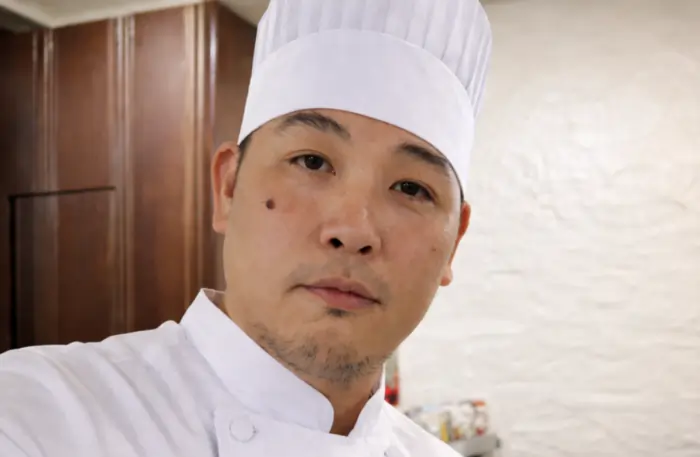
Chef Juan Gadi brings the heart of Filipino hospitality to Ubud, Bali. As an Executive Chef and consultant, he specializes in creating intimate, curated dining experiences that tell a story through every dish. Whether leading the kitchen at Kilig Filipino Warung or hosting a private villa dinner, Chef Juan’s approach is defined by warmth, modern technique, and a commitment to culinary excellence.