

Quiet Joy of Discovering Comfort in a Foreign Country Key Takeaways
The Quiet Joy of Discovering Comfort in a Foreign Country often arrives not in grand monuments, but in the small, human moments that make a place feel like home.
- The Quiet Joy of Discovering Comfort in a Foreign Country is found in the genuine smiles and small kindnesses from locals, which dissolve the anxiety of being a stranger.
- Meaningful travel in Bali is deeply tied to food travel , where sharing a meal at a family owned restaurant becomes a bridge for cultural exchange .
- Slow travel and mindful travel allow visitors to pause long enough to receive the authentic hospitality that transforms a trip into an unforgettable journey .

Why the Quiet Joy of Discovering Comfort in a Foreign Country Starts with the Welcome
I still remember the first afternoon I arrived in Ubud. The air was thick with the scent of frangipani and incense, and the bustling streets felt both chaotic and serene. As a chef who had spent years navigating high-pressure kitchens in Manila, I was used to being in control. But arriving in a new country, with a new language and unfamiliar customs, brought a wave of vulnerability. What creates a sense of comfort while traveling abroad? For me, it began the moment a local driver, seeing the confusion on my face, pulled over to explain where the best local warungs were tucked away. It was a small gesture, but it planted the seed for what would become a deep appreciation for Balinese culture and its incredible local hospitality.
This is the essence of the Quiet Joy of Discovering Comfort in a Foreign Country. It is rarely a single, loud event. It is the accumulation of gentle welcomes, shared smiles, and the unspoken understanding that you are exactly where you are supposed to be. For Bali visitors, from first time visitors to Bali to seasoned digital nomads, that comfort is the foundation upon which meaningful travel is built. It turns a foreign landscape into a familiar sanctuary.
The Role of Friendly Locals in Building Travel Comfort
Why do travelers feel at home in a foreign country? The answer almost always points to the people. In Bali, the concept of Tri Hita Karana—the three causes of well-being (harmony with God, with others, and with nature)—is deeply ingrained. How does Balinese hospitality make visitors feel welcome? It’s in the way a shop keeper offers you a seat and a glass of sweet tea without expecting you to buy anything. It’s in the way a farmer walking home from the rice paddies will stop and help you with directions, his smile wide and genuine. This authentic hospitality creates a powerful safety net for solo travelers and families alike, allowing the initial discomfort of being an outsider to melt away into a feeling of belonging. For a related guide, see How Human Connection Shapes the Bali Experience.
How Food Travel Becomes a Gateway to Authentic Travel
As a chef, I have always believed that the quickest way to a person’s heart—and to their culture—is through their stomach. What role does local food play in creating travel comfort? It is everything. The Quiet Joy of Discovering Comfort in a Foreign Country is often found at a worn wooden table in a simple family owned restaurant, where the recipe has been passed down for generations. For culinary enthusiasts and food bloggers, Bali is a treasure trove of culinary tourism opportunities that go far beyond the tourist-centric cafes.
Finding Hidden Food Gems in Local Warungs
The true heart of destination dining in Bali is not found in a five-star hotel. It is found in the local warungs—small, family-run stalls that serve traditional Balinese dishes like nasi campur (mixed rice with a variety of sides) and babi guling (suckling pig). These aren’t just meals; they are experiences. When you step into a local warung, you are entering someone’s home kitchen. The act of ordering food becomes a cultural exchange—a game of charades, a shared laugh, and then a plate of the most incredible food you have ever tasted. This is authentic dining. For travelers taking food tours or cooking classes, this is where the real education begins. You learn not just the ingredients, but the stories and cultural traditions behind each dish.
Cooking Classes and Shared Meals as Community Experiences
How can authentic cultural experiences reduce travel anxiety? By replacing the unknown with participation. Joining a cooking class in a local home or a village life setting is a powerful antidote to the loneliness that can sometimes accompany travel. You grind the spices, you feel the textures, you listen to your host’s grandmother talk about the local markets where she has shopped for fifty years. The shared meal that follows is a celebration—a communal act of breaking bread that builds meaningful connections. This is immersive travel at its finest, turning a simple activity into a memory that will last a lifetime. These community experiences are the heartbeats of Southeast Asian culture, and they welcome you in with open arms.
The Power of Slow Travel and Mindful Travel for Emotional Travel
In our rush to check off bucket lists, we often miss the point of a journey. The Quiet Joy of Discovering Comfort in a Foreign Country demands a different pace—the pace of slow travel. For wellness travelers and experiential travelers, this is non-negotiable. Rushing from temple to temple in a whirlwind of selfies leaves little room for the subtle, profound experiences that define a trip. Why are small acts of kindness often the most memorable part of a trip? Because they require you to be present to receive them.
Embracing Village Life and Tropical Landscapes
When you slow down, you begin to see the village life that exists beyond the Instagram famous spots. You notice the intricate patterns of the rice paddies, the way the tropical landscapes change color at dusk, and the rhythm of daily ceremonies. This is travel reflection in action. For backpackers and luxury travelers alike, the tropical landscapes of Bali offer the perfect setting for travel wellness. It allows you to move from being a passive observer to an active participant in your own travel storytelling. This mindful travel approach is also a form of responsible travel—it respects the local pace and minimizes the impact of overtourism. How do local communities shape meaningful travel experiences? They teach you to slow down and listen.
Building Local Connections and Authentic Experiences
How can travelers build genuine connections with locals? It starts with curiosity and respect. Learning a few words of Bahasa Indonesia, understanding local customs (like never touching someone’s head or pointing with your left hand), and showing genuine interest in their lives opens doors. The local connections you make in Bali are the currency of meaningful travel. I have seen solo travelers become temporary family members with the owners of a family owned restaurant, returning year after year to cook together and share stories of their lives back home. These are the authentic experiences that turn a vacation into a journey of the heart.
The Gift of Authentic Hospitality
Authentic hospitality in Bali is not a transaction; it is a natural extension of the Balinese belief in community. When you stay in a home stay or hire a local guide to take you through the local markets, you are not just a customer. You are a guest. This distinction is crucial for emotional travel. The feeling of being a guest rather than a tourist fundamentally changes your relationship with a place. It invites you to be more open, more appreciative, and more willing to engage in cultural exchange. This is how unforgettable journeys are built—one cup of coffee shared on a family porch, one story told under a canopy of stars.
Transforming Your Bali Travel Experiences into Travel Inspiration
Why do feelings of comfort often become the strongest memories from a journey? Because they are sensory and emotional. They are the taste of a perfect traditional Balinese dish, the feel of a gentle breeze across the rice paddies, and the sound of laughter from a shared meal. These feelings are the ultimate reward of meaningful travel. For food travelers, cultural travelers, and everyone in between, Bali offers a masterclass in how to feel at home in the world. The quiet joy of discovering comfort in a foreign country is a reminder that the best adventures are not about escaping home, but about finding it in new and unexpected places. For a related guide, see 10 Travel Moments That Feel More Meaningful Around Food (+ Chef Insights).
A Checklist for Quiet Joy: How to Find Your Comfort in Bali
To help you cultivate this feeling on your next trip, here is a simple guide for Bali visitors looking for authentic travel:
| Step | Action | Why It Builds Comfort |
|---|---|---|
| 1 | Eat at a local warung for at least one meal daily. | It forces cultural exchange and introduces you to authentic dining. |
| 2 | Learn 5 words in Bahasa Indonesia (please, thank you, hello). | It shows respect and opens doors to friendly locals. |
| 3 | Book a cooking class in a village home. | Creates a shared meal and a deep community experience. |
| 4 | Spend an afternoon in a local market with no agenda. | Encourages slow travel and mindful travel. |
| 5 | Say yes to one unexpected invitation from a friendly local. | This is where meaningful connections and travel memories are born. |
A Final Thought on Travel Comfort and Cultural Immersion
For me, Chef Juan Gadi, the quiet joy of discovering comfort in a foreign country is not an abstract concept. It is my daily reality here in Ubud. It is what I strive to create for my guests at Kilig Filipino Warung, where every dish tells a story of home and hospitality. It is the same feeling I get when I walk through the tropical landscapes of Bali and see the community gather. The Quiet Joy of Discovering Comfort in a Foreign Country is available to everyone who is willing to travel with an open heart, a curious palate, and a willingness to embrace the unknown. Your travel inspiration is waiting for you in the warmth of a shared meal and the smile of a friendly local. Go find it.
Useful Resources
To deepen your understanding of Balinese culture and its unique local hospitality, the following resources offer excellent insights into sustainable tourism and meaningful travel in the region.
Official Bali Tourism Board – The authoritative source for information on Balinese culture, local customs, and responsible travel initiatives throughout the island.
Lonely Planet’s Bali Guide – A comprehensive professional guide offering deep dives into village life, local warungs, and hidden food gems for the discerning cultural traveler.
Frequently Asked Questions About Quiet Joy of Discovering Comfort in a Foreign Country
What creates a sense of comfort while traveling abroad?
A sense of comfort is created by a combination of factors: the genuine warmth of friendly locals, familiar routines like sharing a meal, a safe environment, and the feeling of being welcomed into a community. In Bali, this is often initiated by the authentic hospitality that makes visitors feel like guests rather than tourists.
Why do travelers feel at home in a foreign country?
Travelers feel at home when they experience meaningful connections that transcend language and cultural barriers. This happens through shared meals, shared stories, and moments of genuine cultural exchange. The proximity to local customs and the kindness of strangers often makes a foreign place feel familiar and safe.
How does Balinese hospitality make visitors feel welcome?
Balinese hospitality is rooted in deep-seated cultural traditions that value harmony and community. Visitors are often greeted with warm smiles, offers of tea or coffee, and a genuine interest in their well-being. This local hospitality is not performative but a natural extension of the Balinese way of life, making Bali travel experiences uniquely comforting.
What role does local food play in creating travel comfort ?
Local food is a powerful source of travel comfort. It provides a sensory connection to a place. Eating traditional Balinese dishes at a family owned restaurant or local warung is an intimate act of cultural immersion. The flavors, aromas, and the ritual of the shared meal create a sense of belonging and authentic travel pleasure.
How can authentic cultural experiences reduce travel anxiety?
Authentic experiences like cooking classes or participating in village life replace the unknown with tangible, guided activities. They provide a structure for interaction and shift the focus from navigating the unfamiliar to engaging with it. This immersive travel helps ground the traveler and alleviates the stress of being a passive observer.
Why are small acts of kindness often the most memorable part of a trip?
Small acts of kindness are deeply personal and unscripted. A local taking time to guide you to a hidden food gem, or a market vendor giving you a free sample with a smile, provides a direct emotional travel hit. These moments of genuine human connection feel authentic and create powerful, lasting travel memories.
How do local communities shape meaningful travel experiences?
Local communities are the custodians of the culture. They provide the context for meaningful travel by sharing their stories, rituals, and daily lives. Engaging with a village life community gives travelers access to authentic experiences and cultural traditions that no guidebook can offer, making the journey deeply personal.
What are the benefits of slow and immersive travel?
Slow travel reduces stress and increases the depth of your experience. It allows for travel reflection and fosters mindful travel. It enables travelers to build genuine local connections, discover village life off the beaten path, and practice responsible travel that supports sustainable tourism.
How can travelers build genuine connections with locals?
Building connections starts with respect and curiosity. Learning basic phrases, showing interest in their local customs, eating at local warungs, and joining community experiences like food tours or ceremonies are effective ways. Being a generous listener and showing appreciation for their authentic hospitality also opens doors.
Why do feelings of comfort often become the strongest memories from a journey?
Comfort is tied to our sense of safety and well-being. When we feel comfortable, we are more open to absorbing the nuances of a place. These feelings are stored as positive, sensory-rich emotional travel anchors. The Quiet Joy of Discovering Comfort in a Foreign Country becomes a benchmark for all future journeys, a memory of peace and belonging.
What are some examples of traditional Balinese dishes for first-timers?
First-timers should try nasi campur (mixed rice), babi guling (suckling pig), and lawar (a mix of vegetables, coconut, and minced meat). These traditional Balinese dishes are widely available in local warungs and offer a true taste of the island’s culinary tourism scene.
Is it safe for solo travelers to eat at local warungs ?
Yes, local warungs are generally very safe for solo travelers. They are community hubs known for their friendly locals and authentic hospitality. It is always a good idea to choose warungs that are busy with local customers, as high turnover ensures fresh food.
How can I find hidden food gems in Bali?
The best way to find hidden food gems is to ask locals. Take a food tour with a local guide, strike up conversations with taxi drivers, or simply wander into any busy family owned restaurant off the main tourist streets. The most memorable authentic dining is often unplanned.
What is cultural immersion in the context of food travel ?
Cultural immersion through food travel means going beyond just eating. It involves understanding the ingredients, the cooking process, and the stories behind the dish. Participating in cooking classes or visiting local markets with a host family are prime examples of immersive travel.
How does sustainable tourism relate to local hospitality ?
Sustainable tourism and local hospitality go hand in hand. By choosing to eat at family owned restaurants and local warungs, responsible travelers directly support the local economy. This type of meaningful travel ensures that the benefits of tourism go directly to the community.
What is destination dining like in Bali?
Destination dining in Bali ranges from high-end restaurants with sunset views to simple tables set up in a rice paddy. The most memorable destination dining experiences often involve a focus on authentic dining, where the setting and the traditional Balinese dishes combine to create a holistic sensory experience.
Can digital nomads find travel comfort in Bali?
Absolutely. Bali has become a hub for digital nomads from around the world. The combination of reliable infrastructure, affordable living, stunning tropical landscapes, and a culture of friendly locals makes it easy to find travel comfort and build a sense of community even while working remotely.
What are the best areas for cultural exchange in Bali?
Ubud is generally considered the cultural heart of Bali, ideal for cultural exchange. It is home to many artisans, dancers, and family owned restaurants. Other areas like the Sidemen Valley or the highlands of Kintamani offer more immersive village life experiences for deeper cultural immersion.
How can I practice travel wellness while in Bali?
Travel wellness in Bali can be practiced by adopting a slow travel mindset. Prioritize mindful travel by spending time in nature, participating in yoga, and eating fresh, wholesome traditional Balinese dishes from local warungs. It is about nourishing your body and soul.
How do I find memorable vacations that offer authentic experiences ?
To have memorable vacations, prioritize authentic experiences over checking off tourist attractions. Stay in local homestays, eat at local warungs, engage in community experiences, and allow room for spontaneity. The most unforgettable journeys are built on genuine local connections.
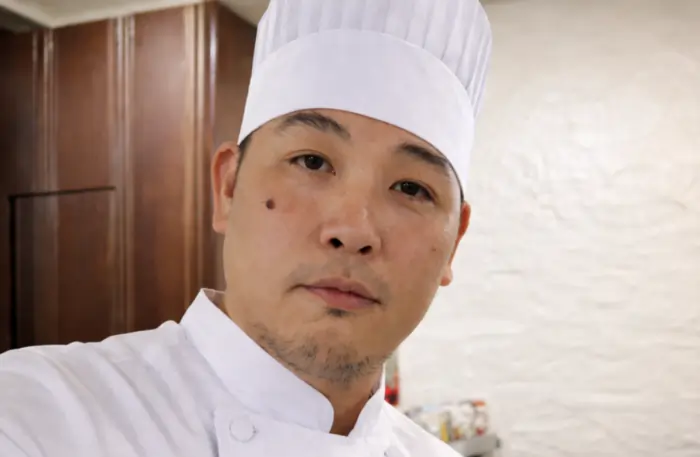
Chef Juan Gadi brings the heart of Filipino hospitality to Ubud, Bali. As an Executive Chef and consultant, he specializes in creating intimate, curated dining experiences that tell a story through every dish. Whether leading the kitchen at Kilig Filipino Warung or hosting a private villa dinner, Chef Juan’s approach is defined by warmth, modern technique, and a commitment to culinary excellence.