
Food Helps Turn Strangers Into Friends Key Takeaways
For solo travelers, couples, and families alike, the act of eating together becomes a bridge between cultures.
- Food Helps Turn Strangers Into Friends by creating a neutral, joyful space where people lower their guards and simply enjoy the moment.
- Communal dining and family style meals in Bali’s local warungs naturally encourage conversation and connection.
- Hands-on experiences like cooking classes and food tours turn strangers into travel companions and lifelong friends.

The Unexpected Table: Why Food Helps Turn Strangers Into Friends
I still remember my first night in Ubud. I sat down at a simple wooden bench in a tiny warung, sharing a table with three travelers I had never met. Within minutes, we were passing bowls of fragrant sambal, swapping stories about our journeys, and laughing over the universal joy of discovering a perfect bite. That meal did more than fill my stomach — it opened a door to connection. As an Executive Chef who now calls Bali home, I see this magic unfold every day in my kitchen and at my tables. Food Helps Turn Strangers Into Friends because it strips away pretense and invites us to share something essential: nourishment, flavor, and the simple pleasure of being together.
For solo travelers, couples, and families alike, the act of eating together becomes a bridge between cultures. When you sit down to communal dining in Bali, you are not just a tourist — you are a guest, a storyteller, and a friend in the making. The warmth of local hospitality transforms a meal into a memory that lasts far longer than the taste of the food.
Why Shared Meals Create Meaningful Connections While Traveling
Have you ever noticed how easy it is to talk to someone when you are both focused on a plate of delicious food? Shared meals act as a social lubricant, lowering the barriers that usually separate strangers. Psychologists call this the “table effect” — eating together releases oxytocin, the bonding hormone, which makes us more open and trusting.
In Bali, this experience is amplified by the culture of cultural dining. Meals are not rushed; they are events. Whether you are enjoying traditional Balinese dishes in a village home or street food at a night market, the pace invites conversation. The act of asking “What is that spice?” or “How do you eat this?” naturally leads to dialogue. Before long, you are exchanging social media handles and planning to explore the next hidden food gem together.
What Makes Communal Dining Special in Bali
Bali’s dining culture is built on togetherness. Communal dining is not a trend here — it is a tradition. In local warungs, you often sit at long tables next to strangers who quickly become dining companions. Dishes are served family style meals, meant to be shared and passed around. This setup naturally breaks the ice. You might ask your neighbor, “Is this the best sate lilit on the island?” and suddenly you are deep in conversation about their travels, their favorite spots, and the local food that has stolen their heart.
I have seen this happen countless times at Kilig Filipino Warung and during private villa dinners I host. People arrive as individuals and leave as friends. The shared act of eating creates a bond that feels almost instant — and often, those bonds endure long after the plates are cleared.
How Food Tours Encourage Travelers to Meet New People
Food tours are designed for connection. Unlike a solo sightseeing day, a guided culinary walk through Ubud’s markets or Denpasar’s streets forces you into a group dynamic. You walk together, taste together, and share reactions to every new flavor. The structure of a food tour — small group sizes, shared tasting plates, and a passionate local guide — creates a natural environment for conversation.
During my own food tours, I watch strangers become collaborators. They debate which seafood specialties are best, take travel photography of each other’s dishes, and exchange recommendations for the rest of their trip. The culinary tourism experience becomes as much about the people as it is about the food. By the end of the tour, the group often exchanges numbers and plans to meet for dinner later that week.
Why Local Warungs Are Great Places to Connect with Locals
Local warungs are the heartbeats of Balinese neighborhoods. These small, family-run eateries serve authentic dining at its purest. The menu is often handwritten, prices are humble, and the owner might bring out a dish not listed just because they want to share something special. Local warungs are where authentic hospitality shines brightest.
When you eat at a warung, you are invited into a local’s daily life. The cook might come out to ask if you like the food, and suddenly you are learning about the recipe passed down through generations. I have watched travelers sit on plastic stools next to Balinese workers, sharing a meal of traditional Balinese dishes like nasi campur or babi guling. Language barriers fade because food speaks a universal tongue. These moments of cultural exchange are exactly how food helps turn strangers into friends. For a related guide, see 10 Best Ways to Turn Every Meal Into a Travel Experience in Bali.
How Cooking Classes Bring Travelers Together
There is something uniquely bonding about getting your hands messy in a kitchen alongside people you just met. Cooking classes in Bali are not just about learning recipes — they are about shared experiences that demand collaboration. You chop together, stir together, and taste together. Mistakes become jokes, and successes become high-fives.
In the classes I lead, guests from different countries become a team. They negotiate over who grinds the spices, who tends the grill, and who plates the final dish. By the time we sit down to eat the meal we have all created, the group is laughing like old friends. The village cuisine we prepare is a vehicle for connection — each ingredient and technique tells a story about the culture, and the act of making it together creates travel memories that last a lifetime.
The Role Food Plays in Cultural Exchange
Cultural exchange happens naturally over a meal. When you share food, you are also sharing history, tradition, and values. In Bali, Balinese cuisine is deeply tied to ceremony and community. Dishes are often made for temple festivals, family gatherings, and celebrations. By authentic dining with locals, you gain insight into a way of life that goes far beyond what any guidebook can offer.
I have seen travelers sit down for a traditional Balinese dishes meal in a village home and leave with a new understanding of Southeast Asian culture. The host might explain the significance of each spice or the story behind a family recipe. This exchange is not one-sided — travelers share their own food stories, creating a two-way street of cultural immersion. This is meaningful travel in action, where a meal becomes a classroom and a dinner table becomes a bridge between worlds.
How Dining Experiences Create Lasting Travel Memories
The strongest travel memories are often tied to meals. Think back to your own journeys — the best stories usually involve food. In Bali, these memories are amplified by the setting. Imagine dining under the stars at a beachside warung, surrounded by the sound of waves and the scent of grilled fish. Or sharing farm to table dining on a terrace overlooking rice paddies, with the cook personally describing each ingredient.
These moments become the stories you tell for years. They also become the foundation of friendships that outlast the trip. I regularly receive messages from past guests who met over one of my dinners and have since traveled together to other countries. The bond formed over a shared meal often proves stronger than the bond formed over a shared sightseeing bus. Why? Because eating together is intimate. It is personal. It is the most human thing we can do.
Benefits of Sharing Meals with People from Different Cultures
When you share a meal with someone from a different background, you gain more than a full stomach. You gain empathy, understanding, and a broader worldview. Here are a few specific benefits:
- Breaks stereotypes: Real conversation over food humanizes people who might otherwise remain strangers. It replaces assumptions with personal stories.
- Teaches new perspectives: Learning about a dish’s origin often reveals cultural values — the importance of community, respect for ingredients, or the role of hospitality.
- Creates lifelong friendships: The intimacy of a shared meal lays a foundation of trust that can grow into a lasting relationship.
- Enhances travel depth: Instead of merely seeing a place, you experience it through the lives of the people who live there. This cultural immersion makes your trip richer and more memorable.
I have seen all of these benefits unfold in my own dining room. Travelers from different continents, different languages, and different life experiences sit down together and leave as friends. It never gets old.
Why Friendships Formed Over Food Often Last Long After the Trip Ends
There is a reason that friendships forged over shared meals tend to endure. The act of eating together activates the same neural pathways that build trust and bonding. When you share not just food but also stories, laughter, and maybe a little sambal-induced heat, you create a memory that is viscerally anchored in sensory experience.
Years later, you might forget the name of a temple you visited, but you will not forget the face of the person who taught you to roll a spring roll or the taste of the first nasi goreng you shared. These friendships often continue through social media, messages, and even future reunions. I have hosted travelers who, years after their first meal with me, return to Bali with new friends they met through that original connection. The chain of travel connections keeps growing.
Practical Tips for Turning Your Next Bali Meal into a Friendship
You do not need to be an extrovert to make friends over food. Here are simple, actionable ways to turn your dining experience into a chance to connect:
- Choose communal seating: Opt for tables at warungs that seat multiple groups rather than private tables. The proximity invites conversation.
- Join a food tour: Food tours are specifically designed for group interaction. They are the easiest way to meet other food-loving travelers.
- Take a cooking class: The hands-on, collaborative nature of a class makes it nearly impossible not to bond with your classmates.
- Visit local markets: Striking up a conversation with a vendor about their produce or spices can lead to unexpected travel storytelling and warm connections.
- Ask questions: Show genuine curiosity about the food you are eating. Ask the cook or your neighbor about ingredients, preparation, or the story behind a dish.
- Share your own food stories: Reciprocity builds bonds. Tell your tablemates about a favorite dish from your own culture.
These small actions transform a meal from a solitary refueling stop into a rich social dining experience.
Sustainable Culinary Tourism in Bali: Eating with Purpose
As you seek out authentic experiences, it is important to approach them with respect. Sustainable tourism means supporting local economies, avoiding exploitation, and honoring traditions. When you dine at local warungs and participate in village cuisine experiences, you directly contribute to the livelihood of families and communities.
I always encourage travelers to seek out hidden food gems rather than only the most Instagrammed spots. Ask your homestay host where they eat. Walk a little further off the main road. Choose farm to table dining options that source ingredients locally. These choices deepen your cultural immersion and create a positive impact on the communities that welcome you.
My Personal Invitation to You
As Chef Juan Gadi, I welcome you to Bali with an open kitchen and an open heart. Whether you join me at local warungs like Kilig Filipino Warung for a taste of Filipino-Balinese fusion, or book a private villa dinner where we craft a menu together, my goal is always the same: to help you connect — with the food, the culture, and with the people around you.
I have seen food helps turn strangers into friends time and again. It is the philosophy that drives everything I do. The next time you sit down to a meal in Bali, look around. The person next to you might become a lifelong friend. All you have to do is share the table.
Useful Resources
For more on the science of food and social bonding, read this article from Psychology Today on the power of shared meals. To explore Bali’s rich food culture further, visit Bali Foodies for trusted local food guides.
Frequently Asked Questions About Food Helps Turn Strangers Into Friends
How does food help turn strangers into friends?
Food lowers social barriers by creating a shared, sensory experience that naturally encourages conversation and connection. In Bali, communal dining settings like warungs and cooking classes make it easy for strangers to become friends over a meal. For a related guide, see 10 Ways Meaningful Conversations Begin Around Food.
Why do shared meals create meaningful connections while traveling?
Shared meals release oxytocin, the bonding hormone, making people more open and trusting. The act of eating together also provides a neutral activity that reduces awkwardness and fosters genuine interaction.
What makes communal dining special in Bali?
Bali’s communal dining tradition is deeply rooted in local culture. Long tables, family style meals, and warm hospitality create a natural environment where strangers talk, share stories, and connect.
How do food tours encourage travelers to meet new people?
Food tours are designed for small groups, with shared tasting plates and a guided format that prompts discussion. Travelers bond over new flavors and experiences, often exchanging contact details by the end of the tour.
Why are local warungs great places to connect with locals?
Local warungs are family-run, casual, and welcoming. The intimate setting encourages conversation with the owner and other diners, offering authentic cultural exchange that larger restaurants cannot replicate.
How do cooking classes bring travelers together?
Cooking classes involve teamwork — chopping, stirring, and plating together. The collaborative process creates a sense of shared achievement and naturally breaks the ice between strangers.
What role does food play in cultural exchange?
Food carries history, tradition, and values. Sharing a meal allows travelers to learn about a culture from its cuisine, while also sharing their own food stories, creating a two-way cultural exchange.
How can dining experiences create lasting travel memories ?
Dining experiences engage all the senses — taste, smell, sight, and touch. These multisensory moments are more memorable than passive sightseeing, and the friendships formed over them often last for years.
What are the benefits of sharing meals with people from different cultures?
Sharing meals breaks stereotypes, broadens perspectives, builds empathy, and creates friendships. It transforms a trip from a tourist experience into a deep cultural immersion.
Why do friendships formed over food often last long after the trip ends?
The sensory and emotional intensity of a shared meal creates strong memory anchors. Friendships built over shared meals are often deeper and more resilient than casual travel acquaintances.
Is it safe to eat at local warungs in Bali?
Yes, most local warungs maintain high hygiene standards. Choose busy warungs with a high turnover of customers to ensure fresh ingredients. Trust your instincts and enjoy the authentic dining experience.
Do I need to speak Indonesian to connect with locals over food?
Not at all. A few simple phrases like “terima kasih” (thank you) and “enak” (delicious) are appreciated, but smiles and gestures work beautifully. Food is a universal language.
What is the best time of day to dine at a warung for socializing?
Lunch and early dinner (around 6-8 PM) are the busiest times, offering the best chance to meet other travelers and locals. The lively atmosphere encourages interaction.
Can I join a cooking class if I have no cooking experience?
Absolutely. Cooking classes in Bali are designed for all skill levels. The instructors guide you step by step, and the group dynamic makes it easy to learn and laugh together.
What are some traditional Balinese dishes I should try?
Must-try traditional Balinese dishes include nasi campur (mixed rice), sate lilit (minced seafood satay), babi guling (suckling pig), bebek betutu (slow-cooked duck), and lawar (spiced vegetable and meat salad).
How can I find hidden food gems in Bali?
Ask locals — your hotel staff, a taxi driver, or market vendors. Explore side streets away from tourist centers. Join food tours led by guides who know hidden food gems off the beaten path.
Is street food safe to eat in Bali?
Yes, if you choose busy stalls with high turnover and observe cleanliness. Street food offers some of the most authentic dining experiences in Bali. Use your judgment and ask for recommendations.
What should I do if I feel shy about talking to strangers during meals?
Start with a simple compliment on the food or ask a question about a dish. The shared setting does most of the work — you will find that others are usually just as eager to connect.
How do I choose the right food tour for making new friends?
Look for small-group tours (6-10 people) that include communal dining stops and interactive elements. Read reviews that mention group dynamics and friendly guides.
Can sharing a meal with locals really change my perspective on travel?
Yes. When you share a meal with locals, you move from observer to participant. The cultural exchange deepens your understanding of the destination and creates meaningful travel that stays with you forever.
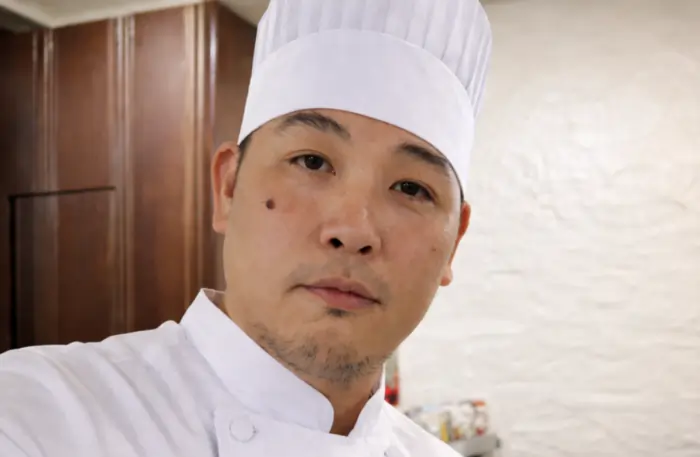
Chef Juan Gadi brings the heart of Filipino hospitality to Ubud, Bali. As an Executive Chef and consultant, he specializes in creating intimate, curated dining experiences that tell a story through every dish. Whether leading the kitchen at Kilig Filipino Warung or hosting a private villa dinner, Chef Juan’s approach is defined by warmth, modern technique, and a commitment to culinary excellence.