
Feel Good Food Moments Every Bali Traveler Should Experience Key Takeaways
Bali is more than a tropical paradise; it is a destination where every meal becomes a memory.
- Discover local warungs and traditional Balinese dishes that define authentic Bali dining .
- Learn which food tours and cooking classes are worth adding to your itinerary.
- Understand how shared meals and Balinese hospitality create unforgettable travel memories .

What Makes Feel Good Food Moments Every Bali Traveler Should Experience So Special?
Bali food experiences are about more than ingredients — they are about connection. The island’s Bali culinary experiences weave together centuries of local customs, vibrant tropical fruits, and the warmth of Balinese hospitality. When you sit down at a local warungs or join a family for a shared meal, you are stepping into a story that has been simmering for generations.
These feel good food moments every Bali traveler should experience offer a window into the island’s heart. From the sizzle of Satay Lilit on a charcoal grill to the quiet ritual of a morning market visit, each experience invites you to taste Bali’s authentic flavors. For food travelers and culinary enthusiasts, these moments are the true essence of travel through food.
Starting the Day Right: A Morning at a Local Warung
Your Bali food guide would be incomplete without a sunrise stop at a local warungs. These family-run roadside eateries are the heartbeat of Bali local cuisine. Here, you will find Nasi Campur — a mixed rice dish topped with small portions of vegetables, meat, and sambal — that tastes like a hug in a bowl.
The beauty of warungs lies in their authentic hospitality. The owner might greet you by name by your second visit, and the recipes have been passed down through generations. For solo travelers and digital nomads, this is where travel storytelling begins — over a steaming cup of Bali coffee and a plate of traditional Balinese dishes that cost less than a dollar. For a related guide, see How Human Connection Shapes the Bali Experience.
What Makes Warung Food So Memorable?
Warungs serve authentic Bali dining that has not been adapted for tourist palates. The sambal is fiery, the Babi Guling is crackling-crisp, and every bite carries the culinary heritage of the island. For backpackers and luxury travelers alike, these meals are a grounding reminder that the best food travels on flavor, not price.
Sunset Seafood Dinners on Jimbaran Bay
Few destination dining experiences rival the magic of a Jimbaran Bay sunset. Rows of tables are set directly on the sand, and the air fills with the aroma of grilling fish, prawns, and squid. These seafood dinners are a ritual for couples, families, and food adventures seekers who want to watch the sky turn orange while their meal is caught, cleaned, and grilled within hours.
Order a mix of grilled snapper, butter garlic prawns, and tropical fruits for dessert. The combination of salt air, live music, and the sound of waves makes this one of the memorable meals that define Bali culinary experiences. For international tourists, it is a must-try that blends culinary tourism with natural beauty.
Choosing the Right Seafood Spot
Not all seafood dinners are created equal. Look for restaurants that source daily from local fishermen and offer sustainable tourism practices. Many family-owned restaurants along the bay share the same catch, so ask your driver or hotel which spot is most respected by locals. This is immersive travel at its most delicious.
Learning the Art of Balinese Cooking Through a Class
Balinese cooking classes offer a hands-on way to understand the island’s culinary heritage. You start with a guided tour of a local markets, where your instructor explains the role of turmeric, galangal, and kaffir lime leaves in traditional Balinese dishes. Then, you head to an open-air kitchen to prepare classics like Satay Lilit and lawar.
These classes teach you Bali food experiences that last long after you leave. You learn why a shared meals tradition matters in Balinese culture, and how every dish reflects the island’s philosophy of harmony. For cultural travelers, travel bloggers, and gastronomic tourists, a cooking class is a highlight of any Bali itinerary.
Which Cooking Classes Offer the Best Value?
Classes in Ubud, Canggu, and Umalas are popular, but the most authentic ones take place in village homes. Look for classes that include a market visit, hands-on preparation, and a cultural exchange with the family. Some even offer farm-to-table experiences where you pick herbs from the garden. For experiential travelers, this is immersive travel that nourishes both body and spirit.
Exploring Hidden Food Gems with a Local Food Tour
food tours in Bali open doors to hidden food gems that most tourists never find. A knowledgeable guide leads you through back alleys, night markets, and family kitchens where village cuisine thrives. You taste raw honey straight from the hive, sate babi from a cart that has been rolling for 30 years, and jackfruit curry made from a grandmother’s recipe.
These tours are perfect for first-time visitors and Southeast Asia travelers who want depth without the planning stress. Guides share stories about local customs, the significance of certain ingredients, and how Balinese food has evolved. Each stop is a chapter in the travel storytelling of your trip.
Are Food Tours Worth the Investment?
Absolutely, especially if you value cultural dining and authentic flavors. A good tour costs around $40–$70 and includes 8–12 tastings, plus transport. You gain access to places you would never find alone, and the guide’s commentary enriches your understanding of Bali food experiences. For luxury travelers and food bloggers, it is a smart investment in travel memories.
Sharing Baba Guling with a Balinese Family
Babi Guling — slow-roasted suckling pig — is the centerpiece of Balinese celebrations. The best versions are found not in tourist restaurants, but in family-owned restaurants that serve it only on special days or by reservation. When a Balinese family invites you to share a plate, you are experiencing the purest form of Balinese hospitality.
The skin is impossibly crispy, the meat tender, and the lawar (spiced coconut and vegetable salad) provides a tangy contrast. This is authentic Bali dining at its most communal. For cultural travelers and families, it is a cultural exchange that transcends language.
Where to Find the Best Babi Guling?
Ibu Oka in Ubud is famous, but local families will point you to lesser-known warungs in Denpasar and Gianyar. Ask around — the best bowls are often found in someone’s front yard, served with a smile and a story. This is village cuisine that defines Bali local cuisine.
Farm-to-Table Dining in the Rice Terraces of Ubud
farm-to-table dining in Bali is not a trend; it is a tradition. Restaurants in Ubud’s Tegallalang region source vegetables, herbs, and spices from surrounding farms. You dine overlooking emerald rice terraces, eating dishes that were grown within a kilometer of your table. The menu changes daily based on harvest, ensuring authentic flavors that reflect the land.
For gastronomic tourists and wellness seekers, this is sustainable tourism that aligns with destination dining. Many of these spots also offer Balinese cooking classes using ingredients you just saw growing. The connection between plate and paddy field is palpable.
Top Farm-to-Table Restaurants in Ubud
Locavore, Moksa, and Kebun Bistro lead the movement. Each emphasizes local dining with a focus on organic, seasonal produce. For digital nomads and food travel Bali enthusiasts, these restaurants provide both inspiration and nourishment.
Discovering Tropical Fruits at a Traditional Market
A visit to a local markets like Pasar Badung in Denpasar or Ubud Market reveals the island’s bounty of tropical fruits. Durian, mangosteen, snake fruit, and passionfruit are piled high in vibrant pyramids. The sellers are happy to let you taste before you buy, and the experience is a feast for all senses.
For food travelers and families, this is an opportunity to taste fruits you have never seen before. You can also find traditional Balinese dishes like bubur injin (black rice pudding) made fresh on-site. These Bali food experiences are raw, real, and unforgettable.
Which Market Offers the Best Culinary Discoveries?
Pasar Badung is the largest and most authentic for cuisine exploration. For a more curated experience, try the Gianyar Night Market, where hidden food gems emerge after sunset. Both offer local dining that showcases the island’s culinary heritage.
Satay Lilit: The Art of Minced Seafood on Lemongrass Skewers
Satay Lilit is a Balinese innovation that turns satay into an art form. Minced fish or chicken is mixed with grated coconut, lime leaves, and spices, then wrapped around a lemongrass stalk and grilled over coconut charcoal. The result is smoky, fragrant, and utterly addictive.
You find Satay Lilit at warungs, beachside stalls, and high-end Bali restaurants. For food adventures seekers, learning to make it in a Balinese cooking classes is a rite of passage. The lemongrass doubles as a skewer and a flavor infusion, making every bite a shared meals memory.
Where to Find the Best Satay Lilit
Jimbaran’s fish markets and Ubud’s traditional warungs serve exceptional versions. For destination dining, try a restaurant that grills it over open coals in front of you. The theatrical element adds to the food travel Bali experience.
Late-Night Nasi Campur at a Family-Run Stall
When hunger strikes after a day of exploring, Nasi Campur from a family-owned restaurants stall hits the spot. These late-night gems appear on street corners around 9 PM and offer a dozen side dishes to choose from. You build your own plate — a spoonful of curry, a piece of fried chicken, sambal, and vegetables — all for a few thousand rupiah.
This is authentic Bali dining that feels like a secret shared only among locals. The authentic hospitality of the owners, who often remember your preferences, makes you feel like a regular. For backpackers and digital nomads, these stalls are the backdrop for travel storytelling and spontaneous cultural exchange.
Why Family-Run Stalls Are Special
They preserve culinary heritage that chain restaurants cannot replicate. The recipes are personal, the ingredients are locally sourced, and every shared meals is a transaction of care. For experiential travelers, this is the heart of immersive travel.
The Ritual of Coffee and Cakes in a Village Home
Balinese coffee is potent, sweet, and served with a side of conversation. In many villages, families invite visitors for afternoon coffee and homemade cakes made from tropical fruits and coconut. The coffee is often roasted on-site, and the cakes use traditional Balinese dishes recipes passed down through generations.
This ritual is Balinese hospitality in its purest form. There is no menu, no set price — just an open door and a warm smile. For cultural travelers and luxury travelers seeking authentic flavors, these moments are the most memorable meals you will have.
How to Find These Invitations
Stay in a homestay in a village like Sidemen or Munduk, and you will likely be invited. Alternatively, join a food tours that includes a village coffee ceremony. For solo travelers, this is a powerful way to connect with local communities and experience travel through food.
Useful Resources
For deeper exploration of Bali food experiences and planning your trip, the following resources provide reliable guidance:
Conclusion: The Lasting Taste of Feel Good Food Moments Every Bali Traveler Should Experience
These feel good food moments every Bali traveler should experience are more than a checklist — they are invitations to slow down, taste deeply, and connect. From the smoky char of Satay Lilit to the sweetness of a freshly picked mango, every bite holds a story of Balinese hospitality and culinary heritage. For food travelers, cultural travelers, and anyone with a curious palate, Bali offers travel memories that linger long after the last plate is empty. Let these Bali food experiences guide your journey into the heart of the island — one delicious, feel-good moment at a time.
Frequently Asked Questions About Feel Good Food Moments Every Bali Traveler Should Experience
What are the best feel-good food moments in Bali?
The best feel good food moments every Bali traveler should experience include sharing Nasi Campur at a morning warung, enjoying sunset seafood dinners on Jimbaran Bay, taking a Balinese cooking class, and exploring night markets for hidden gems. Each moment combines delicious food with authentic hospitality and cultural connection.
Which local dishes should every Bali traveler try?
Every visitor should sample Babi Guling, Nasi Campur, Satay Lilit, lawar, and bubur injin. These traditional Balinese dishes represent the island’s culinary heritage and are widely available at local warungs and markets.
Where can visitors enjoy authentic Balinese dining experiences?
Authentic Balinese dining is best experienced at family-owned restaurants in villages like Sidemen, at warungs in Denpasar, and during Balinese cooking classes in Ubud. Local markets such as Pasar Badung also offer genuine local dining experiences.
Are local warungs better than tourist restaurants for authentic food?
Yes, local warungs are generally better for authentic food because they preserve local customs and culinary heritage without adapting flavors for tourists. They offer authentic flavors at lower prices and provide meaningful cultural exchange with locals.
What food tours and cooking classes are worth adding to a Bali itinerary?
food tours in Ubud, Gianyar Night Market tours, and Balinese cooking classes that include market visits are excellent additions. Look for experiences that emphasize farm-to-table dining and cultural dining to maximize immersive travel. For a related guide, see 12 Food Adventures That Go Beyond Restaurant Dining.
How can travelers experience Balinese hospitality through food?
Travelers can experience Balinese hospitality by eating at family-owned restaurants, joining shared meals at homestays, and participating in rituals like afternoon coffee in village homes. The warmth of the hosts and the personal attention create memorable meals.
What local markets offer the best culinary discoveries?
Pasar Badung in Denpasar, Gianyar Night Market, and Ubud Market are top choices for culinary discoveries. They offer tropical fruits, traditional Balinese dishes, and hidden food gems that define Bali food experiences.
What makes family-owned restaurants special in Bali?
family-owned restaurants preserve culinary heritage through recipes passed down for generations. They prioritize authentic hospitality, use locally sourced ingredients, and offer shared meals that create strong travel memories.
How do shared meals create unforgettable travel memories ?
shared meals foster cultural exchange and connection. Eating together with locals or fellow travelers deepens your understanding of local customs and turns a simple meal into a travel storytelling moment you carry home.
How can food experiences help travelers connect more deeply with Balinese culture and local communities?
Food is the gateway to Balinese culture. Through food tours, cooking classes, and eating at local warungs, travelers learn about rituals, ingredients, and traditions. This immersive travel approach builds genuine relationships with local communities.
Is Bali safe for solo female travelers to explore food experiences?
Yes, Bali is generally safe for solo female travelers. Local warungs, cooking classes, and markets are welcoming environments. Use common sense, especially at night, but food-focused travel is very accessible and rewarding.
What is the best time of year for food travel in Bali?
The dry season (April to October) is ideal for food travel Bali because markets are vibrant, outdoor dining is comfortable, and produce is abundant. The wet season also offers unique fruits and fewer crowds.
Can vegetarians and vegans enjoy authentic Balinese food ?
Absolutely. Many traditional Balinese dishes like lawar (with coconut), bubur injin, and vegetable curries are vegetarian. Farm-to-table dining spots and Balinese cooking classes offer excellent plant-based options.
How much does a typical meal at a local warung cost?
A meal at a local warungs costs between $1 and $3, making it some of the most affordable authentic Bali dining in the world. This is ideal for backpackers and digital nomads.
What should I bring to a Balinese cooking class?
Bring a curious appetite, comfortable clothing, and a notebook for recipes. Most Balinese cooking classes provide aprons and ingredients. A camera is essential for travel memories.
Are there food tours that cater to luxury travelers?
Yes, private food tours with personal chefs, wine pairings, and visits to exclusive farm-to-table dining venues cater to luxury travelers. Companies offer bespoke destination dining experiences.
How do I find hidden food gems away from tourist crowds?
Ask local drivers, guesthouse hosts, or join food tours led by residents. Local markets and village cuisine spots in Gianyar and Tabanan are known for hidden food gems.
What is the etiquette for eating at a Balinese home?
Always eat with your right hand, wait to be offered a seat, and compliment the food. Balinese hospitality values politeness and appreciation. These local customs make the experience richer.
Can I take cooking classes that focus on sustainable or farm-to-table food?
Yes, many Balinese cooking classes emphasize sustainable tourism and farm-to-table dining. Classes in Ubud and Sidemen often source ingredients from their own gardens or local farms.
How do I plan a food-focused itinerary for Bali?
Start with a Bali food guide or consult a travel specialist who understands culinary tourism. Combine stays in Ubud, Jimbaran, and a village homestay to maximize Bali food experiences.
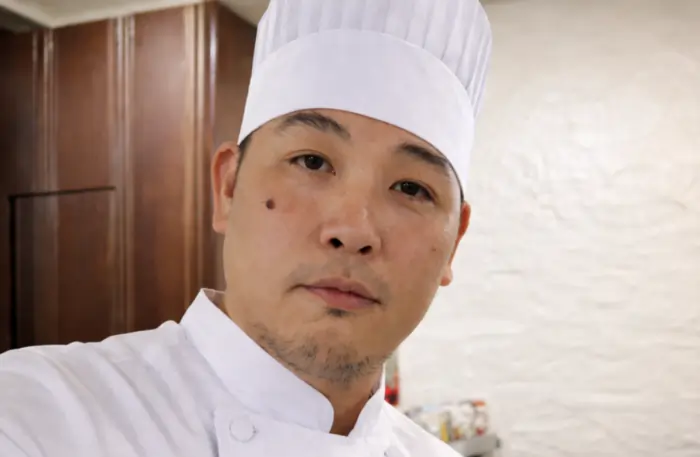
Chef Juan Gadi brings the heart of Filipino hospitality to Ubud, Bali. As an Executive Chef and consultant, he specializes in creating intimate, curated dining experiences that tell a story through every dish. Whether leading the kitchen at Kilig Filipino Warung or hosting a private villa dinner, Chef Juan’s approach is defined by warmth, modern technique, and a commitment to culinary excellence.