
Emotional Value of Being Cared for Through Food Key Takeaways
The emotional value of being cared for through food is deeply felt when a meal transcends nourishment and becomes a gesture of warmth, attention, and cultural intimacy.
- Shared meals in Bali are more than eating — they are acts of meaningful dining that strengthen emotional connection to place and people.
- Traditional Balinese dishes and family recipes carry stories of heritage, making every bite part of a cultural dining experience.
- Whether through cooking classes , food tours , or a spontaneous invitation to a village feast, authentic hospitality leaves travelers feeling welcomed and emotionally connected.

What Is the Emotional Value of Being Cared for Through Food?
The emotional value of being cared for through food is the deep sense of warmth, belonging, and recognition that comes when someone prepares a meal with your comfort in mind. It is the difference between eating a dish and truly being fed — not just with ingredients, but with intention. Food and emotions are inseparable: a simple plate of local cuisine can feel like a hug when it is offered with genuine care.
When a Balinese hostess notices you are tired after a long flight and brings you a bowl of warm traditional Balinese dishes — perhaps a fragrant chicken soup called bubur ayam — that act of comfort through food anchors you to the moment. You are no longer a stranger standing at the edge of a new culture; you are someone being looked after. This is the heart of meaningful dining, and it is what makes Balinese hospitality so unforgettable.
Why Does Food Make People Feel Comforted and Connected?
Science and tradition both tell us the same story: food and emotions are wired together from our earliest memories. The smell of spices, the warmth of a shared pot, the sound of laughter around a table — these sensory cues trigger feelings of safety and belonging. When you travel, especially to an unfamiliar place like Bali, comfort through food becomes a psychological anchor. It grounds you in the present and reassures you that you are cared for. For a related guide, see How Bali Experiences Become Cherished Memories.
The Role of Home-Cooked Meals and Family Recipes
There is a reason why home-cooked meals are the gold standard of emotional connection in travel. A dish made from a family recipe carries generations of love and memory. In Bali, many local warungs and village cuisine spots are run by families who have passed down recipes for decades. When you taste a plate of traditional Balinese dishes like babi guling (suckling pig) or lawar (spiced minced meat with vegetables), you are tasting a lineage. The food traditions behind those flavors are not just ingredients — they are stories of survival, celebration, and community.
How Do Shared Meals Strengthen Relationships While Traveling?
Shared meals are one of the most powerful tools for building bonds, whether with travel companions or with locals. When you sit down to eat together, you are participating in a ritual that predates language. In Bali, communal dining is woven into daily life. Families eat together from shared platters, offering dishes to one another before serving themselves. Guests are always invited to join, often with the phrase “Makan, makan!” — “Eat, eat!”
These moments of shared experiences create memorable meals that travelers carry home. A solo traveler who shares a table with a Balinese family during a temple festival will remember the friendly locals and the laughter over a plate of nasi campur far longer than any museum visit. The emotional value of being cared for through food is magnified when the meal is shared — it becomes a bridge between cultures. For a related guide, see How Food Helps Turn Strangers Into Friends.
What Makes Balinese Hospitality Memorable Through Food?
Balinese hospitality is legendary for a reason. It is not about fancy tablecloths or elaborate presentations. It is about the sincerity of welcome. When you step into a local warung in Ubud or a seaside eatery in Jimbaran, the owner will often ask where you are from, what flavors you like, and how spicy you can handle. They adjust the dish to suit you — not because you asked, but because they want you to feel at home.
Authentic Hospitality in Action
I remember my first trip to a small village near Sidemen. A grandmother invited me into her kitchen to watch her prepare sayur urap (steamed vegetables with grated coconut). She did not speak English, but she smiled and gestured for me to taste the coconut as she seasoned it. That simple act of authentic hospitality — of sharing her process, her space, and her food — made me feel like a welcome guest, not just a tourist. That is the emotional value of being cared for through food in its purest form.
Why Do Home-Cooked and Locally Prepared Meals Create Lasting Memories?
Home-cooked meals and locally prepared meals are intimate by nature. They are not mass-produced; they are made slowly, with attention to ingredient and mood. When a Balinese cook uses tropical flavors — lemongrass, galangal, turmeric, coconut — straight from the market, the food culture comes alive on your plate. These meals become travel memories because they are tied to a specific place and a specific moment of care.
Furthermore, locally prepared meals often use farm-to-table dining principles without calling it that. The vegetables come from the backyard. The chickens are raised next door. Eating this way connects you to the land and to the people who tend it. It is sustainable tourism that tastes authentic and feels right. These meals are memorable meals because they are honest.
How Can Authentic Dining Experiences Deepen Cultural Understanding?
Authentic dining is a gateway to cultural immersion. When you sit down to eat the way locals eat — with your hands, from a banana leaf, in a communal dining setting — you are not just observing culture; you are living it. Cultural dining in Bali is about ritual: the offering of a small portion to the gods before the meal begins, the use of the right hand for eating, the sharing of dishes.
Why Cooking Classes and Food Tours Work
Participating in cooking classes or food tours is one of the most effective ways to deepen cultural understanding. In a Balinese cooking class, you do not just learn to chop and stir. You visit the morning local markets to select spices, you learn about the spiritual significance of each ingredient, and you cook alongside a local family. This is cultural exchange at its best — hands-on, respectful, and deeply educational.
Food tours led by local guides introduce you to hidden food gems — alleyway local warungs, street vendors selling pisang goreng (fried bananas), and family-run stalls specializing in sate lilit (minced seafood satay). Each stop is a story. Each bite is a lesson in food traditions. These authentic experiences make culinary tourism meaningful, not superficial.
What Role Do Family Recipes and Food Traditions Play in Travel?
Family recipes and food traditions are the backbone of culinary heritage. They tell the story of a people — their history, their geography, their values. In Bali, many families still cook using methods that are hundreds of years old: grinding spices with a mortar and pestle, cooking over an open fire, and wrapping food in banana leaves to steam.
For travelers, encountering these traditions is like discovering a secret library of taste. The emotional connection you feel when tasting a dish that has been perfected over five generations is profound. You are not just eating; you are participating in local traditions that have sustained communities for centuries. This is travel storytelling you can taste.
Are Cooking Classes and Food Tours Good Ways to Connect with Local Culture?
Yes, absolutely — but only when they are done right. A good cooking class or food tour prioritizes cultural exchange over entertainment. In Bali, the best cooking classes start with a trip to the local markets, where the guide explains the significance of each ingredient — the tropical flavors of lemongrass and turmeric, the varieties of rice, the role of chili in daily cooking.
During a food tour, a knowledgeable guide will share stories that connect the dish to the place. For example, why nasi jinggo (a tiny portion of rice with side dishes) became a favorite breakfast for workers, or how lawar is prepared during temple ceremonies. These narratives transform a simple tasting into an authentic dining experience that deepens your appreciation of Southeast Asian cuisine and the people who create it.
Why Do Simple Acts of Hospitality Leave the Strongest Impressions?
Simple acts of hospitality often leave the deepest marks on our hearts because they are unexpected and genuine. In Bali, these moments happen daily. A local warung owner sees you hesitating over the menu and brings you a small sample of everything. A homestay family invites you to join their evening meal without any expectation of payment. A farmer offers you a freshly picked mango while you watch the sunset over the rice terraces.
These gestures carry the emotional value of being cared for through food because they come without obligation. They are pure generosity. They remind us that authentic hospitality is not a transaction — it is a way of being. For travelers, these are the memorable meals and moments that define a trip, not by what you saw, but by how you were made to feel.
How Does Food Help Travelers Feel Welcomed, Cared For, and Emotionally Connected to a Destination?
Food is the most direct bridge between a traveler and a destination. When you eat traditional Balinese dishes prepared with care, you are receiving a welcome that words cannot always express. The emotional connection forms through the senses: the warmth of the sambal on your tongue, the fragrance of pandan leaves rising with steam, the sight of vibrant turmeric coloring a bowl of soup.
Destination dining in Bali is not just about eating; it is about feeling held by the culture. Whether you are enjoying village cuisine in a remote highland village or sampling street food at a bustling night market, the underlying message is the same: you are welcome here. This feeling of care translates directly into travel memories that last a lifetime.
For wellness travelers, the emotional value of being cared for through food is especially potent. Bali’s food traditions emphasize balance — warm and cool ingredients, spicy and mild flavors, crunchy and soft textures. Meals are prepared with mindfulness, and that energy is transmitted to the diner. Eating becomes an act of travel wellness, nourishing not just the body but the spirit.
Useful Resources
To deepen your understanding of Balinese food culture and plan your own culinary journey, explore these resources:
- A Guide to Balinese Food Culture — an informative overview of traditional dishes and dining customs in Bali.
- Culinary Travel to Bali: Local Flavors and Cultural Immersion — tips and stories about eating your way through Bali with authenticity.
The emotional value of being cared for through food is not a luxury reserved for fine dining. In Bali, it is a daily practice, offered freely by grandmothers, warung owners, and market vendors who understand that the way we feed each other is the way we love each other. When you travel here, you do not just taste the food — you feel the care behind it.
Frequently Asked Questions About Emotional Value of Being Cared for Through Food
What is the emotional value of being cared for through food ?
The emotional value of being cared for through food is the deep sense of warmth, belonging, and recognition that comes when a meal is prepared with genuine attention to your comfort and well-being. It transforms eating into an emotionally nourishing experience.
Why does food make people feel comforted and connected?
Food triggers familiar sensory cues — smells, tastes, and textures — that are linked to feelings of safety, love, and community from early childhood. Sharing food also releases oxytocin, the bonding hormone, which strengthens social connections.
How do shared meals strengthen relationships while traveling?
Shared meals create a ritual of togetherness that breaks down barriers. When travelers eat with locals or with travel companions, they participate in an intimate act of care and exchange, building trust and creating shared memories through food.
What makes Balinese hospitality memorable through food?
Balinese hospitality stands out because it is deeply personal and sincere. Hosts often adjust dishes to suit a guest’s preferences, invite strangers to family meals, and prepare food with a reverence for tradition, making guests feel truly welcomed.
Why do home-cooked and locally prepared meals create lasting memories?
Home-cooked meals are made with care and often follow generations-old family recipes. They are tied to a specific place, cook, and moment, making them unique and emotionally charged. The effort behind the dish conveys a powerful sense of being valued.
How can authentic dining experiences deepen cultural understanding?
Authentic dining immerses travelers in local customs, ingredients, and rituals. Eating the way locals eat — using traditional methods, sharing dishes, observing food etiquette — provides a direct, sensory education in the culture.
What role do family recipes and food traditions play in travel?
Family recipes and food traditions are living archives of a culture’s history and values. When travelers taste them, they connect to the heritage and stories of a community, creating a powerful emotional bond with the destination.
Are cooking classes and food tours good ways to connect with local culture?
Yes, when they emphasize cultural exchange and local knowledge. The best classes include market visits, ingredient explanations, and stories behind dishes. Food tours that focus on hidden gems and family-run spots offer authentic cultural immersion.
Why do simple acts of hospitality leave the strongest impressions?
Simple acts of hospitality are unexpected and come without obligation. They feel purely generous — a free sample, an invitation to a family meal, a warm smile with a dish. These gestures of genuine care are what travelers remember most.
How does food help travelers feel welcomed, cared for, and emotionally connected to a destination?
Food acts as a universal language of welcome. When a traveler receives a thoughtfully prepared meal, the message is clear: you are valued here. This emotional nourishment creates a lasting bond between the traveler and the place.
What is the difference between eating and being cared for through food?
Eating is a biological necessity; being cared for through food is an emotional exchange. The difference lies in the intention behind the meal — whether it is prepared with attention to the diner’s comfort, taste, and well-being.
Can food alone create lasting travel memories ?
Food alone can indeed create lasting travel memories, especially when it is tied to a unique place and a meaningful interaction. The taste, aroma, and context of a memorable meal can evoke vivid recollections for years.
What is the role of comfort food in emotional travel experiences?
Comfort food provides a sense of familiarity and safety in unfamiliar environments. For travelers, a warm, nourishing dish can ease anxiety and create a feeling of being looked after, which enriches the overall travel experience.
How do local warungs contribute to the emotional value of dining?
Local warungs are often family-run and serve home-cooked food with a personal touch. The owners remember regulars and offer genuine hospitality, making each meal feel like a visit to a friend’s kitchen rather than a commercial transaction.
What makes traditional Balinese dishes emotionally significant?
Traditional Balinese dishes are deeply tied to religious rituals, community celebrations, and family gatherings. Each dish carries meaning beyond its ingredients — it is a symbol of heritage, spirituality, and collective care.
Why is communal dining so powerful in creating emotional bonds?
Communal dining involves sharing, cooperation, and equal participation. It breaks down hierarchies and fosters a sense of belonging. In Bali, eating from shared platters promotes connection and generosity among all at the table.
How can travelers find authentic dining experiences in Bali?
Travelers can find authentic dining by seeking out local warungs, joining food tours led by local guides, taking cooking classes that visit local markets, and staying in homestays where family meals are shared. Asking locals for recommendations also leads to hidden gems.
What is the connection between food and travel wellness ?
Food and travel wellness are connected through mindful eating, balanced nutrition, and the emotional comfort that meals provide. In Bali, the emphasis on fresh, local ingredients and traditional cooking methods supports both physical and emotional well-being.
How do family recipes preserve cultural heritage in Bali?
Family recipes preserve cultural heritage by passing down specific techniques, ingredients, and rituals from one generation to the next. They keep traditional flavors alive and connect younger generations to their ancestors’ way of life.
Why should travelers prioritize culinary tourism in Bali?
Culinary tourism in Bali offers a deeply immersive way to understand the island’s culture, history, and people. Through local cuisine, cooking classes, and food tours, travelers create emotional connections and memories that go beyond typical sightseeing.
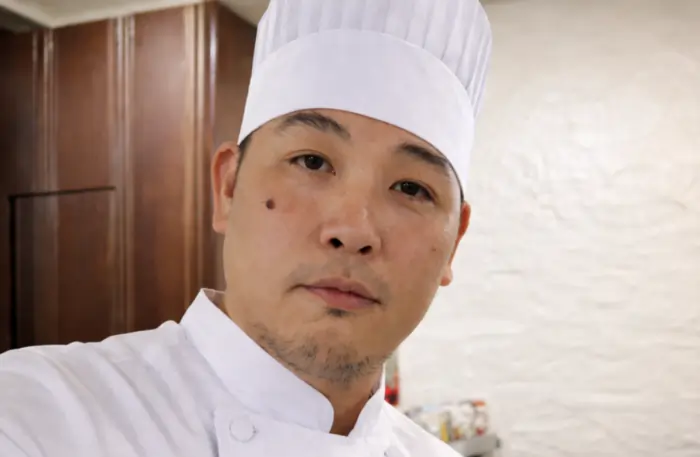
Chef Juan Gadi brings the heart of Filipino hospitality to Ubud, Bali. As an Executive Chef and consultant, he specializes in creating intimate, curated dining experiences that tell a story through every dish. Whether leading the kitchen at Kilig Filipino Warung or hosting a private villa dinner, Chef Juan’s approach is defined by warmth, modern technique, and a commitment to culinary excellence.