Filipino Comfort Foods That You Must Try While in Bali Key Takeaways
From the savory depth of adobo to the icy sweetness of halo-halo, Filipino Comfort Foods That You Must Try While in Bali transport you straight back to a family kitchen in Manila, Cebu, or Davao.
- Filipino Comfort Foods That You Must Try While in Bali span savory stews, grilled favorites, noodle staples, and cool desserts—each offering a unique taste of home.
- Many of these dishes, like sinigang and kare-kare, balance sour, salty, and umami flavors that echo the Filipino palate and complement Bali’s fresh local ingredients.
- Whether you are a homesick OFW, a curious traveler, or a food blogger, this guide helps you find and appreciate these nostalgic meals across Bali’s dining scene.
Why Filipino Comfort Food in Bali Feels Like Coming Home
Bali has long been a favorite destination for Filipino travelers. The warm weather, stunning beaches, and affordable living make it a haven for digital nomads, vacationers, and overseas Filipino workers (OFWs) on a holiday. But amid the lush rice terraces and bustling night markets, there is one thing many Filipinos crave: the taste of home. For a related guide, see 12 Filipino Recipes That Feel Right at Home in Bali.
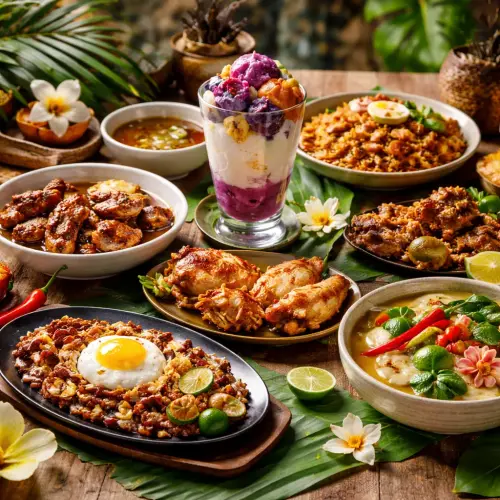
Filipino comfort food in Bali fills a unique emotional gap. When you are miles away from your family’s dining table, a bowl of hot sinigang or a plate of garlicky tapsilog can instantly ease that pang of homesickness. Over the past few years, several Filipino restaurants, pop-ups, and home-based cooks have opened in Seminyak, Canggu, Ubud, and Sanur, serving dishes that stay true to traditional recipes while sometimes adding a tropical twist.
For the uninitiated, these foods offer an accessible entry point into a cuisine that is often overshadowed by its more famous Asian neighbors. For the Filipino traveler, they are a lifeline to memory—a reminder of Sunday lunches, fiestas, and midnight snacks shared with loved ones.
What Makes Filipino Comfort Food Unique? A Taste of Family Traditions
Filipino cuisine is a beautiful mosaic of indigenous, Spanish, Chinese, and Southeast Asian influences. But what truly sets it apart is its emotional resonance. Family traditions Filipino food is not just about ingredients; it is about process and intention. A mother slowly browning garlic for adobo, a grandmother patiently stirring kare-kare until the peanut sauce thickens—these acts are passed down like heirlooms.
Key characteristics of Filipino comfort food include:
- Hearty, one-pot meals that are economical and perfect for sharing.
- Bold use of vinegar, soy sauce, calamansi, patis (fish sauce), and bagoong (shrimp paste).
- A love for contrast—sour and salty, sweet and savory, soft and crunchy.
- Rice as the constant companion, whether steamed, fried, or boiled into porridge.
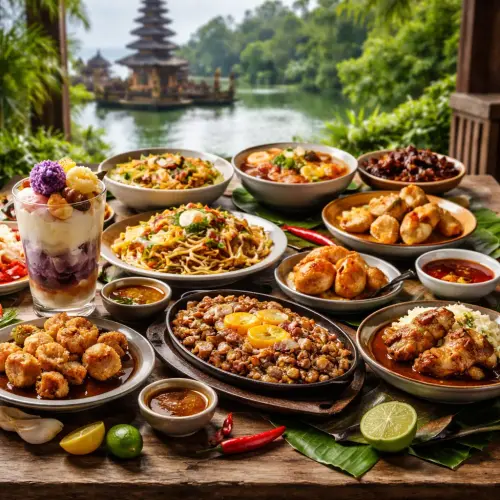
When these dishes travel to Bali, they adapt gracefully. Local ingredients like snake fruit, young coconut, and fresh seafood find their way into Filipino recipes, creating a cross-cultural comfort experience that feels both familiar and new.
Filipino Cuisine Tropical Destinations: Why Bali Is a Perfect Match
Bali’s hot and humid climate calls for dishes that are bright, tangy, and refreshing. Filipino cuisine tropical destinations like Bali benefit from the natural affinity between Filipino food and tropical produce. Mangoes, coconuts, calamansi (often substituted with kalamansi or local limes), and fresh chillies are abundant, making it easy for Filipino cooks to recreate authentic flavors.
Likewise, many Filipino soups and stews are designed for warm weather eating—they are light enough to enjoy even when the temperature rises, yet deeply satisfying. Halo-halo, a shaved ice dessert with sweetened beans, fruits, leche flan, and ube ice cream, is practically made for Bali’s afternoons.
The 10 Must-Try Dishes: Filipino Comfort Foods That You Must Try While in Bali
Here are ten iconic dishes that define Filipino comfort cooking. Each section answers the questions travelers and food lovers often ask, from “What makes sinigang so special?” to “Why is sisig the ultimate pulutan?”
1. Adobo: The National Dish That Feels Like a Hug
How does adobo represent Filipino home cooking? Adobo is the ultimate answer. It is the first dish many Filipinos learn to cook and the one they crave most when abroad. The basic formula—meat (chicken, pork, or both) braised in vinegar, soy sauce, garlic, bay leaves, and peppercorns—creates an intensely savory sauce that clings to every grain of steamed rice.
In Bali, adobo has found a loving audience. Restaurants like Amoy! in Canggu and Kusuma Restaurant in Seminyak serve adobo that stays true to the classic recipe. Some versions add hard-boiled eggs or extra chillies for heat. For the homesick traveler, adobo is a direct line to Sunday lunch at Lola’s house—simple, humble, and deeply satisfying.
2. Sinigang: A Sour Soup That Cools and Comforts
Why is sinigang a favorite Filipino comfort dish? Because it is the perfect balance of sour (usually from tamarind) and savory, packed with vegetables and tender protein. On a rainy Bali afternoon or after a long day of temple hopping, a bowl of sinigang warms the soul without feeling heavy.
Filipino restaurants in Bali often use pork belly or shrimp, and some add bangus (milkfish) for an authentic silty taste. The sourness cuts through the humidity, awakening the appetite. It is a dish designed by the tropical climate for the tropical climate. When you spot sinigang on a menu in Ubud or Sanur, order it—your taste buds and your emotions will thank you.
3. Sisig: The Sizzling Queen of Pulutan
Why is sisig one of the most loved Filipino meals? Sisig is pure, unapologetic indulgence. Finely chopped pork face (maskara), ears, and liver are seasoned with calamansi, chillies, and onions, then served on a sizzling plate topped with an egg. The result is a glorious mix of crispy and tender, sour and spicy.
In Bali, sisig has become a sensation among expats and tourists. Its bold flavors pair beautifully with cold beer (which is also a big part of Bali’s social scene). Many Bali Filipino dishes spots now offer vegetarian sisig using mushrooms or tofu, but the traditional pork version remains the star.
4. Pancit: Noodles for Long Life and Happy Gatherings
No Filipino celebration is complete without pancit. This stir-fried noodle dish comes in many forms—pancit bihon (thin rice noodles), pancit canton (egg noodles), or pancit palabok (thick rice noodles in shrimp sauce). The common thread is that noodles symbolize long life, making pancit a staple at birthday parties and family reunions.
In Bali, pancit is often served as a sharing plate for groups. The Filipino Comfort Foods That You Must Try While in Bali list would be incomplete without it. Look for pancit bihon with generous amounts of shrimp, pork, carrots, cabbage, and scallions. It is light, flavorful, and perfect for a daytime meal before hitting the beach.
5. Lumpia: The Crispy Spring Roll That Disappears in Seconds
Lumpia is the Filipino version of spring rolls, and they are dangerously addictive. The classic lumpiang shanghai—deep-fried rolls stuffed with ground pork, carrots, and onions—is the appetizer that never lasts on any table. Dip it in sweet chili sauce or banana ketchup, and you have a crispy, savory bite that pleases crowds of all ages.
Many Bali warungs and Filipino pop-ups offer lumpia as a snack or light meal. Because the climate in Bali encourages outdoor dining and small bites, lumpia fits right into a laid-back afternoon by the pool or at a beach club. It is also an easy introduction for first-time food lovers who may be hesitant about unfamiliar flavors.
6. Kare-Kare: The Peanut-Infused Comfort Stew
Kare-kare is distinctly Filipino. Oxtail, tripe, or pork leg is simmered until tender in a thick peanut-based sauce, served with fresh vegetables (eggplant, long beans, banana blossom) and a side of bagoong (shrimp paste). The sauce is nutty, savory, and subtle—a complete departure from the sourness of sinigang or the saltiness of adobo.
What ingredients define Filipino comfort food? Kare-kare answers this perfectly: peanuts, annatto (for color), bagoong, and the patience to cook meat until fall-off-the-bone tender. In Bali, the availability of high-quality peanuts and fresh vegetables makes kare-kare a standout dish at Filipino gatherings. Try it at a group dinner—you will understand why this dish is reserved for special occasions.
7. Tapsilog: The Breakfast That Fuels Your Day
Tapsilog is the king of Filipino breakfasts. The name combines three words: tapa (cured beef), sinangag (garlic fried rice), and itlog (fried egg). This trifecta of salty-sweet beef, crispy golden rice, and runny yolk is a powerhouse of flavor and energy.
For Filipino travelers in Bali who need an early start for a surf session or a day trip to Uluwatu, tapsilog delivers. The beef is marinated overnight in soy sauce, garlic, sugar, and pepper, then pan-fried to a caramelized perfection. Pair it with a cup of strong Filipino-style coffee (or local Kopi Bali), and you are ready for anything.
8. Arroz Caldo: The Ultimate Sick-Day Soup
Arroz caldo is a Filipino rice porridge made with chicken, ginger, garlic, and toasted rice. Topped with hard-boiled eggs, scallions, fried garlic, and a squeeze of calamansi, it is the quintessential comfort dish—especially when you are feeling under the weather or just craving something warm and soothing. For a related guide, see What is Silog? Understanding the Heart of the Kilig Bali Breakfast.
How does food strengthen Filipino cultural identity? Dishes like arroz caldo show that Filipino food is not about expensive ingredients or complex techniques. It is about making something delicious and healing from what you have. In Bali, where health-conscious eating is common, arroz caldo naturally appeals to travelers looking for nourishing, easy-to-digest meals. It is also a favorite among mothers feeding their children during travels. For a related guide, see 10 Pinoy Food Traditions That Shine in Bali 2026.
9. Bulalo: The Bone Marrow Soup for the Soul
Bulalo is the ultimate comfort food for cold evenings—or any time you need a deep, satisfying broth. Beef shanks and bone marrow are simmered for hours with corn on the cob, cabbage, and potatoes until the broth becomes rich and full-bodied. The marrow, when scooped onto a spoon and eaten with a pinch of salt, is pure heaven.
While Bali is warm, there are still cool evenings in Ubud or highland areas like Bedugul. That is when bulalo shines. Filipino dishes tourists Bali often inquire about include bulalo, because it is hearty yet strangely refreshing. It is a dish made for sharing, for long conversations, and for building community around a table.
10. Halo-Halo: The Ice Cream Sundae That Defeats the Heat
How does halo-halo suit Bali’s tropical climate? Halo-halo, which literally means “mix-mix” in Filipino, is the perfect antidote to tropical heat. It layers shaved ice with sweetened beans (red mung, chickpeas), kaong (sugar palm fruit), macapuno (coconut sport), nata de coco, saba bananas, jackfruit, leche flan, ube halaya (purple yam jam), and ube ice cream. You get a different flavor in every spoonful.
In Bali, halo-halo has become a social media darling thanks to its vibrant layers and photogenic presentation. Many Filipino-inspired cafes in Seminyak and Canggu serve halo-halo in tall glasses with colorful straws. It is not just a dessert; it is an experience—one that sparks conversations and brings smiles. After a day under the Bali sun, there is no better way to cool down.
Where to Find Filipino Comfort Food in Bali: Practical Tips for Travelers
Bali has a growing number of Filipino dining options. Here are a few key spots to check:
- Amoy! (Canggu) – Known for its modern take on classic dishes like sisig and adobo.
- Kusuma Restaurant (Seminyak) – A reliable spot for sinigang, kare-kare, and halo-halo.
- Balinesia Kitchen (Ubud) – Offers tapsilog and arroz caldo with a Balinese twist.
- Filipino pop-ups and home cooks – Many OFWs in Bali operate informal eateries; ask in local Filipino Facebook groups for weekly menus.
Always call ahead for operating hours, as some places open only for dinner or require reservation. For the adventurous, you can also try recreating these dishes using Bali’s fresh produce—tamarind, young coconut, and green mangoes are available at traditional markets like Pasar Badung.
Useful Resources
Learn more about the history of these iconic dishes and where to find them in Bali:
- Pepper.ph – Ultimate Guide to Filipino Dishes – A comprehensive resource on the origins and variations of classic Filipino comfort meals.
- Coconuts Bali – Food and Drink Section – Stay updated on Filipino food pop-ups and events happening in Bali.
Frequently Asked Questions About Filipino Comfort Foods That You Must Try While in Bali
Conclusion: Savor the Taste of Home in the Island of the Gods
Filipino Comfort Foods That You Must Try While in Bali are more than just a list—they are an invitation to slow down, share stories, and reconnect with your roots, even while vacationing in a tropical paradise. Whether you are spooning the last bit of sinigang broth, cracking the warm yolk of a tapsilog egg, or mixing the colorful layers of halo-halo, these dishes remind us that the best comfort comes from a place of love and tradition.
So the next time you are in Bali, seek out a Filipino kitchen—or better yet, cook something familiar yourself. Let the aroma of garlic, soy sauce, and freshly cracked pepper fill your temporary home. Because no matter how far you wander, Filipino comfort food will always bring you back to where you belong.
Frequently Asked Questions About Filipino Comfort Foods That You Must Try While in Bali
What are the top 10 Filipino comfort foods to eat in Bali?
The top 10 include adobo, sinigang, sisig, pancit, lumpia, kare-kare, tapsilog, arroz caldo, bulalo, and halo-halo. These dishes represent the best of Filipino home cooking and are widely available in Bali’s Filipino restaurants.
Where can I find authentic Filipino adobo in Bali?
Restaurants like Amoy! in Canggu and Kusuma Restaurant in Seminyak serve authentic chicken and pork adobo. Some home-based cooks in the area also offer adobo with secret family recipes.
Is sinigang available in Bali restaurants?
Yes, sinigang is available at several Filipino eateries, especially in Seminyak and Ubud. Many versions use pork belly or shrimp, and the tamarind base is faithfully recreated with local ingredients.
Why do Filipinos look for comfort food abroad?
Filipinos abroad often feel homesick, and comfort food offers an immediate emotional connection to family and home. Familiar tastes and smells trigger nostalgia and provide a sense of belonging in a foreign country.
What makes Filipino comfort food unique compared to other cuisines?
Filipino comfort food is defined by its bold contrasts—sour and salty, sweet and savory—alongside heavy use of vinegar, soy sauce, and fermented fish sauces. It is also deeply tied to family traditions and communal eating.
What is the best Filipino dish for first-time food lovers in Bali?
Lumpia (spring rolls) or tapsilog (garlic rice with cured beef and fried egg) are excellent starting points. Their familiar textures and flavors make them easy to enjoy even for those new to Filipino cuisine.
How does sisig represent Filipino food culture?
Sisig embodies the Filipino love for crunchy, sizzling, and flavorful food. It is a popular pulutan (bar snack) and is often served during drinking sessions with friends, highlighting the social aspect of Filipino meals.
Can I find vegetarian versions of Filipino comfort foods in Bali?
Yes, some restaurants and pop-ups now offer vegetarian sisig (using mushrooms or tofu), vegetable lumpia, and tofu-based kare-kare. It is best to check the menu or ask the staff before ordering.
What ingredients are essential for Filipino comfort cooking?
Key ingredients include vinegar, soy sauce, calamansi, garlic, ginger, patis (fish sauce), bagoong (shrimp paste), and rice. Coconut milk, peanuts, and annatto seeds also appear in many signature dishes.
How does halo-halo suit Bali’s tropical climate?
Halo-halo’s base of shaved ice and sweet toppings provides an instant cooling effect, making it ideal for hot afternoons. Its colorful ingredients also make it a refreshing and visually appealing dessert for tropical destinations.
What are the best Filipino dishes for sharing with a group in Bali?
Pancit, kare-kare, bulalo, and lechon (whole roasted pig, available on order) are perfect for group dining. They are served in large portions and encourage communal eating.
Do I need to order halal Filipino food in Bali?
Some Filipino restaurants in Bali offer halal versions of dishes, especially those using chicken or beef instead of pork. Always confirm with the restaurant if halal certification is important to you.
How expensive is Filipino food in Bali compared to Manila?
Filipino food in Bali is generally more expensive than in Manila due to import costs of certain ingredients. Expect to pay around 80,000–150,000 IDR per dish (approximately PHP 300–550).
Are there Filipino grocery stores in Bali where I can buy ingredients?
Yes, stores like Mano Filipino Store in Denpasar and various small import shops stock Filipino essentials such as bagoong, tamarind powder, ube halaya, and kalamansi extract.
What Filipino dishes are most popular among tourists in Bali?
Tourists often gravitate toward lumpia, sisig, and halo-halo because of their bold flavors and shareable presentation. Adobo and sinigang also have strong followings among curious foodies.
How does Filipino food reflect family traditions?
Filipino meals are almost always made from recipes passed down through generations, and cooking is a family affair. Dishes like adobo and kare-kare are prepared for Sunday lunches and fiestas, reinforcing bonds through shared food preparation and eating.
Can I take a Filipino cooking class in Bali?
While there are no permanent Filipino cooking schools in Bali, several local hosts offer private cooking sessions at their homes. Check Airbnb Experiences or the Filipino Community Bali Facebook group for upcoming workshops.
What drinks pair well with Filipino comfort foods in Bali?
Cold beer (Bintang or San Miguel) pairs with sisig and lumpia. For non-alcoholic options, try calamansi juice, buko (young coconut) juice, or ube-flavored milk drinks.
Why do overseas Filipinos miss traditional meals so much?
Traditional Filipino meals are deeply linked to memory, belonging, and identity. The act of eating sinigang or adobo can trigger vivid recollections of family gatherings, childhood, and homeland—emotions that become amplified when living abroad.
Are there Filipino food festivals or events in Bali?
Yes, the Filipino community in Bali organizes occasional food bazaars and festivals, especially during Philippine Independence Day (June) and Christmas season. These events are great opportunities to taste homemade dishes in a festive atmosphere.
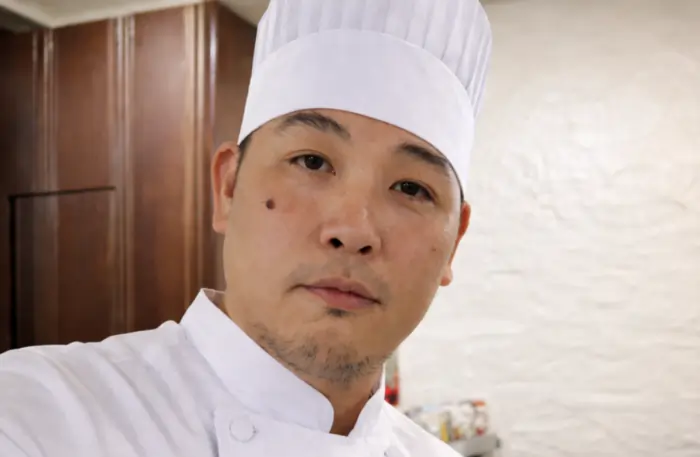
Chef Juan Gadi brings the heart of Filipino hospitality to Ubud, Bali. As an Executive Chef and consultant, he specializes in creating intimate, curated dining experiences that tell a story through every dish. Whether leading the kitchen at Kilig Filipino Warung or hosting a private villa dinner, Chef Juan’s approach is defined by warmth, modern technique, and a commitment to culinary excellence.