
Ways Filipino Hospitality Enhances Bali Dining Key Takeaways
The unique blend of Filipino hospitality Bali dining creates an unforgettable experience that sets island restaurants apart.
- Ways Filipino Hospitality Enhances Bali Dining include personalized attention, anticipatory service, and a deep sense of community.
- Filipino customer service culture , rooted in values like pakikisama and malasakit , creates a welcoming atmosphere that tourists actively seek.
- Integrating Southeast Asian hospitality traditions from the Philippines into Bali’s dining scene boosts traveler satisfaction and repeat business.
Understanding the Essence of Filipino Hospitality in Bali Dining
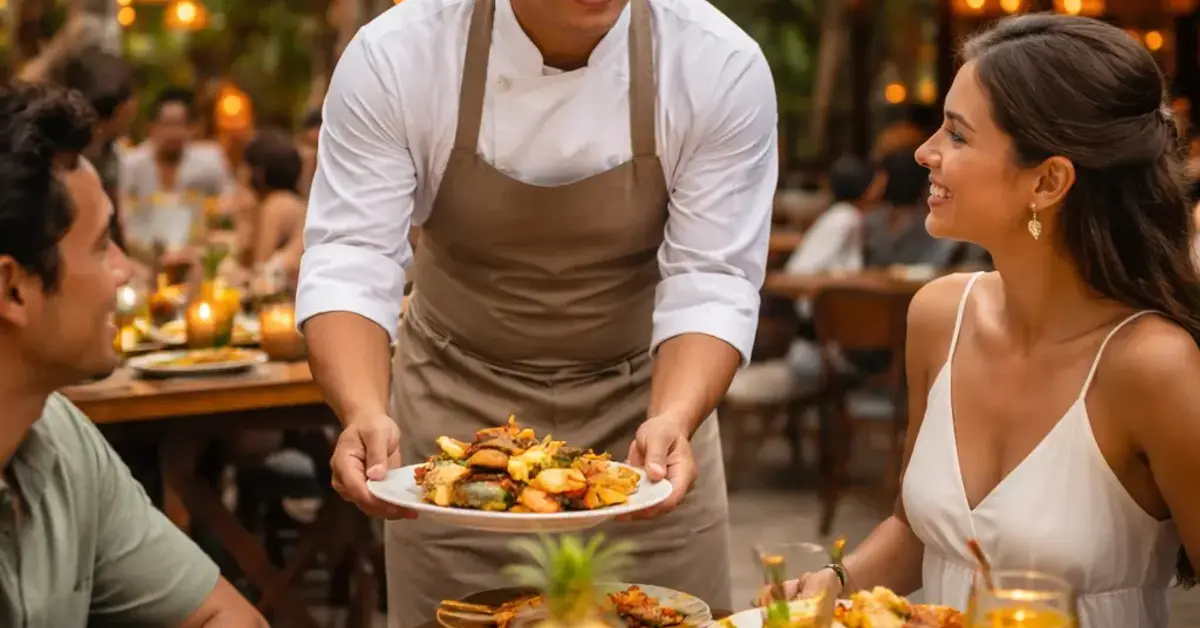
Bali is renowned for its own graceful hospitality, but a new wave of warmth is reshaping the island’s dining landscape. At the heart of this shift is the distinct Filipino hospitality in restaurants Bali diners are beginning to crave. Chef Juan Gadi, Executive Chef at Kilig Filipino Warung and a consultant for private villa experiences in Ubud, explains that this isn’t just about smiling at guests. “It’s about making them feel like family,” he says. “We call it Filipino service excellence abroad. It’s the unspoken care that tells a guest their comfort is our priority.” This approach is deeply rooted in ASEAN hospitality culture, where the guest is treated with a level of respect and warmth that goes beyond transaction. For a related guide, see 6 Filipino Meals Perfect for Private Villa Gatherings.

What Makes Filipino Service Stand Out in a Global Context
The cultural hospitality Philippines Indonesia comparison often highlights a shared love for community. However, the Filipino style is uniquely proactive. It’s a form of Filipino people oriented service that anticipates needs before they are voiced. This is a core tenet of Filipino dining service values, which prioritize the emotional state of the guest as much as the quality of the food. When applied to the competitive Bali restaurant hospitality experience, this creates a powerful differentiator.

7 Ways Filipino Hospitality Enhances Bali Dining
Here are the seven concrete ways that Filipino warmth and friendliness is elevating the tourism dining experiences Bali offers.

Way 1: Anticipatory Service Rooted in Malasakit
Filipino values respect warmth care manifest in a service style called malasakit, a deep sense of empathy and concern for others. In a Bali restaurant, this means a server notices a guest’s empty water glass before they ask, or adjusts the air conditioning because they see a diner shiver. This proactive customer service culture creates a seamless experience, allowing guests to focus entirely on their meal and company. It is one of the most impactful Ways Filipino Hospitality Enhances Bali Dining because it feels both luxurious and genuine.
Way 2: Creating Warm Dining Experiences Southeast Asia Travelers Love
Bali attracts visitors from all over the world, and the warm dining experiences Southeast Asia offers are a major draw. Filipino hospitality injects an extra layer of genuine friendliness into this. It is not scripted; it is an authentic desire to connect. This Filipino friendliness tourism industry professionals recognize as a key asset. A simple, heartfelt conversation with a server about the dish’s origin can turn a dinner into a memory. This directly impacts traveler satisfaction Bali restaurants rely on for reviews and return visits.
Way 3: Elevating the Dining Atmosphere with Pakikisama
Pakikisama, or the art of getting along, is a cornerstone of social dining traditions Asia. In practice, it means the service team works flawlessly as a unit, creating a harmonious and positive energy in the room. Guests pick up on this. The dining atmosphere Filipino influence creates is one of joyful collaboration rather than stiff formality. This is a key component of the Bali dining culture and service landscape, offering a refreshing alternative to more detached dining environments.
Way 4: Honoring Filipino Customer Care Traditions Through Personalization
Filipino customer care traditions demand that every guest is treated as an individual. This goes beyond remembering a name. It means remembering that a returning guest prefers a specific table or has a dietary preference. This level of attention is part of what defines Filipino inspired restaurant experiences. Chef Juan integrates this into his menus by asking guests about their culinary journey and tailoring the tasting menu to their palate. This personal touch is a hallmark of restaurant experiences enhanced by hospitality at its highest level.
Way 5: Fostering a Sense of Family and Community at the Table
Filipino culture is inherently communal. This translates into a dining style that encourages sharing and connection. When this hospitality culture in island destinations like Bali is applied, it encourages staff to interact with tables, suggest family-style dishes, and create an environment where strangers feel like they are dining among friends. This approach strengthens the hospitality impact on food tourism by creating a unique “third place” for travelers—a home away from home. For a related guide, see 9 Filipino Dining Traditions Loved by Bali Visitors.
Way 6: Integrating Storytelling with Service Excellence
Chef Juan Gadi’s approach is built on telling a story through every dish. Filipino service supports this by narrating the inspiration behind the food—whether it’s a family recipe from Manila or a local Balinese ingredient. This fusion of culinary arts and narrative is a core part of cultural food tourism Bali is famous for. It elevates the meal from a simple act of eating to an educational and emotional journey, a key trend in travel hospitality trends Asia.
Way 7: Inspiring Loyalty Through Unwavering Positivity
Perhaps the most powerful of the Ways Filipino Hospitality Enhances Bali Dining is the sheer resilience and positivity of the Filipino spirit. In the high-pressure environment of a busy restaurant, this warmth never wavers. This constant, cheerful presence leaves a lasting impression. It is the primary driver of Filipino service excellence abroad and a major factor in why visitors seek out Filipino hospitality in restaurants Bali again and again. This loyalty is gold in the tourism service culture Southeast Asia market.
Comparing Filipino and Balinese Hospitality Styles
While both cultures value hospitality, their expressions create different textures in the dining experience. A cultural hospitality comparison Philippines Indonesia reveals complementary strengths.
| Attribute | Filipino Hospitality Style | Traditional Balinese Hospitality Style |
|---|---|---|
| Primary Motivation | Malasakit (empathic care) and pakikisama (group harmony) | Religious duty (Tri Hita Karana) and respect for guests |
| Interaction Style | Proactive, talkative, personal, often humorous | Graceful, serene, observant, respectful distance |
| Service Focus | Anticipating unspoken needs, creating a “family” vibe | Creating a peaceful, sacred atmosphere with ceremony |
| Problem Solving | Immediate, creative, and “can-do” attitude | Calm, diplomatic, seeks harmony in resolution |
| Best For | High-energy, social, and personalized dining | Formal, spiritual, and tranquil dining experiences |
Understanding this comparison helps operators craft a unique Bali restaurant hospitality experience that leverages the best of both worlds, enhancing social dining experiences Southeast Asia has to offer.
Why This Matters for the Bali Tourism Industry
The impact of Filipino hospitality Bali dining extends beyond individual restaurants. It contributes to the overall tourism dining experiences Bali is known for. In a crowded market, service is the single greatest differentiator. Hospitality and tourism culture experts note that a guest who feels genuinely cared for is more likely to extend their stay, spend more, and recommend the destination to others. This is why savvy owners are investing in training that incorporates Filipino customer service culture principles.
Actionable Insights for Hospitality Professionals
For restaurant owners and tourism marketers, integrating Ways Filipino Hospitality Enhances Bali Dining into your strategy can yield tangible results. Consider hiring staff from the Philippines or cross-training your existing team on malasakit principles. Focus on hiring for attitude and empathy, not just skill. Implementing a “no request is too big” policy, a hallmark of Filipino service excellence abroad, can dramatically increase traveler satisfaction.
Useful Resources
For further reading on the cultural roots of this service style and its impact on tourism, explore these respected sources:
- Read more about the Filipino value of pakikisama and its role in social harmony from the National Commission for Culture and the Arts (NCCA) of the Philippines. Learn about Pakikisama and Filipino Social Values.
- For a global perspective on service culture and its economic impact on destinations like Bali, the World Tourism Organization (UNWTO) offers extensive research. Explore UNWTO Reports on Tourism and Culture.
Conclusion: Embracing the Heart of Service
The Ways Filipino Hospitality Enhances Bali Dining are not just techniques; they are a reflection of a culture that values human connection above all else. For hospitality and tourism culture professionals, integrating these practices into the Bali dining scene is not just a business strategy—it is a way to enrich the lives of both guests and staff. By embracing the Filipino values respect warmth care tradition, Bali’s restaurants can ensure that every meal is not just eaten, but felt. As Chef Juan Gadi demonstrates daily, when you serve with Filipino hospitality Bali dining becomes more than a service; it becomes a story worth telling.
Frequently Asked Questions About Ways Filipino Hospitality Enhances Bali Dining
What makes Filipino hospitality special in Bali dining experiences?
Filipino hospitality is special because it is proactive and deeply personal. It is rooted in malasakit, a genuine care for the guest’s well-being, and pakikisama, a desire for harmonious connection. This turns a meal into a warm, familial interaction, making diners feel like honored guests in a home rather than customers in a business.
How does Filipino hospitality improve restaurant experiences in Bali?
It improves experiences by adding a layer of intuitive, anticipatory service. Staff trained in Filipino customer service culture notice small details, remember preferences, and create a joyful atmosphere. This reduces stress for the diner and elevates the entire meal, leading to higher traveler satisfaction Bali restaurants strive for.
Why do tourists appreciate Filipino style service in Bali?
Tourists appreciate it because it feels authentic and warm, cutting through the transactional nature of standard service. The Filipino friendliness tourism industry is known for provides a sense of security and genuine connection, which is especially valuable in a foreign country. This makes the dining experience memorable and emotionally resonant.
How does Filipino culture influence dining hospitality?
Filipino culture, centered on family and community, directly influences dining hospitality through its emphasis on pakikisama (getting along) and utang na loob (reciprocal gratitude). This translates to service that is generous, patient, and focused on creating a shared positive experience, making guests feel included and valued.
What Filipino hospitality traits stand out in Bali restaurants?
The most standout traits are warmth, resilience (positivity under pressure), and a proactive “can-do” attitude. Staff exhibiting these Filipino values respect warmth care traits go out of their way to solve problems and make guests happy, creating a stark and welcome contrast to more passive service styles.
Why is warm hospitality important in food tourism?
Warm hospitality is the emotional core of food tourism. A delicious meal is forgotten, but the feeling of being welcomed and cared for is remembered. It drives the hospitality impact on food tourism by creating stories that travelers share, generating word-of-mouth marketing and repeat visits to a destination.
How do Filipino values enhance customer dining experiences?
Filipino values like malasakit and pakikisama enhance the experience by making service human-centered. Instead of robotic efficiency, the focus is on emotional connection. This Filipino people oriented service ensures that every interaction, from greeting to good-bye, is infused with genuine friendliness and care, enhancing both the dining atmosphere Filipino influence creates.
What cultural similarities connect Filipino and Balinese hospitality?
Both cultures share a deep respect for guests, a strong sense of community, and a belief that service is a noble act. A cultural hospitality comparison Philippines Indonesia shows both prioritize harmony and making guests feel comfortable, though Filipinos express this more verbally and proactively, while Balinese do so with serene grace.
How does hospitality shape traveler satisfaction in Bali?
Hospitality is the primary driver of satisfaction in Bali, a destination built on service. When hospitality is excellent, it compensates for any minor issues with the food or venue. Traveler satisfaction Bali restaurants achieve is directly correlated with how valued and welcomed the guest feels throughout their tourism dining experiences Bali offers.
Why do visitors enjoy Filipino inspired dining service abroad?
Visitors enjoy it because it offers a unique emotional benefit. The combination of high competence and high warmth is rare. Filipino inspired restaurant experiences abroad, particularly in Bali, provide a service that is both efficient and deeply affectionate, satisfying a universal human need for connection and belonging.
What is malasakit and how does it apply to restaurants?
Malasakit is a Filipino value of deep empathy and care for others. In a restaurant, it translates to staff who are not just serving food, but are concerned about the guest’s overall experience. They will check on comfort, dietary needs, and mood with genuine concern, a key factor in restaurant experiences enhanced by hospitality.
Is Filipino hospitality only for Filipino restaurants in Bali?
No, the training and principles of Filipino hospitality in restaurants Bali can be applied to any concept. Many international restaurants in Bali hire Filipino staff for their service attitude. The values of respect, warmth, and proactivity are universal assets in the tourism service culture Southeast Asia relies on.
How can a restaurant train its staff in Filipino hospitality?
Training starts with instilling the core values of malasakit and pakikisama. Role-playing scenarios that require anticipating guest needs, empowering staff to solve problems immediately, and fostering a supportive team environment are effective. The goal is to make the Filipino customer care traditions part of the restaurant’s DNA.
Does the “family style” dining of Filipinos work in Bali?
Yes, it works exceptionally well. The social dining traditions Asia that emphasize sharing resonate with the communal culture of Bali and the preferences of modern travelers. Encouraging guests to share dishes builds conversation and a sense of celebration, which enhances the Bali dining culture and service significantly.
What role does storytelling play in Filipino hospitality?
Storytelling is crucial. Filipino culture is rich in oral tradition, and this extends to food. Servers are trained to share the story behind a dish, its ingredients, or the chef’s inspiration. This deepens the guest’s appreciation and turns the meal into a cultural journey, a key pillar of cultural food tourism Bali.
How does Filipino hospitality handle complaints or issues?
Filipino hospitality handles issues with a strong desire to restore harmony. The “can-do” attitude means staff will do whatever it takes to fix the problem, often going above and beyond expectations. This commitment to Filipino service excellence abroad turns a negative moment into a powerful loyalty-building opportunity.
What is the best example of Filipino hospitality in a Bali warung?
At Kilig Filipino Warung in Ubud, Chef Juan Gadi exemplifies this by personally greeting guests, asking about their day, and customizing dishes on the spot. This personal touch, combined with a team that operates with joyful efficiency, is a perfect example of Filipino warmth and friendliness in action.
Can digital nomads benefit from Filipino hospitality?
Absolutely. Digital nomads often seek community and a sense of belonging. Restaurants offering Filipino hospitality in restaurants Bali provide a welcoming environment where staff remember regulars, offer recommendations, and create a social hub. This enhances the overall travel hospitality trends Asia by catering to the nomad lifestyle.
How does this hospitality style affect online reviews?
It positively impacts reviews. Guests consistently mention the exceptional service in their reviews, using words like “amazing staff,” “warm environment,” and “felt like family.” These keywords are powerful for SEO and significantly influence the hospitality impact on food tourism by attracting future diners.
What is the future of Filipino service in the Bali food scene?
The future is bright. As competition increases, restaurants will need to differentiate on experience. The proven power of Filipino hospitality Bali dining to create loyal, satisfied customers will make it a sought-after standard. More venues will adopt these Filipino dining service values as a core part of their brand strategy.
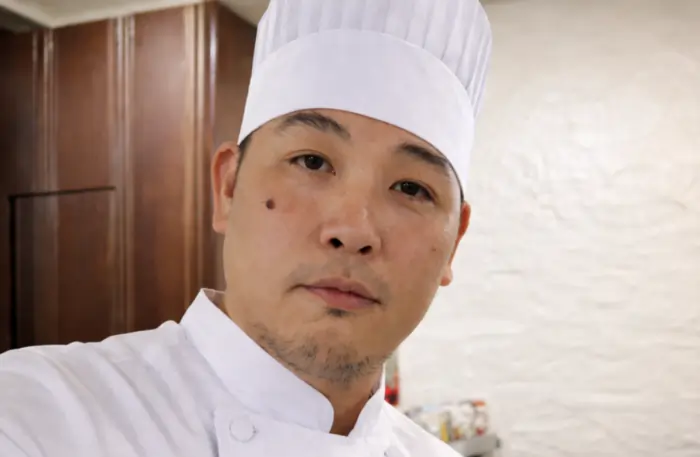
Chef Juan Gadi brings the heart of Filipino hospitality to Ubud, Bali. As an Executive Chef and consultant, he specializes in creating intimate, curated dining experiences that tell a story through every dish. Whether leading the kitchen at Kilig Filipino Warung or hosting a private villa dinner, Chef Juan’s approach is defined by warmth, modern technique, and a commitment to culinary excellence.