Filipino Inspired Food Experiences Found in Bali Key Takeaways
Bali has quietly become a second home for many Filipinos, and the food scene reflects this beautiful cultural crossover.
- Filipino Inspired Food Experiences Found in Bali range from dedicated warungs serving adobo and sinigang to hidden supper clubs that fuse Balinese spices with Filipino techniques.
- Shared values like communal eating , rice-based meals , and a relaxed approach to dining make Filipino food culture feel instantly familiar to anyone living in or visiting Bali.
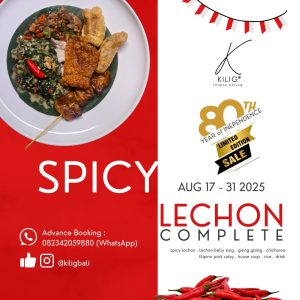
- Chef Juan Gadi’s personal journey leading Kilig Filipino Warung in Ubud proves that the warmth of Filipino hospitality translates beautifully into Bali’s vibrant food lifestyle.
From Manila to Ubud: A Chef’s Story of Cross-Cultural Connection
I still remember my first morning in Ubud. The scent of grilled satay drifted through the open kitchen, and somewhere down the lane, a babi guling vendor was sharpening his knife. I stood there, jet-lagged but grinning, because the air smelled like home. Not the exact smell of my grandmother’s kitchen in Pampanga, but close enough to make my heart ache in a good way. That’s the thing about Filipino food culture in Bali — it doesn’t feel like an import. It feels like a long-lost cousin finally showing up for the reunion.
As an Executive Chef and consultant here in Ubud, I’ve spent years exploring how Filipino dining habits abroad adapt to new surroundings. And what I’ve found is that Bali food lifestyle doesn’t just welcome Filipino flavors — it embraces them with open arms. Our shared Southeast Asian eating traditions — the love for rice, the reverence for fresh herbs, the joy of eating together — make every meal a conversation between two cultures that speak the same culinary language. For a related guide, see 10 Filipino and Balinese Food Similarities Explained.
The Seven Filipino-Inspired Food Experiences You Must Try
Whether you’re a Filipino expat longing for a taste of home, a travel blogger hunting for authentic stories, or a digital nomad curious about tropical Asian cuisine similarities, these seven experiences will show you how deeply Filipino comfort food overseas can thrive. Let’s walk through each one, plate by plate.
1. Kilig Filipino Warung: A Home Away from Home in Ubud
When I opened Kilig Filipino Warung in Ubud, I didn’t just want to serve food. I wanted to recreate the feeling of Sunday lunch at Lola’s house — the chaos, the laughter, the extra rice nobody asked for but everyone needed. At Kilig, we serve Filipino family style meals that mirror the Bali dining experience precisely because they are both built on the same foundation: togetherness.
What Filipino dining habits are commonly noticed in Bali living? At Kilig, it’s the way guests instinctively reach across the table to serve each other. It’s the request for extra calamansi on the side. It’s the smile when they see crispy pata next to a bowl of sambal matah. These small acts reveal how Filipino hospitality food culture blends so naturally with Bali local food customs. We offer set menus designed for sharing — just like a traditional Balinese megibung — and every dish tells a story of cross cultural food habits Asia. For a related guide, see 11 Filipino Dining Habits That Match Bali Living.
Our chicken inasal, marinated in lemongrass and turmeric, sits comfortably beside a Balinese lawar salad. The adobo? Dark, tangy, slow-cooked, and served with a side of sambal terasi. How do Filipinos dine differently when living in Bali? Honestly, we don’t. That’s the beauty of it. We find familiar rhythms in new places, and at Kilig, Filipinos find their rice, their vinegar, their garlic — served with the same warmth they’d get in Manila or Cebu.
2. The Secret Supper Club: Private Villa Dining with a Filipino Soul
One of the most intimate Filipino inspired dishes in Bali happens not in a restaurant, but in a private villa overlooking the Ayung River. I host these curated dinner experiences for small groups — often a mix of expats, travelers, and curious locals — and the menu is always a conversation between two islands.
We start with lumpia Shanghai reborn as crispy spring rolls filled with Balinese minced chicken and jackfruit. Then comes a slow-braised beef rendang that borrows the technique from my mother’s caldereta. Why do Filipino meals feel familiar in Bali? Because the ingredients are uncannily similar: coconut milk, ginger, chilies, tamarind, and palm sugar appear in both kitchens. When I serve sinigang made with local asam kandis instead of tamarind, my Balinese guests nod in recognition. “This is like our sayur asem,” they say. And they’re right.
These dinners are the purest expression of Filipino food culture in Bali — they’re unhurried, personal, and deeply hospitable. Every guest leaves with a small jar of my house-made bagoong, and a story about how Southeast Asian eating traditions connect us more than they divide us.
3. Warung Hopping in Ubud: Finding Adobo on Every Corner
Walk through the markets of Ubud and you’ll notice something: Bali street food culture and Filipino expat food habits are practically siblings. Both thrive on portability, bold flavors, and the kind of food that tastes better eaten while standing up, chatting with the vendor. I’ve found warungs that serve a soy-braised pork that tastes exactly like my Tita Baby’s adobo, minus the bay leaf. How do Filipino street food habits translate in Bali? Effortlessly. We swap isaw for sate lilit, fish balls for bakso, and turon for pisang goreng.
How do shared Asian food traditions influence Filipino dining in Bali? Consider this: both cultures prize the balance of salty, sour, and spicy. A Balinese lawar contains the same tangy punch as our kinilaw. The grilled corn vendor on Jalan Monkey Forest could be the same one from Taft Avenue — except here, they slather it with Balinese peanut sauce instead of cheese powder. That’s the joy of Filipino inspired food experiences found in Bali — every familiar flavor comes with a surprising twist that teaches you something new about both cuisines.
4. The Nasi Campur and Kamayan Fusion Feast
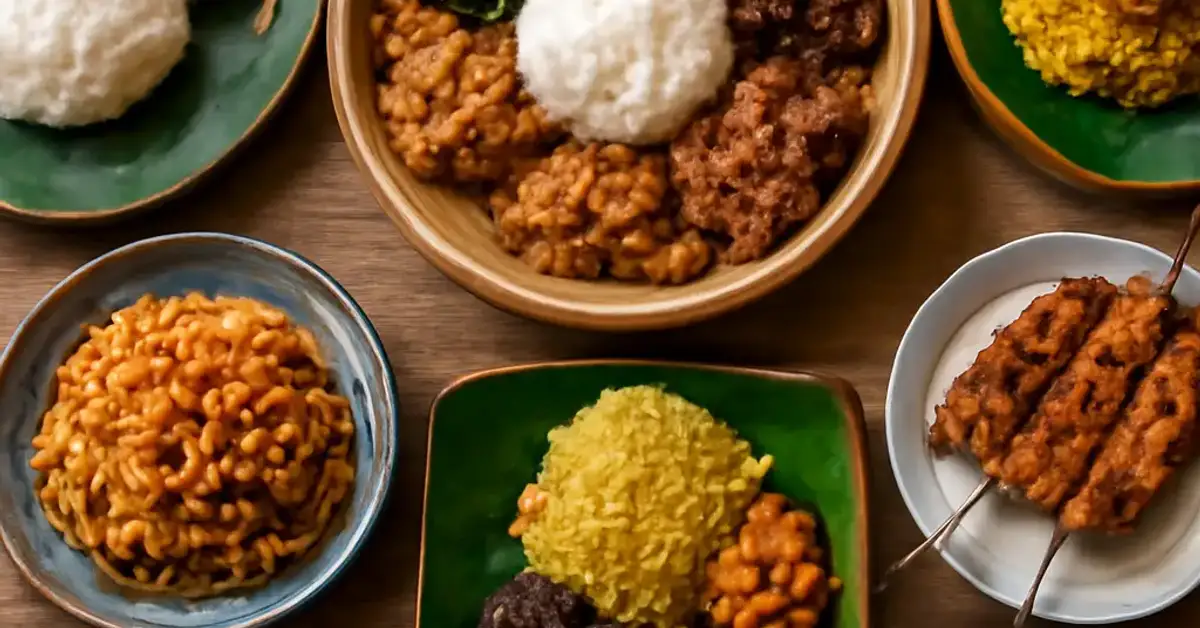
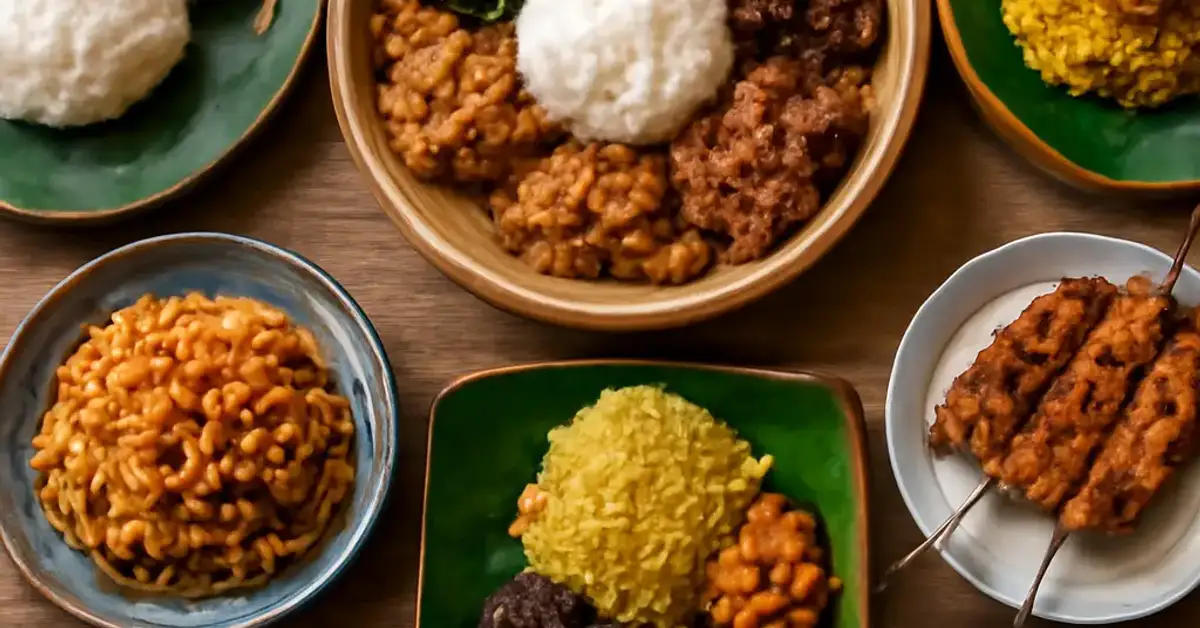
One of the most joyful Filipino inspired dishes in Bali I’ve ever created was born from a happy accident. I was preparing a kamayan feast for a group of Filipino expats, but the bananas leaves I ordered were late. The kitchen had stacked a pile of woven bamboo plates — the kind used for nasi campur. So we did a hybrid: kamayan-style eating, but served on individual bamboo platters like a Balinese rice table.
The result was magic. How do Filipino communal eating habits appear in Bali settings? Exactly like this — with everyone scooping garlic fried rice, grilled tuna belly, pickled papaya, and sambal into their hands, laughing, reaching across plates. What food habits help Filipinos feel at home in Bali? This ability to eat with our hands, to share without pretense, to value the meal as a social ritual rather than a formal affair. Both cultures understand that food is love, and love needs no silverware.
We now serve this nasi campur-kamayan fusion as a regular menu at Kilig, and it’s become a favorite among Filipino rice based meals lovers and Balinese guests alike.
5. Dessert Diplomacy: Halo-Halo Meets Es Campur
Dessert is where tropical Asian cuisine similarities become unmistakable. I remember sitting in a warung in Sanur, staring at a bowl of es campur — shaved ice, jackfruit, coconut jelly, sweet corn, condensed milk — and realizing this was my childhood halo-halo in a parallel universe. What ingredients are commonly shared between Filipino and Balinese cuisine? So many: purple yam (ubi replaces ube, but the color is identical), young coconut, pandan, tapioca pearls, and palm sugar that tastes of caramel and smoke.
I now offer a dessert flight at my private dinners: a traditional halo-halo made with ubi Cilembu from Java, a pandan flan inspired by leche flan but infused with Balinese vanilla, and a small cup of es campur for comparison. What makes Filipino-inspired food experiences popular in Bali? Part of it is this delightful sense of discovery — Filipinos taste their childhood in unfamiliar forms, and Balinese guests ask, “Is this how you eat dessert at home?” The answer is yes, and now it’s how we eat together.
6. The Sunday Market Brunch: Filipino Breakfast Meets Bali Morning Rituals
Sundays in Bali are sacred. The island slows down, and families gather for long, lazy meals. I’ve started hosting a Sunday market brunch pop-up near the Ubud Market, and it has become a meeting point for Filipino expats in Bali and their Balinese neighbors. We serve tapsilog, longsilog, and tosilog — the classic Filipino breakfast combos — but with a Bali twist: the fried rice is cooked with sambal goreng, the eggs are from free-range village chickens, and the vinegar dipping sauce uses Balinese palm vinegar.
How do Filipino food traditions adapt to Bali lifestyle? It happens naturally, one substitution at a time. No tuyo? We use salted Bali anchovies. No banana ketchup? We make our own with local honey and turmeric. The essence remains intact because Filipino dining habits abroad are flexible. We adapt without losing identity — just like the Balinese have done for centuries with their own cuisine.
7. Cooking Classes That Bridge Two Cultures
Perhaps the most meaningful Filipino inspired food experiences found in Bali are not about eating at all — they’re about cooking. I regularly teach small-group cooking classes where we prepare a Filipino dish and a Balinese dish side by side. Students learn to make chicken adobo alongside lawar bebek, and in the process, they discover what similarities exist between Filipino and Balinese eating customs.
In one recent class, a Filipino expat named Marga told me she had finally found the taste of her grandmother’s adobo after ten years abroad — using Balinese kecap manis and local vinegar. “I didn’t realize the ingredients were this similar,” she said. How do Filipino family-style meals blend with Bali dining culture? In the class, everyone sits on the floor around a low table, sharing the dishes we’ve just made. Filipinos instinctively reach for the bowls to serve others first. Balinese guests do the same. No one has to explain the etiquette. It’s already understood.
Useful Resources
To learn more about Balinese food culture and how it connects with Filipino traditions, visit Bali Food Safari, which offers guided tours of local markets and warungs. For a deeper dive into Southeast Asian eating traditions, the Tourism Ethic Bali site provides cultural insights into how food reflects community values across the region.
Frequently Asked Questions About Filipino Inspired Food Experiences Found in Bali
What Filipino dining habits are commonly noticed in Bali living?
Filipinos living in Bali often maintain the habit of communal eating, where everyone shares dishes placed at the center of the table. They also insist on having rice with every meal and using their hands when the setting allows. These habits align perfectly with Bali’s own family-style dining traditions.
How do Filipino food traditions adapt to Bali lifestyle?
Filipino food adapts by substituting local ingredients — using Balinese palm vinegar for sinigang, local lemongrass for inasal, and sambal terasi as a bagoong alternative. The cooking methods and core flavors remain unchanged, ensuring that dishes taste familiar while embracing local produce.
What similarities exist between Filipino and Balinese eating customs?
Both cultures prioritize rice as the centerpiece of every meal, share food communally, and emphasize social bonding over formal etiquette. Balinese megibung and Filipino kamayan are nearly identical in spirit — groups gather around a spread and eat together without individual plates.
Why do Filipino meals feel familiar in Bali?
Because of shared tropical ingredients such as coconut, tamarind, ginger, chilies, and lemongrass. The balance of sour, salty, and spicy flavors is central to both cuisines. When a Filipino tastes a Balinese lawar or soto, it triggers a sense of recognition that feels like home.
How do Filipinos dine differently when living in Bali?
Most Filipinos in Bali find themselves eating out more often due to the affordable warung culture. They also become more experimental, combining Filipino staples with Balinese sambals and side dishes. The relaxed, extended meal times typical of Bali influence them to slow down and savor food without rush.
What food behaviors connect Filipino culture and Bali hospitality?
Both cultures practice extreme generosity with food — hosts insist guests eat more, refuse to let them leave hungry, and treat every meal as an offering of friendship. This shared hospitality behavior makes Filipinos feel instantly welcomed in Balinese homes and warungs.
How do shared Asian food traditions influence Filipino dining in Bali?
Shared traditions like using fermented fish products, cooking with coconut milk, and celebrating street food create a natural comfort zone. Filipinos in Bali gravitate toward food stalls and markets because the energy, flavors, and social setting mirror those in the Philippines.
What makes Filipino-inspired food experiences popular in Bali?
The popularity comes from the cultural overlap that makes Filipino food both new and familiar to international diners. Travelers and expats enjoy discovering flavors that remind them of home while offering a Balinese twist, creating a unique fusion experience that satisfies curiosity and nostalgia.
How do Filipino communal eating habits appear in Bali settings?
Filipinos often organize potluck gatherings at villas or beach clubs where everyone contributes a dish. This mirrors Bali’s own culture of community feasts. In warungs, they naturally order multiple dishes to share, replicating the family-style dining they grew up with.
What ingredients are commonly shared between Filipino and Balinese cuisine?
Coconut milk, lemongrass, galangal, turmeric, chilies, tamarind, palm sugar, and fermented shrimp paste are staples in both pantries. The overlap extends to tropical fruits like jackfruit, banana, and young coconut used in desserts and savory dishes alike.
How do Filipino street food habits translate in Bali?
Filipinos easily embrace Bali’s street food because of its portability, affordability, and bold flavors. Skewered meats, grilled corn, fried snacks, and sweet desserts dominate both scenes. They swap fish balls for bakso and isaw for sate lilit without missing a beat.
What dining etiquette do Filipinos maintain while living in Bali?
Most Filipinos still wait for the eldest to start eating, offer food to others before serving themselves, and use spoons and forks in the Filipino manner. They also maintain the habit of saying “sige, kain na” — an invitation to eat that resonates with Bali’s open dining culture.
What comfort foods do Filipinos recreate in Bali?
Adobo, sinigang, kare-kare, and sisig are the most commonly recreated dishes. Filipinos source local pork, tamarind alternatives, and even find banana hearts in Ubud markets to make dishes that taste exactly like home. The availability of local duck also inspires rendang-style adobo experiments.
How do Filipino family-style meals blend with Bali dining culture?
In both cultures, food is placed in the center of the table and everyone shares. Filipino expats hosting dinners in Bali often combine dishes — a lechon belly next to Balinese lawar — and guests from both backgrounds intuitively serve one another, creating a seamless dining experience.
What food habits help Filipinos feel at home in Bali?
The ability to eat rice three times a day, the presence of sambal on every table, and the culture of eating with hands during informal meals make Filipinos feel deeply at home. Knowing that a warung is always open and affordable also reduces homesickness significantly.
Are there Filipino restaurants in Bali besides Kilig?
Yes, several Filipino-run eateries have opened in the last few years, especially around Ubud and Canggu. They offer everything from lumpia and pancit to silog breakfasts. However, Kilig Filipino Warung remains the only one that actively weaves Balinese ingredients into traditional Filipino recipes.
Do Balinese locals enjoy Filipino food?
Very much so. Balinese diners often remark that Filipino food reminds them of their own home cooking. The shared love for vinegar-based braises, grilled meats, and spicy sambals makes Filipino food naturally accessible to Balinese palates. Many guests return to Kilig with extended family.
Is Filipino food in Bali expensive?
Not at all. Most Filipino food experiences in Bali, especially at warungs like Kilig, are priced competitively with local Balinese food. A full silog breakfast or a sharing platter of adobo and rice typically costs the same as a nasi campur meal, making it affordable for expats and travelers.
Can I learn to cook Filipino food in Bali?
Yes, several cooking schools and private chefs (including Chef Juan Gadi) offer classes focused on Filipino cuisine. You learn to make adobo, sinigang, and even ube desserts using local ingredients. These classes emphasize the cultural connections between Filipino and Balinese cooking methods.
What is the best Filipino dish for a Balinese first-timer?
I recommend chicken inasal or pork adobo — both use ingredients and cooking techniques that Balinese locals already love. Inasal’s marinade of lemongrass and turmeric is almost identical to Balinese ayam betutu, while adobo’s tangy soy-vinegar base echoes babi kecap.
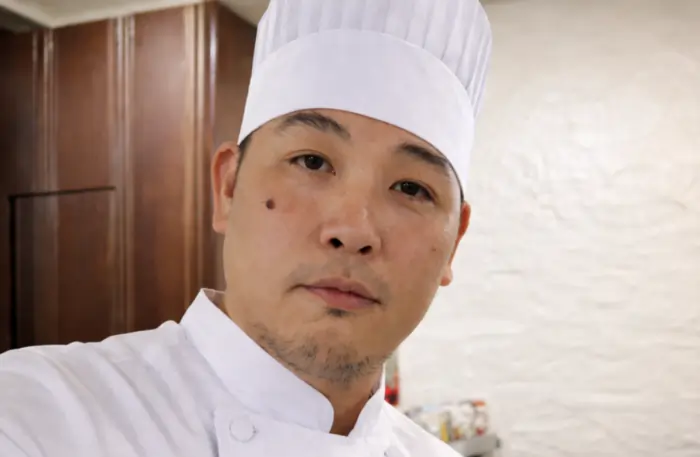
Chef Juan Gadi brings the heart of Filipino hospitality to Ubud, Bali. As an Executive Chef and consultant, he specializes in creating intimate, curated dining experiences that tell a story through every dish. Whether leading the kitchen at Kilig Filipino Warung or hosting a private villa dinner, Chef Juan’s approach is defined by warmth, modern technique, and a commitment to culinary excellence.