
Filipino Recipes That Feel Perfect for Bali Trips Key Takeaways
Filipino and Balinese cuisines share a deep love for tropical island ingredients, coconut-based meals, and bold yet balanced flavors.
- Filipino recipes that feel perfect for Bali trips leverage shared ingredients like fresh seafood, coconut milk, and local citrus for seamless adaptation.
- Filipino comfort food and street food staples match Bali’s casual, relaxed dining culture perfectly.
- Understanding Southeast Asian food similarities helps travelers appreciate the culinary bridge between the two cultures.

What Readers Should Know About Filipino Recipes That Feel Perfect for Bali Trips
Balancing familiarity with discovery is what makes a great food travel experience. For Filipinos visiting Bali—or anyone curious about how Filipino recipes translate abroad—the good news is that the two cuisines speak a similar language. Both are rooted in tropical island cuisine, where rice anchors every meal, seafood is abundant, and grilling over open flames is a cherished tradition.
Chef Juan Gadi, Executive Chef and consultant in Ubud, Bali, sees this connection daily at Kilig Filipino Warung. “Guests often tell me that eating adobo or sinigang in Bali feels both exotic and deeply comforting,” he shares. “That’s because the same coconut based recipes and grilled food traditions are central to Balinese cooking too.” For a related guide, see 9 Filipino Flavors That Blend Beautifully With Bali.
In this guide, I’ll walk you through nine specific Filipino recipes that transition beautifully to the Bali environment. Each dish was chosen for its ingredient availability, cultural resonance, and ability to enhance your travel food experiences Bali. Whether you’re a digital nomad, a food blogger, or an OFW craving a taste of home, these recipes will make your Bali trip taste even better.
How Filipino Comfort Food Meets Bali’s Food Culture
Bali food culture is defined by shared plates, aromatic herbs, and a reverence for local produce. Filipino comfort food—think rich stews, tangy soups, and crispy fried meats—aligns naturally with this ethos. The Southeast Asian food similarities between the two go beyond ingredients: both cuisines prioritize contrast (sour and salty, sweet and savory) and celebrate communal eating. For a related guide, see 8 Ways Filipino Cuisine Connects Cultures in Bali.
Understanding these parallels solves a common dilemma for travelers: “Can I find familiar flavors without sacrificing authenticity?” The answer is yes—and often right on the same menu. Many warungs in Bali already serve dishes like grilled fish wrapped in banana leaves (pepes ikan) that echo Filipino paksiw or inihaw na isda.
Filipino cooking methods such as slow-braising, souring with tamarind, and frying to a golden crisp are techniques Balinese cooks use daily. This makes Filipino food abroad feel less foreign and more like a cousin to local fare.
9 Filipino Dishes That Feel Right at Home in Bali
| Dish | Key Flavor Profile | Why It Works in Bali |
|---|---|---|
| Chicken Adobo | Salty, tangy, garlicky | Soy sauce, vinegar, garlic are staples in Balinese kitchens |
| Sinigang na Baboy | Sour, savory (tamarind base) | Fresh tamarind and kaffir lime are easy to source in Bali markets |
| Lechon Kawali | Crispy, fatty, indulgent | Bali’s pork culture (lawar, babi guling) makes this an easy find |
| Inihaw na Liempo | Smoky, sweet, salty | Grilling over coconut husks is a shared tradition |
| Pancit Canton | Umami, savory, noodle-based | Rice noodles and fresh vegetables are abundant in local markets |
| Laing na Gabi | Creamy, spicy, coconut-rich | Bali’s love for sambal and coconut milk makes this a natural fit |
| Tinolang Manok | Light, gingery, herbal | Lemongrass and ginger are pantry staples across Bali |
| Kilawin na Isda | Fresh, citrusy, spicy | Balinese lawar and raw seafood dishes share the same philosophy |
| Turrón de Maní | Sweet, crunchy, nutty | Bali’s many cafes and sweet shops welcome this dessert |
1. Chicken Adobo — The Filipino National Dish, Bali-Style
Filipino recipes rarely start anywhere else but adobo. This braised chicken dish uses soy sauce, vinegar, garlic, and bay leaves to create a deeply savory, tangy sauce. In Bali, the same ingredients are pantry staples: kecap manis (sweet soy) works beautifully in place of regular soy, and local palm vinegar adds a fruity depth that elevates the dish.
Chef Juan recommends marinating the chicken overnight with local garlic and whole black peppercorns. “The Balinese way of slow-cooking with coconut oil instead of vegetable oil adds a subtle nuttiness that makes adobo taste even more luxurious,” he notes. Serve it with steamed jasmine rice and a side of sambal matah for a cross-cultural plate that feels perfectly at home in a Ubud villa.
2. Sinigang na Baboy — Sour Soup for Tropical Evenings
Nothing beats a hot, sour bowl of sinigang after a day of exploring rice terraces. This pork soup traditionally gets its tang from tamarind, but in Bali, you can easily substitute fresh tamarind pulp or even asam Jawa, which is sold in every pasar tradisional. Balinese cooks use similar souring agents in dishes like sayur asem, so the flavor profile is instantly recognizable.
The vegetables—kangkong (water spinach), eggplant, and long beans—are all locally grown and often cheaper than in Metro Manila. Add a splash of local calamansi (jeruk limau) just before serving to brighten the broth. It’s Filipino comfort food at its most restorative, and it pairs beautifully with Bali’s cool Ubud evenings.
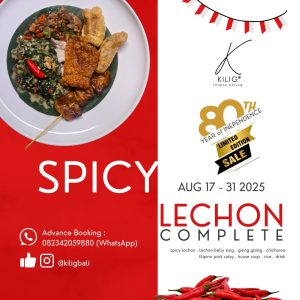
3. Lechon Kawali — Crispy Pork That Rivals Balinese Babi Guling
If there’s one shared love between Filipinos and Balinese, it’s pork. Balinese cuisine comparison often highlights babi guling (suckling pig) as the island’s iconic dish, but lechon kawali—deep-fried pork belly—holds a similar place in Filipino hearts. The technique of boiling the pork until tender, air-drying, then frying until crackling is universal.
In Bali, you can source high-quality free-range pork from farms in Tabanan. The key is achieving that ultra-crispy skin. Chef Juan suggests rubbing the skin with salt and leaving it uncovered in the fridge for six hours before frying. Serve with a vinegar dipping sauce spiced with local bird’s eye chili. It’s a dish that captures the best of grilled food traditions even though it’s fried, because the pork belly is often finished on a grill to crisp the skin further.
4. Inihaw na Liempo — Grilled Pork Belly with Balinese Accents
Grilled food traditions unite Filipinos and Balinese like few other cooking methods. Inihaw na liempo is simply marinated pork belly grilled over charcoal, but the magic lies in the marinade. A blend of soy sauce, calamansi, garlic, and brown sugar caramelizes beautifully on the grill.
In Bali, swap calamansi for jeruk nipis and add a teaspoon of terasi (fermented shrimp paste) to the marinade for an umami bomb that locals instantly love. The pork is perfect when charred on the outside and still juicy inside. Pair it with a side of ensaladang mangga (green mango salad) or, for a local twist, Balinese lawar. This dish is a regular star at Kilig Filipino Warung and a favorite among travel food experiences Bali seekers.
5. Pancit Canton — Noodles for Any Occasion
Filipino street food culture celebrates noodles in endless forms, and pancit canton is perhaps the most versatile. Stir-fried with pork, shrimp, vegetables, and a splash of toyo (soy sauce), it’s a quick, satisfying meal that travels well. In Bali, fresh egg noodles are easy to find in Chinese-Indonesian markets, while local sayur sop vegetables add a nutritious crunch.
What makes pancit canton especially suited for Bali trips is its portability. You can pack it for a day trip to Uluwatu or enjoy it as a post-surf refuel in Canggu. The balance of savory soy sauce and bright calamansi juice fits Bali’s tropical heat. It’s Filipino food abroad at its most convenient—and delicious.
6. Laing na Gabi — Creamy Taro Leaves in Coconut Milk
Coconut based recipes are the backbone of both Filipino and Balinese cooking. Laing na gabi features dried taro leaves slowly cooked in coconut milk with shrimp, ginger, and chili. In Bali, fresh taro leaves are abundant in morning markets, and the local santan (coconut milk) is exceptionally creamy.
Balinese cooks already use a similar preparation for lawar gde and pepes, so the technique feels familiar. Chef Juan recommends adding a few pieces of local pindang (spiced boiled egg) for extra depth. The result is a rich, earthy side dish that pairs beautifully with grilled fish or chicken. For visitors exploring Bali culinary tourism, laing is a revelation—a dish that tastes both exotic and instantly comforting.
7. Tinolang Manok — Ginger Chicken Soup for Wellness
Tinolang manok is light, healing chicken soup infused with ginger, green papaya, and chili leaves. It’s the go-to Filipino comfort food for rainy days or when you need a nourishing meal. In Bali, the simplicity of tinola works in its favor: fresh ginger, lemongrass, and kaffir lime leaves are as common here as they are in the Philippines.
Balinese sayur bening or bubur sumsum share a similar philosophy of light, clean broths. For travelers adjusting to new flavors or feeling homesick, tinola offers a gentle bridge. You can find green papaya in most markets, or substitute with chayote (labu siam) for a slightly sweeter note. It’s a testament to the Southeast Asian food similarities that make dishes like this feel native to Bali.
8. Kilawin na Isda — Filipino Ceviche with Balinese Twist
Filipino seafood dishes are celebrated for their freshness and acidity. Kilawin na isda cubes raw fish in vinegar, calamansi, and ginger, then serves it with chili and onions. Balinese cuisine has its own raw fish tradition called lawar, which uses similar souring agents but often incorporates grated coconut and blood seasoning.
In Bali, you can adapt kilawin by using local tuna, mackerel (ikan kembung), or even shrimp. Replace calamansi with jeruk nipis and add a dash of Balinese base genep (mixed spice paste) for a fusion twist. It’s a dish that shines as a starter at villa dinners or as a light lunch by the pool. This approach celebrates the shared island cuisine identity without losing its Filipino soul.
9. Turrón de Maní — Crispy Peanut Wraps for a Sweet Ending
No list of Filipino recipes that feel perfect for Bali trips would be complete without something sweet. Turrón de maní is a simple but addictive treat: peanuts caramelized with sugar and wrapped in a crispy rice paper wrapper. In Bali, an abundance of local peanuts (kacang tanah) and palm sugar (gula jawa) make for an even more nuanced flavor profile.
Chef Juan often serves turrón as a pass-around dessert at private dinners. “Balinese gula jawa adds a smoky, molasses-like depth that white sugar can’t match,” he says. Roll them small and serve with Bali coffee (kopi kintamani) for a truly island-inspired finish. It’s a dessert that encapsulates the joy of Filipino food abroad—familiar enough to evoke nostalgia, but local enough to feel like an adventure.
How to Source Ingredients for Filipino Recipes in Bali
Finding the right ingredients is key to making Filipino recipes that feel perfect for Bali trips a reality. Here’s a quick guide:
- Protein: Fresh seafood is available at Kedonganan Fish Market; pork and chicken are best sourced from Ubud’s organic farms or the Gianyar night market.
- Produce: Ubud Market (Pasar Ubud) has kale, kangkong, eggplants, long beans, and green papaya almost daily.
- Spices and condiments: Toko Indonesia in Denpasar carries favorite Filipino brands (Datu Puti, Mama Sita). Balinese spice shops (toko rempah) offer fresh turmeric, ginger, and lemongrass year-round.
- Coconut milk: Fresh santan from street vendors is thicker and more fragrant than canned versions.
By knowing where to look, you can recreate almost any Filipino dish with locally grown, hyper-seasonal ingredients. It’s a rewarding part of the travel food experiences Bali journey.
Expert Tips for Cooking Filipino Food in a Balinese Kitchen
Filipino cooking methods are surprisingly adaptable to the Balinese kitchen. Most villa kitchens in Bali come equipped with gas stoves and basic cookware, but here are three tips from Chef Juan Gadi:
- Master the balance of sour and salty. Balinese cuisine uses palm vinegar, tamarind, and sour mangoes extensively. Use them in place of Filipino suka and sampalok for a local twist that still tastes authentic.
- Embrace the grill. Balinese grilling culture is vibrant. Use a simple charcoal grill (a small bekakuk or disposable grill) for inihaw and sinuglaw dishes. The result is smoky and perfect for Bali’s evening breeze.
- Prep ahead for villa dinners. Many Filipino stews (adobo, caldereta) taste better the next day. Cook them one afternoon, then reheat for a relaxed dinner with friends.
These small adaptations help you cook confidently while respecting both cuisines.
Frequently Asked Questions About Filipino Recipes That Feel Perfect for Bali Trips
What Filipino recipes feel perfect for Bali trips?
Chicken adobo, sinigang na baboy, inihaw na liempo, lechon kawali, pancit canton, laing na gabi, tinolang manok, kilawin na isda, and turrón de maní all adapt beautifully thanks to shared tropical ingredients and cooking methods.
How do Filipino dishes fit Bali tropical lifestyle?
Filipino dishes emphasize fresh seafood, coconut milk, and citrus—ingredients that thrive in Bali’s climate. They align with Bali’s casual, outdoorsy dining style, where grilled meats and light soups are enjoyed near the beach or in open-air warungs.
Why do Filipino recipes work well in Bali travel experiences?
Because both cuisines share a foundation of rice, seafood, and aromatic spices. Travelers find Filipino flavors familiar yet exotic, which enhances the sense of discovery without overwhelming the palate.
What Filipino foods are easy to enjoy while traveling in Bali?
Street food-style dishes like pancit canton, lumpia shanghai (spring rolls), and grilled skewers are widely available in Bali’s food markets and easy to order at local warungs. They travel well and suit on-the-go eating.
How do Filipino recipes adapt to Bali ingredients?
Local substitutes like palm vinegar, kecap manis, jeruk nipis, and fresh coconut milk are used in place of Filipino staples. These swaps often deepen the flavor profile while preserving the dish’s character.
What Filipino comfort foods are best for Bali vacations?
Hearty stews like adobo and sinigang are comforting in Bali’s cooler highland areas (Ubud, Bedugul). Lighter versions of tinola and kilawin suit the hot coastal areas like Seminyak and Jimbaran.
How do Filipino cooking styles match Bali cuisine?
Both cuisines use braising, grilling, and souring techniques. Balinese base genep and Filipino gisa (sautéing garlic, onion, tomato) both form flavor foundations for many dishes.
What Filipino dishes are commonly enjoyed by travelers in Bali?
Based on feedback from Kilig Filipino Warung, adobo and inihaw na liempo are the most requested Filipino dishes among tourists. Pancit canton is also popular as a quick takeaway.
Why are Filipino recipes similar to Balinese food culture?
Both are rooted in tropical island agriculture, with rice as a canvas, coconut as a core ingredient, and a strong preference for fresh seafood and herbs. Historical trade routes also brought shared spices like turmeric, coriander, and pepper.
How do Filipino meals enhance Bali travel experiences?
They create a bridge between home and adventure, allowing travelers to explore Balinese food culture without losing touch with familiar flavors. This sense of culinary comfort—and the stories behind each dish—enriches the journey.
Can I find Filipino restaurants in Bali?
Yes. Kilig Filipino Warung in Ubud is a dedicated Filipino restaurant. Other warungs in Seminyak and Canggu occasionally serve Filipino-inspired specials. Filipino pop-ups also occur in Sanur and Uluwatu.
Are Filipino recipes spicy enough for Bali tourists?
Filipino cuisine is generally mild to medium-spicy. You can easily adjust heat levels by adding sambal, bird’s eye chili, or chili flakes—ingredients widely available in Bali.
What Filipino side dishes go well with Balinese mains?
Ensaladang mangga (green mango salad), atchara (pickled papaya), and pritong talong (grilled eggplant with vinaigrette) pair beautifully with Balinese grilled fish or bebek betutu.
Can I cook Filipino food in a Bali villa kitchen?
Absolutely. Most villa kitchens have gas stoves, pots, and basic utensils. You can also use a charcoal grill for inihaw. Local markets provide everything from fresh taro leaves to banana leaves for wrapping.
What Filipino dessert pairs with Bali coffee?
Turrón de maní, bibingka (rice cake), and leche flan are classic Filipino desserts that complement the bold, full-bodied flavor of Bali Kintamani coffee.
How do Filipinos in Bali cook sinigang without sampalok?
They use fresh tamarind (asam jawa) from local markets or tamarind paste. For a quicker option, instant sinigang mix can be found in Indonesian supermarkets in Denpasar or ordered online.
What’s the best way to make adobo in Bali?
Use a mix of kecap manis (sweet soy) and regular soy sauce, local palm vinegar, lots of garlic, and whole peppercorns. Simmer until tender, then reduce the sauce. It tastes even better the next day.
Is pork widely available in Bali?
Yes. Bali’s Hindu majority does not restrict pork, so it’s widely available in markets, warungs, and upscale restaurants. Balinese babi guling is a must-try for pork lovers.
What Filipino drinks go well with Bali food?
Sour and sweet beverages like sago’t gulaman, calamansi juice, and fresh buko (young coconut) water are perfect for washing down spicy or rich dishes in Bali’s heat.
Where can I learn to cook Filipino food in Bali?
Kilig Filipino Warung offers private cooking classes in Ubud. Several Balinese cooking schools also offer fusion workshops that incorporate Filipino techniques. Check local listings for pop-up classes.
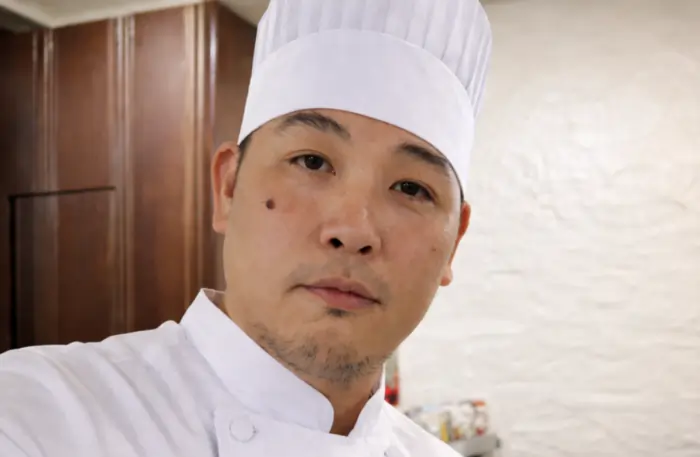
Chef Juan Gadi brings the heart of Filipino hospitality to Ubud, Bali. As an Executive Chef and consultant, he specializes in creating intimate, curated dining experiences that tell a story through every dish. Whether leading the kitchen at Kilig Filipino Warung or hosting a private villa dinner, Chef Juan’s approach is defined by warmth, modern technique, and a commitment to culinary excellence.