
Filipino Food Experiences Worth Trying Around Bali Key Takeaways
Exploring Filipino food experiences worth trying around Bali reveals a fascinating culinary dialogue between two island cultures built on rice, coconut, seafood, and bold flavors.
- Filipino food experiences worth trying around Bali include sisig, adobo, sinigang, lechon kawali, and halo-halo, each reimagined with tropical ingredients.
- Shared ingredients like calamansi, coconut, and banana blossoms make Filipino cuisine feel naturally at home in Bali’s vibrant food scene.
- Whether you are a homesick Filipino traveler, a digital nomad, or a food blogger, these 11 experiences will deepen your understanding of Southeast Asian food culture and Bali dining experiences .

What Makes Filipino Food Experiences Worth Trying Around Bali So Special
The Bali food scene has long celebrated international flavors, but Filipino cuisine abroad has recently carved out a passionate niche on the island. As Chef Juan Gadi, Executive Chef of Kilig Filipino Warung in Ubud, often says, “Filipino food is about heart and hospitality. When you cook adobo or sinigang in Bali, you are using the same tropical ingredients—coconut, pandan, lemongrass—that locals already love.” This alignment of tropical cuisine similarities creates an instant bridge for both Filipino travelers and curious Bali tourists. For a related guide, see 12 Filipino Food Ideas That Complement Bali Cuisine.
Moreover, Bali culinary tourism thrives on authentic, story-driven dining. Visitors are not just eating; they are learning about Filipino cooking traditions passed down through generations. The concepts of salo-salo (shared meal) and ulam (viand with rice) mirror Bali’s own communal eating habits. This shared philosophy makes every dish feel familiar yet exciting—a perfect recipe for memorable travel food experiences Bali has to offer.
1. Sisig at Kilig Filipino Warung
The Ultimate Filipino Street Food Reborn in Ubud
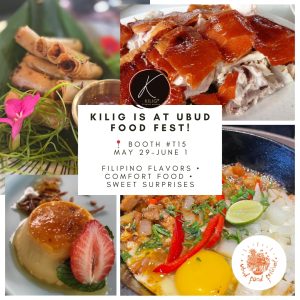
No list of Filipino food experiences is complete without sizzling sisig. At Kilig Filipino Warung in Ubud, Chef Juan Gadi prepares a version that honors the classic Kapampangan recipe while incorporating local Bali limes and bird’s eye chili. The crispy pork face, chopped and seasoned with calamansi and onions, arrives on a hot cast-iron plate. The sizzle alone draws curious diners from across the street.
Filipino street food culture thrives on bold textures and bright acidity. In Bali, sisig fits perfectly alongside local satay and grilled seafood. Many tourists say it reminds them of Filipino comfort food they grew up with, but with a tropical twist that feels fresh and new. Chef Juan notes, “When Filipinos taste my sisig, they close their eyes and smile. That is the connection I want every guest to feel.” For a related guide, see 9 Filipino Flavors That Blend Beautifully With Bali.
2. Traditional Adobo with a Bali Twist
Why This National Dish Resonates in the Island Food Culture
Adobo is often called the unofficial national dish of the Philippines, and finding a well-executed version in Bali is a delight. Several Bali dining experiences now offer adobo braised in coconut vinegar, soy sauce, garlic, and bay leaves, sometimes finished with a splash of coconut milk. This mirrors the shared Asian cuisine principle of balancing salty, sour, and savory.
Chef Juan’s take at private villa dinners uses free-range Bali chicken, slow-cooked until tender. The sauce is reduced to a glaze that coats every grain of jasmine rice. For travelers seeking Filipino cuisine abroad, adobo is often the first dish they search for. Its simplicity and depth make it a staple on any Filipino food experiences worth trying around Bali itinerary.
3. Sinigang na Salmon in a Bamboo Setting
A Sour Soup That Cuts Through Bali’s Humidity
Sinigang, a tamarind-based soup, is the ultimate Filipino comfort food for rainy or humid days. In Bali, several pop-up kitchens and warungs serve sinigang using local river fish or salmon, alongside vegetables like kangkong (water spinach), radish, and green beans. The sour broth, often made with fresh tamarind or sinigang mix, is remarkably similar to Bali’s own sour soups like sayur asem.
This dish exemplifies tropical cuisine similarities and is a favorite among Filipino expat food communities in Bali. One sip and you are transported to a family table in Manila or Cebu. The communal act of sharing a steaming bowl of sinigang brings people together—a core value of Southeast Asian food culture.
4. Lechon Kawali with Bali-Style Sambal
Crispy Pork Belly Meets Local Heat
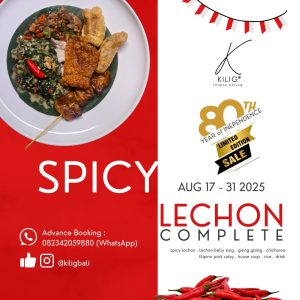
Lechon kawali—deep-fried pork belly—is a celebrated Filipino street food item that has found a natural home in Bali. The island’s love for crispy pork, especially in dishes like babi guling, makes this an easy crossover. Chefs often serve lechon kawali with a side of spicy Bali sambal matah, which adds a tangy, raw shallot heat that elevates the dish.
This combination is a highlight of Bali dining experiences for meat lovers. It also shows how fusion food culture Asia can honor both traditions without losing identity. Whether at a casual beachside warung or a curated dinner, lechon kawali is a must-try for any food enthusiast.
5. Halo-Halo Inspired by Bali’s Tropical Fruits
A Shaved Ice Dessert That Celebrates Island Abundance
Halo-halo, meaning “mix-mix” in Tagalog, is a layered dessert of shaved ice, evaporated milk, sweet beans, coconut strips, and local fruits. In Bali, this treat takes on new life with additions like dragon fruit, jackfruit, and young coconut. Several cafes in Seminyak and Ubud now offer halo-halo bowls that are as beautiful as they are refreshing.
This dessert perfectly encapsulates island food culture and is a favorite among travel food experiences Bali seekers. Chef Juan often serves a deconstructed halo-halo at private dinners, letting guests layer their own toppings. “It’s interactive, nostalgic, and everyone smiles while making it,” he says.
6. Chicken Inasal at a Beachfront Warung
Grilled Chicken Marinated in Lemongrass and Calamansi
Chicken inasal, a Visayan-style grilled chicken marinated in lemongrass, ginger, calamansi, and annatto oil, is a staple of Filipino cooking traditions. In Bali, this dish pairs naturally with the island’s charcoal grilling culture. You will find versions at pop-up markets and dedicated Filipino stalls, served with sinangag (garlic fried rice) and a drizzle of chicken oil.
The bright, citrusy notes of inasal make it a perfect alternative to Bali’s own grilled offerings. It also appeals to Bali culinary tourism visitors who want to explore beyond nasi goreng. This dish proves that Filipino cuisine abroad can hold its own on any global food stage.
7. Kare-Kare with Fresh Bali Vegetables
Peanut Stew That Comforts Like No Other
Kare-kare, a thick peanut-based stew traditionally made with oxtail or tripe, is a labor of love. In Bali, chefs substitute local vegetables like long beans, eggplant, and banana blossoms to create a vegetarian-friendly version. The dish is served with bagoong (shrimp paste), which adds a funky, salty contrast.
This dish is a prime example of shared Asian cuisine, as peanut sauces appear in Indonesian gado-gado and Thai satay. For travelers seeking Filipino food experiences worth trying around Bali, kare-kare offers a creamy, hearty option that feels both exotic and familiar.
8. Lumpiang Shanghai with Fresh Herb Dipping Sauce
Crispy Spring Rolls That Steal Every Appetizer Plate
Lumpiang Shanghai—crispy, thin spring rolls filled with seasoned ground pork or chicken—are a party favorite in the Philippines. In Bali, they are often served with a sweet chili sauce or a tangy vinegar dip infused with garlic and chili. The crunch factor is universally loved, making them a hit at food events and villa gatherings.
These rolls represent Filipino comfort food at its most portable. They are also a great introduction for Bali tourists who may be unfamiliar with Philippine cuisine. Chef Juan often uses local free-range pork and Balinese vinegar to add a unique terroir to this classic.
9. Pancit Canton with Seafood from Jimbaran Bay
Noodles That Celebrate Long Life and Island Bounty
Pancit canton, stir-fried egg noodles with vegetables and protein, is a symbol of longevity in Filipino culture. In Bali, versions featuring fresh prawns, squid, and clams from Jimbaran Bay are especially popular. The dish is seasoned with soy sauce, calamansi, and a hint of sesame oil.
This noodle dish demonstrates how Filipino cooking traditions can adapt to local seafood without losing their soul. It is a regular feature at pop-up dinners and warungs, often drawing lines of hungry surfers and digital nomads. Pancit canton is a must for anyone exploring Bali food scene diversity.
10. Bibingka and Puto Bumbong at Ubud Morning Markets
Rice Cakes That Capture Filipino Christmas Spirit Year-Round
Bibingka (rice cake cooked in clay pots) and puto bumbong (purple sticky rice cake) are traditionally served during Christmas in the Philippines. In Bali, a few dedicated Filipino bakers produce these treats year-round, often using local sticky rice and coconut milk. They are sold at Ubud’s morning markets and special holiday events.
These sweets are a wonderful example of tropical cuisine similarities, as rice cakes are common across Southeast Asia. For Filipino expat food lovers, biting into a warm bibingka slathered with butter and grated coconut feels like a holiday hug. Chef Juan believes they are some of the most underrated Filipino food experiences.
11. Private Villa Chef Dinner by Chef Juan Gadi
An Intimate Evening of Curated Filipino Flavors
The pinnacle of Filipino food experiences worth trying around Bali is a private villa dinner hosted by Chef Juan Gadi himself. With a menu that changes seasonally, guests enjoy a multi-course journey that tells stories of Philippine heritage through modern techniques. Think smoked adobo, sinigang consommé, and a desserts table featuring leche flan with pandan cream.
This experience is designed for Bali culinary tourism enthusiasts who crave depth and personal connection. Chef Juan explains, “I want every guest to feel like they are dining in my home. Each dish has a story, and Bali provides the perfect backdrop for that narrative.” Bookings are limited, making this a coveted experience for food bloggers, couples, and small groups seeking exclusive Bali dining experiences.
Comparison Table: 11 Filipino Food Experiences at a Glance
| Experience | Key Ingredient | Best For | Where to Try |
|---|---|---|---|
| Sisig | Pork face, calamansi | Street food lovers | Kilig Filipino Warung, Ubud |
| Adobo | Chicken, coconut vinegar | Traditionalists | Private villa dinners |
| Sinigang | Salmon, tamarind | Soup enthusiasts | Pop-up warungs |
| Lechon Kawali | Pork belly, sambal | Crispy pork fans | Beachfront stalls |
| Halo-Halo | Shaved ice, tropical fruits | Dessert seekers | Cafes in Seminyak |
| Chicken Inasal | Lemongrass, annatto | Grill lovers | Markets and pop-ups |
| Kare-Kare | Peanut, vegetables | Comfort food fans | Filipino restaurants |
| Lumpiang Shanghai | Ground pork, wrappers | Appetizer lovers | Villa gatherings |
| Pancit Canton | Seafood, egg noodles | Noodle fans | Jimbaran area |
| Bibingka and Puto Bumbong | Sticky rice, coconut | Morning market explorers | Ubud markets |
| Private Villa Dinner | Seasonal menus | Bali culinary tourism | Chef Juan Gadi |
Useful Resources
For more on Filipino cuisine in Southeast Asia, check out Food and Wine’s feature on Bali’s Filipino food scene. To explore the shared roots of Southeast Asian food culture, read Serious Eats’ guide to Southeast Asian cooking.
Frequently Asked Questions About Filipino Food Experiences Worth Trying Around Bali
What Filipino food experiences can travelers try around Bali?
Travelers can enjoy sisig, adobo, sinigang, lechon kawali, halo-halo, chicken inasal, kare-kare, lumpiang Shanghai, pancit canton, bibingka, and private villa chef dinners—all with a Bali twist.
How do Filipino dining experiences appear in Bali food culture?
Filipino dining experiences often appear in warungs, pop-up markets, private villa dinners, and fusion cafes, blending communal eating traditions with Bali’s relaxed tropical atmosphere.
Why are Filipino food experiences popular among Bali tourists?
They are popular because of the shared use of coconut, rice, seafood, and bold flavors, making Filipino dishes both familiar and exciting for tourists seeking diverse Bali dining experiences.
What Filipino dishes are commonly enjoyed in Bali restaurants?
Commonly enjoyed dishes include adobo, sisig, sinigang, lechon kawali, and pancit canton, often adapted with local ingredients like sambal matah and Bali limes.
How do Filipino food traditions blend with Bali culinary experiences?
Chefs combine Filipino cooking techniques with Balinese ingredients, such as using free-range chicken for adobo or adding fresh seafood to sinigang, creating a harmonious fusion food culture Asia.
What makes Filipino food special for travelers in Bali?
Its ability to evoke nostalgia through Filipino comfort food while offering new interpretations makes it special. The warmth of salo-salo dining also resonates with the island’s communal spirit.
How do Filipino street food experiences compare in Bali?
Similar to the Philippines, Filipino street food in Bali is bold, affordable, and portable. Sisig, lumpia, and grilled skewers are common, but often feature local chili and herb variations.
What Filipino comfort food experiences are available in Bali?
Comfort food options include adobo, sinigang, and kare-kare, which are served in cozy warungs and private dinners, offering a taste of home for Filipino expat food communities.
How do Filipino cooking styles influence Bali dining options?
Techniques like braising in vinegar (adobo), souring with tamarind (sinigang), and grilling with annatto (inasal) enrich Bali’s culinary landscape, inspiring chefs to experiment with shared Asian cuisine.
What Filipino inspired food experiences can tourists find in Bali?
Tourists can find Filipino-inspired tasting menus, halo-halo dessert bars, fusion tacos with lechon kawali, and bibingka stalls at local markets, blending island food culture with Philippine traditions.
Is Filipino food easy to find in Bali?
Yes, thanks to a growing Filipino community and Chef Juan Gadi’s efforts, authentic and fusion Filipino dishes are increasingly available in Ubud, Seminyak, and Canggu.
Can I take a Filipino cooking class in Bali?
Yes, some private chefs and warungs offer cooking workshops where you can learn to make adobo, lumpia, and sinigang using local Bali produce.
What is the best time to visit Bali for Filipino food events?
During Filipino festivals like Christmas and Independence Day, pop-up events and special dinners featuring Filipino cooking traditions are more common throughout Bali.
Are there vegetarian Filipino options in Bali?
Yes, many chefs offer vegetarian versions of kare-kare, sinigang, and lumpiang Shanghai using tofu, mushrooms, and local vegetables.
How do I book a private Filipino dinner in Bali?
You can contact Chef Juan Gadi directly through Kilig Filipino Warung’s website or Instagram for private villa dining experiences tailored to your group.
What drinks pair well with Filipino food in Bali?
Bali craft beers, fresh coconut water, calamansi juice, and tropical cocktails like passion fruit mojitos complement the bold and sour flavors of Filipino cuisine.
Is Filipino food spicy?
Not always, but many dishes can be adjusted with chili. In Bali, chefs often add local sambal to give a spicy kick without overwhelming the original flavor.
Can I find Filipino desserts for takeaway in Bali?
Yes, several cafes offer halo-halo, leche flan, and bibingka for takeaway, making them perfect for a sweet treat after exploring Bali food scene spots.
How expensive are Filipino food experiences in Bali?
Prices range from affordable street food (IDR 30,000–50,000) to premium private dinners (IDR 800,000+ per person), offering options for every budget.
What should I order if I have never tried Filipino food before?
Start with lumpiang Shanghai or chicken inasal—both are mild, approachable, and showcase the best of Filipino cuisine abroad.
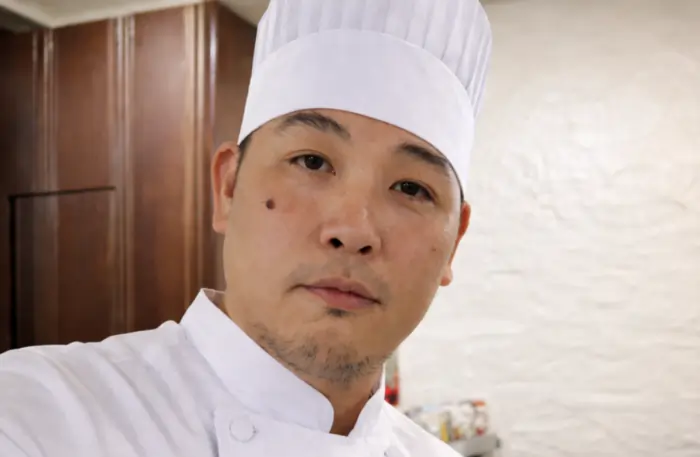
Chef Juan Gadi brings the heart of Filipino hospitality to Ubud, Bali. As an Executive Chef and consultant, he specializes in creating intimate, curated dining experiences that tell a story through every dish. Whether leading the kitchen at Kilig Filipino Warung or hosting a private villa dinner, Chef Juan’s approach is defined by warmth, modern technique, and a commitment to culinary excellence.