Filipino Inspired Dining Trends Growing in Bali Key Takeaways
Filipino inspired dining trends growing in Bali reflect a natural culinary convergence between two island cultures that share a love for rice, grilled seafood, bold vinegary flavors, and the deep warmth of kamayan-style eating.
- Filipino inspired dining trends growing in Bali draw on shared Southeast Asian food culture, tropical ingredients, and a strong appreciation for communal comfort-based eating.
- Filipino cuisine influences Bali dining through grilled dishes, rice-based meals, seafood preparations, and bold yet balanced flavors that align with local tastes.
- The rise of fusion dining, street food style concepts, and family style meals in Bali reflects Filipino food traditions that emphasize sharing, hospitality, and simplicity, making Filipino inspired dining a natural fit within Bali’s evolving culinary landscape.
Why Filipino Inspired Dining Trends Are Flourishing in Bali
Bali has always been a melting pot for culinary innovation. Travelers arrive expecting tropical ingredients and vibrant flavors, but what they find increasingly are menus that nod to the Philippines. The reason goes beyond mere trend-chasing. Both Bali and the Philippines share an archipelago identity where rice is a staple, seafood is central, and vinegar-based marinades are second nature.
When Filipino chefs and entrepreneurs bring dishes like lechon kawali, chicken inasal, or sinigang to Balinese tables, local palates recognize the soul even when the name is unfamiliar. For Filipino travelers, these restaurants offer nostalgia; for other tourists, they offer discovery. And for restaurant owners, the formula is working: high repeat visits, strong social media appeal, and a menu that stands out in Bali’s saturated dining scene. For a related guide, see 9 Filipino Recipes That Feel Perfect for Bali Trips.
The 10 Trends Shaping Filipino Inspired Dining in Bali
1. Kamayan-Style Communal Dining Experiences
Filipino dining trends are perhaps nowhere more visible than in the resurgence of kamayan, the traditional hand-eating feast. Several restaurants in Seminyak and Ubud now offer banana-leaf-lined tables where guests eat grilled fish, salted eggs, mango, and garlic rice directly with their hands. This style of shared dining culture Asia has always existed in Bali, but the Filipino version layers sour and salty notes distinct from Indonesian sambal-centric meals. It is becoming a favorite for group bookings and destination dinners because it transforms eating into an interactive event. Chef Juan Gadi notes that kamayan dinners at Kilig Filipino Warung often sell out three weeks in advance, driven largely by digital nomads and Filipino travelers seeking community.
2. Sisig as a Street Food Icon and Bar Food Star
Sisig—the sizzling chopped pork face and liver dish from Pampanga—has found a second home in Bali’s bar and beer garden scene. Braised, grilled, then chopped and served on a hot plate with calamansi and chili, it pairs naturally with Bali’s Bintang pilsner. Filipino street food influence is unmistakable here: what started as a market snack in Angeles City is now listed on menus alongside satay and nasi goreng. Several venues in Canggu now offer sisij (pork sisig with local vegetables) or tuna sisig to accommodate pescatarians, further broadening its appeal.
3. Inasal-Inspired Grilled Chicken Chains
Grilled chicken marinated in annatto, calamansi, and lemongrass is a staple of Bacolod’s chicken inasal, and Bali’s island cuisine similarities make it a natural crossover. Pop-up grills and semi-permanent warungs across Ubud and Sanur now serve inasal-style chicken halves with rice and a bowl of sinamak (spiced vinegar). The trend is driven by both Filipino cuisine influence and the broader demand for tropical dining trends that emphasize live-fire cooking and bright, acidic sauces. Tourists who land in Bali expecting local seafood are pleasantly surprised by the smoke-kissed chicken that reminds them of everything they love about beachside grills back home.
4. Adobo Infusions in Modern Asian Cuisine
Adobo, the unofficial national dish of the Philippines, is being reimagined in Bali’s modern Asian cuisine spaces. Rather than a straightforward soy-vinegar braise, chefs are using adobo as a technique: braising duck in coconut vinegar and garlic, or reducing the braising liquid into a glaze for grilled octopus. At one beachfront restaurant in Jimbaran, a popular dish combines adobo-braised pork belly with a sambal matah relish and jasmine rice, creating a cross-cultural plate that respects both traditions. This type of culinary hybridity is central to Southeast Asian fusion food and positions Filipino flavors as versatile, not exotic.
5. Halo-Halo as a Tropical Dessert Destination
Halo-halo, the shaved ice dessert loaded with sweet beans, coconut, jackfruit, leche flan, and ube ice cream, has become a signature cooling treat in Bali’s tropical climate. Cafes in Ubud and Seminyak offer their own versions, sometimes adding local palm sugar or Durian ice cream. The presentation is intentionally photogenic, which feeds social media sharing and word-of-mouth among travelers. Tropical dining trends demand desserts that are refreshing, colorful, and shareable, and halo-halo checks every box while introducing Bali diners to the rich texture of ube (purple yam) and the crunch of pinipig (toasted rice).
6. Filipino Breakfast All-Day Concepts
Bali’s brunch culture is among the most competitive in Southeast Asia. In response, several cafes now serve all-day Filipino breakfast (“tapsilog” and “longsilog”) alongside avocado toast and smoothie bowls. The combination of garlic fried rice, fried egg, and protein—whether tapa (cured beef), longganisa (sweet sausage), or daing na bangus (fried milkfish)—offers a savory, filling alternative to Western brunch. For Filipino travelers, it is a taste of home; for other tourists, it is an affordable, high-flavor introduction to Filipino comfort food that fits Bali’s laid-back morning pace.
7. Kinilaw (Filipino Ceviche) in Seafood-Centric Menus
Kinilaw, the Filipino method of “cooking” fresh fish in vinegar and citrus, aligns perfectly with Bali’s abundant seafood. Unlike Peruvian ceviche, kinilaw uses coconut vinegar, ginger, and sometimes coconut cream for a richer, less acidic finish. Several seafood restaurants along Jimbaran Bay now offer kinilaw as a starter, using local tuna or mahi-mahi. This trend is part of a broader Bali culinary scene shift toward raw and cured seafood presentations that emphasize freshness and acidity over heavy sauces. It also highlights Filipino cooking style trends that prioritize ingredient quality and simple preparation.
8. Lechon-Style Roasting in Bali’s Celebratory Events
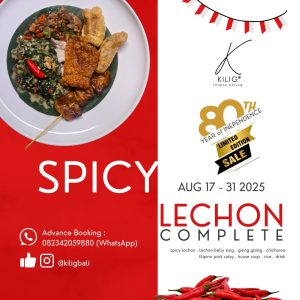
Lechon, the whole-roasted pig with crispy skin and tender meat, has found a role in Bali’s resort and private dining sector. While not a daily menu item, lechon is increasingly offered for pre-order at Filipino-owned restaurants and for villa catering events. The process—slow-roasting over charcoal for hours—requires space and skill, but the payoff is a centerpiece that draws tables together. This trend reflects the growing demand for Bali food tourism experiences that go beyond standard restaurant meals and into festival-worthy feasts. Chef Juan Gadi’s private villa dinners often feature lechon as the main attraction, accompanied by atchara (pickled papaya) and liver sauce.
9. Ube and Pandan Flavors in Bakeries and Cafes
Ube (purple yam) and pandan have long been present in Indonesian desserts, but Filipino-style ube spreads, ube cheese pandesal, and pandan coconut cakes are now appearing in Bali bakeries and coffee shops. The visually striking purple color makes these items highly Instagrammable, and the mild, nutty sweetness of ube appeals to a broad audience. Filipino inspired dishes in this category include ube lattes, ube crinkle cookies, and pandan chiffon cakes. The trend signals a maturation of Bali restaurant trends where local bakeries experiment with regional flavors from across the archipelago, including the Philippines.
10. Filipino-Indonesian Fusion Pop-Ups and Supper Clubs
The most experimental trend involves collaborative pop-up dinners where Filipino chefs team up with Balinese or Indonesian chefs to create crossover menus. A typical event might feature lumpia filled with lawar (Balinese minced meat and coconut) or sinigang made with locally sourced river fish and the souring agent from bilimbi fruit. These pop-ups are often held in private homes, boutique hotels, or co-working spaces frequented by digital nomads. They represent the vanguard of Southeast Asian fusion food, where shared culinary vocabulary meets local terroir. For food bloggers and culinary trend researchers, these events provide rich content and proof that Filipino inspired dining trends growing in Bali are not superficial but rooted in authentic collaboration.
Practical Insights for Restaurants and Chefs
For restaurant owners and chefs observing these trends, the takeaway is clear: Filipino flavors do not need to be introduced as foreign novelties but as familiar tastes that happen to have a different name. The key is balance. Dishes like sisig can be dialed up or down in heat depending on the audience. Kamayan dinners require careful sourcing of banana leaves and training of service staff to guide diners through hand-eating etiquette. Menus should clearly explain terms like “kinilaw” or “pandesal” without being patronizing. Chef Juan Gadi advises starting with one or two hero dishes, testing them with local taste testers, and gradually expanding. Additionally, sourcing ingredients locally—such as using Balinese calamansi instead of imported Filipino calamansi—helps control costs and builds supply chain resilience.
Useful Resources
For further reading on the intersection of Filipino cuisine and Southeast Asian food trends, visit these credible sources:
- Spot.ph: Filipino Restaurants in Bali – A Complete Guide – An in-depth look at the growing list of Filipino eateries and pop-ups in Bali.
- Food52: The Ultimate Guide to Filipino Food – A primer on Filipino culinary traditions that helps contextualize why these flavors resonate in Bali.
Frequently Asked Questions About Filipino Inspired Dining Trends Growing in Bali
What Filipino inspired dining trends are growing in Bali?
Trends include kamayan-style communal dining, sisig as a bar food staple, inasal-inspired grilled chicken, adobo-infused modern dishes, halo-halo as a tropical dessert, all-day Filipino breakfasts, kinilaw ceviche, lechon roasting for events, ube and pandan bakery items, and Filipino-Indonesian fusion pop-ups. For a related guide, see 12 Filipino Food Ideas That Complement Bali Cuisine.
How is Filipino cuisine influencing Bali dining culture?
Filipino cuisine brings vinegar-bright flavors, grilled meat traditions, and communal eating habits that align well with Bali’s existing food culture, leading to natural adoption and fusion on restaurant menus across the island.
Why are Filipino food trends becoming popular in Bali?
Shared tropical ingredients, a strong Filipino diaspora presence, growing food tourism, and the appeal of comfort-driven, shareable meals make Filipino food trends a comfortable fit in Bali’s adventurous yet familiar dining scene.
What Filipino dining habits are seen in Bali restaurants?
Habits include eating with hands (kamayan), sharing multiple dishes family-style, pairing meals with vinegar-based dipping sauces, and ordering rice as the foundation of every meal.
How do Filipino inspired meals shape Bali food experiences?
They introduce interactive dining formats, bold sour-savory flavor profiles, and visually striking desserts, enriching the diversity of what travelers can expect beyond traditional Balinese and Western options.
What Filipino cooking styles are trending in Bali?
Live-fire grilling (inasal and sisig), vinegar-based raw preparations (kinilaw), slow roasting (lechon), and braising techniques (adobo) are the most prominent cooking styles gaining traction.
How do Filipino flavors influence Bali restaurant menus?
They introduce ingredients like calamansi, coconut vinegar, ube, and longganisa, and encourage chefs to balance sour, salty, and umami notes in new ways that complement local spice profiles.
What makes Filipino dining trends attractive to Bali tourists?
Tourists are drawn to the novelty of hand-eating rituals, the photogenic presentation of dishes like halo-halo and sisig, and the emotional comfort of familiar flavors for Filipino visitors.
How do Filipino food traditions blend with Bali culinary trends?
Filipino traditions blend by substituting local ingredients (like swapping calamansi for Balinese lime), combining spice levels, and presenting dishes in settings that emphasize tropical aesthetics and communal sharing.
What Filipino inspired dishes are emerging in Bali food scene?
Dishes such as sisig tacos, ube cheesecake, adobo-glazed octopus, kinilaw with local tuna, lechon served at villa dinners, and pandan coconut cakes are emerging across warungs, cafes, and private dining events.
Are there Filipino restaurants in Ubud?
Yes, Ubud is home to Kilig Filipino Warung, where Chef Juan Gadi leads the kitchen, offering kamayan dinners, sisig, and other Filipino classics in a warm, intimate setting.
Is Filipino food expensive in Bali?
Pricing varies widely: street food-style sisig plates can be as low as IDR 35,000, while private villa lechon dinners may cost IDR 500,000 per person. In general, Filipino food is perceived as affordable and good value.
Can I find vegan Filipino food in Bali?
Some restaurants now offer vegan versions of adobo (using mushrooms or jackfruit), lumpia filled with tofu and vegetables, and vegan sisig made from coconut meat, though options are still limited compared to meat-based dishes.
Do Balinese locals eat Filipino food?
Yes, especially in areas like Canggu and Seminyak where exposure to international cuisines is high. Many local diners appreciate the similarity to Indonesian food while enjoying the unique sour profiles.
What is the best Filipino dish for first-timers in Bali?
Chicken inasal is often recommended because the flavors are approachable and reminiscent of grilled chicken found across Asia. Sisig is a close second for those who enjoy bold, sizzling dishes.
Are there Filipino food tours in Bali?
Not yet as a standalone offering, but several food tour companies in Ubud and Seminyak include Filipino restaurants as stops on broader Southeast Asian food tours.
How do I find Filipino pop-up dinners in Bali?
Follow social media accounts of known Filipino chefs in Bali, join expat food groups on Facebook, and check event calendars on platforms like Eventbrite and Bali Buddies for pop-up announcements.
What Filipino drink trends are growing in Bali?
Calamansi iced tea, buko (coconut) juice served fresh, and cocktails that use lambanog (coconut wine) are appearing on beverage menus at Filipino-inspired restaurants.
Can I request a private Filipino dinner in Bali?
Yes, Chef Juan Gadi offers private villa dinners through Kilig Filipino Warung, where guests can request a custom multi-course meal featuring kamayan, adobo, lechon, and other specialties.
Are Filipino ingredients available in Bali supermarkets?
Basic items like coconut vinegar, banana leaves, and calamansi are widely available. Specialty products like ube halaya and longganisa can be found in Filipino specialty stores in the Kuta area.
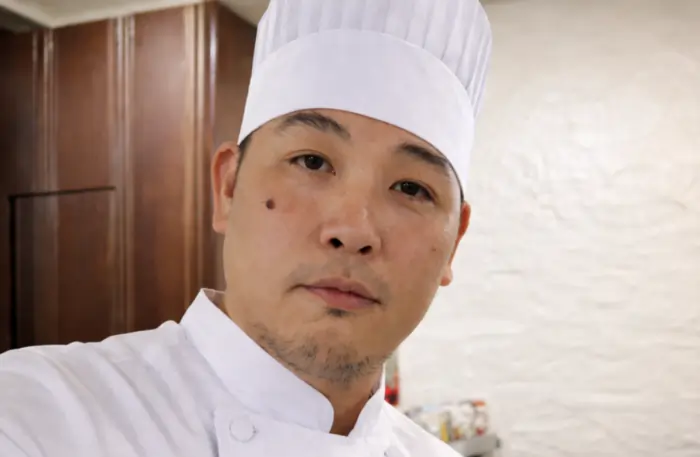
Chef Juan Gadi brings the heart of Filipino hospitality to Ubud, Bali. As an Executive Chef and consultant, he specializes in creating intimate, curated dining experiences that tell a story through every dish. Whether leading the kitchen at Kilig Filipino Warung or hosting a private villa dinner, Chef Juan’s approach is defined by warmth, modern technique, and a commitment to culinary excellence.